

Your parents should be the two people that you can always rely on no matter what. If you’re having a terrible day, in need of help, or going through a brutal breakup, knowing that Mom and Dad will always have your back is extremely comforting.
But some parents start to lose sight of what really matters, leaving their priorities to fall completely out of whack, and this can have detrimental effects on their relationships with their children. One man reached out to Reddit for advice after he exposed the lies that his parents had been pressuring him to keep for years. Below, you’ll find the full story, as well as some of the replies invested readers left him.
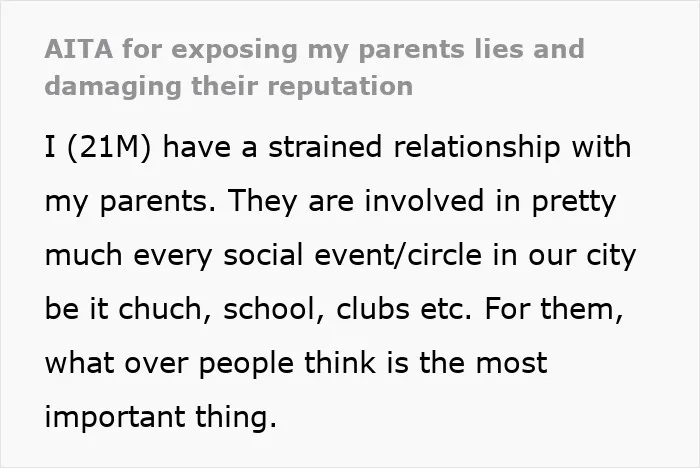
This man's parents have always been fixated on how others perceive them

But he's had enough of upholding their lies in public
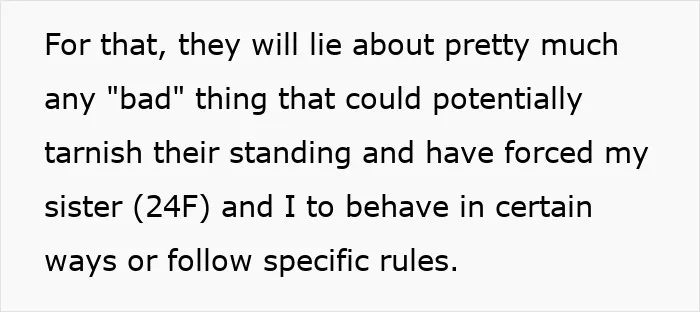
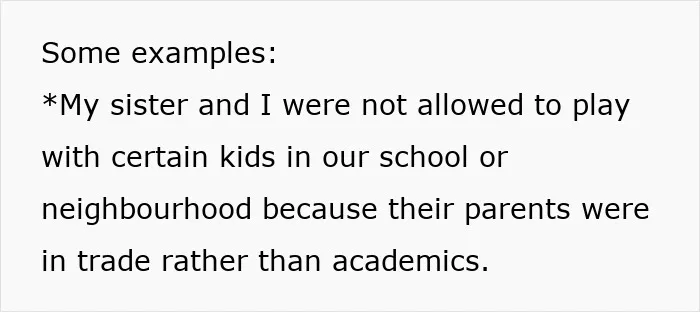
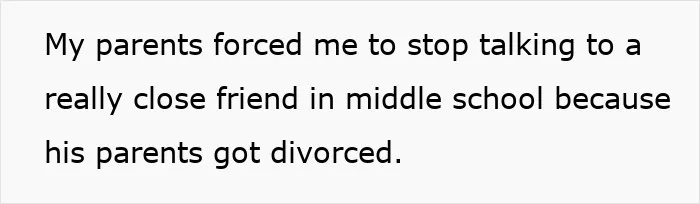

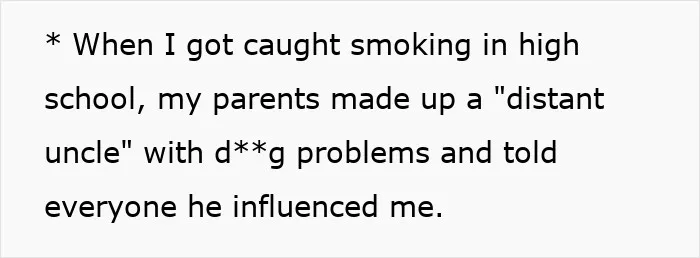
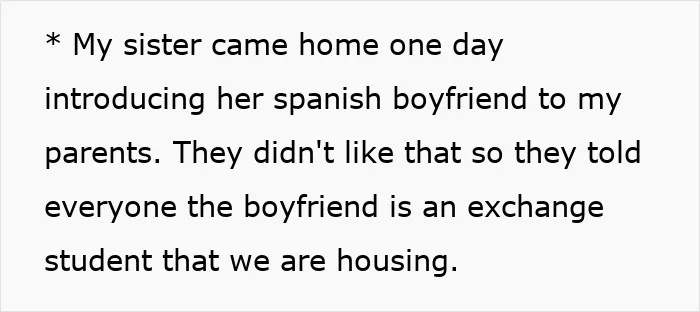
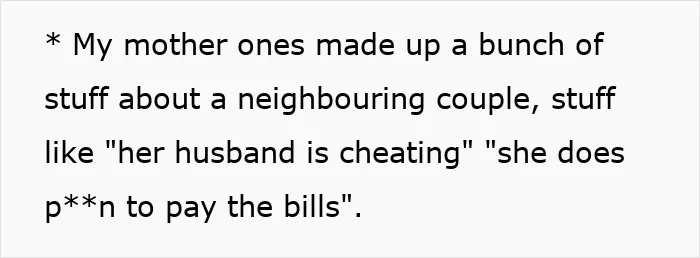
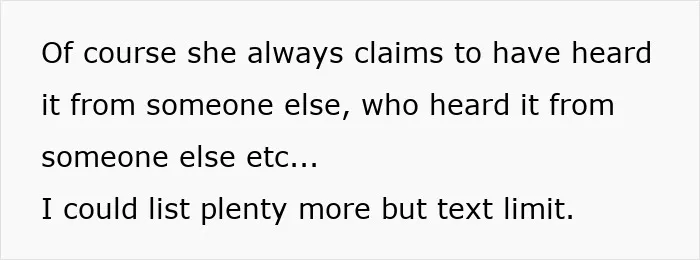

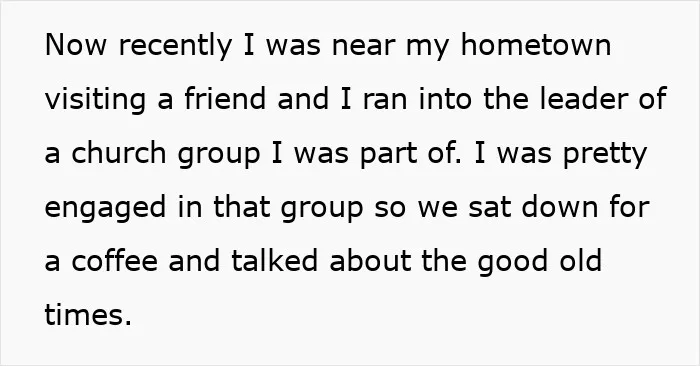
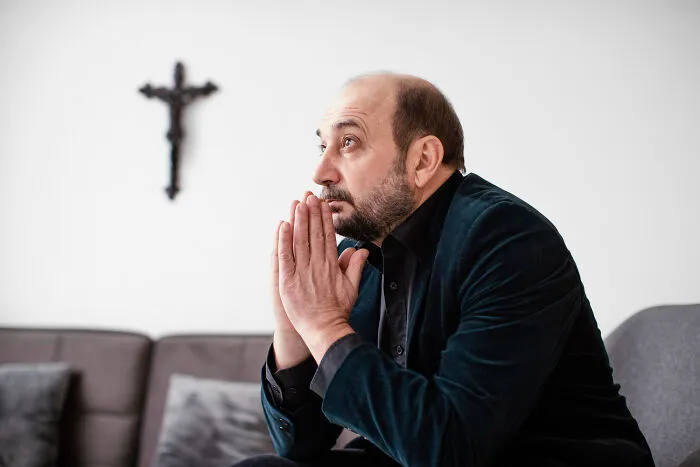
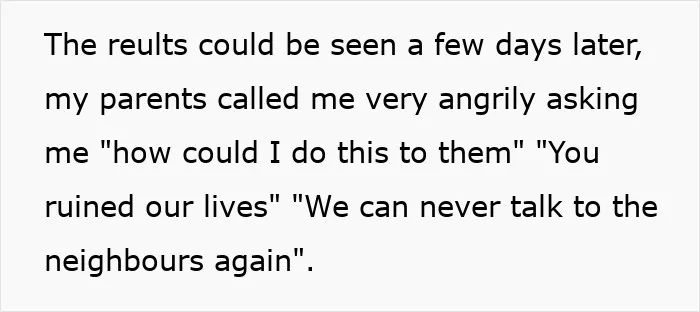
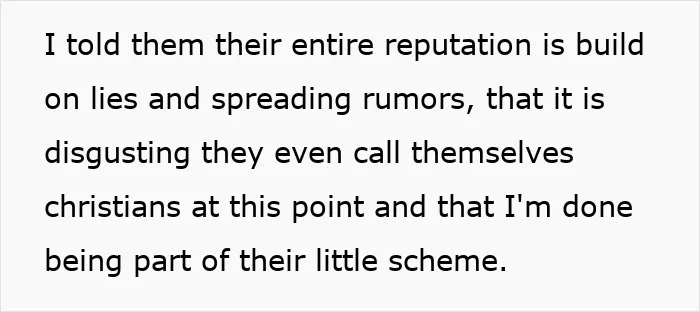
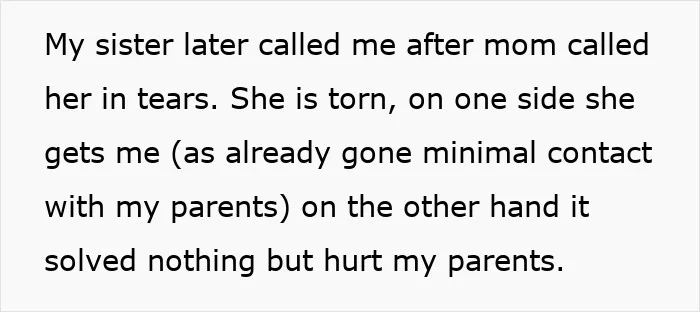
Worrying too much about what others think can be detrimental to a parent's relationships with their kids
We’ve all heard a million times that we shouldn’t care about what other people think. But that’s so much easier said than done. The reality is that most of us care at least a little bit about how we're perceived, which can impact how we dress, speak, and behave.
When you become a parent, however, your priority should be loving, protecting, and caring for your kids. It might not be easy to ignore the outside world, as 72% of parents admit that they feel pressure to be perfect. But if you’re more focused on what your neighbors or friends from church think of your family, that’s going to take a huge toll on your relationships.
According to Affinity Psychological Services, having highly critical parents can have a lasting impact on kids. It can cause low self-esteem and chronic self-doubt, which can hold a person back professionally and personally.
Meanwhile, highly critical parents often instill perfectionism and a fear of failure in their kids. If they’re not allowed to mess up, they’ll be terrified of taking risks. Kids need to know that everyone makes mistakes, and doing so is not the end of the world.
These children also often develop anxiety and hypervigilance. When a person is constantly worried about how their parents will criticize them, they might start to develop that pattern around everyone they meet. Meanwhile, they may struggle with criticism by either being extremely sensitive to feedback or accepting that harsh treatment is completely normal.
It’s also very common for kids of highly critical parents to struggle with intimacy and trust. Making yourself vulnerable around another person can be terrifying if doing so in front of your parents always resulted in being told that you were doing something wrong.
Adult children no longer feel obligated to maintain relationships with toxic parents
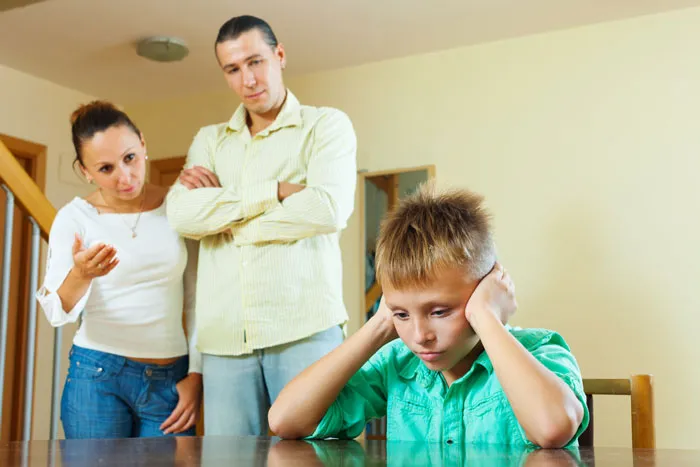
Another risk that parents take when they’re too critical of their kids is the possibility that they will eventually want to go no contact with their parents. There has actually been a growing trend of adult children cutting off their mother and father due to how they’ve been treated.
Rin Reczek, a sociologist at Ohio State University and author of Families We Lose: A New Explanation for Family Estrangement, told the Wall Street Journal that “there is a cultural clash happening right now between the meaning and dynamics of family.”
Older generations grew up in a culture of “compulsory kinship,” where they were bound to their family members for life. Their adult children, however, have grown up in a different world. And now, many of them don’t feel obligated to keep in touch with their relatives if they don’t want to.
A 2025 YouGov survey found that 38% of Americans are estranged from at least one family member, and 16% are estranged from at least one of their parents. Meanwhile, 39% of Americans who are estranged from a parent say they’re not open to the idea of reconciling with their mother and/or father.
As for why Americans are cutting off their parents, the most common reasons cited include manipulative behavior, lies or betrayal, abandonment or neglect, and personality conflicts.
It’s also common for the adult child’s sexuality to play a role, as nearly half of all LGBT+ adults in the UK are estranged from at least one family member. If their parents refuse to accept them for who they are, there's no reason for them to stay in touch.
At the end of the day, protecting their mental health is one of the most important things a person can do. And if that requires cutting off their parents, that’s a sacrifice many people are willing to make.
We would love to hear your thoughts on this situation in the comments below, pandas. Do you think the author made the right choice by exposing their parents? Feel free to weigh in, and then you can find another article from Bored Panda discussing similar family drama right here.
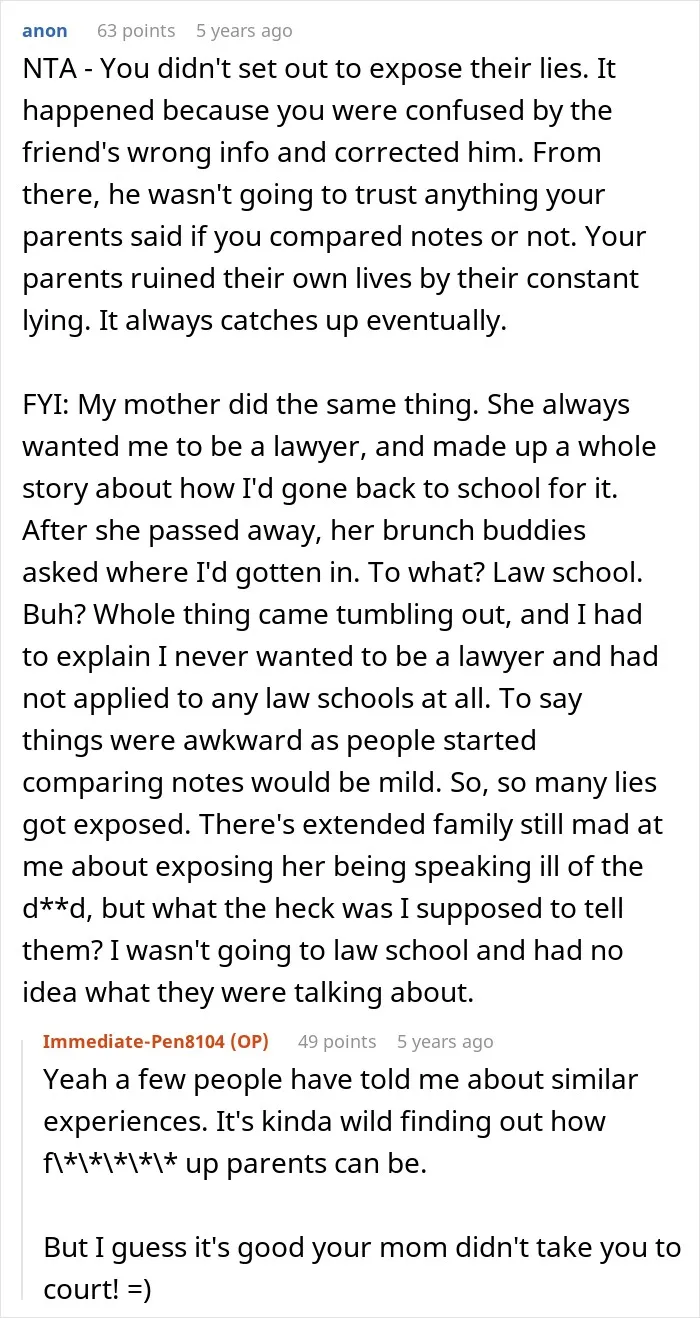
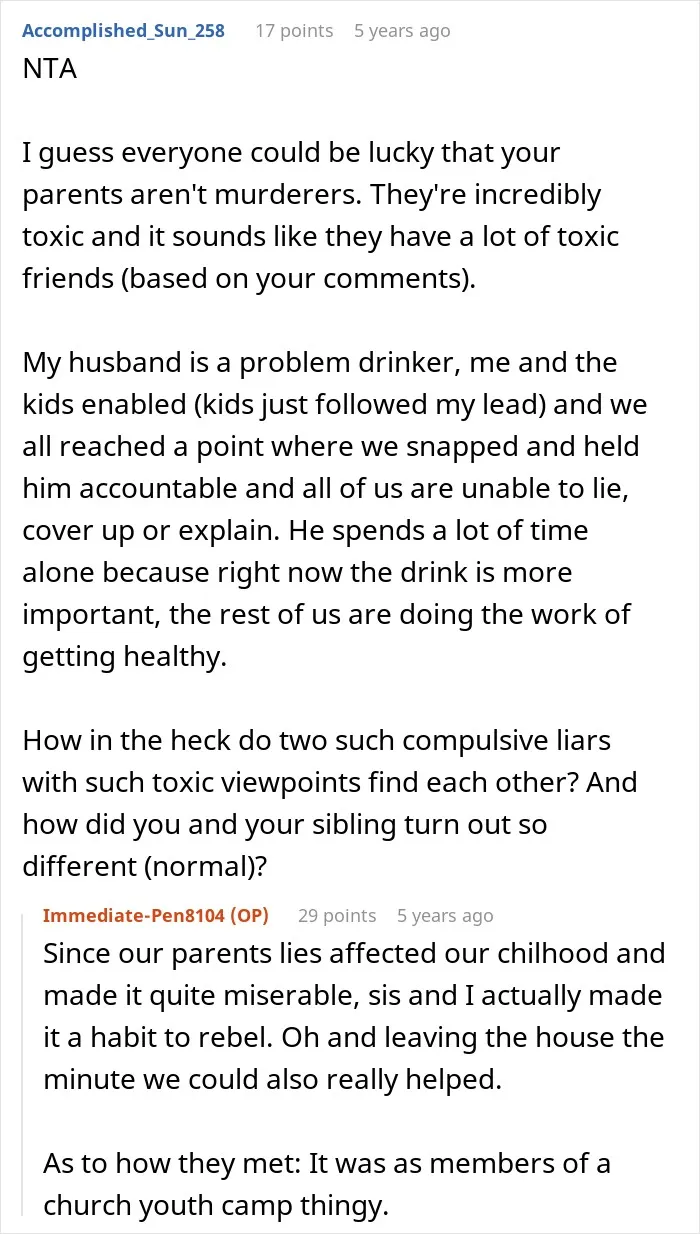
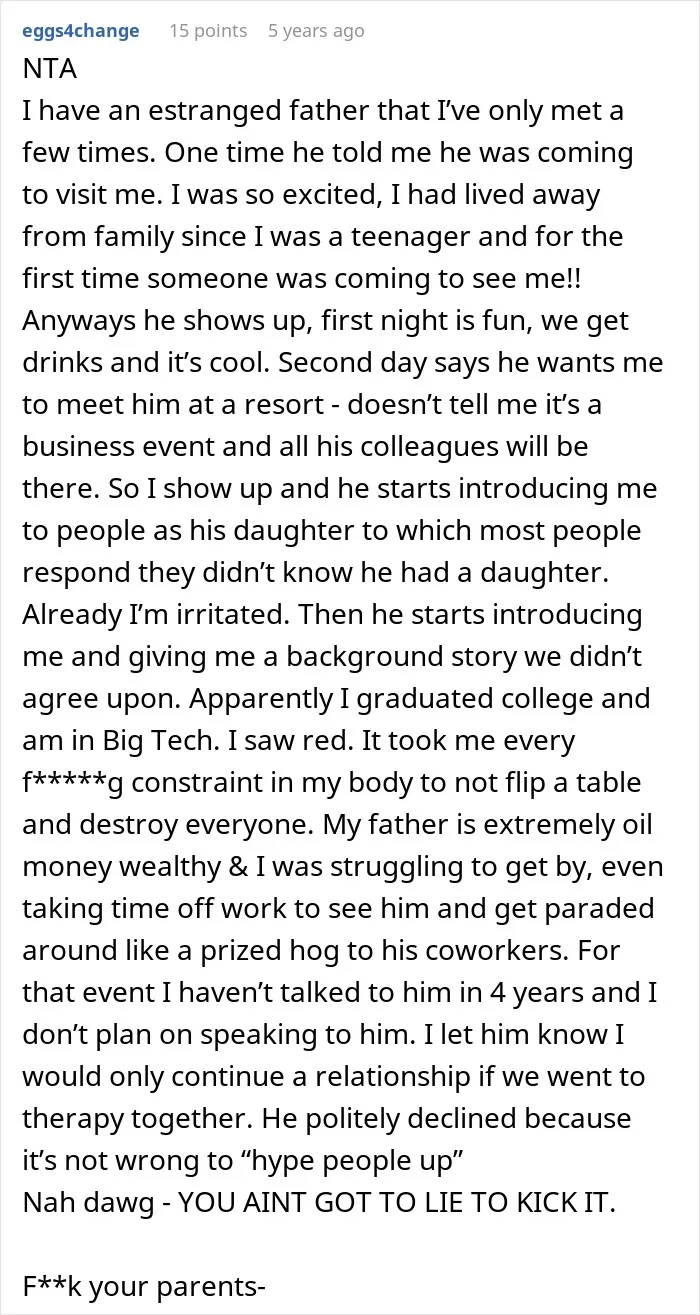
Many readers assured the author that he had done nothing wrong, and he joined in on the conversation to share more details
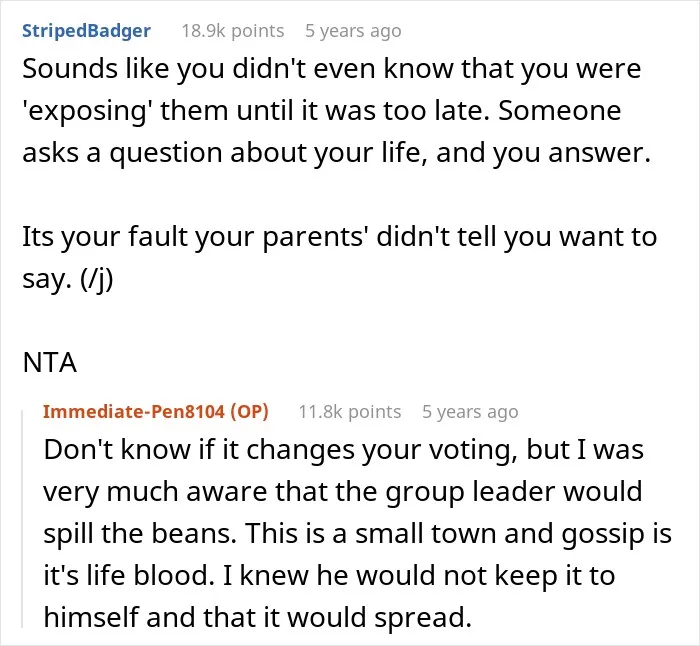
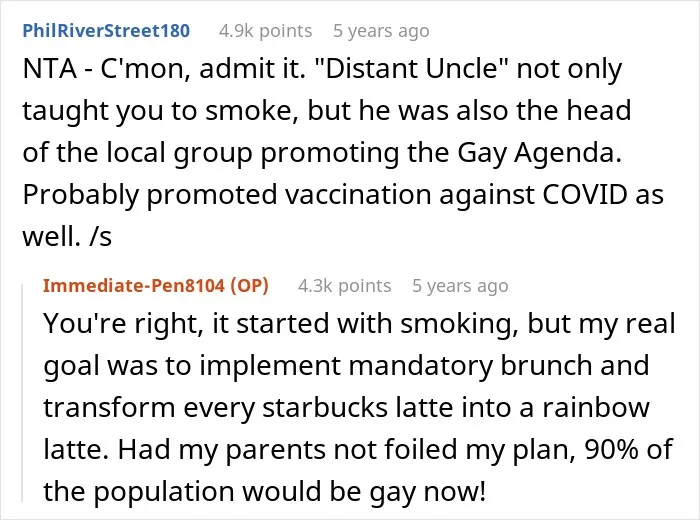
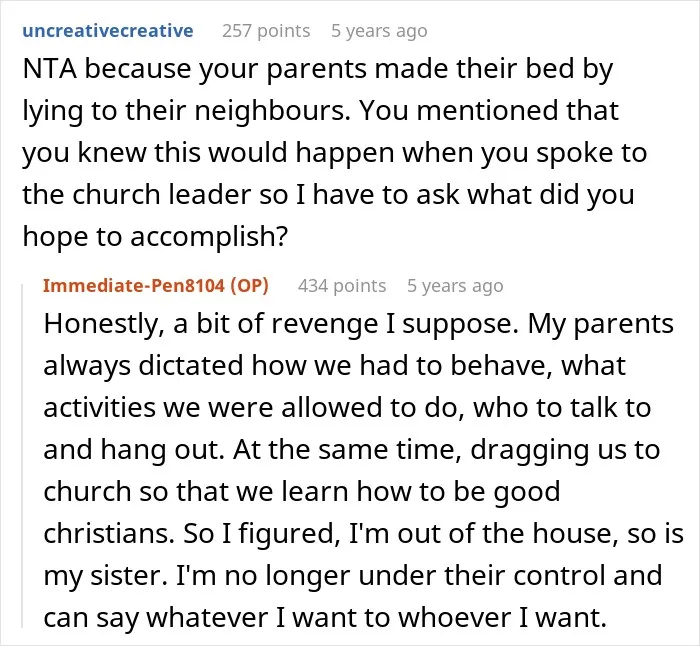
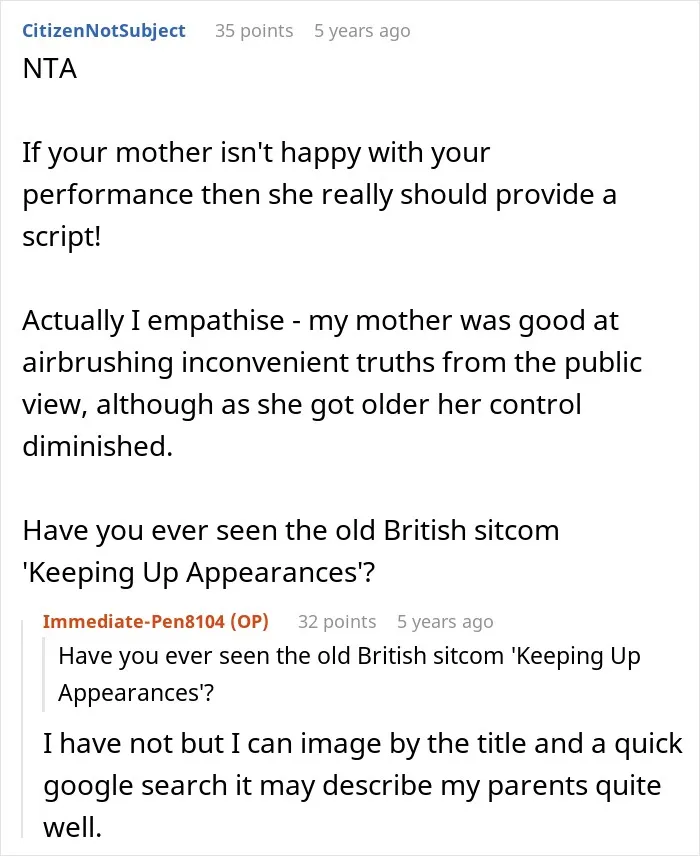
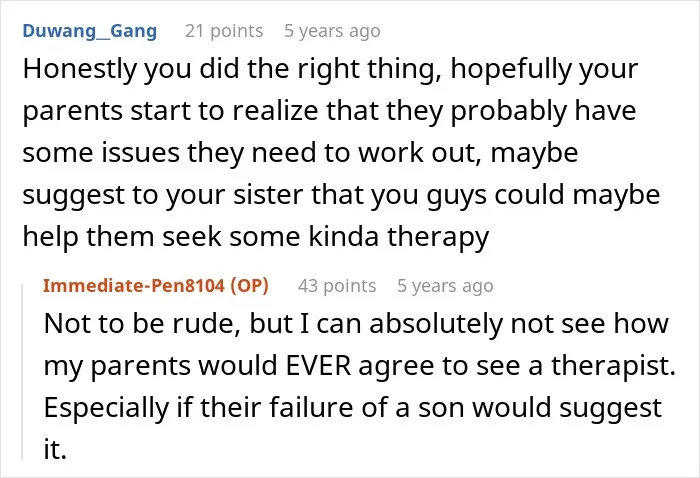






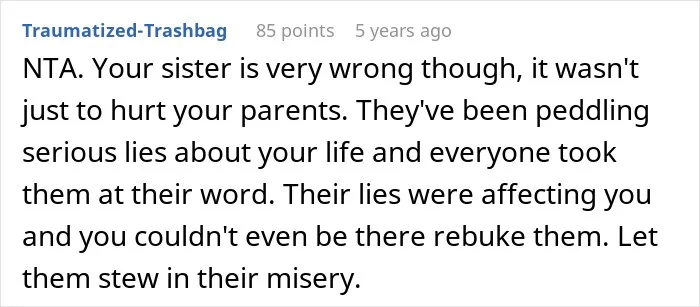
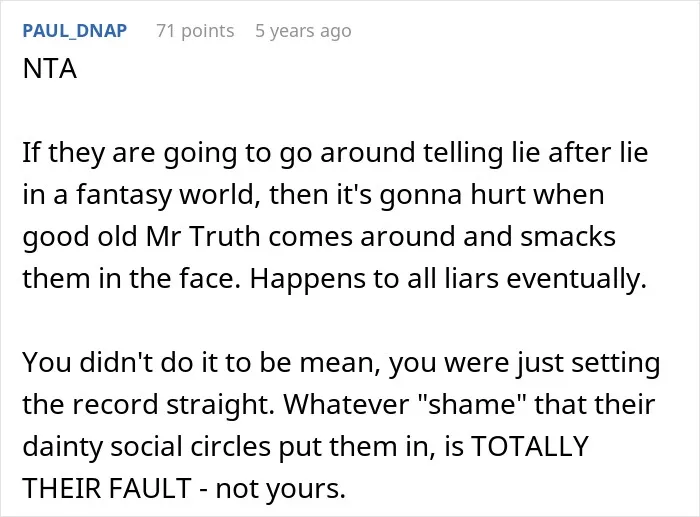
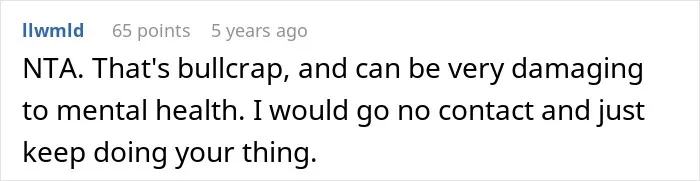
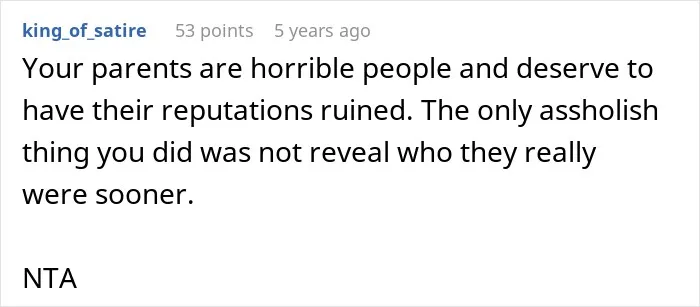
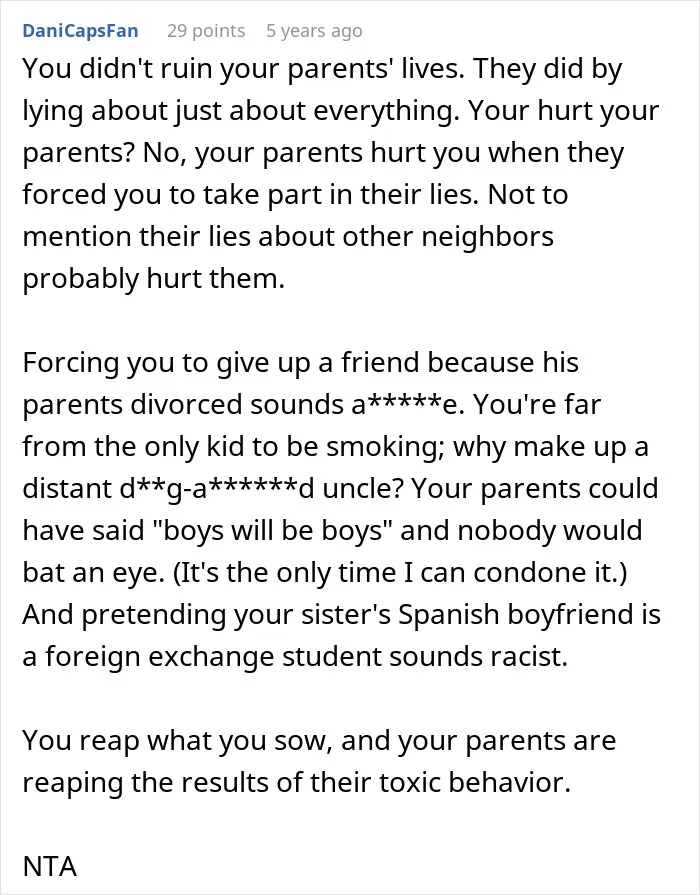
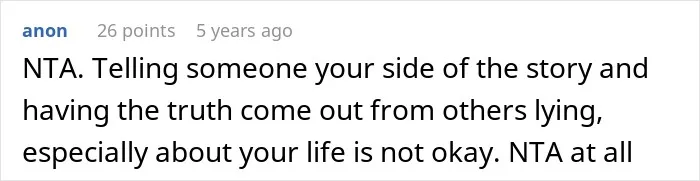
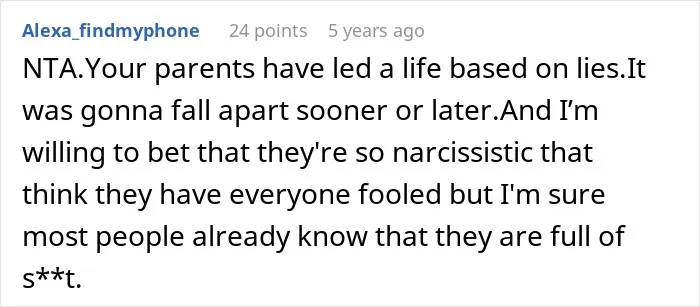
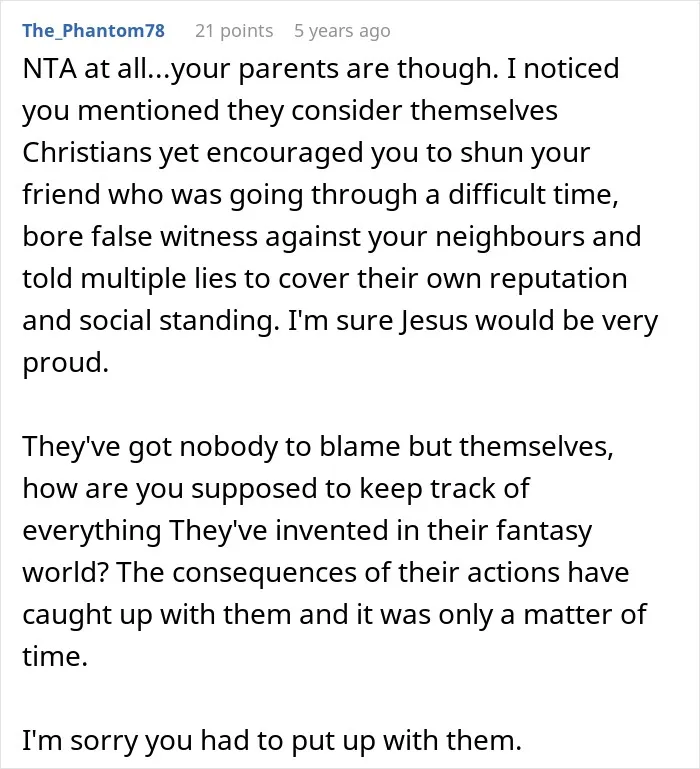
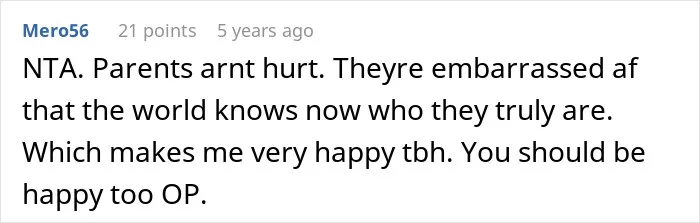
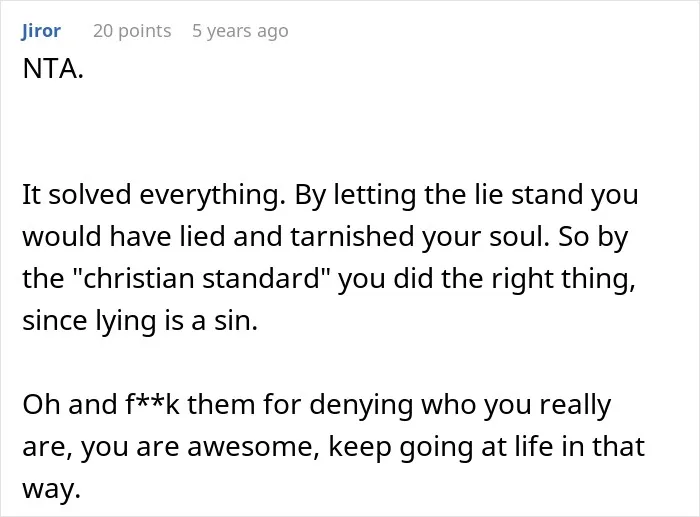
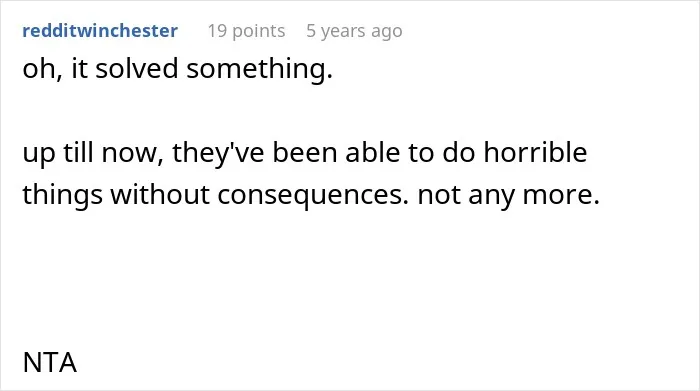
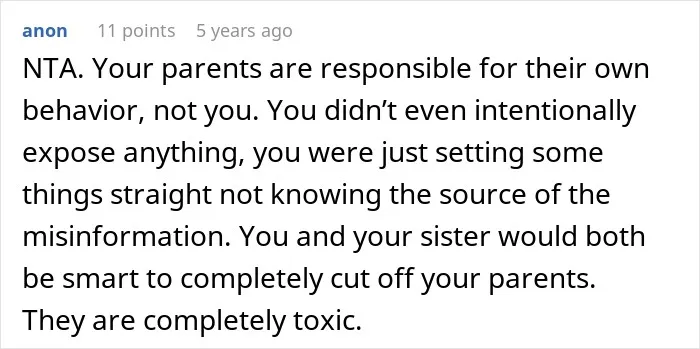
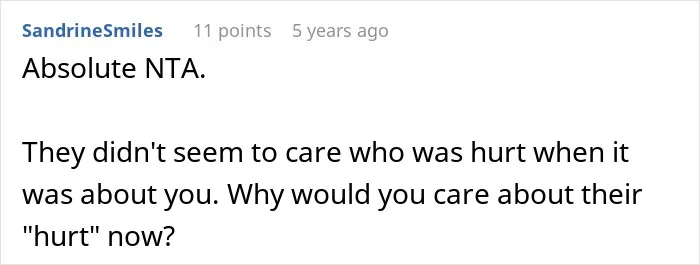
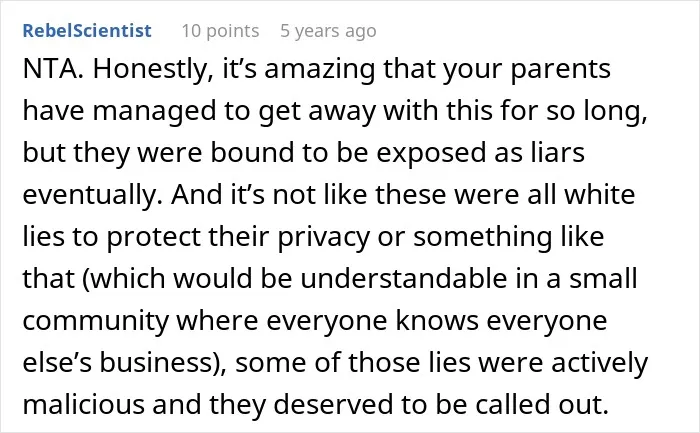
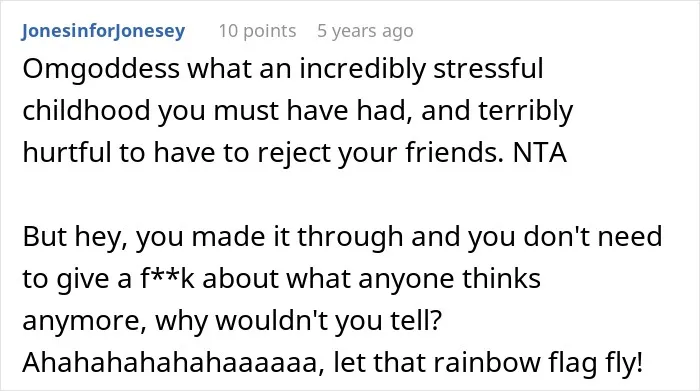
Some even had similar stories of their own to share