




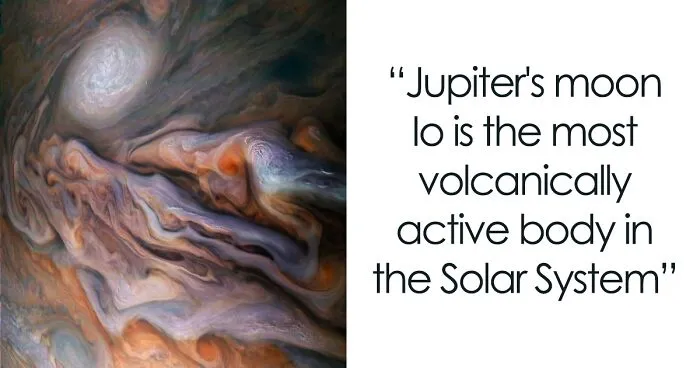


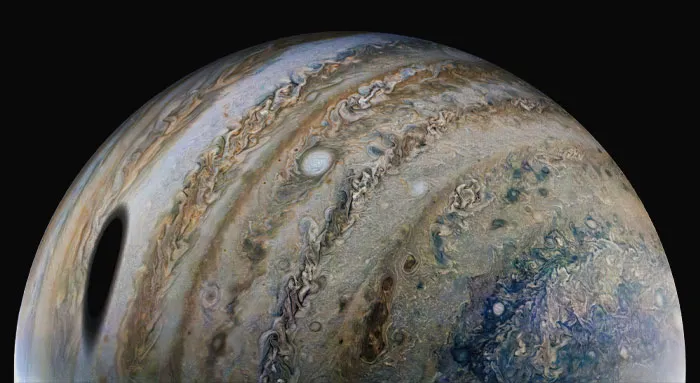
#21 If You Weigh 40kg (88lbs) Here On Earth, You'd Weigh 94kg (207lbs) On Jupiter
Report
16points
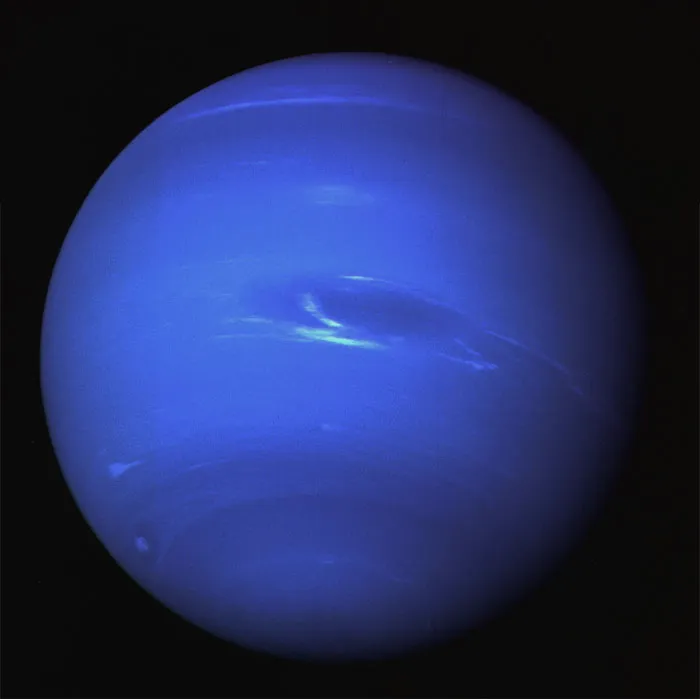
#22 There Could Be A Ninth, Giant Planet In Our Solar System
15points
#23 The Sun's Outer Atmosphere, The Corona Is Hotter Then The Sun's "Surface" (Photosphere)
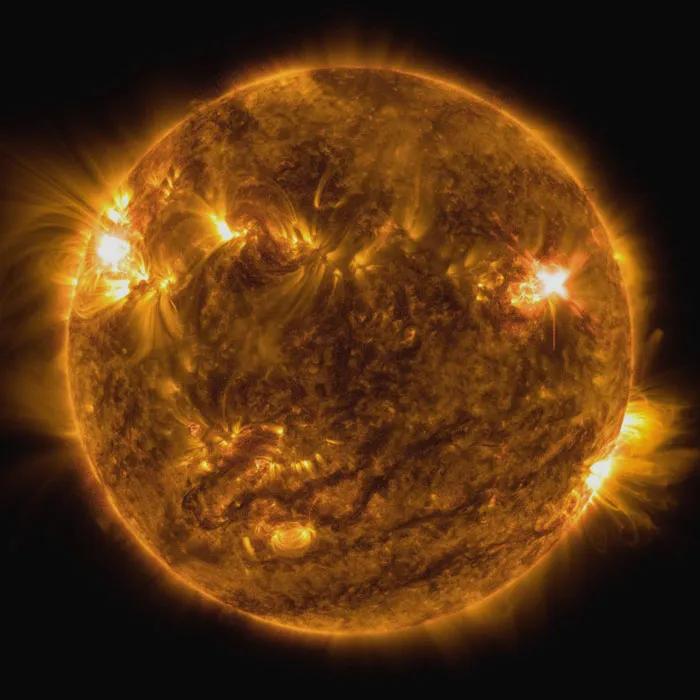
The Sun's core reaches 15 million °C, the photosphere reaches only 5500 °C, while the corona can reach up to 2 million °C.
Report
15points
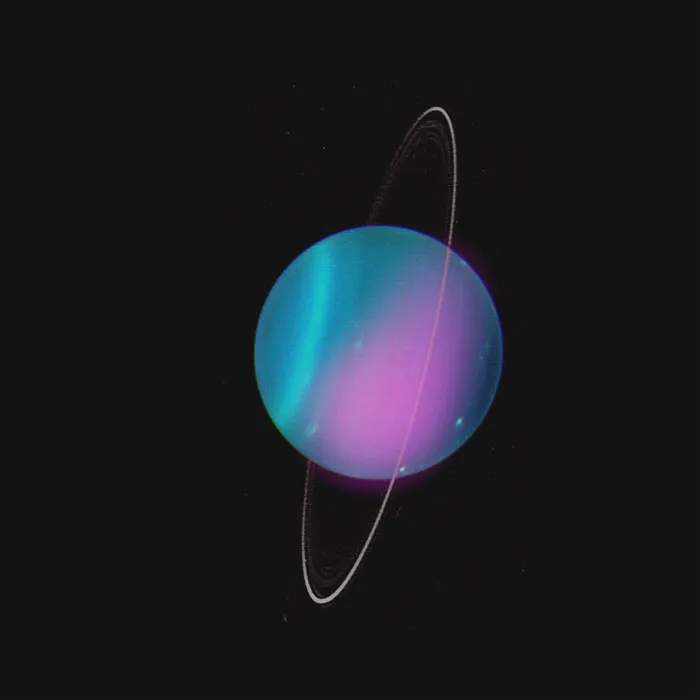
#25 Uranus Was The First Planet Discovered With An Aid Of A Telescope
Report
15points
#26 There Is More Than 130 Million Space Debris Objects
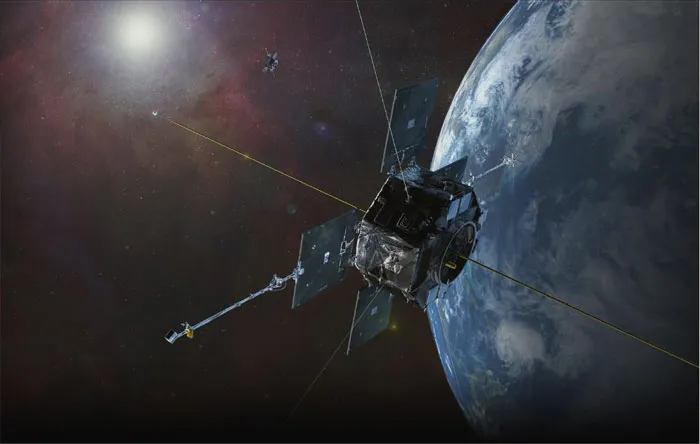
36500 space debris objects greater than 10 cm.
1000000 space debris objects from greater than 1 cm to 10 cm.
130 million space debris objects from greater than 1 mm to 1 cm.
15points
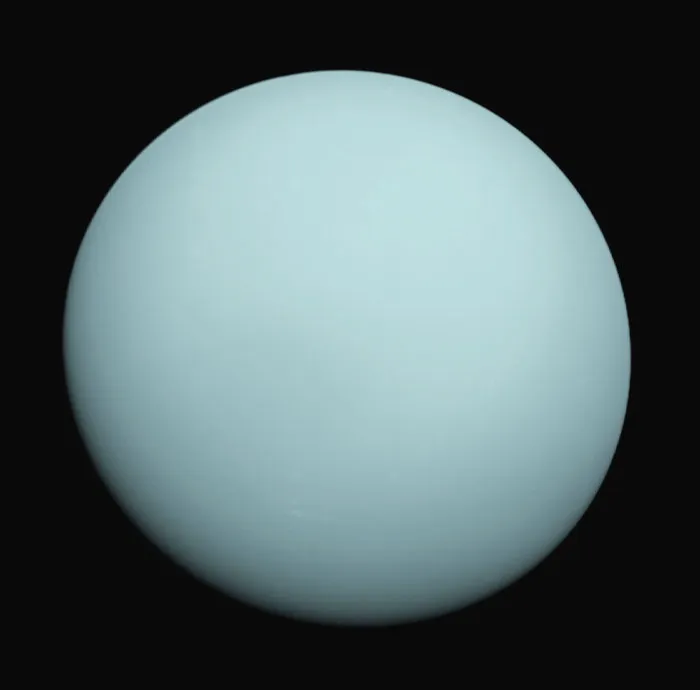
#28 Temperatures On Uranus Can Get As Low As -224.2 Degrees Celsius
Report
15points
#29 Mars Has The Largest Volcano In The Solar System, Olympus Mons
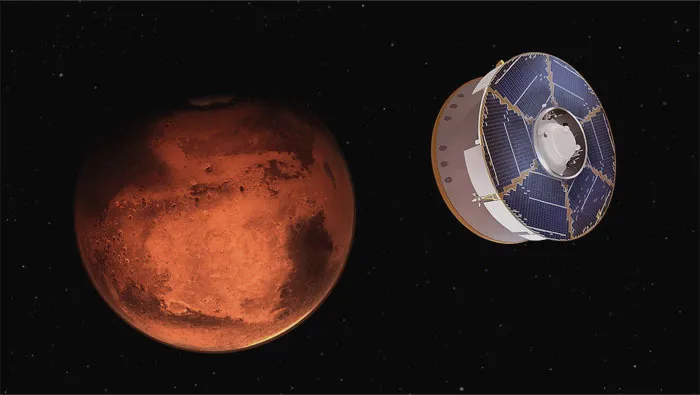
It's three times taller than Earth's Mt. Everest with a base the size of the state of New Mexico.
Report
14points
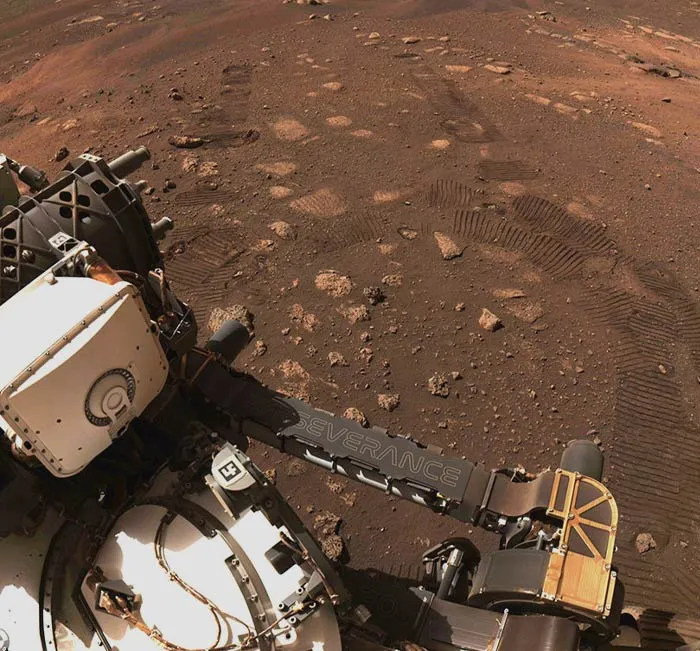
#30 Mars Colour Is Due To The Iron-Rich Dust Covering The Surface
Report
14points
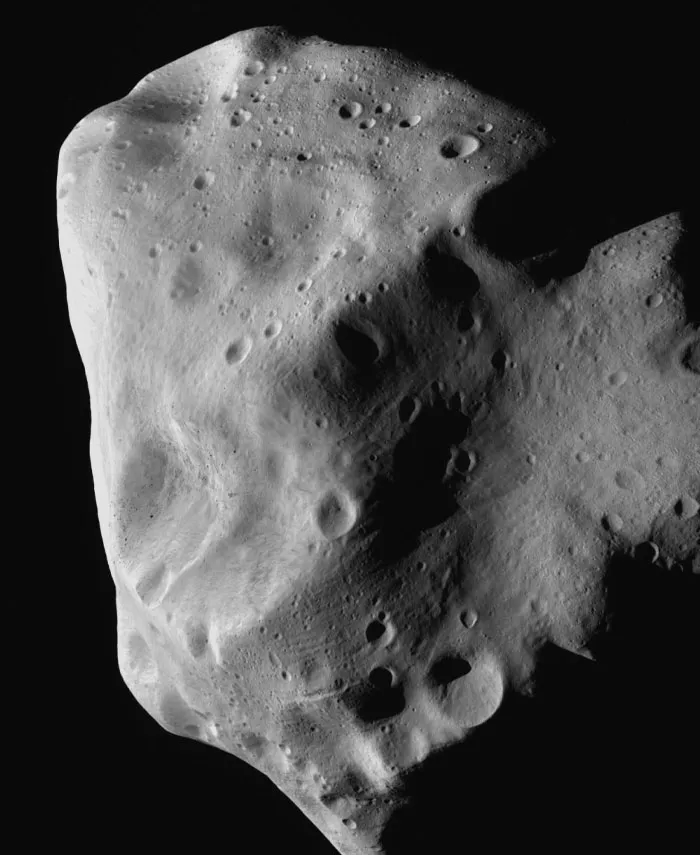
#31 Asteroids Are Leftovers From The Formation Of Our Solar System
Report
14points
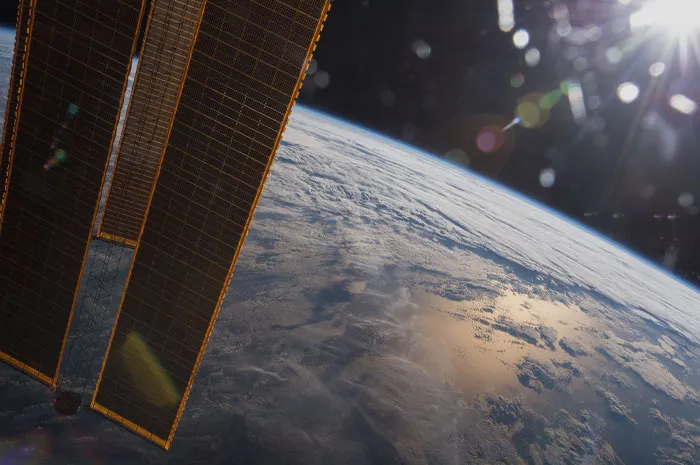
#32 There Is More Than 10100 Tonnes Of Space Objects In Earth's Orbit
14points
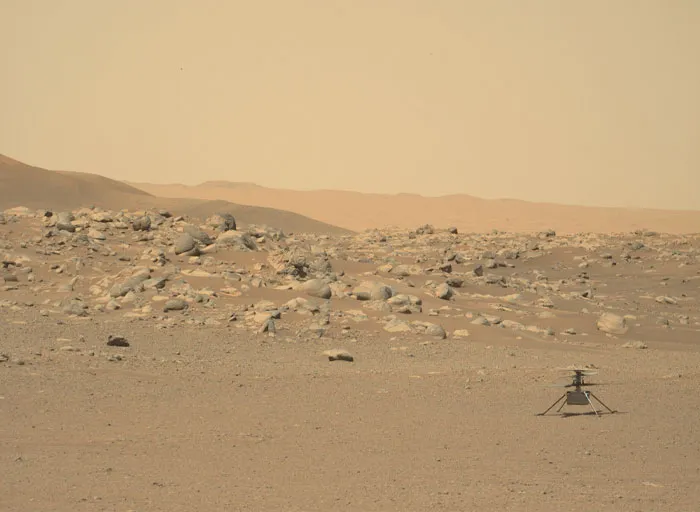
#33 Mars' Canyon Is 7 Times Larger Than Earth's Grand Canyon
Report
13points
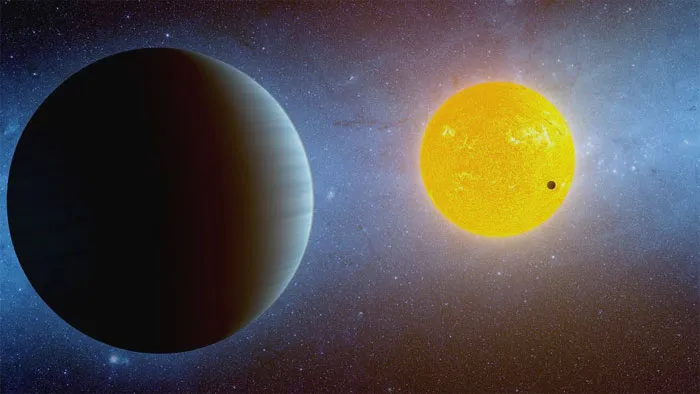
#34 Every Planet In Our Solar System Has At Least A Tiny Bit Of Water In Different Forms
Report
13points
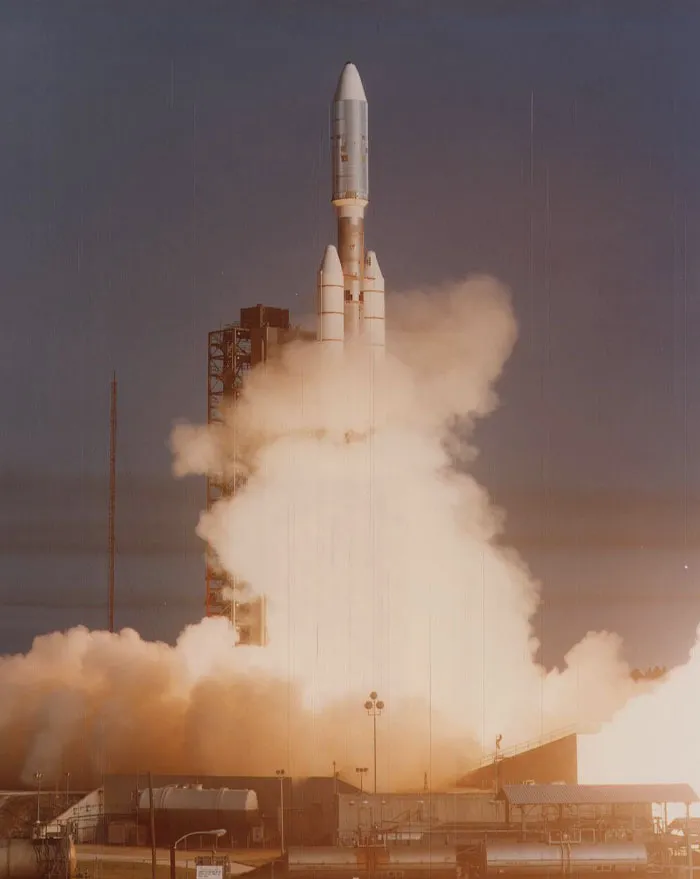
#36 Uranus Spins Sideways
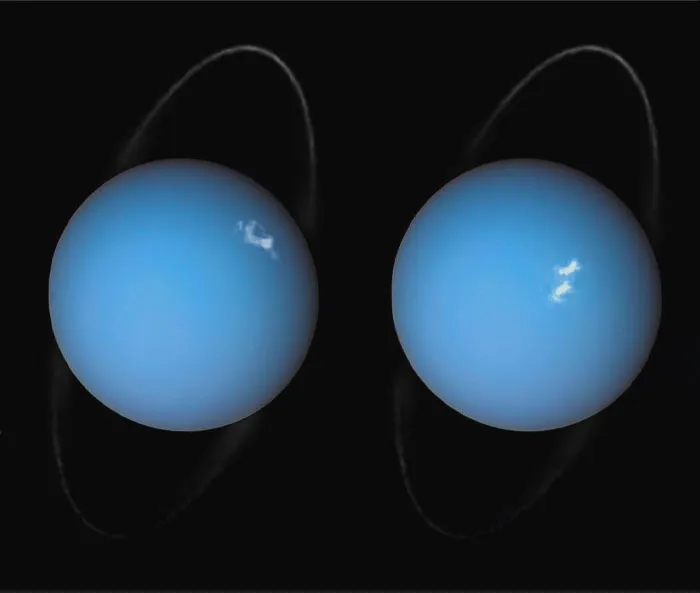
It rotates at a nearly 90-degree angle from the plane of its orbit.
Report
12points
#37 Mercury Is The Smallest And The Closest Planet To The Sun In Our Solar System
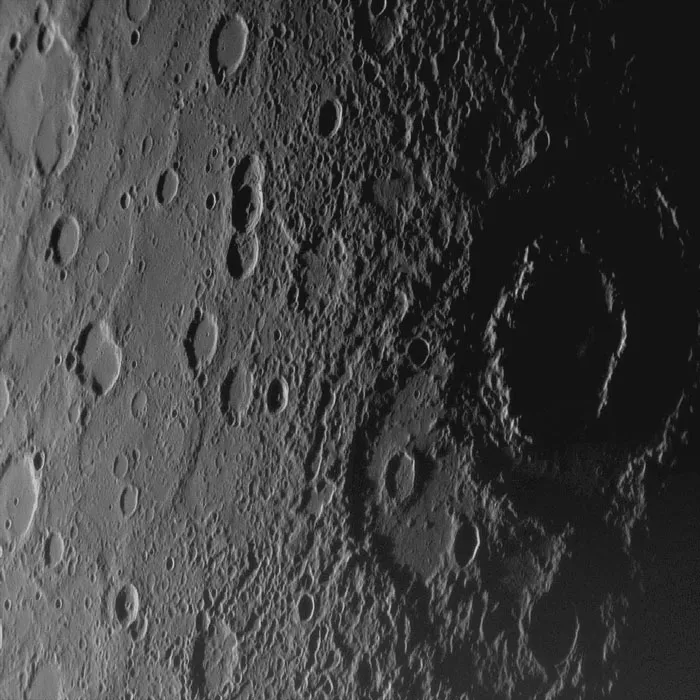
With a radius of 1,516 miles (2,440 kilometers), Mercury is a little more than 1/3 the width of Earth.
From an average distance of 36 million miles (58 million kilometers), Mercury is 0.4 astronomical units away from the Sun.
Report
12points
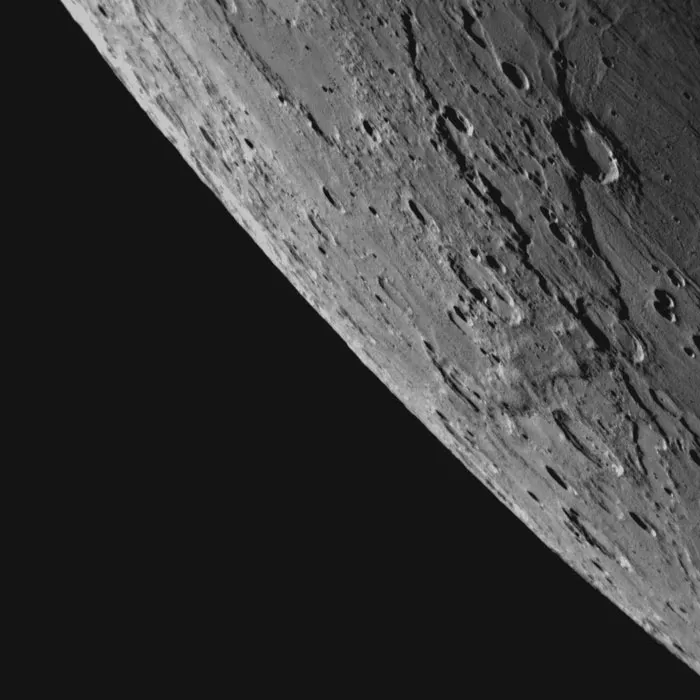
#38 One Day On Mercury Is About 59 Earth Days, And Mercury's One Year Equals Earth's 88 Days
Report
12points
#39 The Solar System Is Incredibly Big
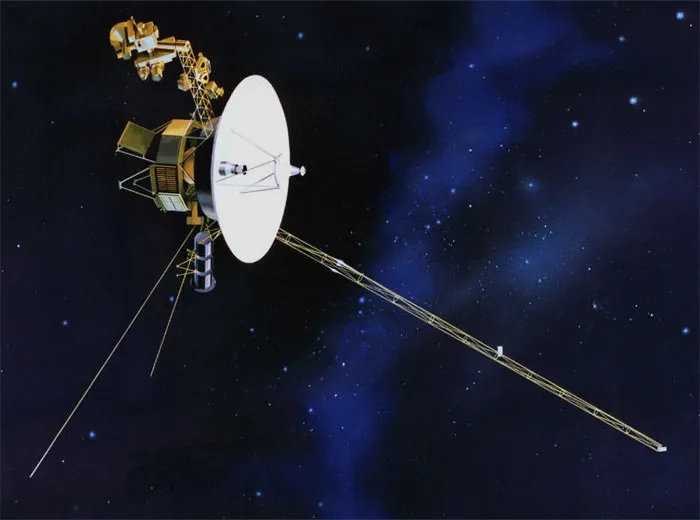
The average distance between the Sun and Pluto is 5,913,520,000 km.
11points
#40 Saturn's Moon Iapetus Is Called Yin And Yang Of Saturn Because Of Its Hemisphere
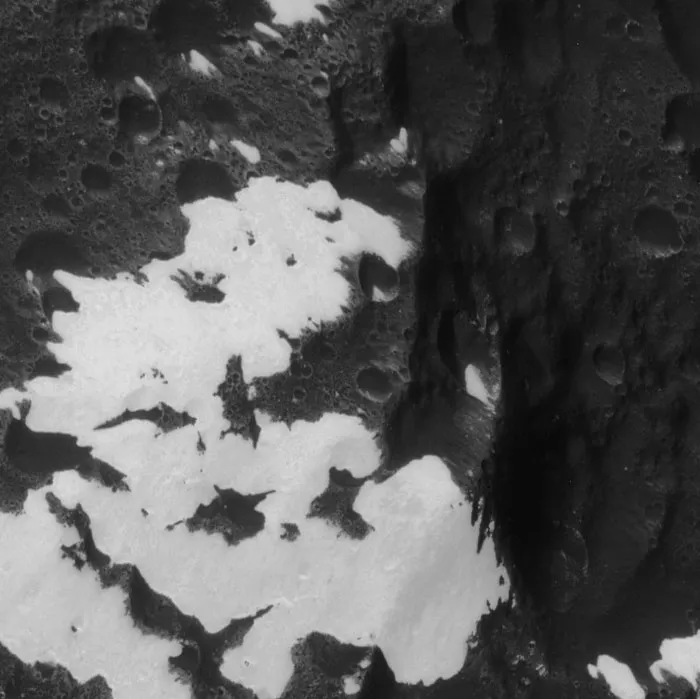
The leading hemisphere has a reflectivity (or albedo) as dark as coal (albedo 0.03-0.05 with a slight reddish tinge) and its trailing hemisphere is much brighter at 0.5-0.6.
Report
11points


