



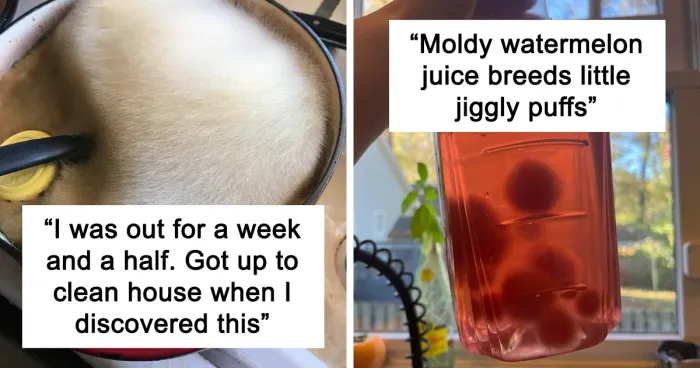


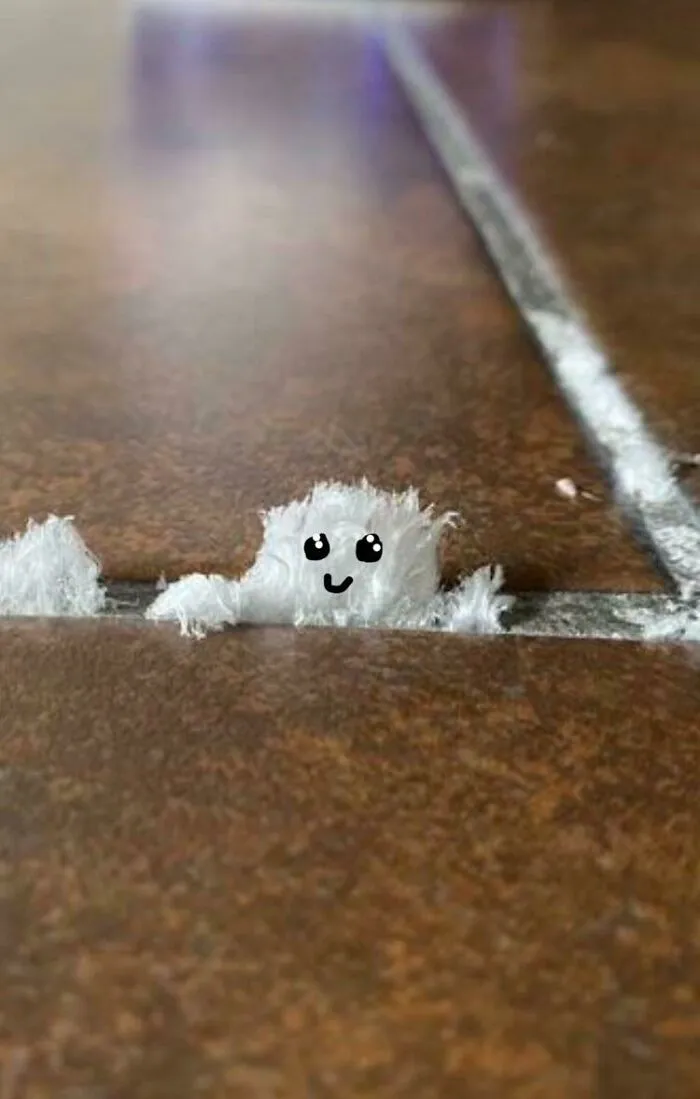
We also asked the Australian biologist about how molds contribute to the natural environment, including their roles in decomposition and nutrient cycling. Here's what she told us: "Molds (and other fungi) play a crucial role in nature. They are capable of decomposing organic matter, such as fallen leaves and trees, which can be challenging due to the presence of hard-to-break-down cellulose in plants. They recycle nutrients and essential building blocks back into the soil and the environment, making them available for plants to use again. Imagine if fallen plant matter never broke down, or if the soil ran out of nutrients for plants."
#22 I Clean Up Mold For A Living, This Is Some Of The Worst I’ve Ever Seen

#23 I Work In A Plant Tissue Culture Lab. Contamination Sucks, But Sometimes It’s Beautiful!

#24 My Friend Left Some Rice In This Pot And Put It In The Back Of Her Cupboard. This Is What She Found Yesterday

Lastly, Anita added: "Modern medicine greatly benefits from some types of mold. For example, without molds from the Penicillium genus, we wouldn't have the highly effective antibiotic penicillin, which has saved millions of lives. Just like with animals and plants, the key with molds and other fungi is to be aware of which ones are potentially harmful without creating unnecessary fear or phobia towards all of them. Each has its place and role to play, but preferably not inside your home!"
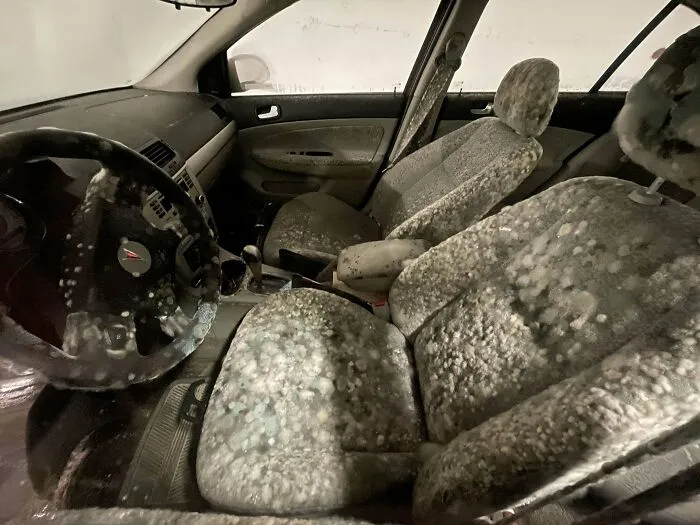
#26 Heard You Guys Would Enjoy This Here, Car Parked Next To Me, Hasn’t Been Moved In Months, Took A Look Inside…


#30 Forgot About A Can Of Wolf Brand Chili In Back Of Fridge And The Mold Growing Looks Like Wolf Hair


#32 The Previous Tenant Never Mentioned To Their Landlord That The Toilet Upstairs Was Leaking For 3 Years


