



Dystopian fiction features technology more advanced than contemporary society, with the group in power controlling it. This advanced technology serves as a t**l for oppression rather than liberation. Society presents an illusion of a perfect utopian world. What appears on the surface to be an ideal society reveals deep flaws and oppression beneath.
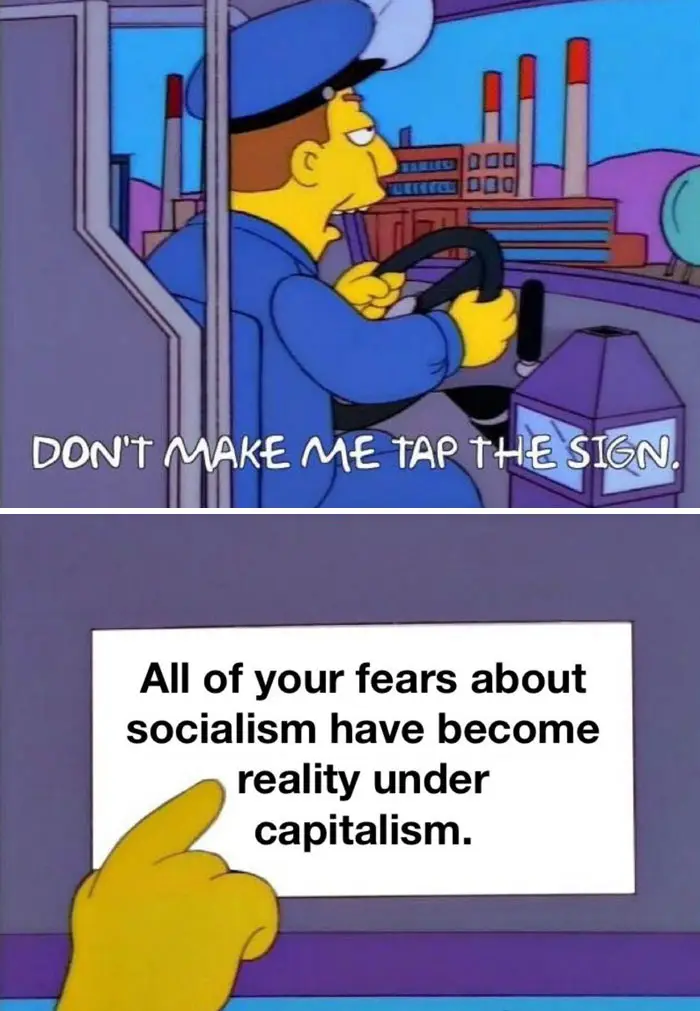

Dystopias, through exaggerated worst-case scenarios, present criticism of current trends, societal norms, or political systems, and typically reflect contemporary sociopolitical realities. Dystopian fictions invariably reflect the concerns and fears of their creators' contemporaneous culture.
The power of dystopian fiction lies in its ability to serve as cautionary tales, warning societies about potential futures if certain trajectories continue unchecked. By understanding both the origins of the term and its defining characteristics, we can better appreciate how dystopian narratives function as mirrors reflecting our deepest anxieties about power, technology, freedom, and human nature.