





We all know that dogs are highly loveable creatures - how else could they've conquered us as the human race to love them, feed them, and take them on adventures. And while our adorable four-legged pals achieve all this primarily by being irresistibly cute, they won't have gotten this far without some sort of intelligence set in their snack-oriented craniums. And though you might think that YOUR dog is the brainiest, there's a science-proven list of the smartest dog breeds. So, let's see what makes a breed intelligent and how it is evaluated.
A dog's intelligence is measured by their ability to acquire new information, store it in their memory, learn new behaviors, and mix and match the things they've learned to use in new situations. Basically, the same as with us, the biped owners. Studies also suggest that dogs are capable of emotional intelligence and have complex feelings like jealousy and anticipation. As for the smartness evaluation process - it's all about the speed of learning new things and obeying faultlessly. For example, top dogs bred for work tend to remember commands only after five repetitions and comply with orders 95 percent of the time.
So now that we know what makes smart dogs the way they are, let's see if your adorable puppy is on the list of the most intelligent dog breeds. Scroll down below to meet the top pups, share this article with your canine-loving friends, and tell us about your smart dogs!
#21 Shetland Sheepdog
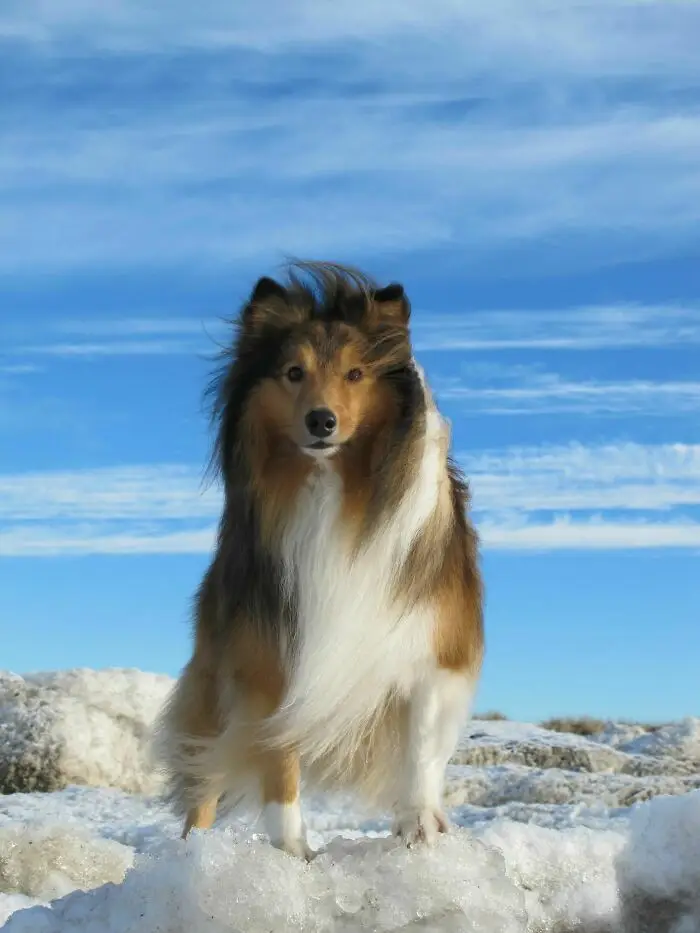
The Shetland Sheepdog, also known as Sheltie, is a herding dog breed. And as with everything that comes from the Scottish Shetland Islands - ponies, cattle, and sheep - Shelties are diminutive in their size but hardy in their disposition. It's a common misconception that Shetland Sheepdogs are a smaller version of the Rough Collie, when in fact, Shelties are more related to Spitzes than any other breed. Individuals of the Shetland Sheepdog breed are highly intelligent, learning new commands after less than five repetitions. Shelties are also incredibly loyal, affectionate, and gentle - qualities perfect for therapy dogs.
Report
73points
#22 Vizsla
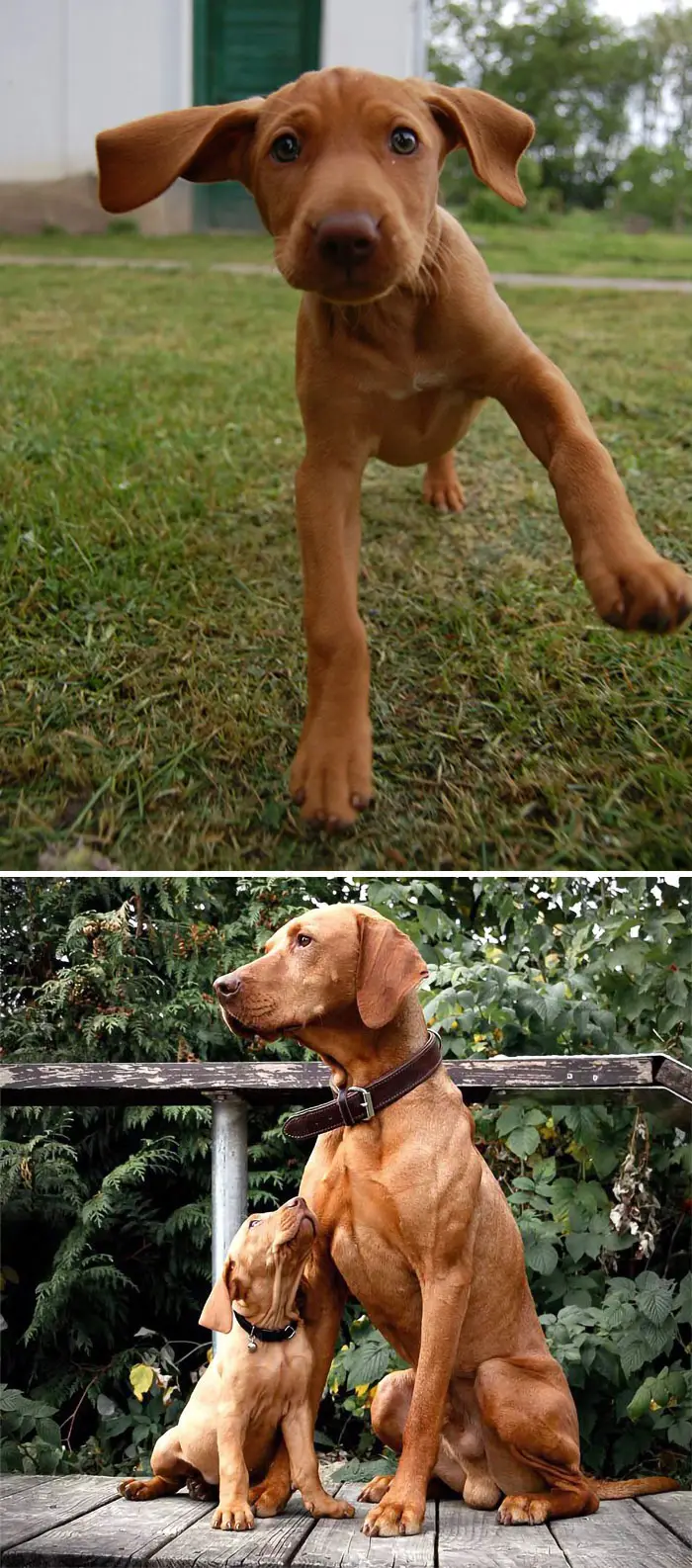
The Vizsla, another dog from Hungary on our list, is a hunting dog breed first officially mentioned as early as 1357. This breed's lively, gentle-mannered, intelligent, and sensitive temperament makes them great companions and family pets. Vizslas thrive on attention, exercise, and interaction, thus needing a lot of mental stimulation, especially when young. However, with proper training and socialization, this breed is very gentle and careful with kids, though a supervising adult should always be present as with any other dog breed. In addition, Vizslas like to spend as much time as possible with their owners. Even when sleeping, they often try to get cozy under the covers in their owner's bed.
Report
72points
#23 Puli
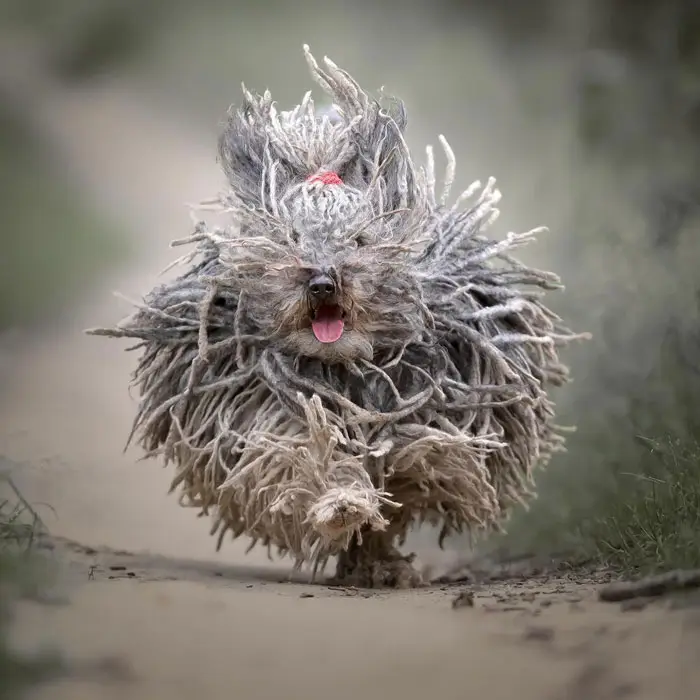
The tough little cord-haired Puli comes from Hungary, where it was bred for herding and livestock guarding duties. Though their dense, thick coats give a deceptive image of Pulik being stocky and clumsy, they're actually very agile, highly energetic dogs suitable for many activities and sports. Known for their loyalty, obedience, determination, and intelligence, Puli make great contenders in agility, obedience, herding, and many more events. Though many owners are tempted to own such a fun-loving puppy, Pulik feel the best when spending most of their time outside, engaged in various activities. If kept in small apartments with little exercise, they grow restless and hyperactive, or instead, lazy and aloof.
Report
71points
#24 Weimaraner
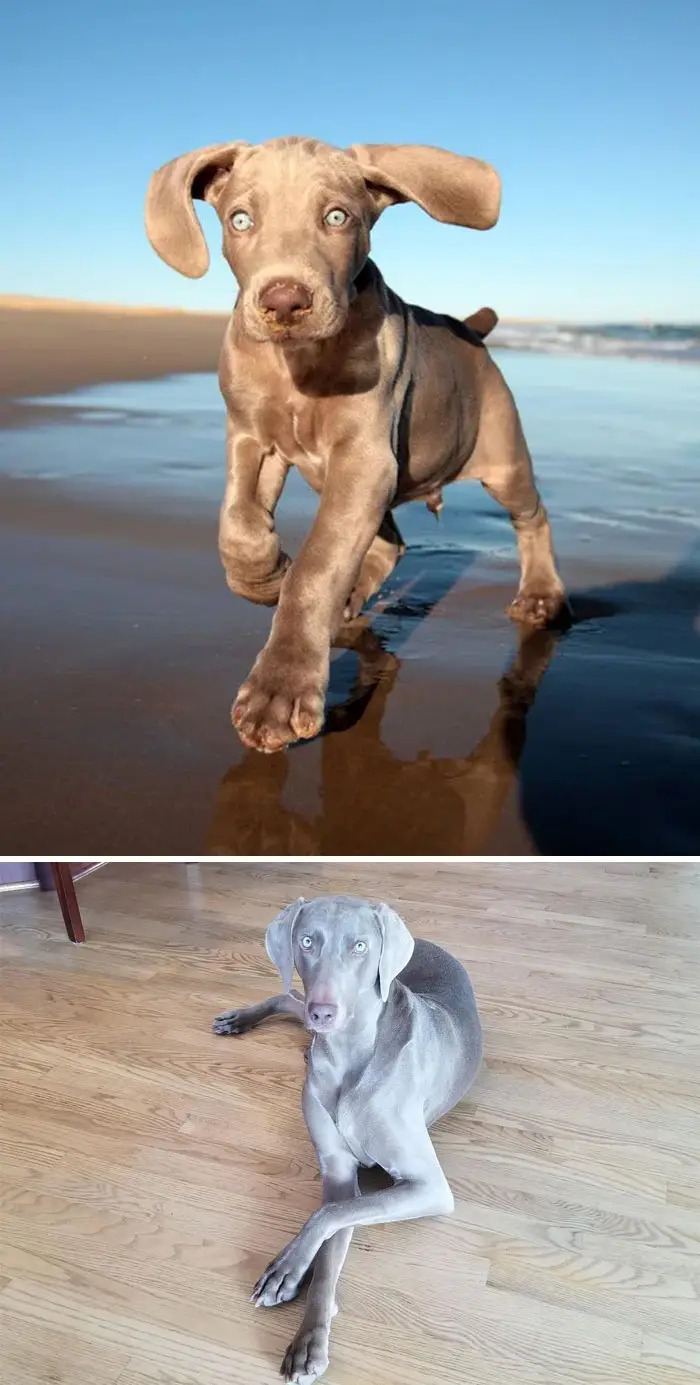
The Weimaraner, a gun dog breed developed in the early 19th century in Germany, was favored by royalty for its stunning looks, athleticism, and intelligence. Once used to hunt big-game like wolves, bears, and mountain lions, they now excel in various dog sports. However, being highly energetic and intelligent, the Weimaraner needs proper training to learn how to be calm and control its high prey drive. In addition, this dog breed is very people-oriented and might develop severe separation anxiety if its needs are not met. But, overall, the Weimaraners make great, loyal, and obedient pets for active owners.
Report
67points
#25 English Cocker Spaniel
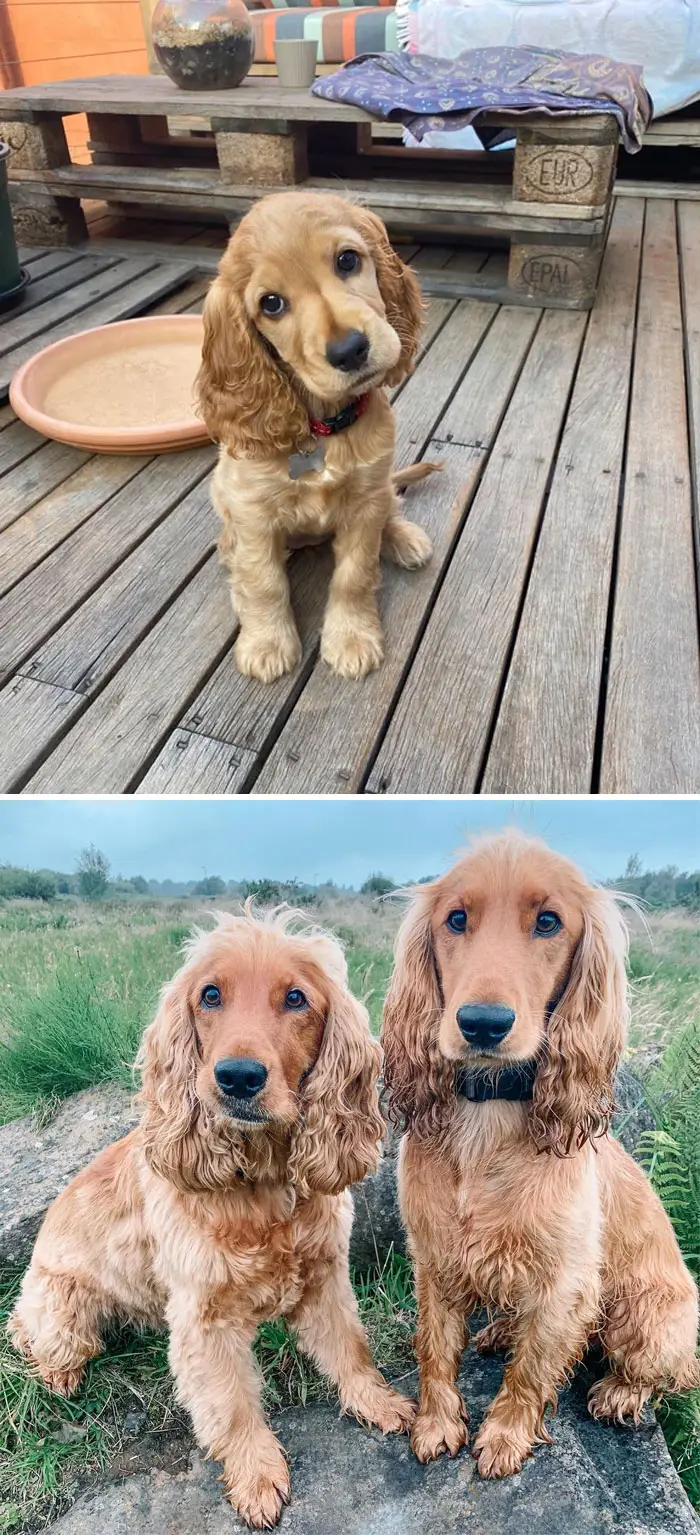
Spaniel-type dogs have been known for at least 500 years, although the first studbooks for the English Cocker Spaniel breed were registered much later in 1874. Bred to be a gun dog, the Cocker Spaniel soon gained popularity outside hunting for its intelligence, kindness, and athleticism. Also, Spaniels seem to be always wagging their tails out of happiness, thus earning them the nickname 'merry cocker.' Cocker Spaniels get along well with people, kids, and other pets but need a soft hand and loads of praise when trained. While they are excellent working dogs, the 'house'-bred Cockers also make for incredibly great family pets.
Report
61points
#26 Brittany Spaniel
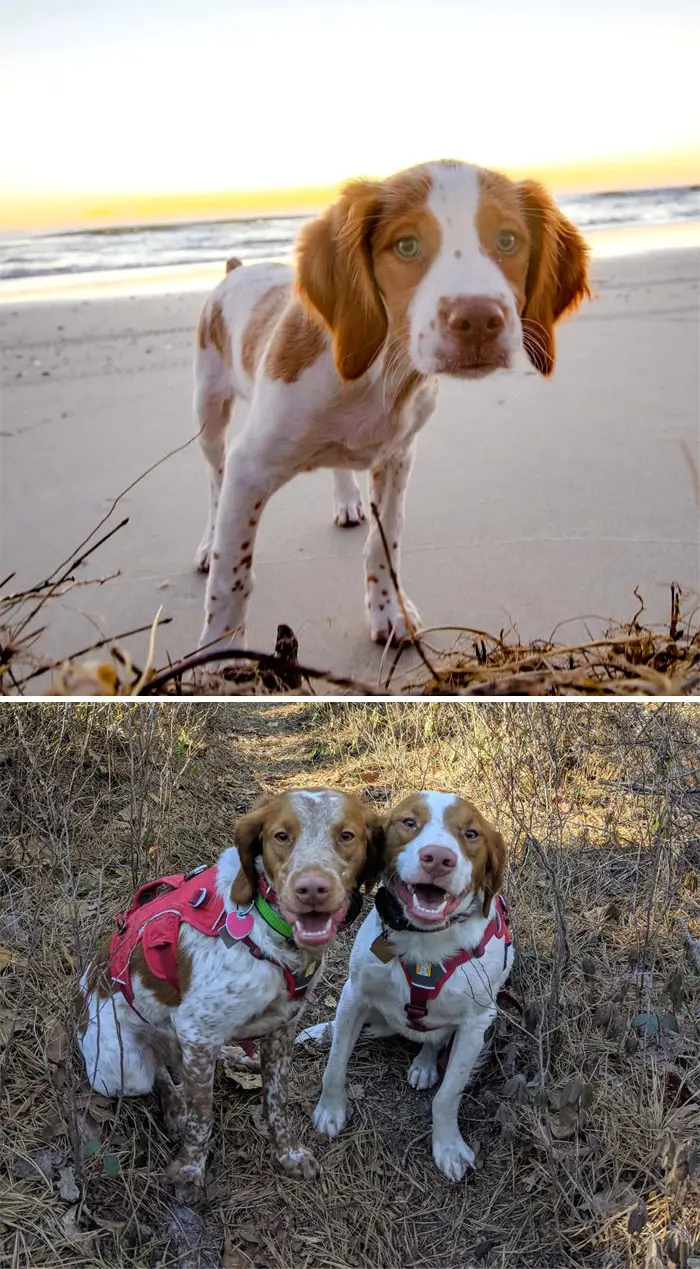
Brittany Spaniels, who aren't really spaniels but rather pointing and setting gun dogs, were developed in Brittany, a northwest province of France. Though tapestries dating the 17th-century depict Brittany-like dogs, this breed was officially recognized by the early 20th century. Brittanys are known for their easy-to-train and sweet-natured temperaments and are generally more sensitive to corrections than any other hunting dog breed. These dogs are highly energetic and need at least an hour of vigorous exercise daily. If their activity levels are met, they are the perfect family dogs - always friendly and willing to please.
Report
59points
#27 German Shorthaired Pointer
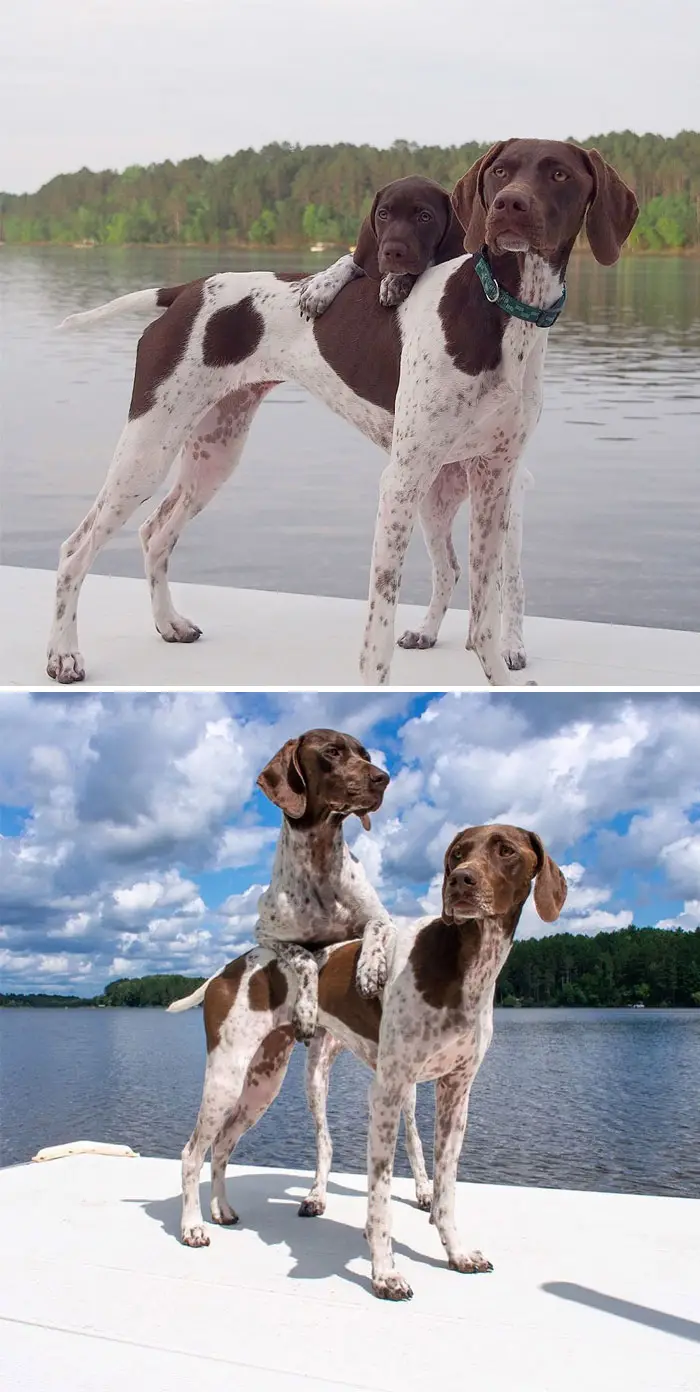
The German Shorthaired Pointer is a versatile hunting dog breed developed in the 19th century in Germany. Though this breed retains a strong drive to find and chase prey, their high trainability and energy levels make them great contestants in various dog sports. Although the German Shorthaired Pointers are commonly known to be intelligent, boisterous, and a little bit eccentric, the temperament of these dogs can be affected by heredity, training, and socialization. These Pointers do need a copious amount of exercise and can develop destructive behavior tendencies if not given an appropriate amount.
Report
58points
#28 Himalayan Sheepdog
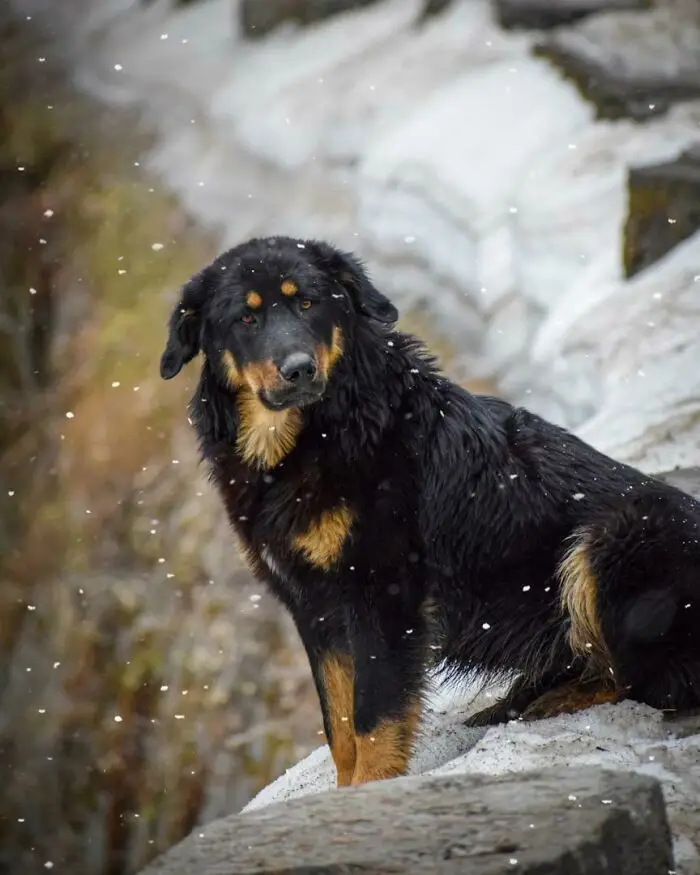
The Himalayan Sheepdog, also sometimes called Himalayan Mastiff, is primarily used as a livestock and property guardian, also assisting in herding and hunting. This large breed dog makes a great companion, being very affectionate and loyal. But, because the Himalayan Sheepdog is a very active breed, they aren't suitable to live in an apartment - these dogs need daily fulfillment of their strong wanderlust. In addition, Himalayan Sheepdogs take their role as family protectors very seriously; thus, they can become quite ferocious without proper training.
Report
54points
#29 Chesapeake Bay Retriever
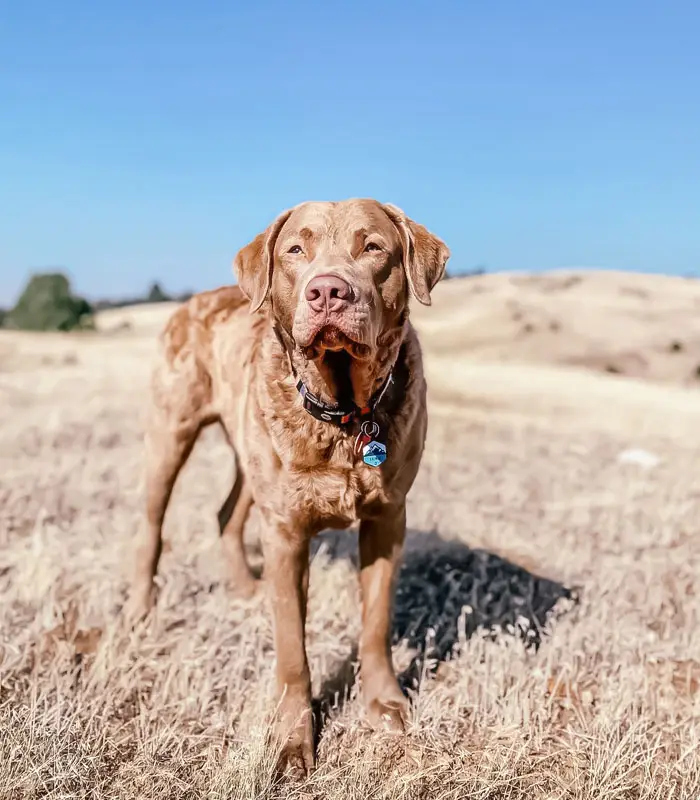
The Chesapeake Bay Retriever, developed in the United States during the 19th century, was historically used for hunting, pulling fishnets, and rescuing fishers. This breed is known for its happy disposition, intelligence, and affection towards people. Some dogs tend to be quite vocal when happy, and some will 'smile' in a peculiar grin typical to the Chesapeake Bay Retrievers. In addition, due to their intelligence and high trainability, this breed excels in various activities like hunt tests, obedience, agility, and tracking. All in all, this breed is a perfect pet for active families looking for an affectionate dog.
Report
53points
#30 Flat Coated Retriever
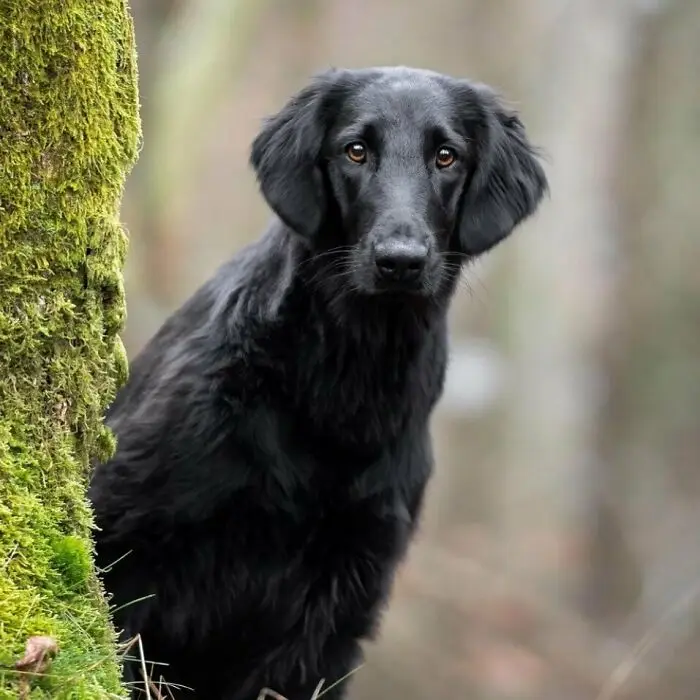
Originating in the mid 19th century in England, the Flat-coated Retriever quickly gained its popularity as a gun dog. However, this breed's desire to please its owners, vitality, and confidence makes it a perfect family dog. As loving as they are, Flat-coated Retrievers are good companions to children, though as with any other dog, an adult should always supervise these interactions. Their excellent sense of smell allows them to work as drug-sniffer dogs, while their intelligence and warm disposition make them suitable for guide and therapy dog roles.
Report
53points