

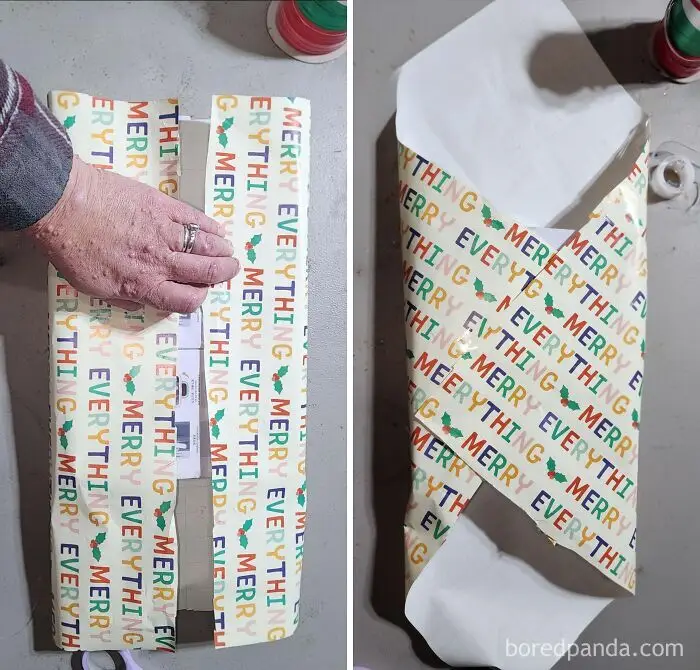
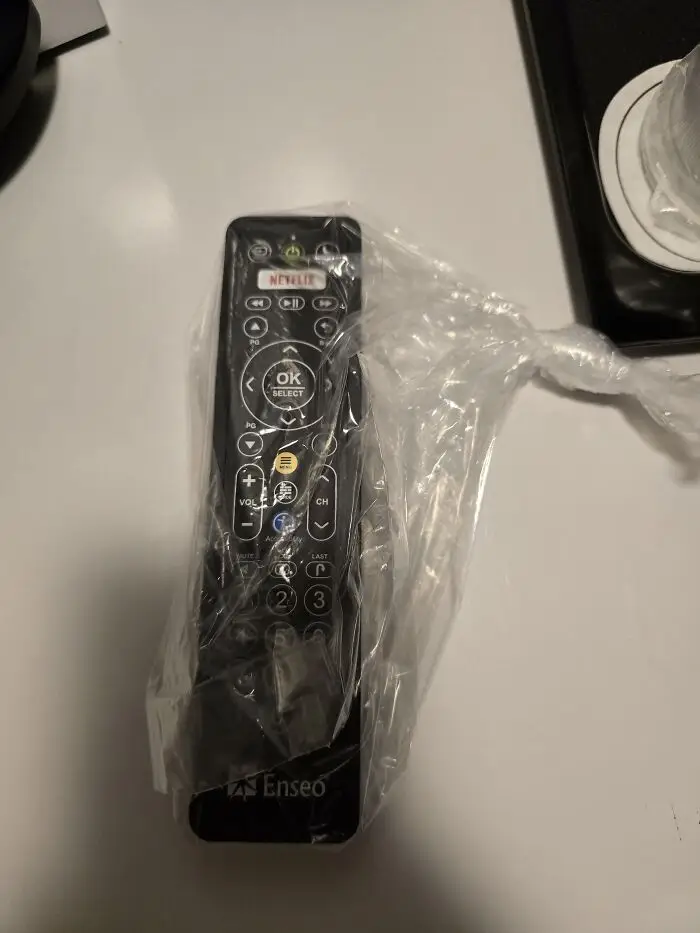
#1 If You Cut Your Wrapping Paper To Small, Try Turning The Gift 45 Degrees!
Life can be busy enough without making every little task harder than it needs to be. Sometimes, we get so used to doing things a certain way that we never stop to consider whether there's an easier approach.
This is why discovering a clever shortcut can feel like finding a secret level in a video game. It saves you some effort and makes you wonder how much time you've wasted doing things the long way.



There's actually a psychological reason why making tasks easier can help us get them done. Research on habits suggests people are more likely to repeat behaviors when there are fewer obstacles standing in their way.
When an action requires less effort or is easier to get started, we're less likely to put it off and more likely to follow through. Sometimes, getting things done has less to do with finding more motivation and more to do with removing unnecessary friction.
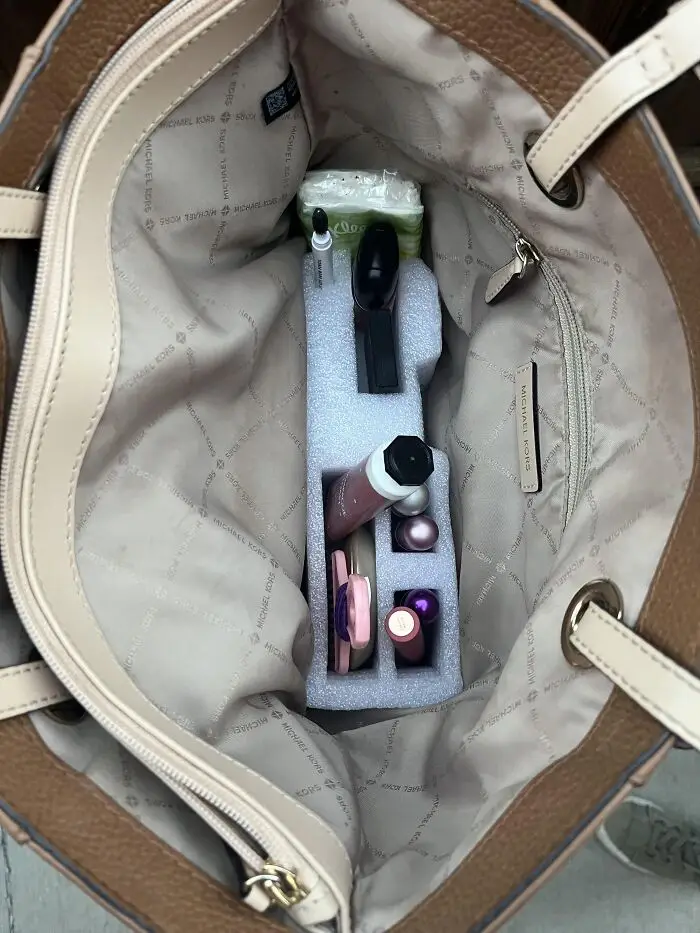

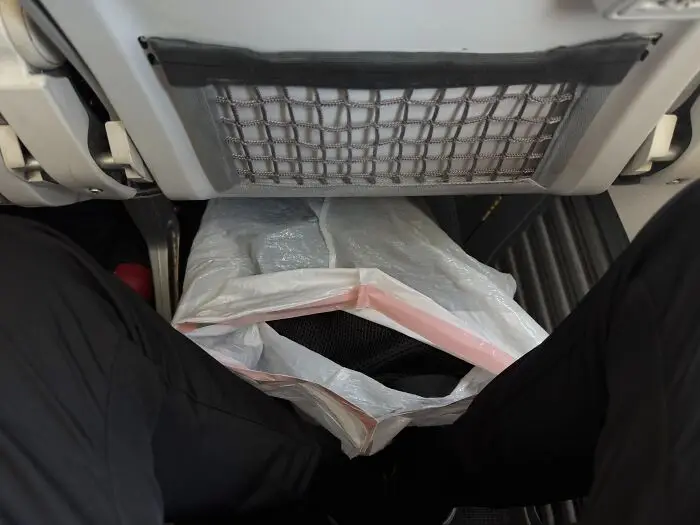
#9 Airplane Floors Are Extremely Gross, So I Always Pack A Trash Bag To Slip My Backpack Into
Practice also plays a big part in making everyday life easier. A study published in Current Opinion in Behavioral Sciences explains that repeating an activity helps people perform it faster, develop skills, and use less mental effort.
Think about how overwhelming something can feel the first time you try it compared with how easily you manage it after doing it several times. Your brain gets better at handling familiar tasks, leaving you with more mental energy for other things.


#12 It's Getting Warmer Outside. That Means Ants!! Here's A Concoction That I Have Used For Years Now

Having a routine is another great life cheat. When you connect an action to something you already do regularly, remembering to do it becomes much easier. With enough repetition, your brain starts associating certain situations with specific actions, so you don't have to think through every step.
This is closely related to muscle memory, which helps familiar physical movements feel almost automatic. In fact, a study published in the British Journal of Health Psychology found that linking a new behavior to an existing routine helped participants repeat it more consistently.


Cognitive offloading is when we use external tools to help us remember things instead of keeping every detail in our heads. Setting phone reminders, writing appointments in a calendar, or leaving yourself a note can help prevent important tasks from slipping your mind.
A study found that reminders helped participants remember to complete future tasks, especially when they had other things competing for their attention. So if your phone alarm is why you remember to pick up groceries, there's no shame in letting technology do some of the work!
#16 Put Some Rice Into A Sock, Tie A Knot, Microwave It For 2mins And You Got Yourself A Heating Pad!


#18 Put My Fitted Bedsheets Into Some Extra Large Zipped Mesh Bags So They Wouldn't Grab Everything Else In The Dryer

Another way to make life easier is to stop trying to do everything at once. Multitasking can make us feel incredibly productive, but switching between different activities often takes more time and attention than we realize.
Research shows that people tend to respond more slowly and make more mistakes immediately after switching from one task to another. The American Psychological Association explains this as switching costs, which can add up when we're constantly jumping between activities. Sometimes, finishing one thing before moving on to the next is a much better use of your time.