


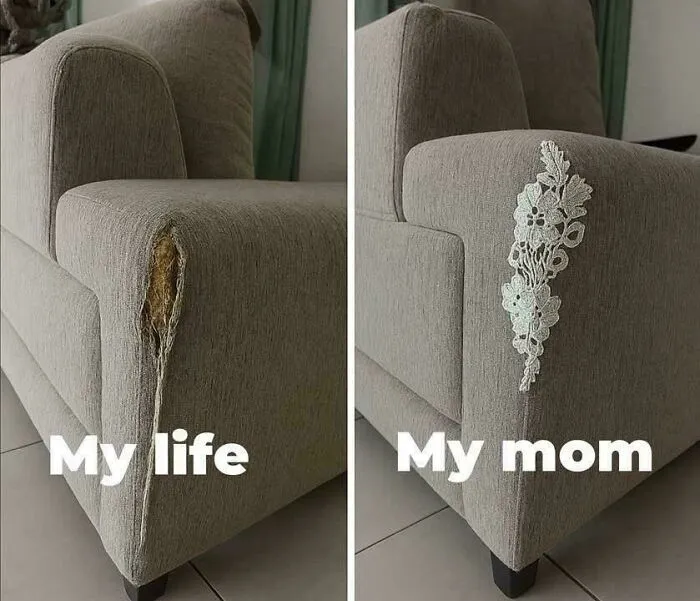
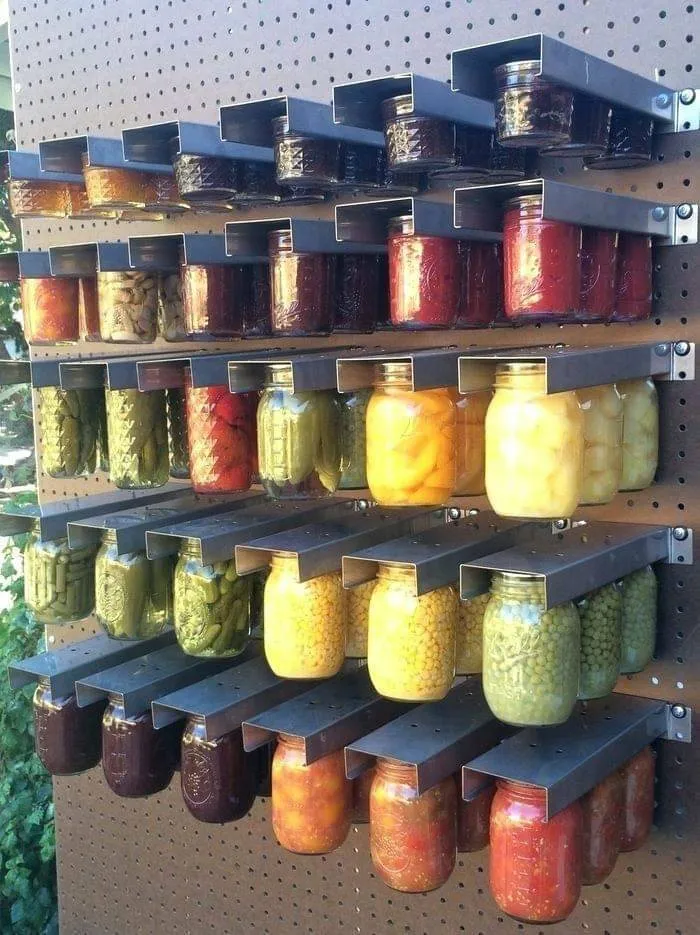
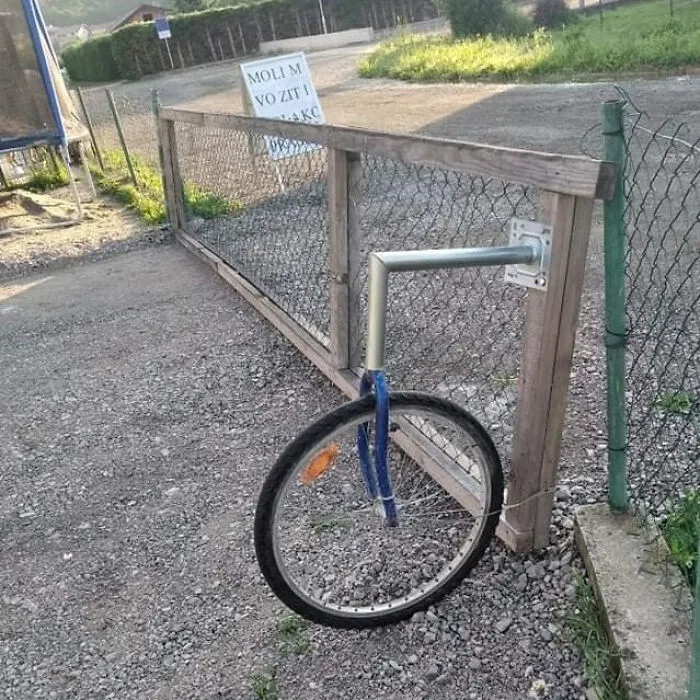
You might have come across Slavic science on the internet. You know, the one with washing machine doors DIYed into windows? That’s what we are talking about. It might be the wrong part, but it does the required function quite efficiently. And honestly, these unusual and sometimes even unhinged hacks are actually genius solutions.
Think about it. They save money and a whole lot of trouble. But they have one tiny problem: they are temporary and, occasionally, risky. But looking back in history, they may have been born of scarcity, when people had to make do with whatever was available.


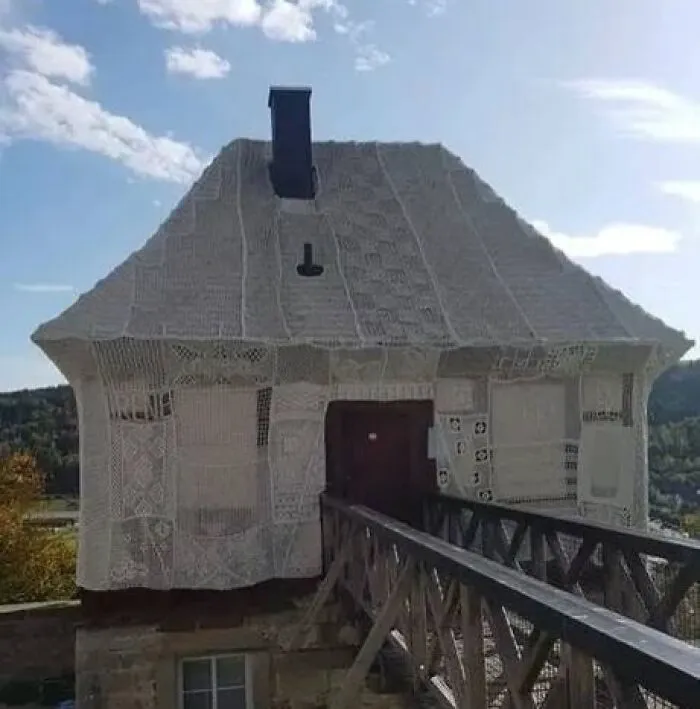
The concept of Russian avos’, or “maybe it’ll happen,” might play a role behind these Slavic hacks. It has many meanings, such as “hopefully,” “hit or miss,” “hope against hope,” or “something done under risk and in the hope for a good result in the end.”
Russiapedia claims that “it is one of the most crucial elements of the Russian mentality and national character; it is the habit of relying totally on chance, on good luck, on good fate in the hopes that everything will turn out well, even if there is no reason for that to happen. It is to hope that negative consequences will somehow be avoided and things will sort themselves out.”

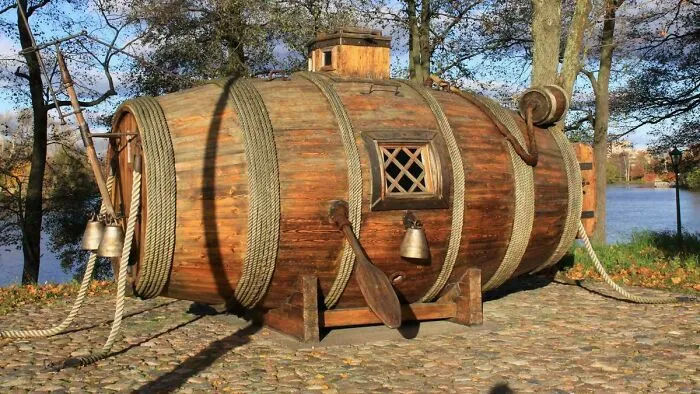
#8 Yefim Nikonov Build One Of The First Functional Submarines And Presented It To Peter I The Great, Czar Of Russia In 1721 (Prototype)
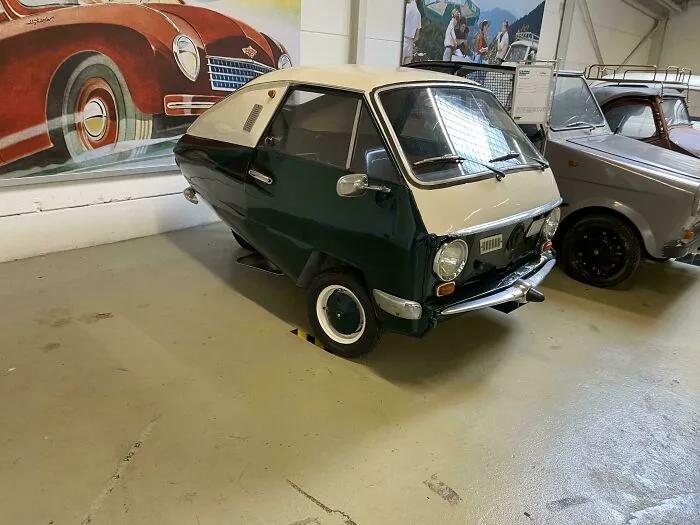
#9 A Three-Wheeled Car Someone Built In Their Garage In Czechia (1970)
Today, these hacks give people optimism without a guarantee. Some believe they can fix things with duct tape and pray it works. However, during the Soviet Era, avos’ was almost like a survival skill. It has been passed down through generations and even plays a huge role in society.
But everything has two sides, and even avos’ comes with a negative element attached to it. For some people, it means complete reliance on God, and they use it to shirk responsibility. When folks keep waiting for divine intervention, they forget they still have to put in effort.
#10 Russian Snowblower.... Or Better Said, A Snow Melter.. They Use Klimov Vk-1 Engines From Mig-15 Planes



Another interesting word that comes close to defining Slavic engineering is the Polish “kombinowanie.” Simply put, it’s a creative solution to a problem. But Leah Morawiec, an American teacher of English in Poland, describes it as “figuring things out” through illegal means or clever tricks. The term was born out of necessity during Poland’s communist era.
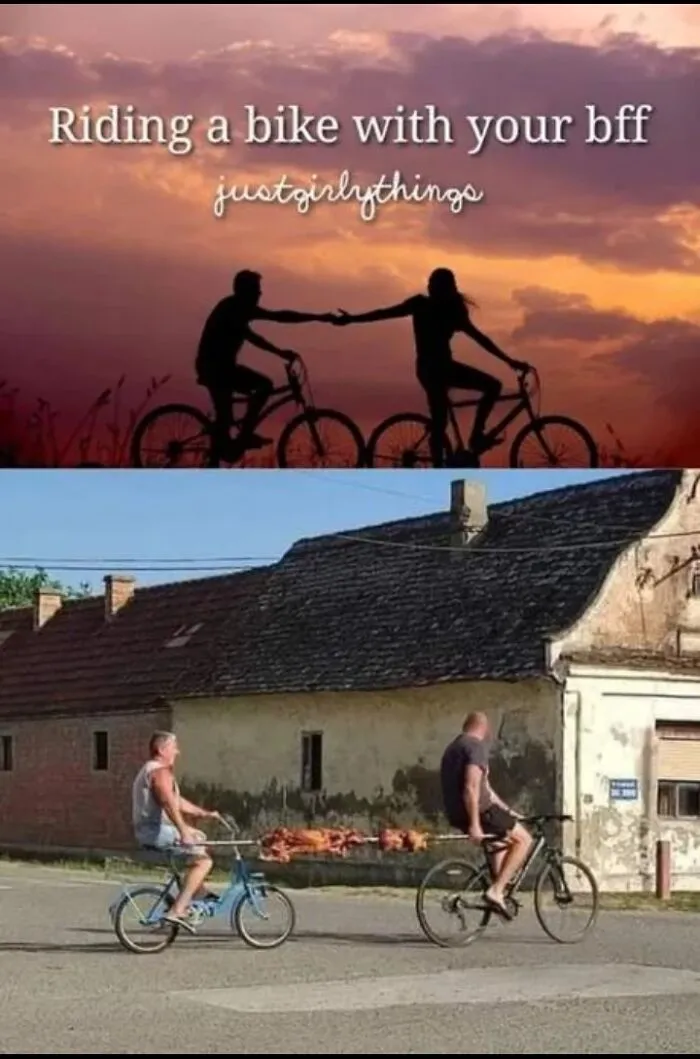

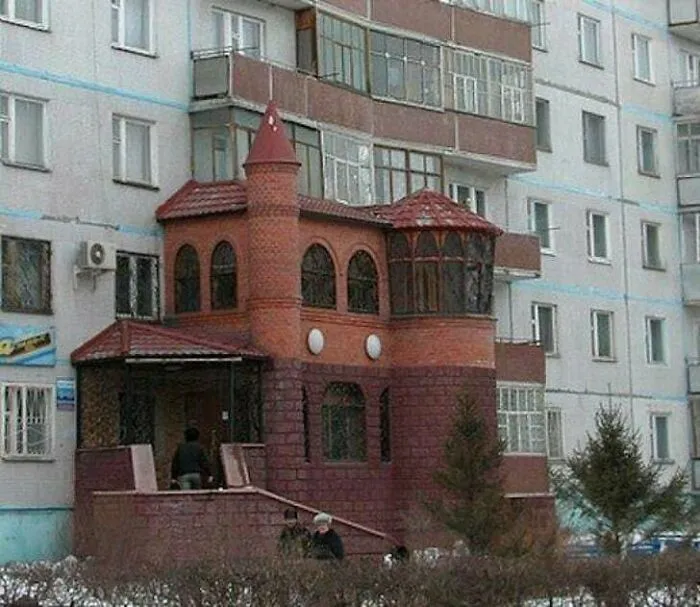
Looking at Poland’s communist era, the system was really problematic. Normal people were constantly troubled by corruption, shortages, and endless bureaucracy. So, people had to get creative to solve their issues. They had to find “tricks” to survive against the system.
While communism in Poland fell ages ago, the kombinowanie mentality is still alive, and it has evolved into a modern version of “hustling” or even “cheating.” However, the main idea behind it still holds true: there’s always a shortcut, and life gets easier if you figure it out.

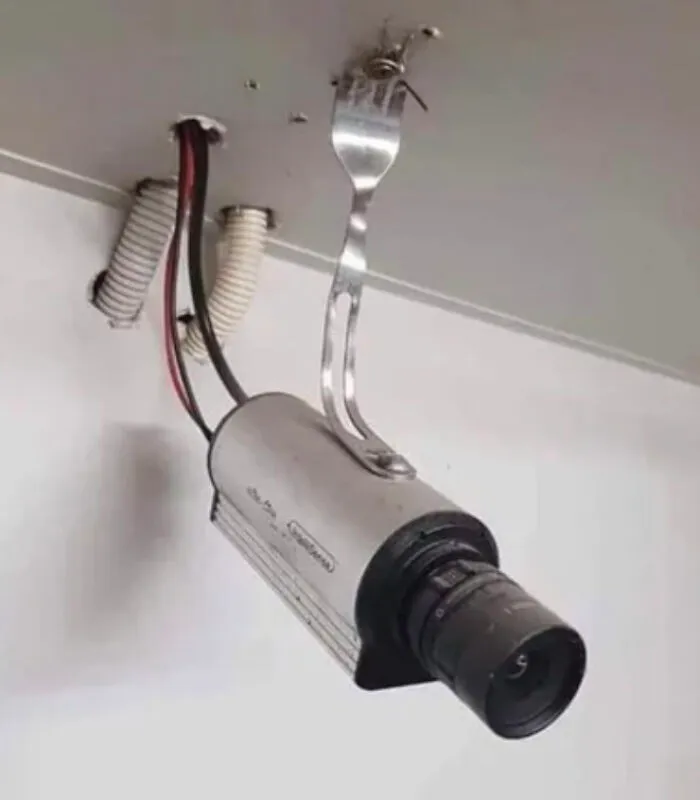

However, Slavic culture is more than these funny DIY hacks. It is rich in traditions, beliefs, and arts and crafts that have been passed down from generation to generation. Research shows that Slavic arts and crafts share many similarities due to their shared cultural and historical roots.
For instance, embroidery is a common art form that’s found in all Slavic nations. From traditional clothing to household linens, they love to adorn everything. Traditional embroidery patterns include floral motifs and geometric patterns. Woodcarving is also popular across Slavic nations. Intricate designs can be found on furniture, religious icons, and other decorative objects.