

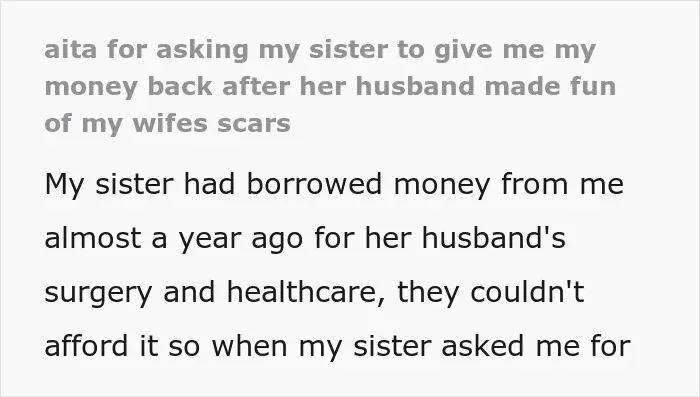
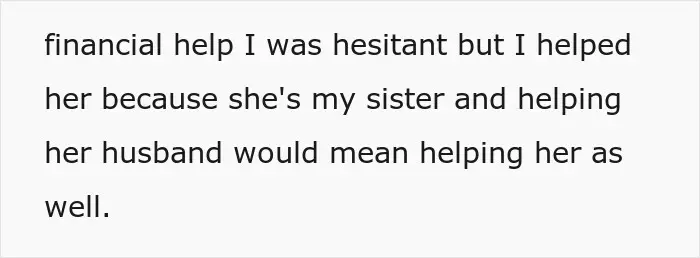
We all know family can be complicated. But few things stir up drama at the dinner table like a loan to a loved one that hasn’t been repaid. That’s probably why plenty of sensible advice warns against these kinds of arrangements. But when it’s your sister asking, and her husband needs surgery, it can be pretty hard to say no.
Just ask this guy. Although reluctant, he felt he had to help. The repayment date came and went, and he kept quiet. That is, until his wife became the target of his brother-in-law’s cruel comments. He fired back, and the loan was only his first piece of ammunition.
A man lent his sister money for her husband’s surgery and hadn’t asked for it back

But when his own wife was shamed by his brother-in-law, he decided it was time to collect

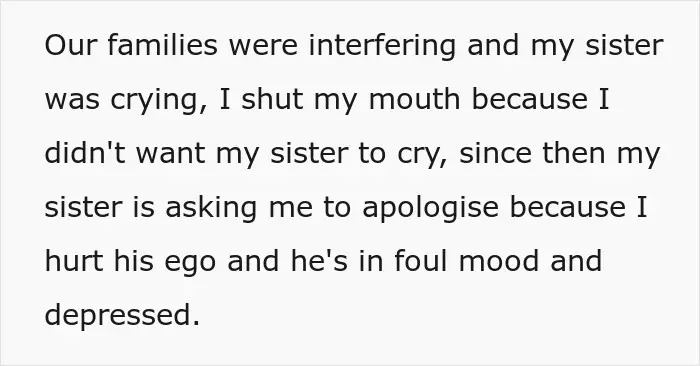
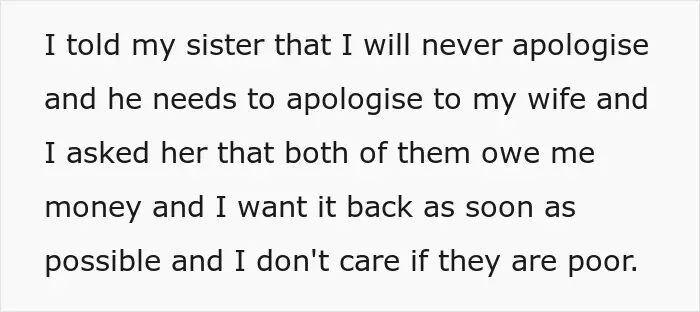

From family loan to family feud
When a family member is in need, stepping in to help rarely feels like a choice. And if you have the money, a loan can seem like a fairly simple favor. You have what they need, and you trust them to pay you back. They’re family, after all. Besides, how would it look if you said no when they really needed something, especially something as serious as surgery?
Unfortunately, it’s rarely that simple. Bankrate’s 2025 Financial Taboos Survey found that 70% of U.S. adults have lent money or paid a group expense expecting to be reimbursed. Of those, 55% reported at least one negative consequence. Those included lost money (44%), a damaged relationship (26%), a lower credit score (7%), and even a physical altercation (about 4%).
Part of the reason is that a loan changes more than your bank balance. As Brad Klontz, Psy.D., CFP, writes for Psychology Today, “Loaning money changes a relationship.” You’re no longer just siblings, cousins, or in-laws: one of you is now the lender and the other the borrower, and the balance of power between you has shifted, at least until it’s repaid.
That shift can make things pretty uncomfortable. The borrower may feel guilty or embarrassed and might even start keeping their distance, while the lender may quietly grow resentful but feel too awkward to ask. So often, nobody says anything.
That’s hardly surprising, since money is one of the hardest things to talk about. The same Bankrate survey found that substantially more Americans would rather discuss their political positions, religious views, and weight (all topics that can shut down a dinner conversation in seconds) than money topics like bank account balances, credit card debt, and salaries. But an unspoken debt doesn’t disappear. It lingers, and it can surface at the worst possible moment.
And that moment can get pretty heated. A debt nobody has talked about can easily become ammunition in an argument about something else entirely. In this story, that something else was a comment about old scars, which made an already delicate situation much more painful.
Comments like the ones the man’s brother-in-law made can do real harm. A 2019 study published in the Journal of Clinical Psychology found that undergraduate participants held strong negative biases toward self-inflicted scars, compared with tattoos or scars from accidents. They associated these scars with words like “bad,” “rejection-worthy,” and “dangerous,” and were less willing to socialize with or date someone who had them. That stigma can take a toll: an earlier study by the lead researcher found that people who experienced greater shame and embarrassment about these scars also reported higher levels of social anxiety and depression.
That’s why experts advise responding to someone’s scars with support and without judgment: showing compassion, listening, and avoiding pity, jokes, guilt, and ultimatums. Telling someone to cover up in front of their family is pretty much the opposite.
As for the money, there are ways to keep a family loan from turning into a source of resentment. Klontz recommends that you set clear terms in advance, including the repayment schedule, whether payments are installments or a lump sum, and what happens if a payment is missed. He also advises putting the agreement in writing. If a repayment does slip, bring it up early, calmly, and in private, long before tempers have a chance to flare.
Of course, whether this man handled things the right way is another question entirely, and you can bet the commenters had plenty to say about it.
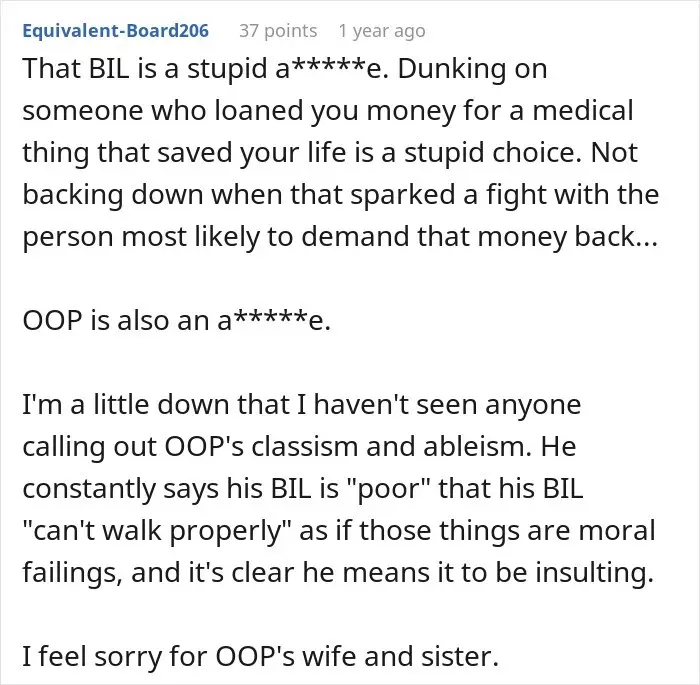
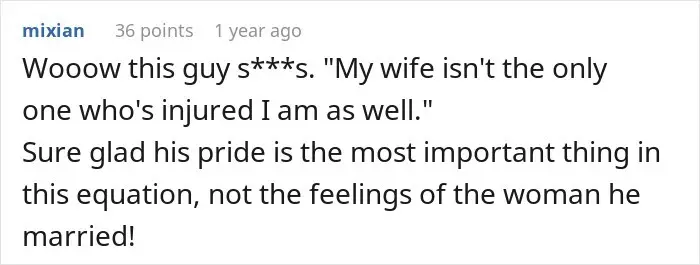
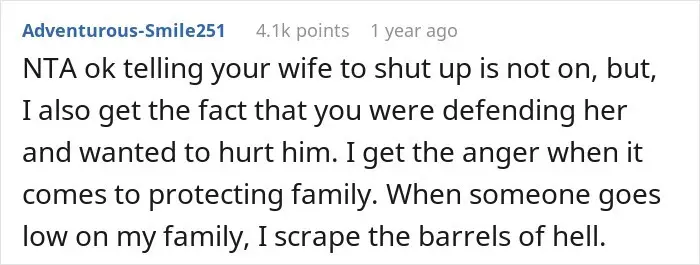
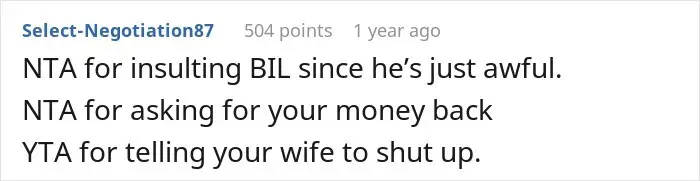
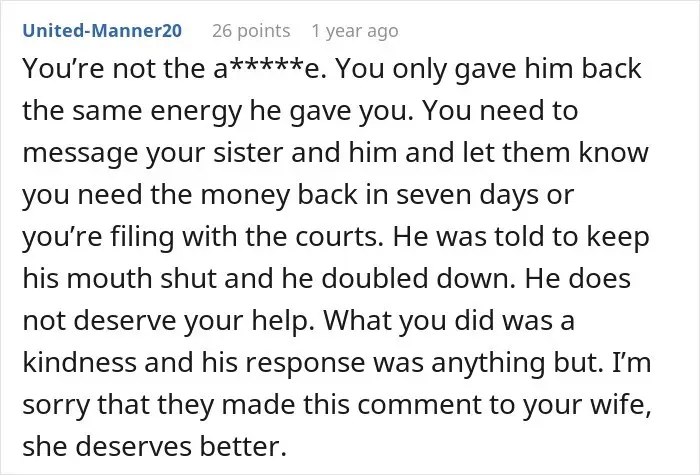
Although commenters didn’t approve of how the man spoke to his wife, some agreed he wasn’t in the wrong
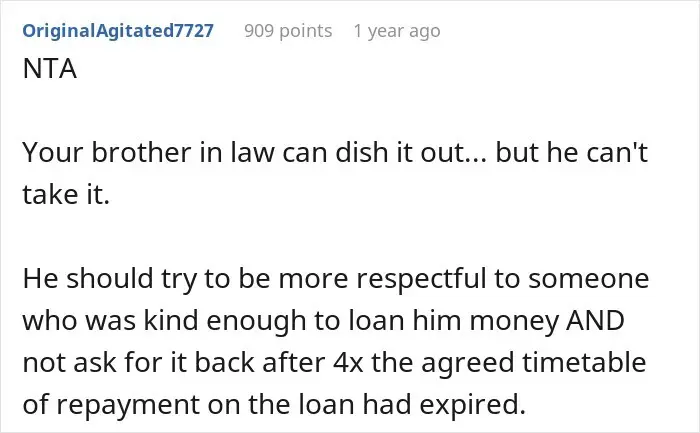

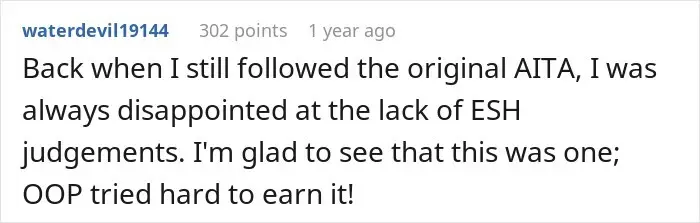
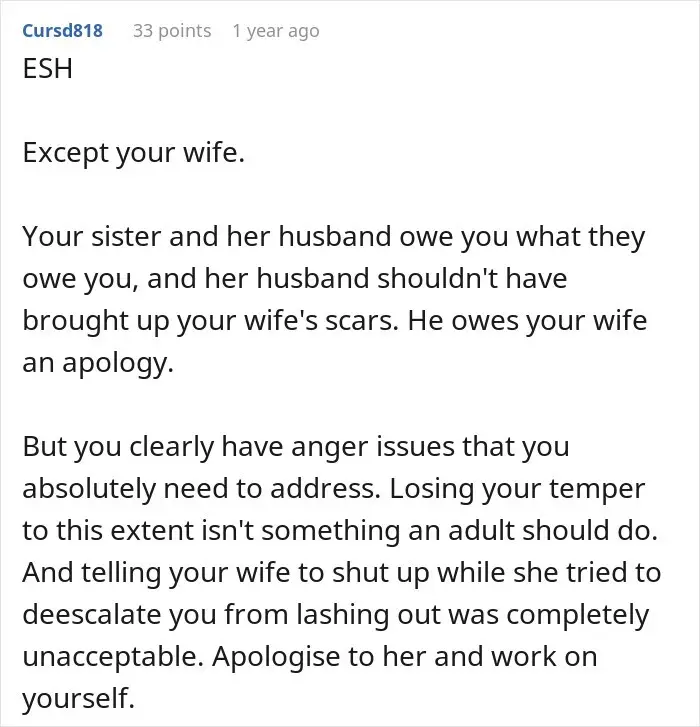
Some felt everyone was in the wrong, except the man’s wife
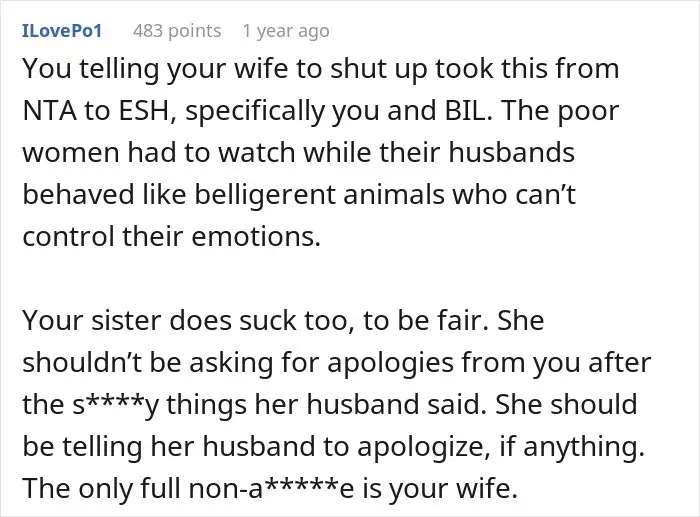
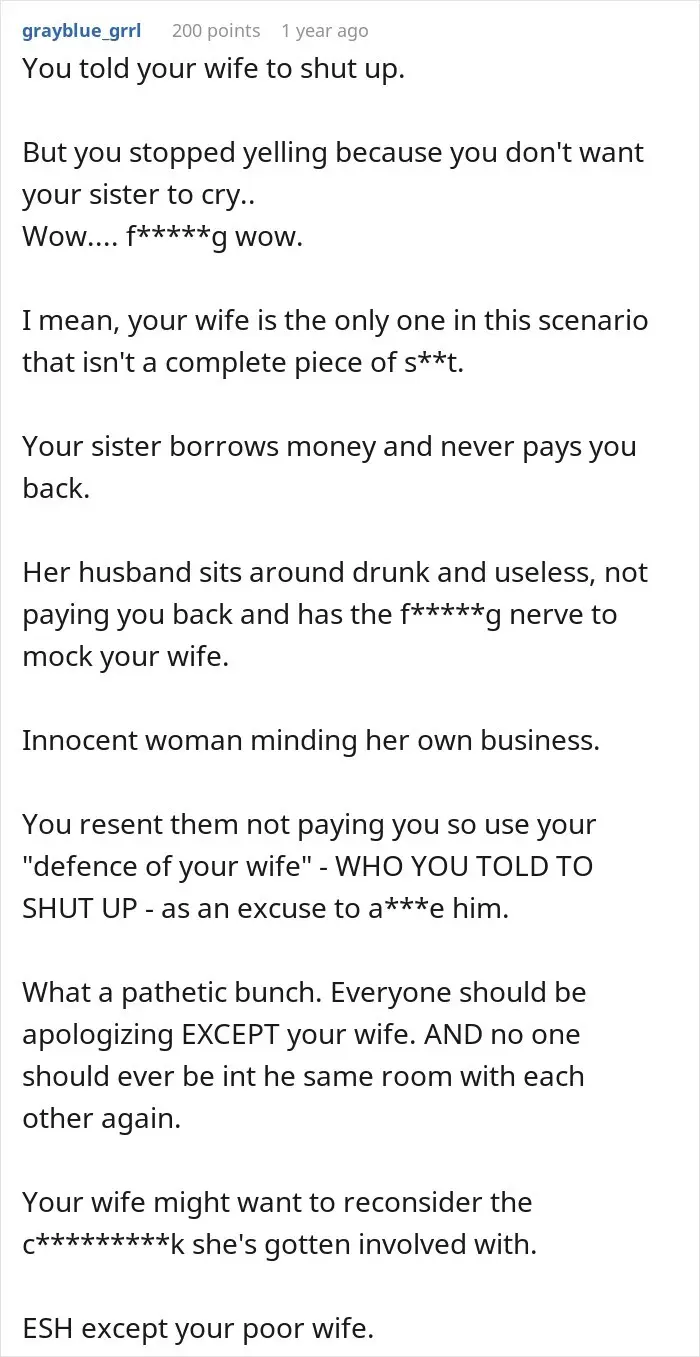




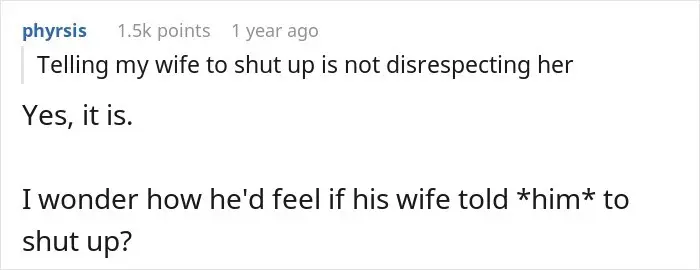
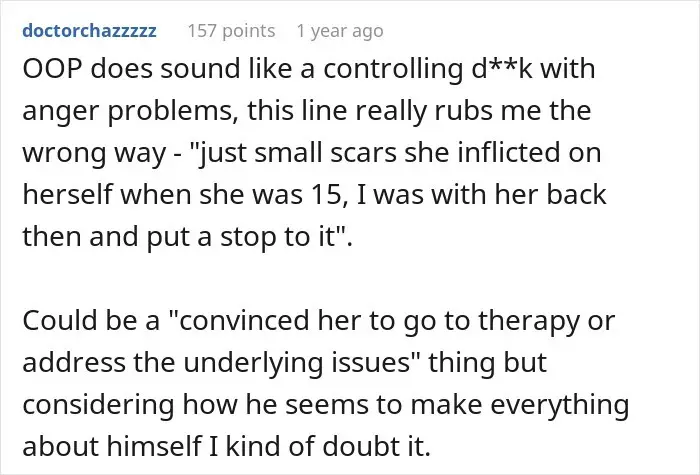
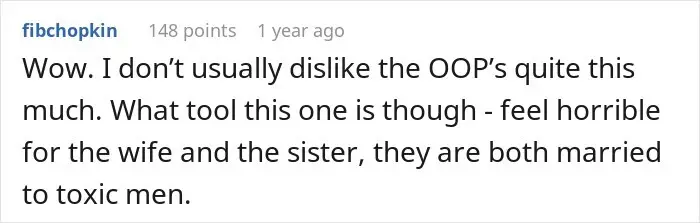
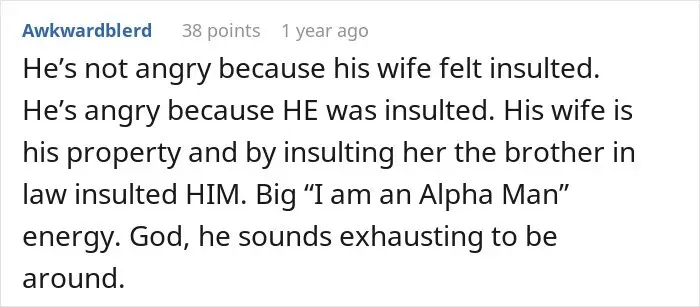
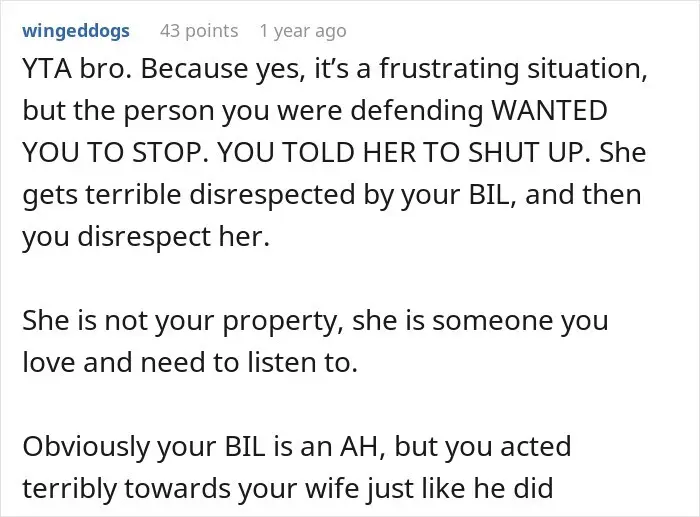
Others felt his treatment of his wife made him the ultimate jerk in the situation

A commenter with a similar past said the husband was right to stand up for his wife


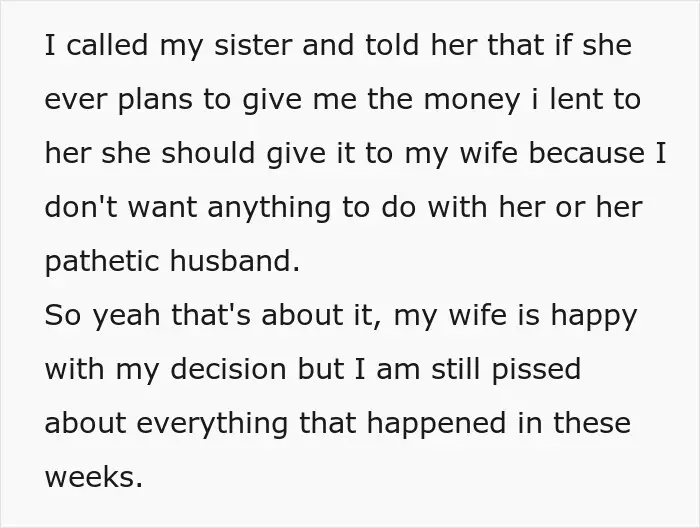
The man provided an update on the situation
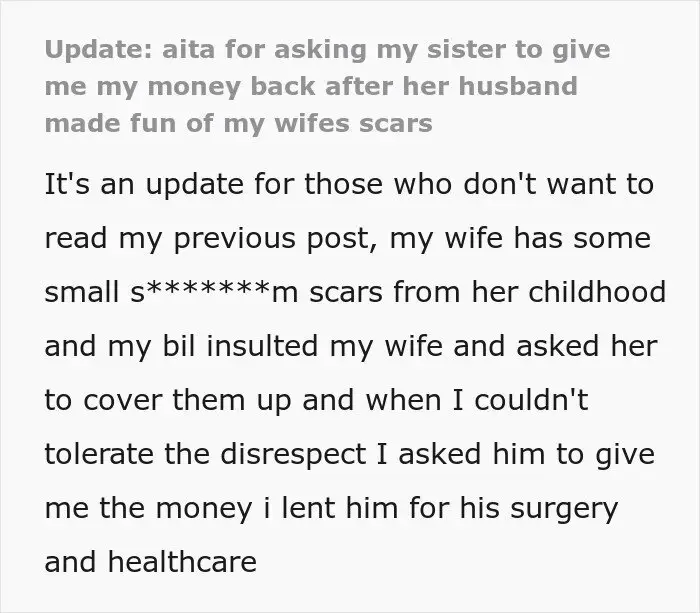
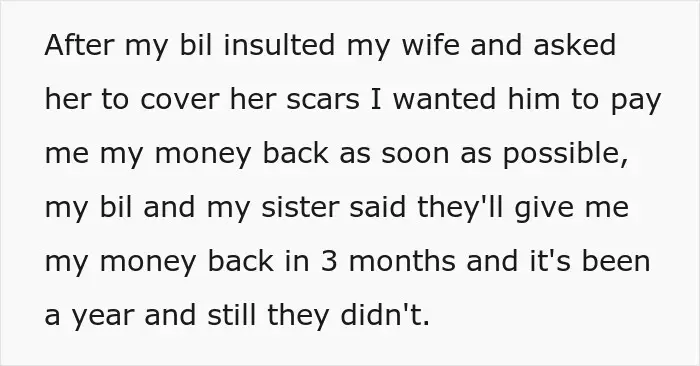
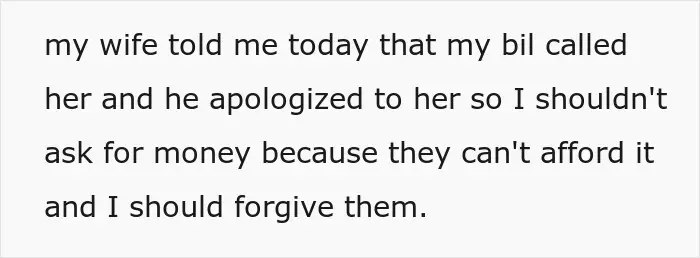
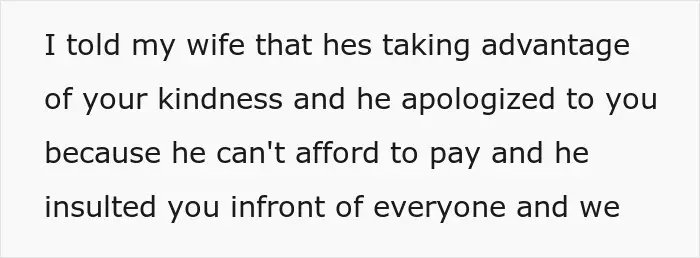
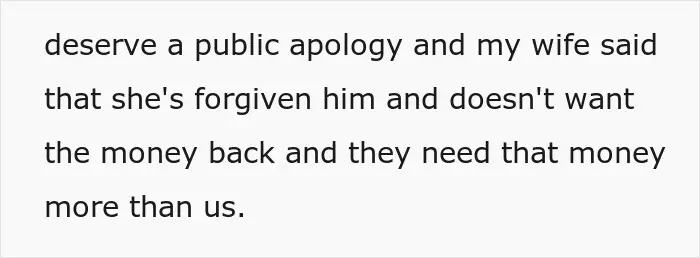
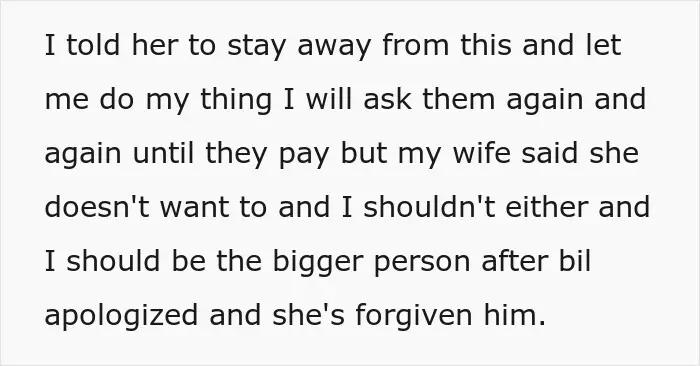
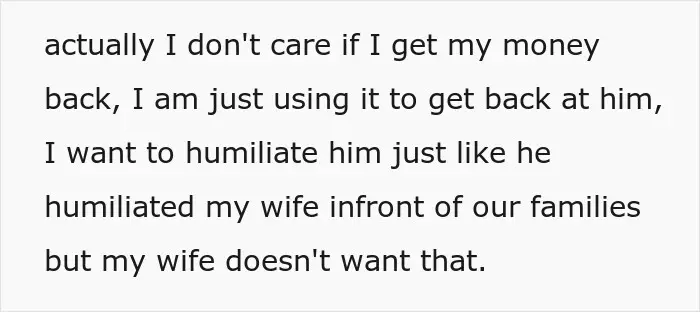


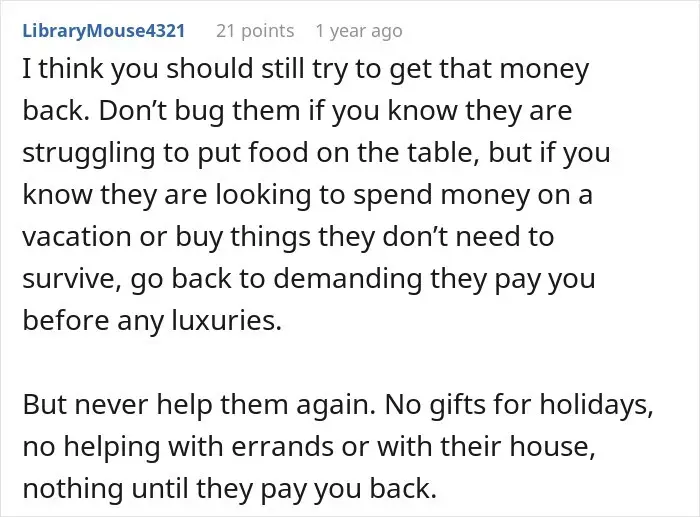
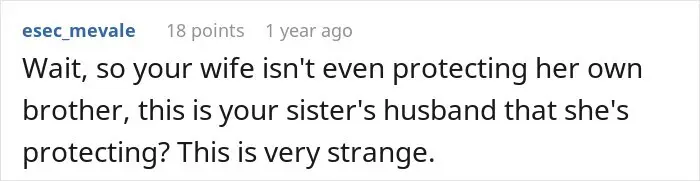
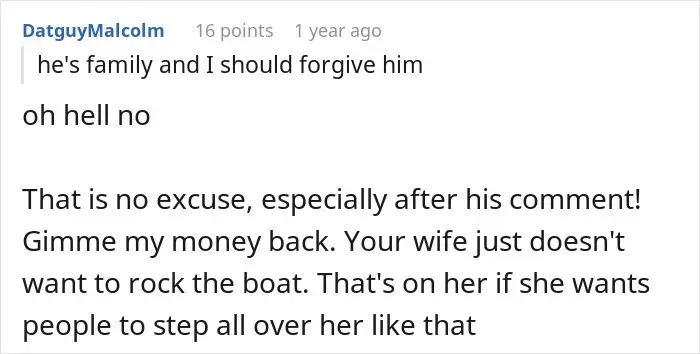
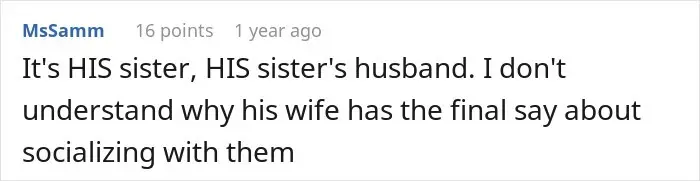
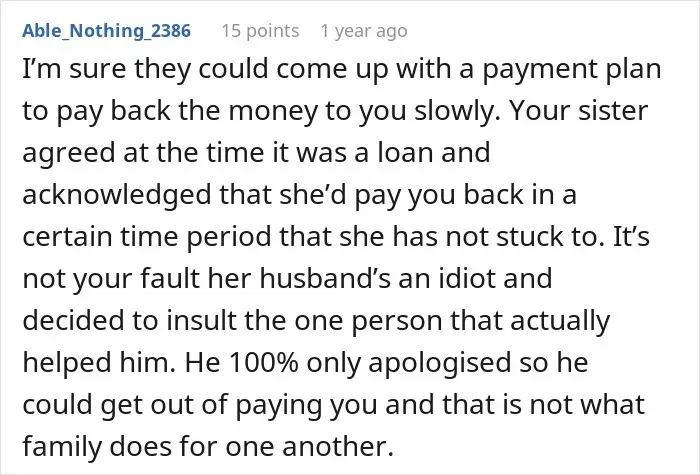
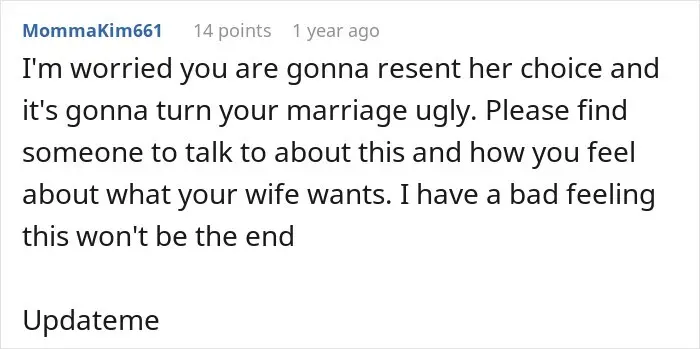
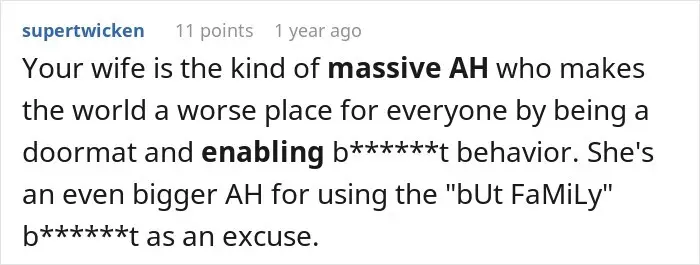
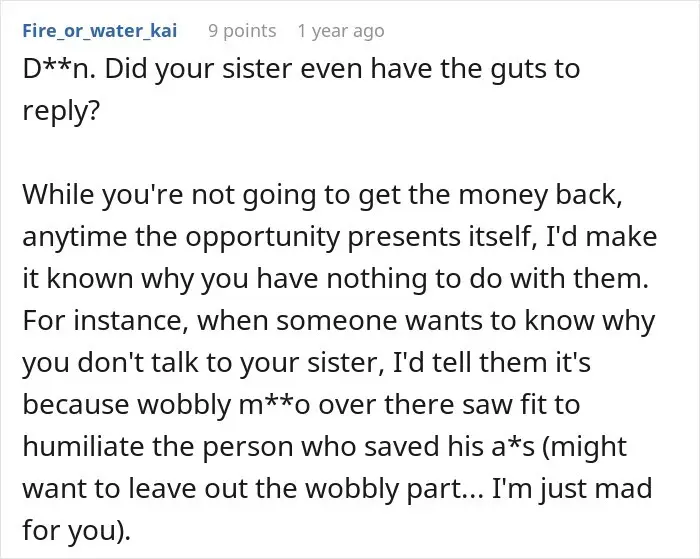
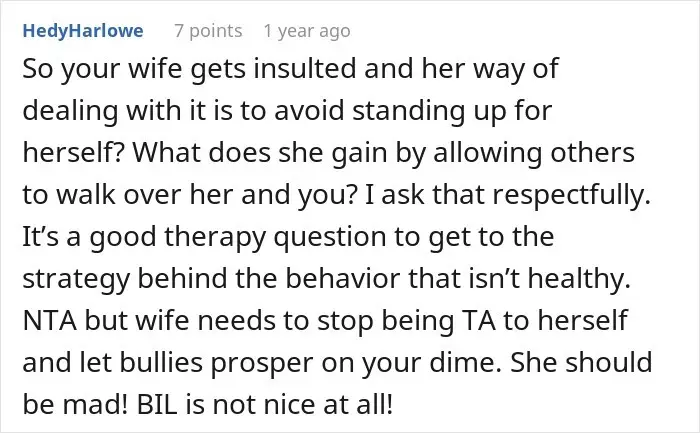
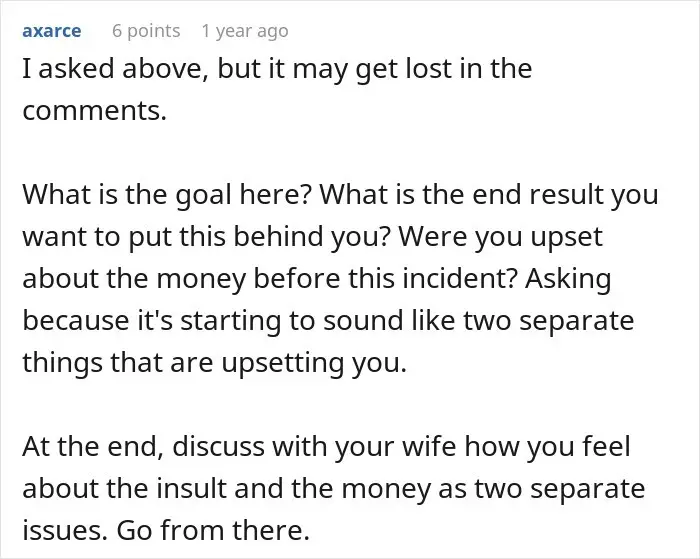
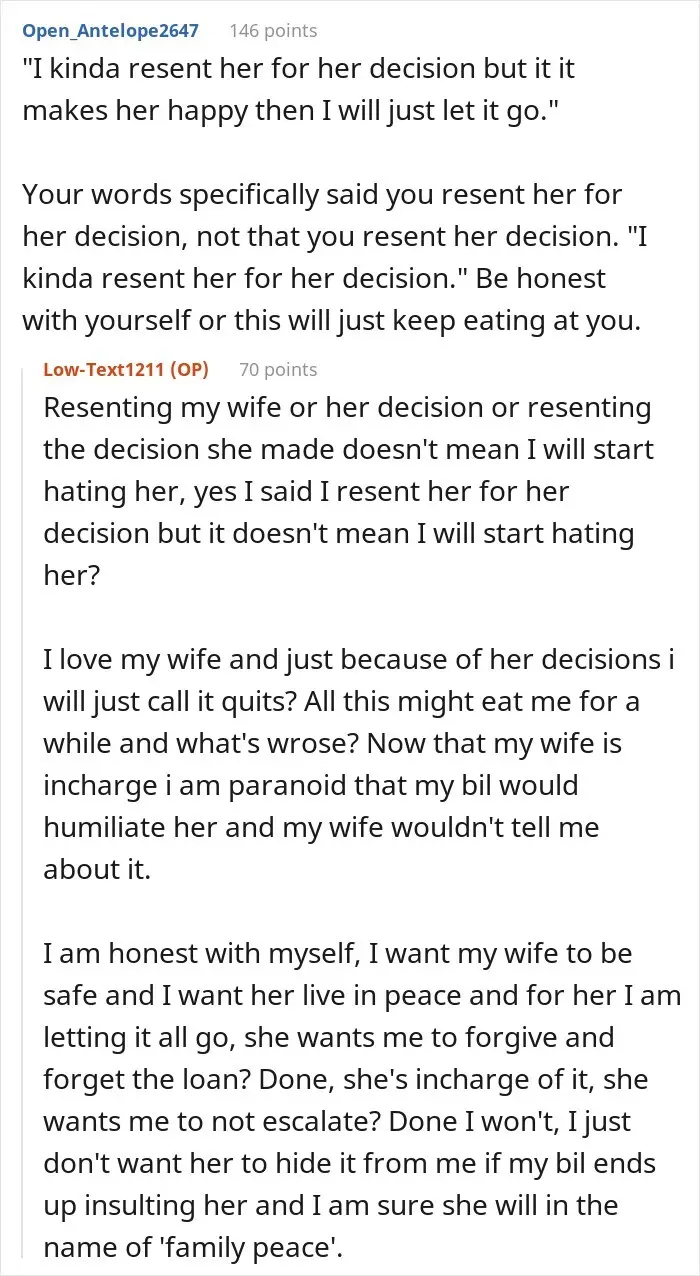
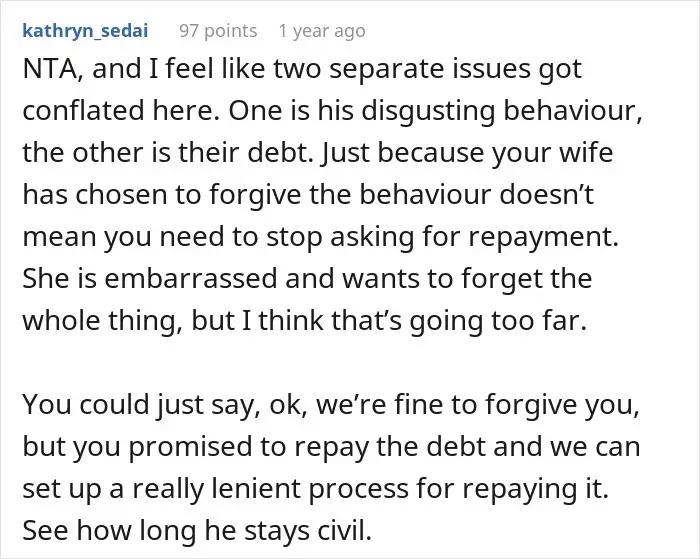
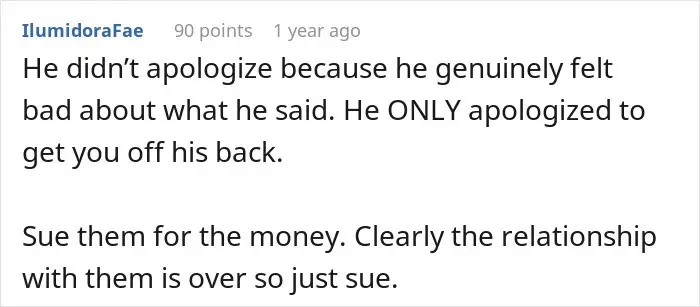
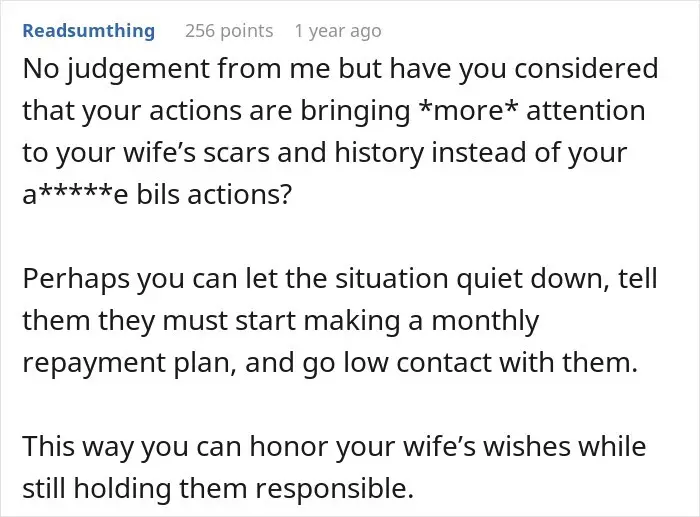
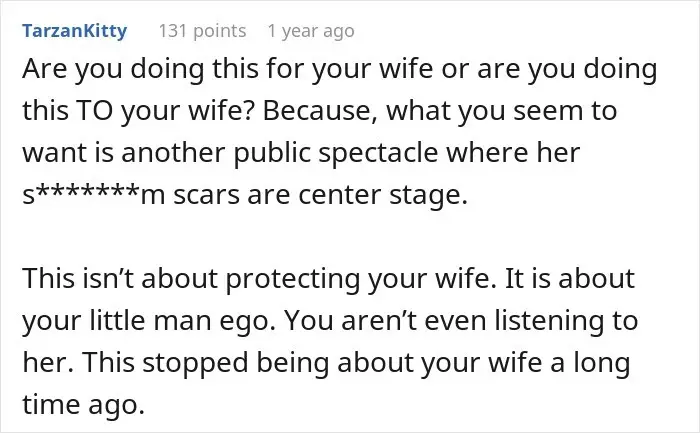
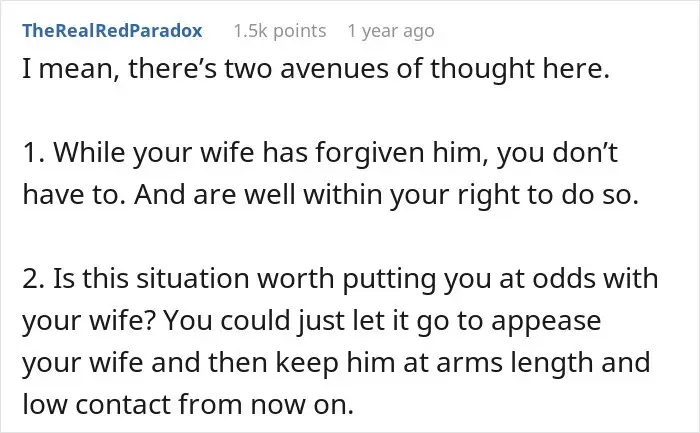
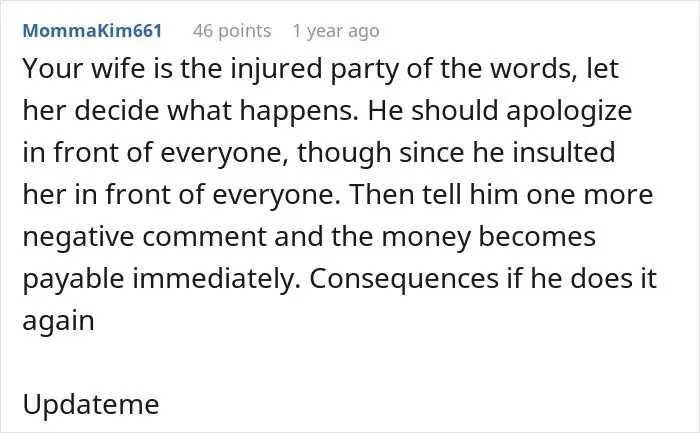
Some commenters offered their advice
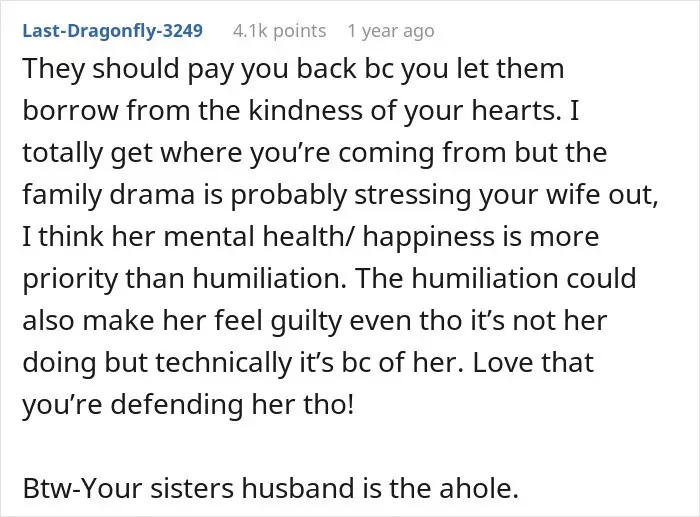

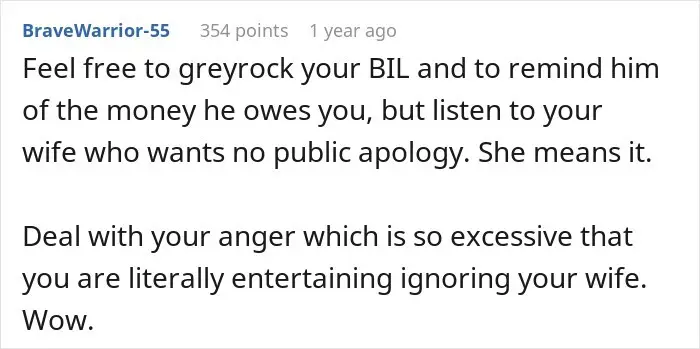

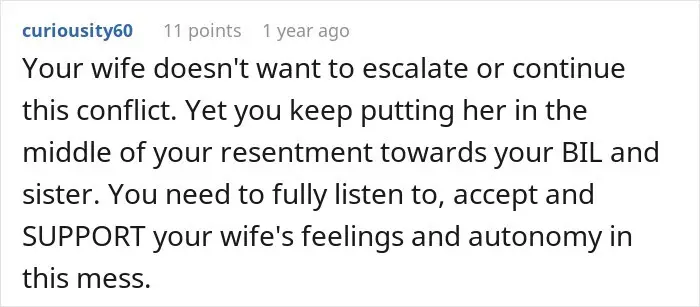
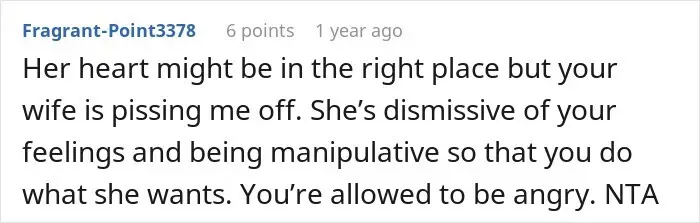
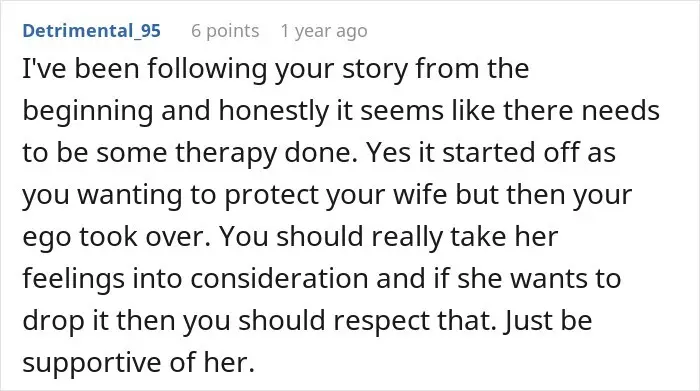
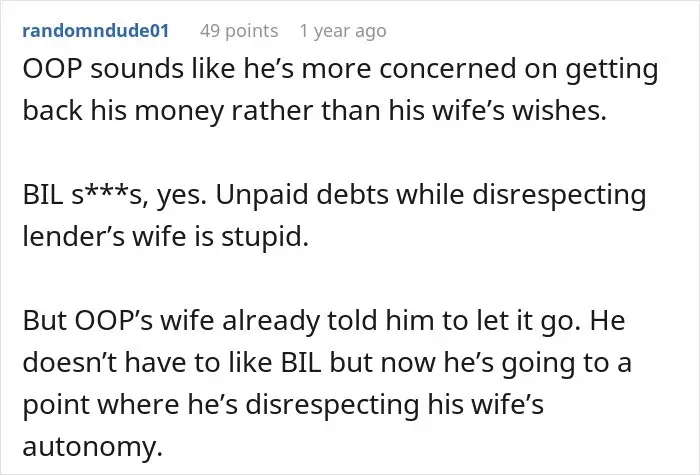
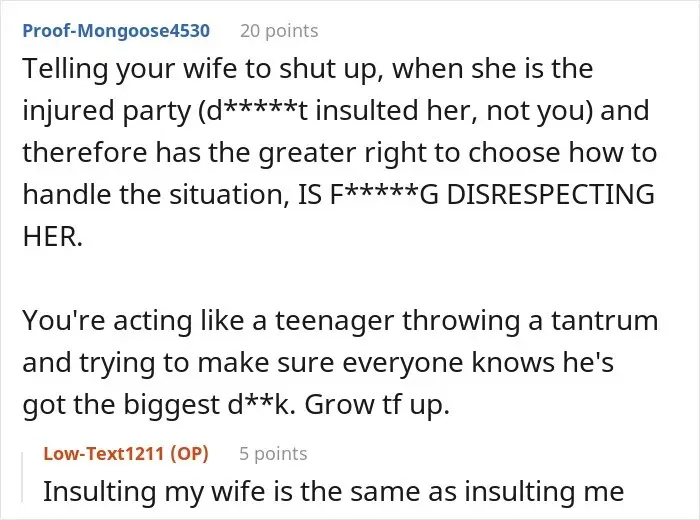
Some felt it was time the man listened to his wife


The man returned with a final update
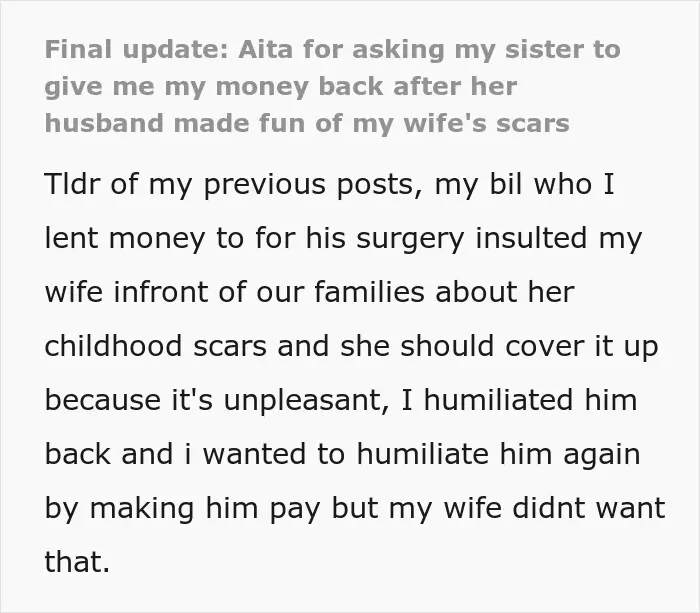
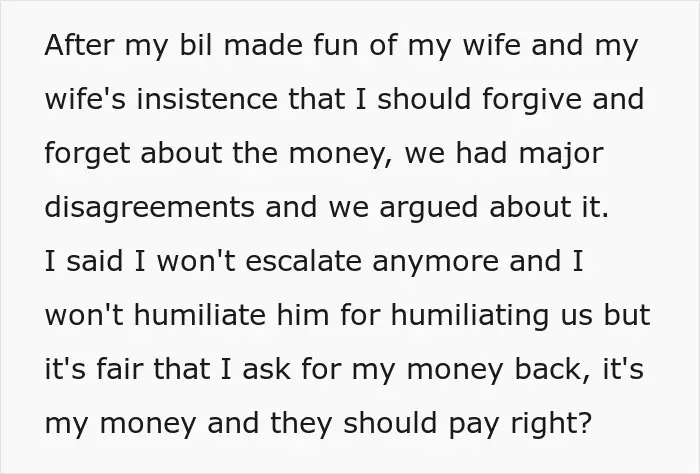
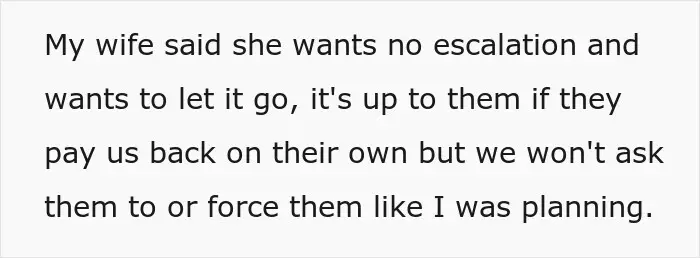
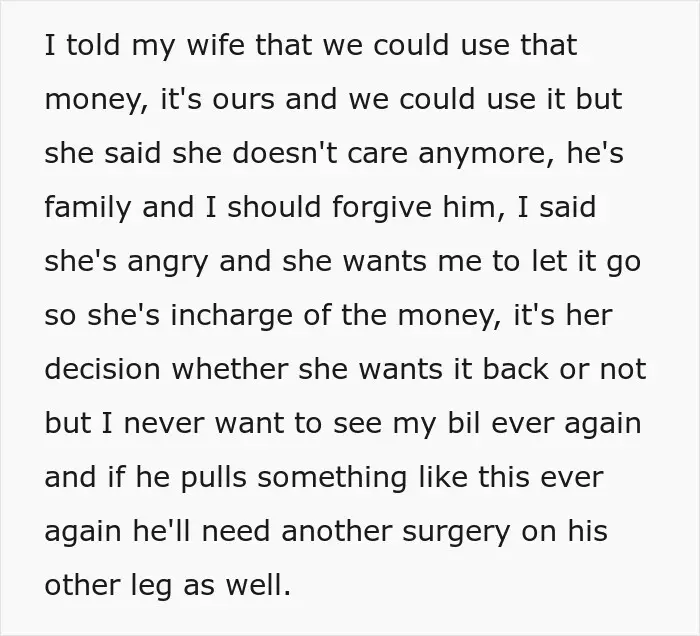

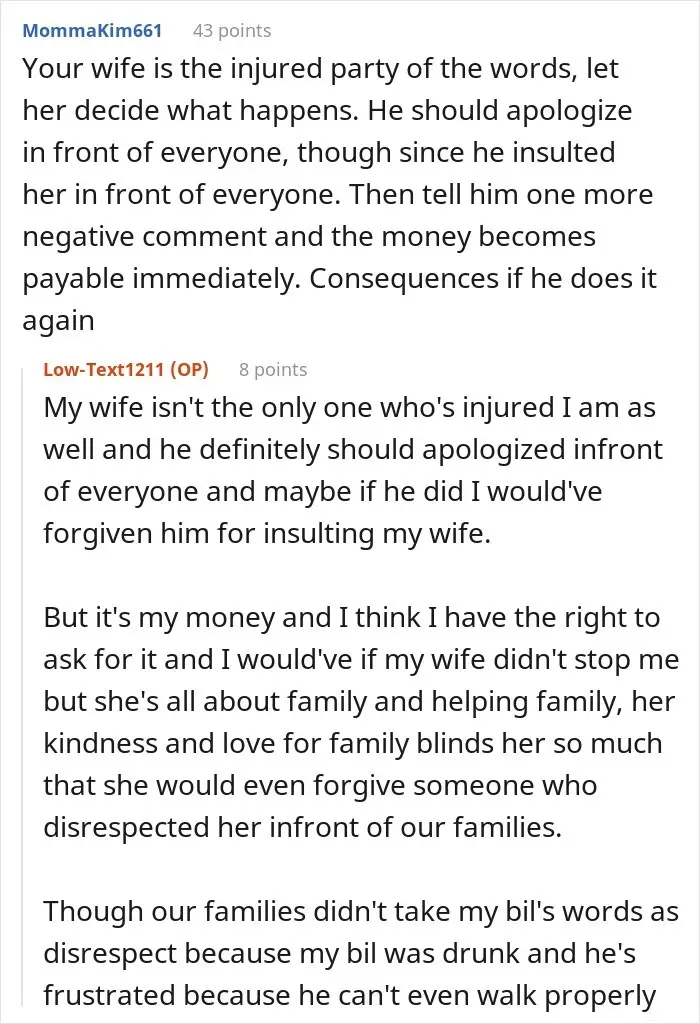
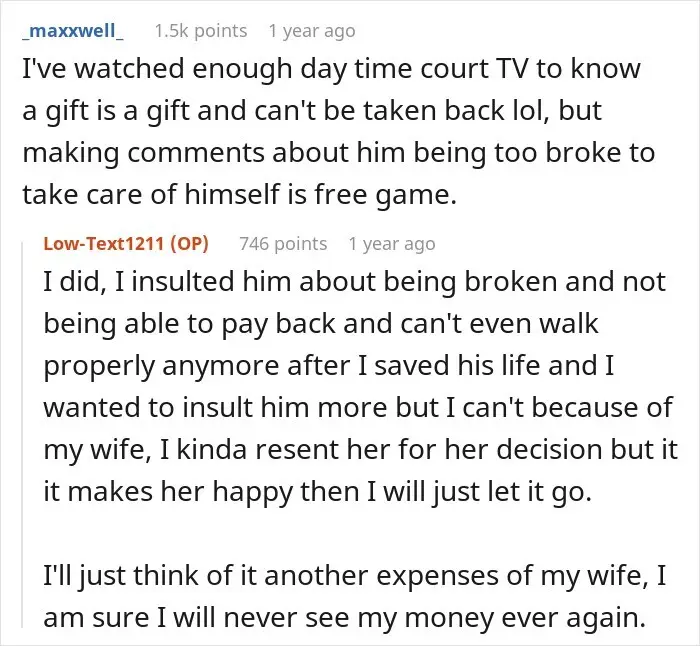
He also responded to some of the comments
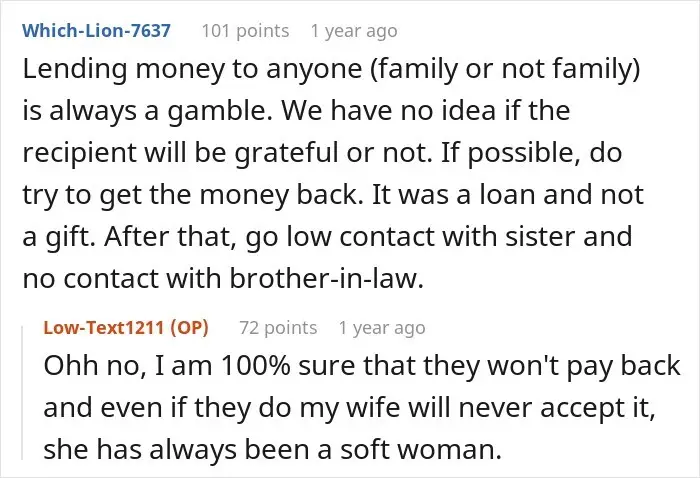
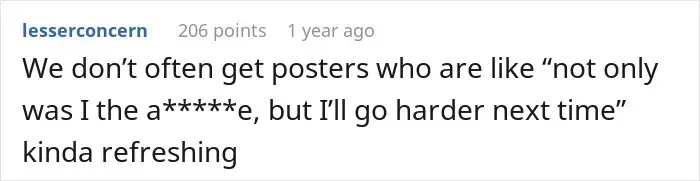
Commenters had something to say about just about everyone involved