


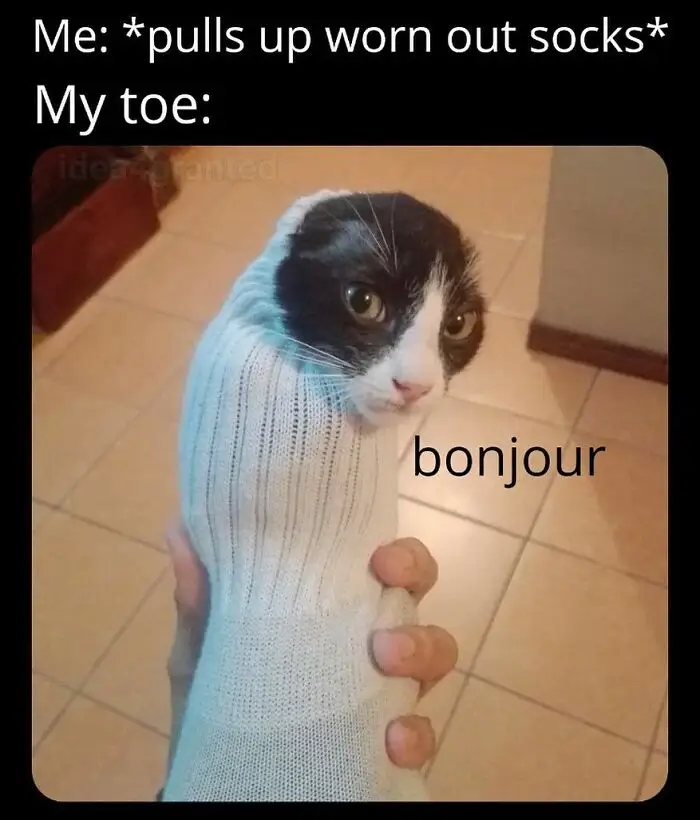


During these long, dark evenings, leaning into the silliness can give our minds a much-needed break. Choosing to laugh does not mean we are ignoring real-world problems. Instead, it might just give us the strength to handle them.
Long ago, Sigmund Freud suggested that jokes give us a safe outlet to express hidden fears and unspoken thoughts. Modern psychology backs this up. Plenty of research shows that laughing releases endorphins and lowers cortisol levels. This, in turn, helps us deal with daily stress and anxiety.



Humor often puts a healthy space between our minds and the stress around us.
“Past research has shown that those high on a coping measure of the use of humor can see potentially stressful events in a less threatening manner, and as more of a positive challenge,” says Dr Nick Kuiper, a professor emeritus of clinical psychology at the University of Western Ontario.


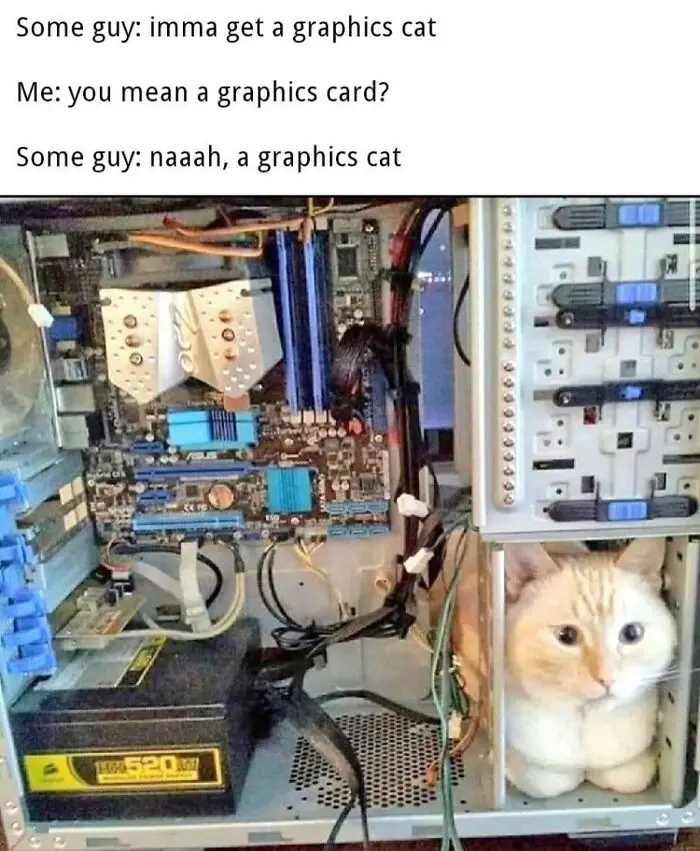
Even though research has proven numerous benefits of humor and memes, silliness has earned a sort of bad reputation, especially when it comes from adults. Many people think adults who fool around just refuse to grow up, yet the facts tell a different story.
After reading 800 papers on the topic, researcher Dr. Janet M. Gibson, a professor of cognitive psychology at Grinnell College, Iowa, found no proof that being goofy means you are childish. “When I grew up, ‘silly’ was an insult. But psychologists don’t seem to have thought that it was immaturity that caused silliness.”
She believes the trait itself is fine, as long as you pick the right moment. “It takes a lot of social intelligence to know when you can be silly.”



Laughing at the silliness around us can actually help us solve hard problems, build strong bonds, share ideas, and handle confrontations and conflicts better.
A study published in the journal Personality and Individual Differences found that playful adults are better at noticing small details and finding smart fixes. They also tend to look at things in new ways and stay interested during boring tasks.
“Models of childhood playfulness have often been transferred to adults. This results in the loss of many aspects, including those related to romantic relationships or intellectual performance,” explains Dr. René Proyer from Martin Luther University Halle-Wittenberg.


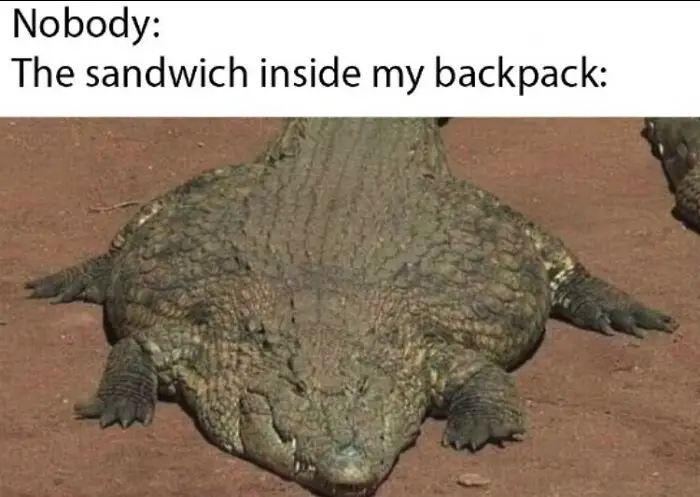
A study in the Journal of Psychology found that goofy fun lowers stress and lifts our mood by waking up the brain’s reward centers. This releases feel-good chemicals like dopamine and serotonin.
Silliness can also bring people closer. Research shows that laughing together builds trust and helps us feel like we belong. Internet jokes tap right into this, turning lonely screen time into a shared moment.



Silly random memes also spread fast because they are easy for our brains to get. They skip long setups and give us a quick laugh with zero effort. Research in the Journal of Experimental Social Psychology shows that jokes are funnier when they are simple, because smooth thinking helps weird ideas make sense.
Most comedy relies on a sudden twist that surprises us, but shock alone isn't enough. For a weird picture or meme to work, our brains must connect the dots quickly. If a joke is too confusing or dark, it might fall flat — which is why simple, goofy fun is always an easy bet.