

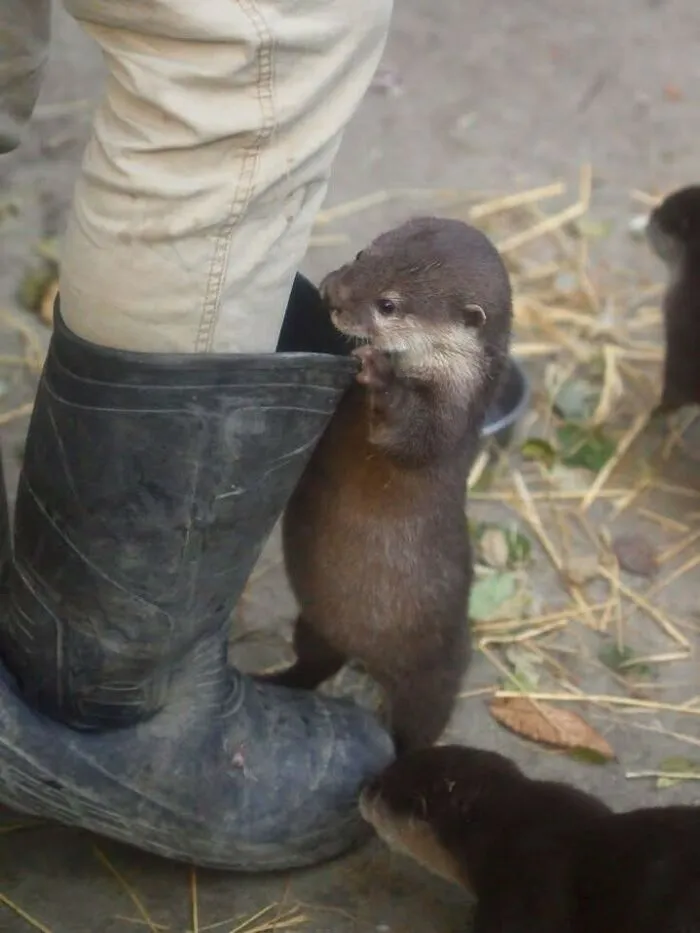
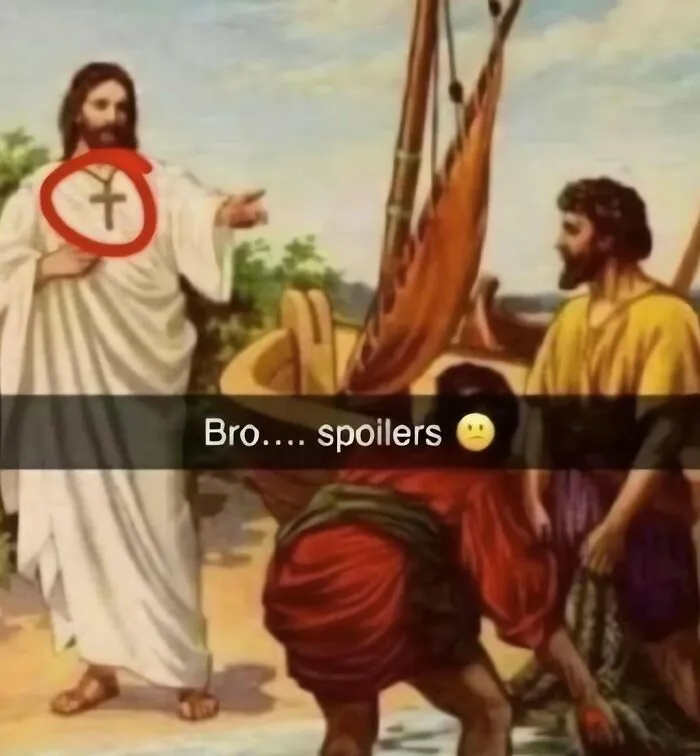
Here is a funny thing about the internet. The less we know about a picture, the longer we tend to stare at it. Show someone a photo of a man in a full suit standing waist deep in a kiddie pool and holding a rotisserie chicken, and they will not scroll past. They will lean in. They will invent a backstory. They will probably turn to the nearest person and ask, "Okay, but why?" That little jolt of delighted confusion is the whole appeal of "no context" content, and it has been quietly taking over our feeds for years.
The idea has surprisingly nerdy roots. According to Know Your Meme, the earliest known "no context" blog was a Tumblr page called Out of Context Science, which shared amusing lines pulled from science articles. Another early example was a Twitter account called NYT Minus Context, which clipped sentences from the New York Times and served them without any of the words around them.
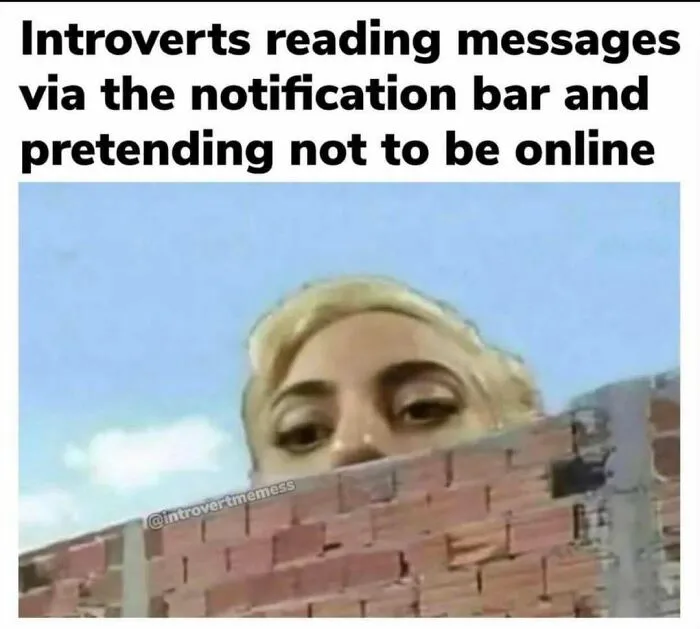
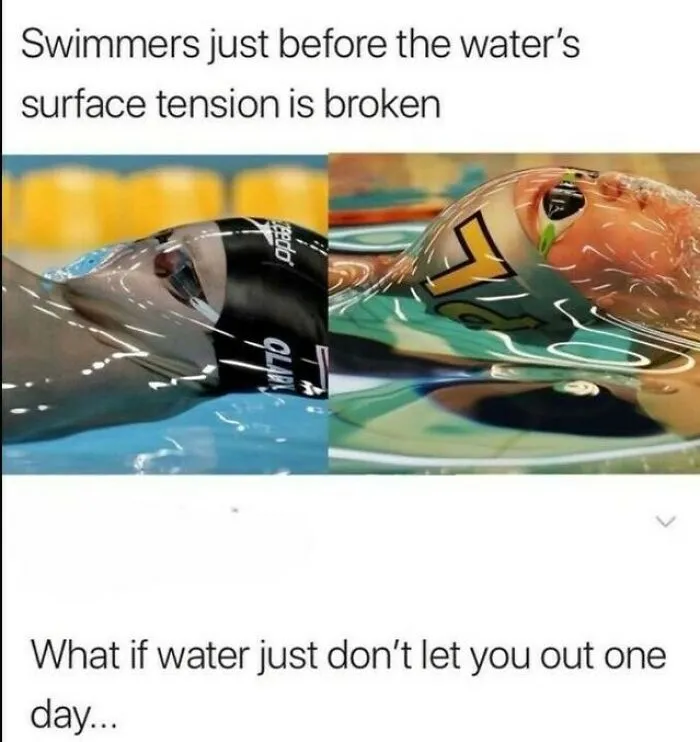

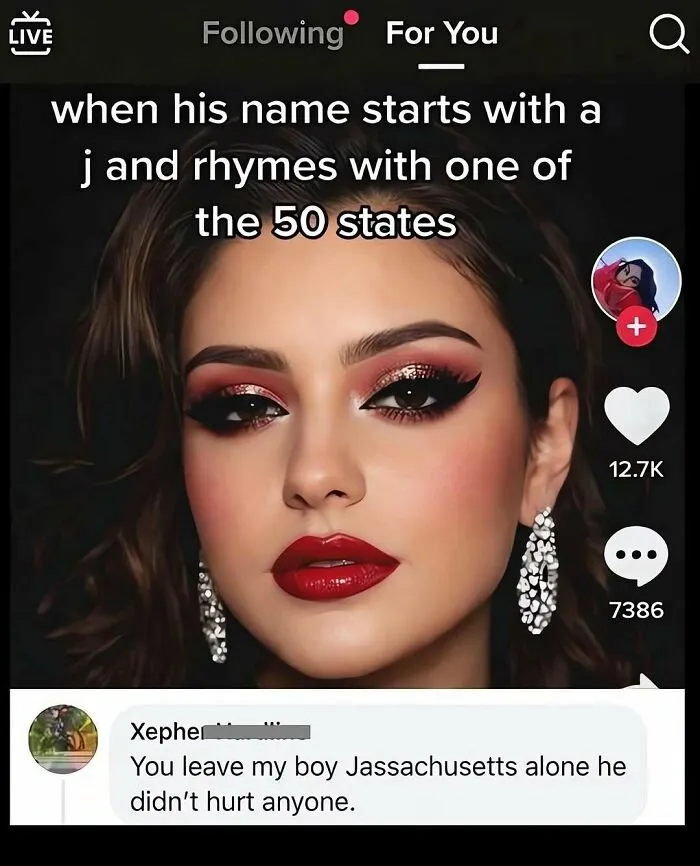
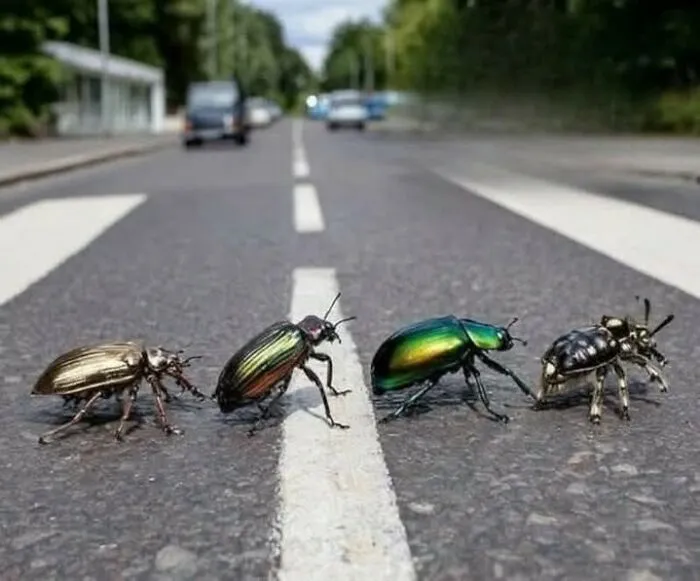
By 2016, screenshots joined the party, and accounts dedicated to a baking competition and a documentary host helped make the format a hit. Before long, shows, comic books and video games all had fan pages devoted to moments that made zero sense on their own. Pictures with no caption, no location and no explanation were an easy next step.
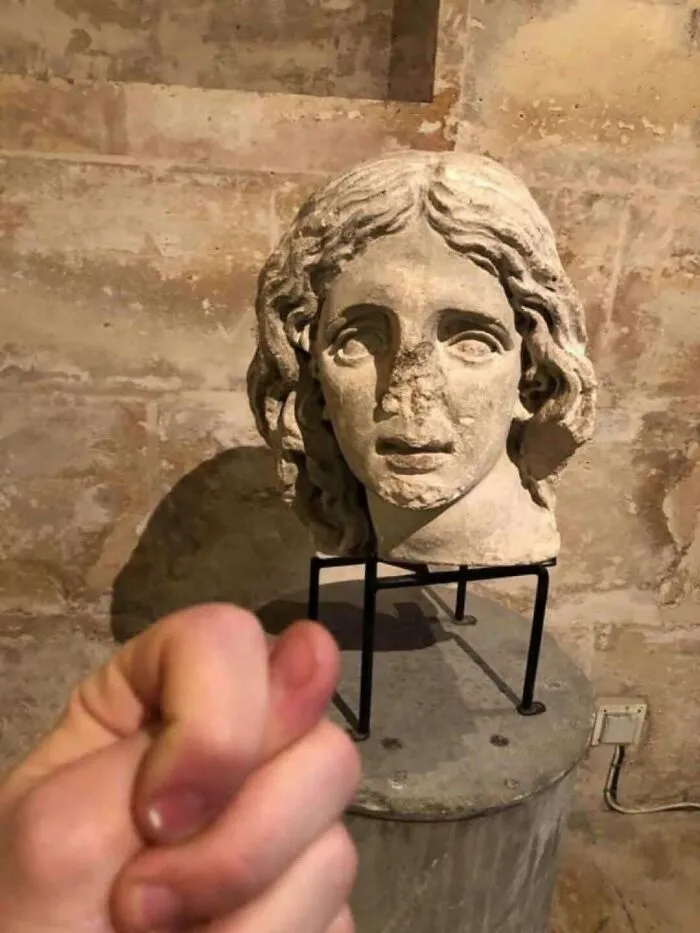
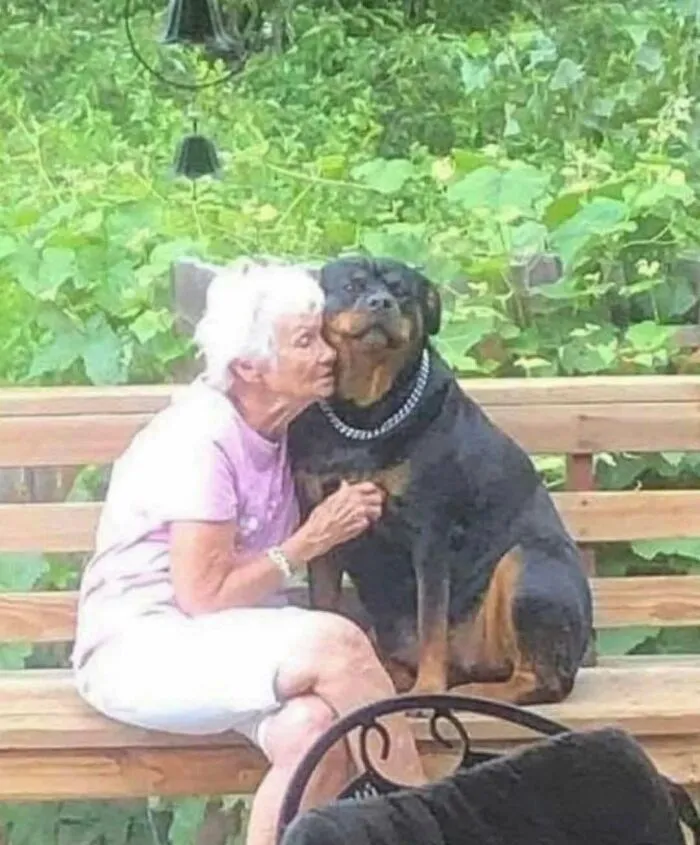
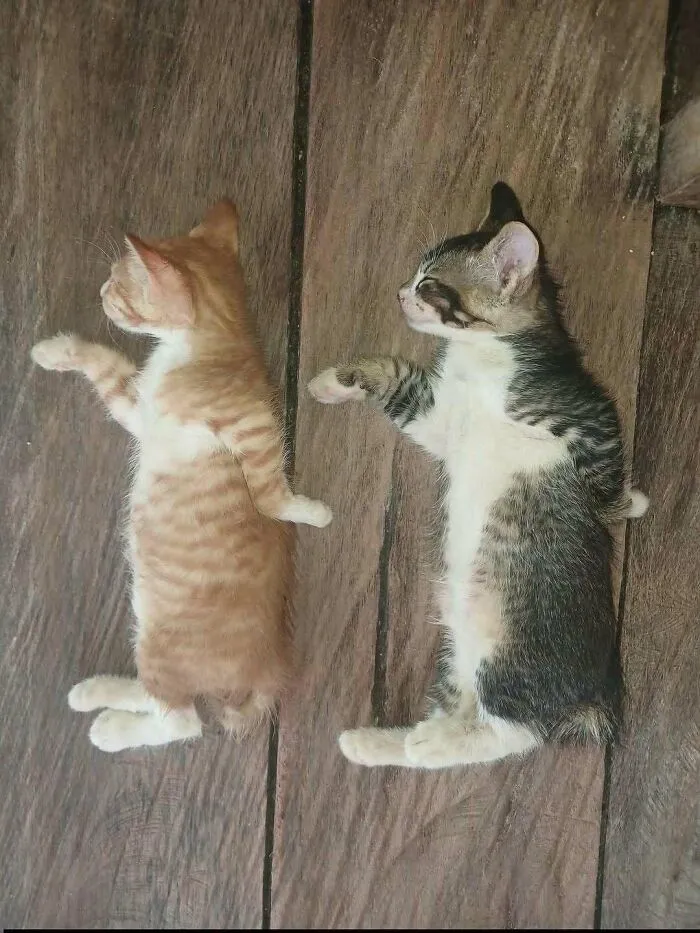
So why do we love it? Start with the brain. Back in 1994, behavioral economist George Loewenstein proposed that curiosity switches on when we notice a gap between what we know and what we want to know. His later work with colleagues, including this paper on how people seek and avoid information, describes curiosity as the urge to fill information gaps, meaning specific questions that grab our attention.
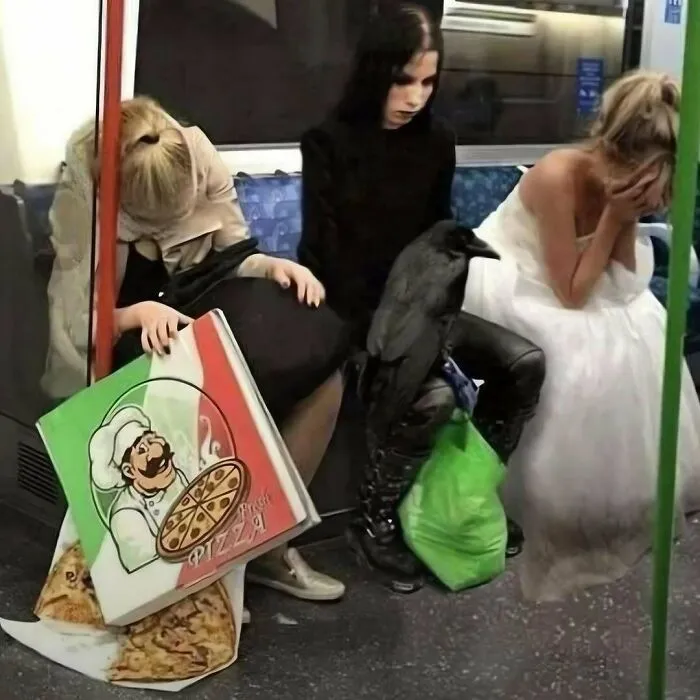
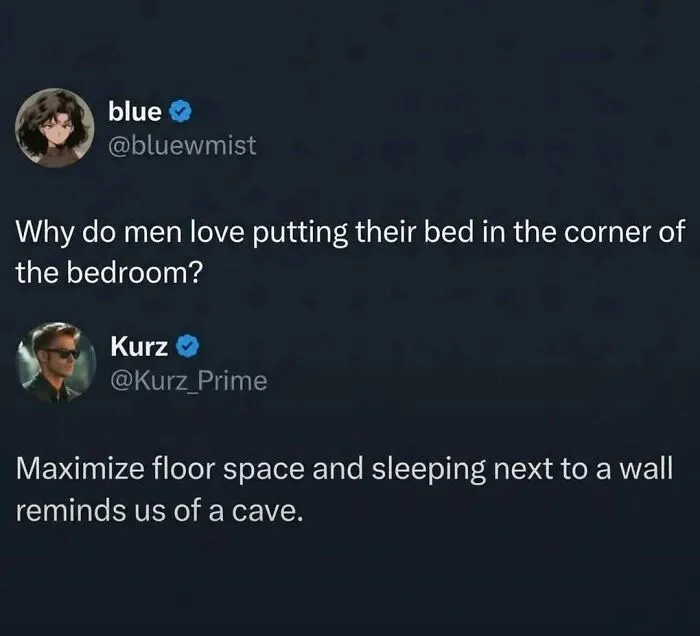
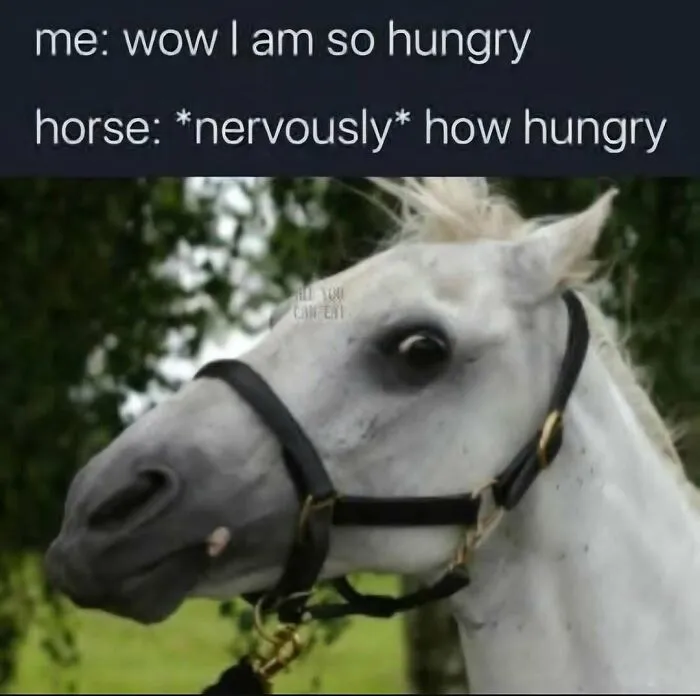
A no context image is a perfectly built gap. It hands you a mystery and quietly hides the answer. Why is there a canoe in the living room? Who left a single boot on top of that statue? Your brain demands a solution, and the delicious part is that it never gets one.
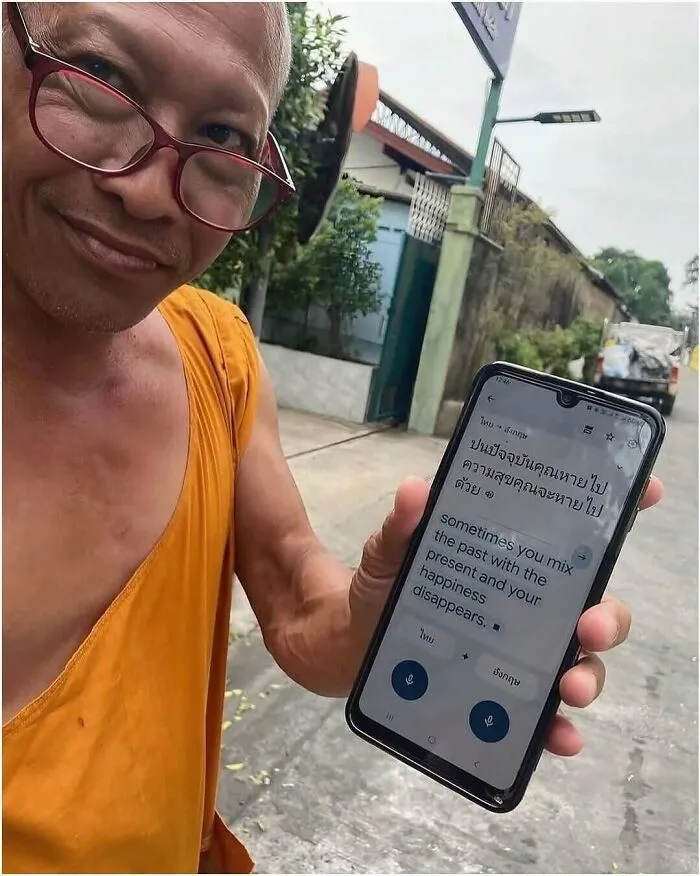
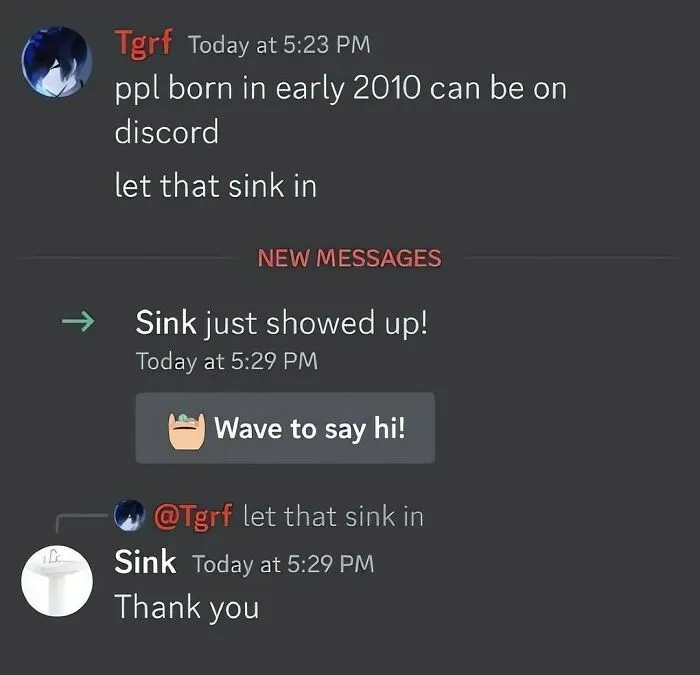
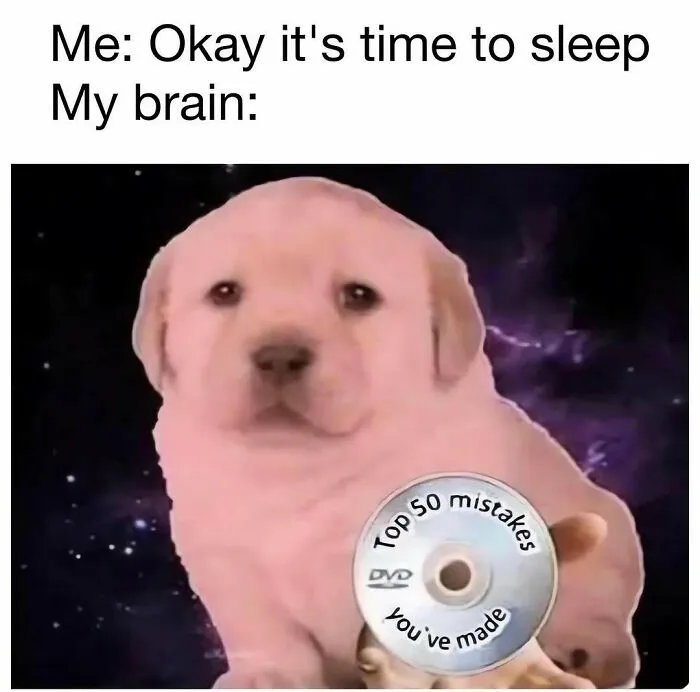
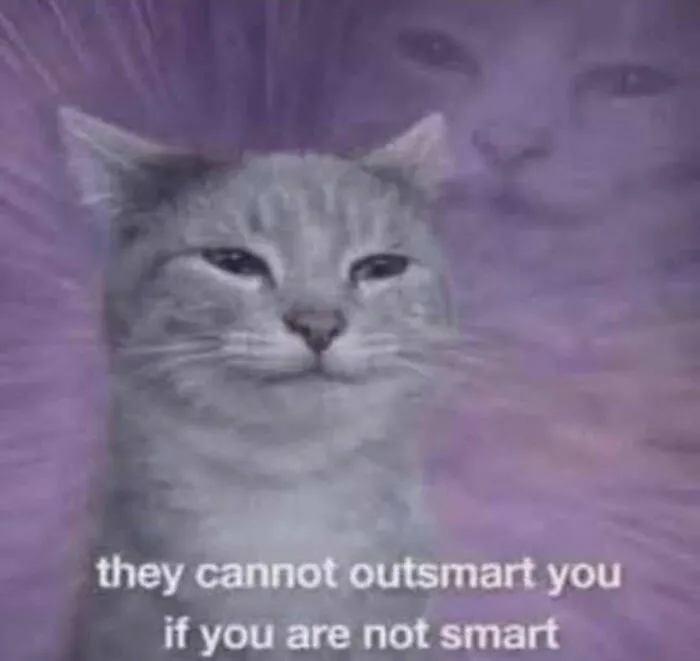
Then there is the social side. A mystery is more fun with company, and the comment section turns into a detective agency. One person is sure it is a movie set. Another swears it is a school fundraiser. A third insists the cat in the corner is clearly in charge. Nobody can confirm anything, which means every theory is equally valid and nobody has to be wrong.
It is a form of bonding through shared bewilderment, and it is a lot friendlier than most corners of the internet. These pictures are also made for sharing. Sending a friend a picture with the message "explain this" is practically a modern love language, and the replies tend to be better than any actual explanation could be.