



This post may include affiliate links.


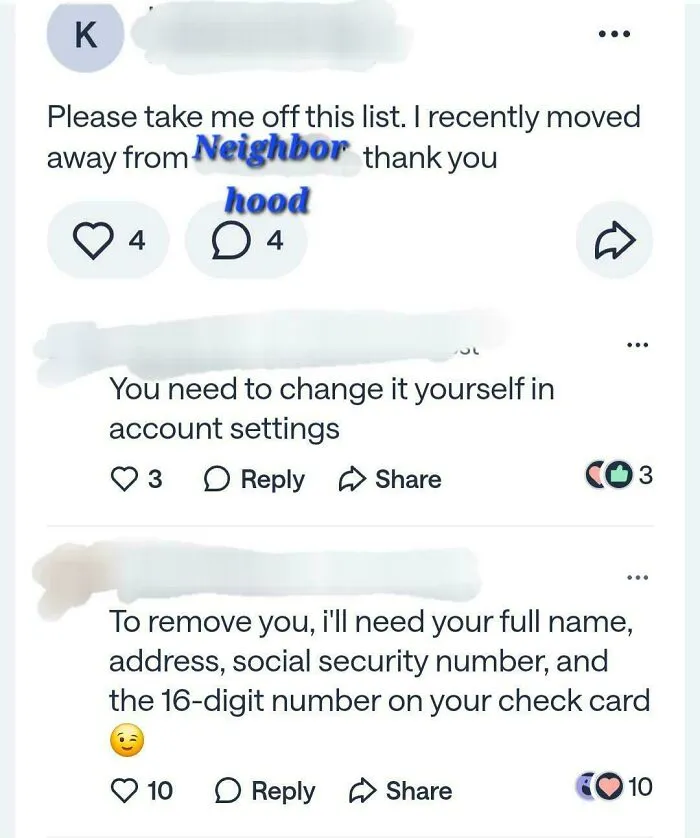
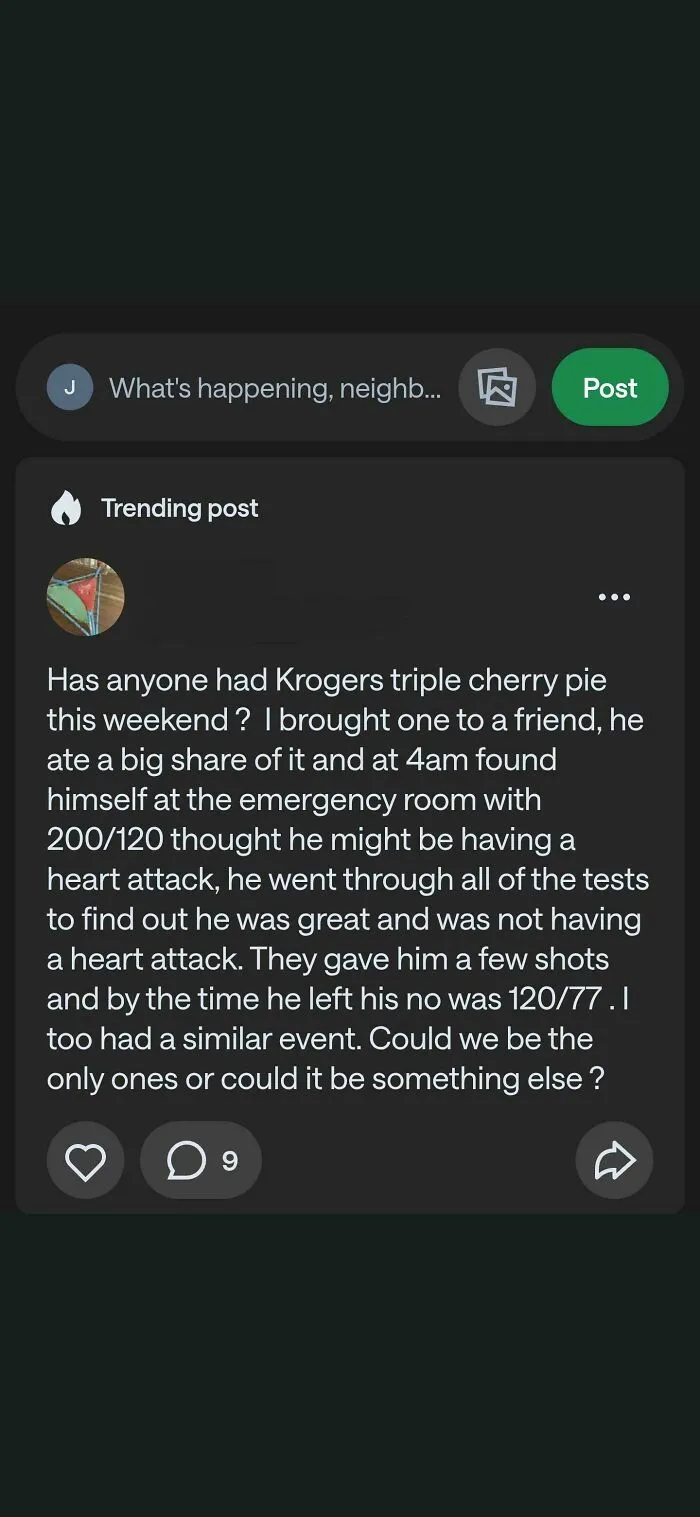
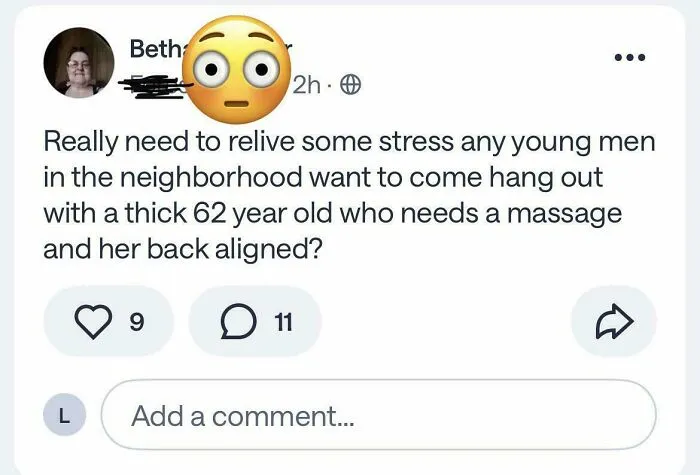
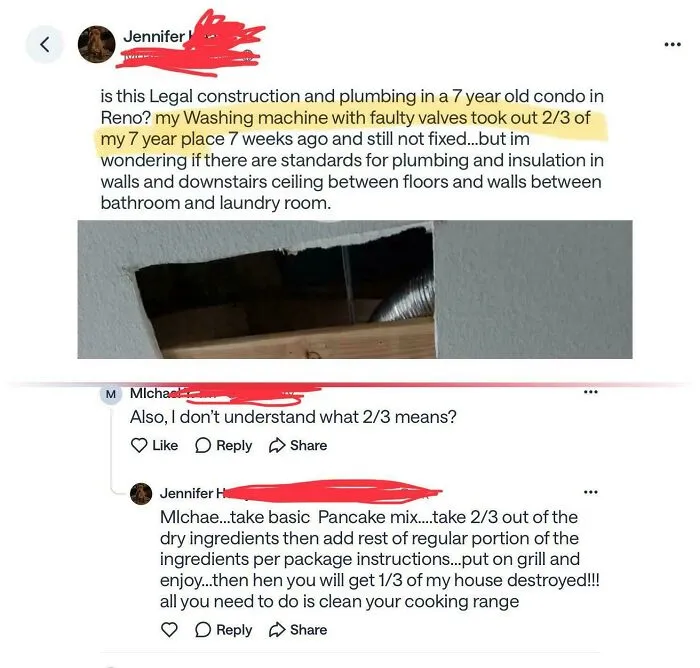
If you think about it, sharing stories or screenshots of a neighbor’s social media posts to an online community is a form of gossip. And when we say gossip, we immediately get a negative impression.
However, sociologist and social psychologist Rob Willer says this type of chatter isn’t always bad.

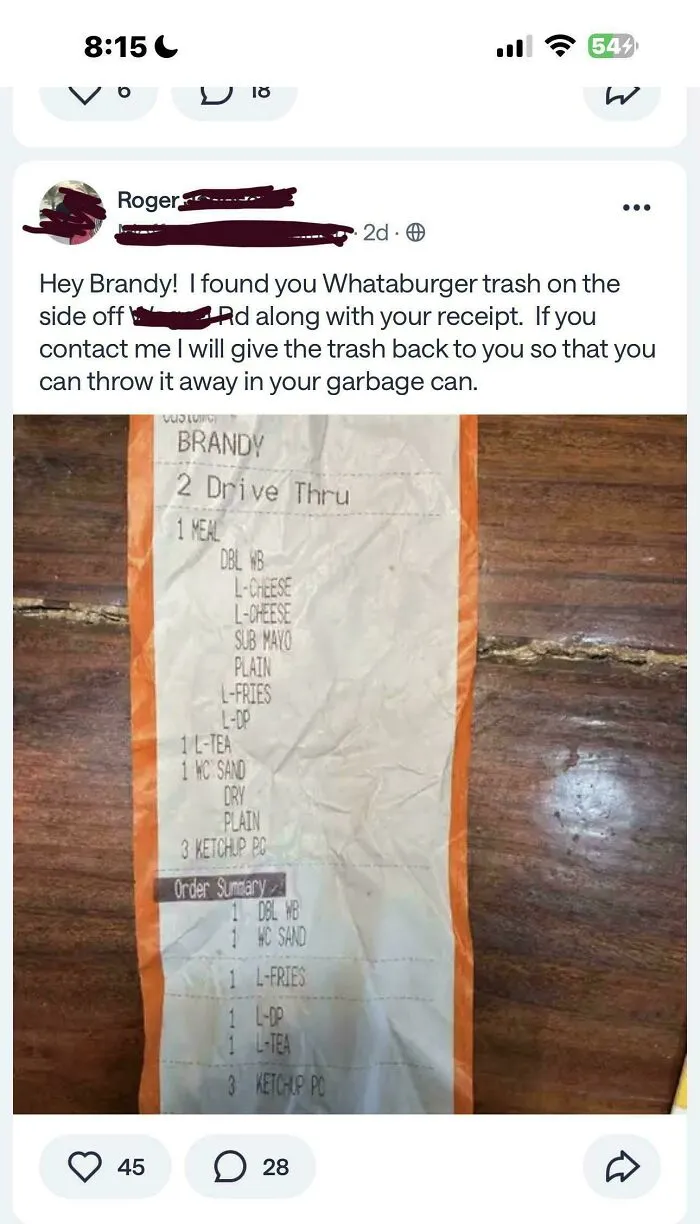
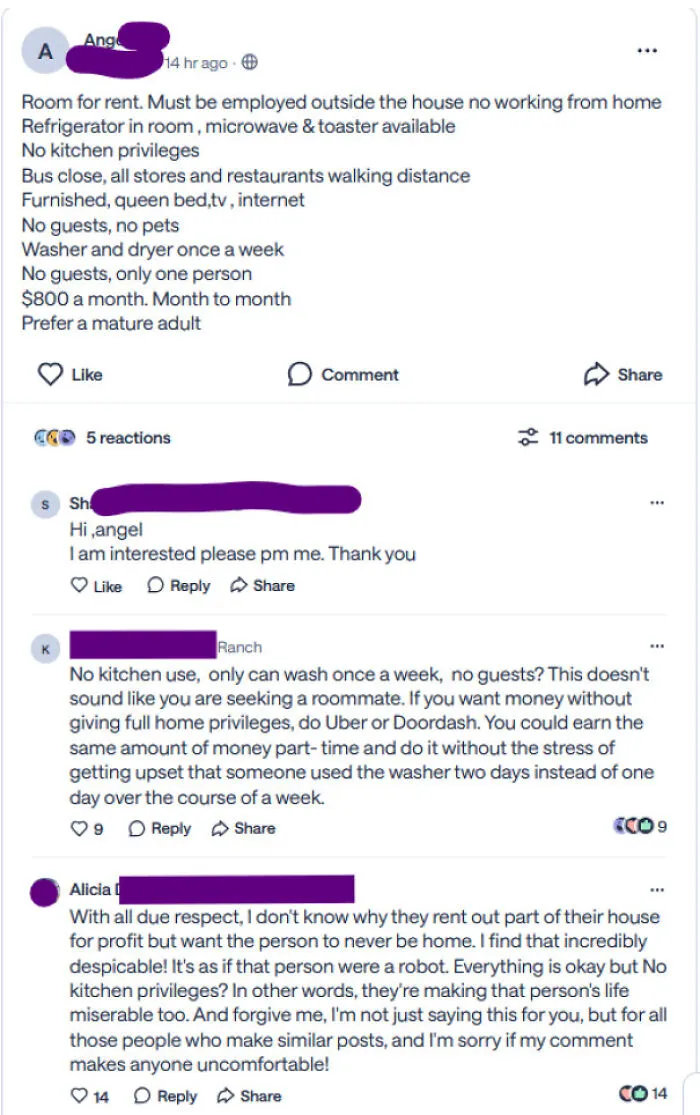
“Gossip gets a bad rap, but we’re finding evidence that it plays a critical role in the maintenance of social order,” Willer said.
Willer’s former colleague at UC Berkeley and fellow social psychologist Matthew Feinberg shared a similar sentiment, stating that we shouldn’t feel guilty for gossiping if it helps prevent others from being taken advantage of.

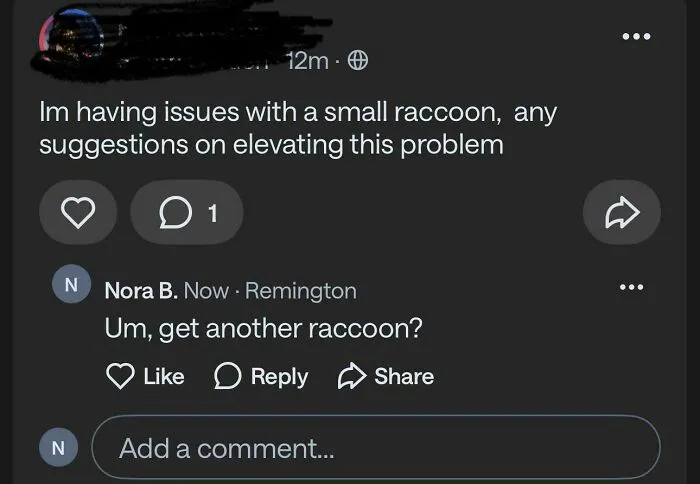

If we were to piggyback on Feinberg’s statement, we could argue that gossiping or discussing current events, whether local or national, creates a sense of community. And according to a 2024 Pew Research survey, a chunk of Americans are already relying on neighbors more as trusted resources than mainstream media.

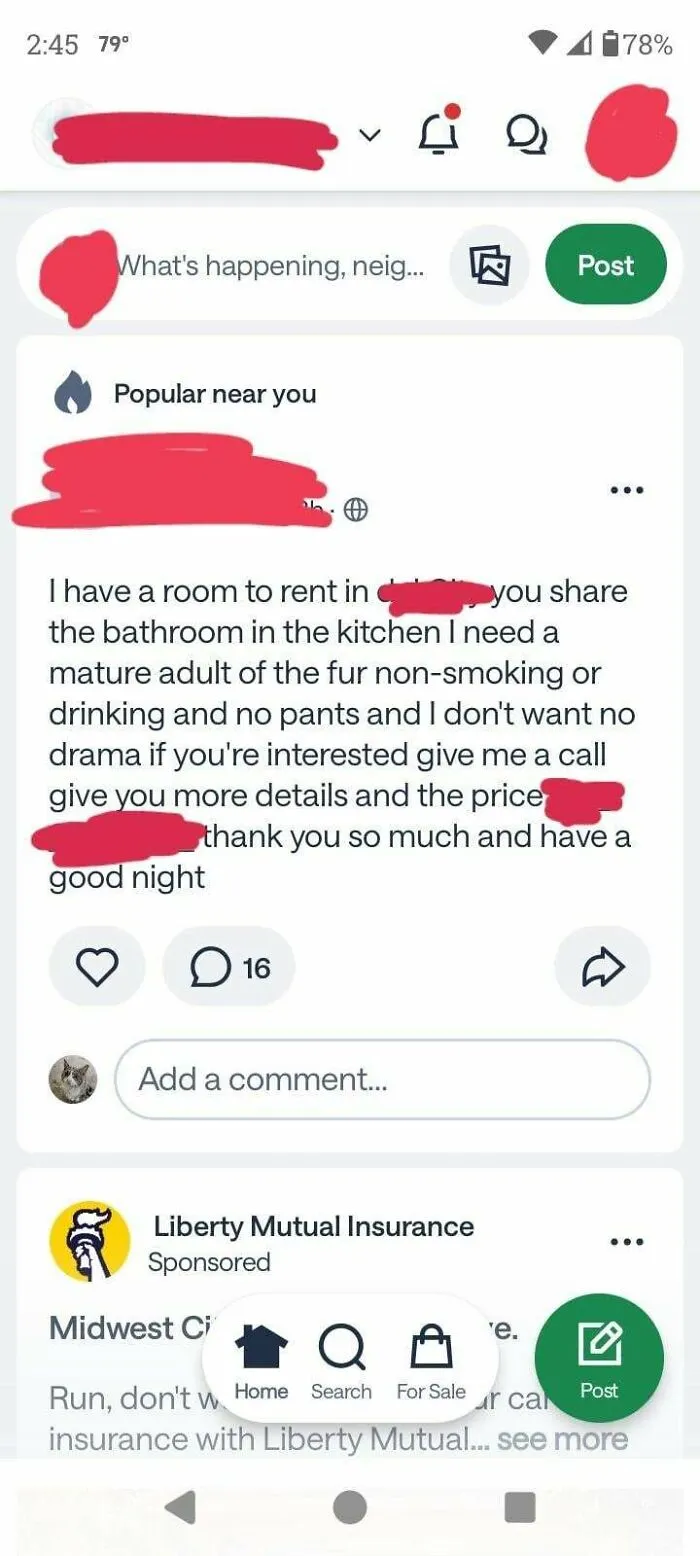
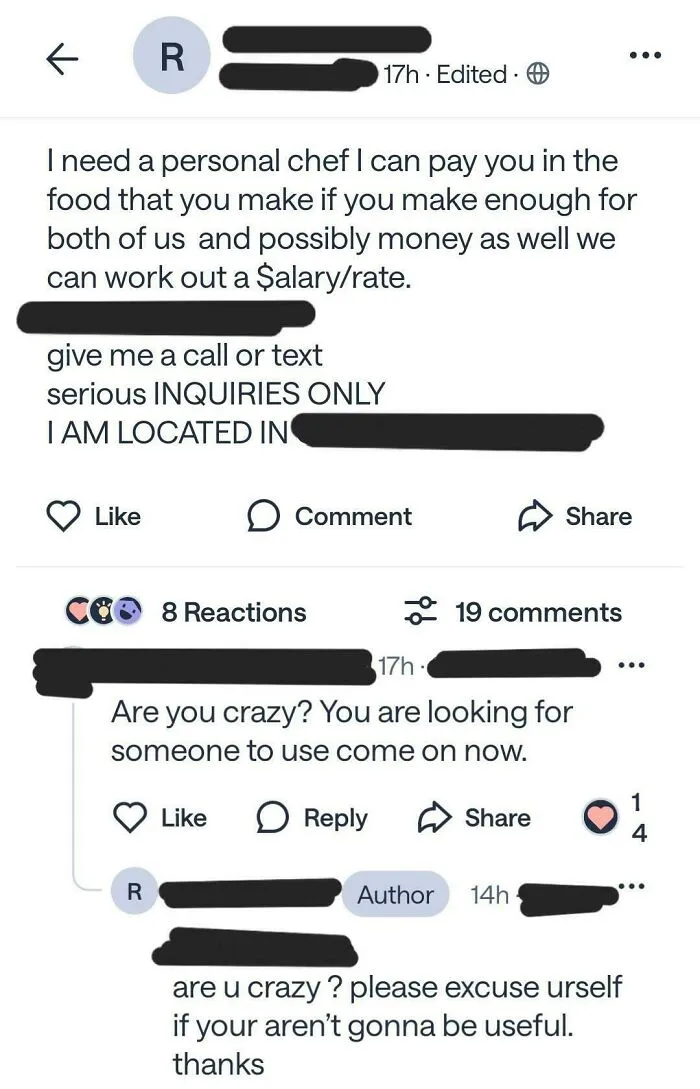
#12 An Incredible Job Opportunity. ("And Possibly Money..." Was Only Begrudgingly Added Later)
The survey also highlighted that local news is still passed around primarily through word of mouth, with 62% of respondents reporting this. Only 12% get their news via text or email, and 25% on social media.


According to the survey, Americans also respond to local crime news through social interaction. Specifically, 73% of U.S. adults say they’ve spoken to either family members or neighbors about crime in their community.
These are quite interesting findings, considering we live in an age when most interactions happen online.