

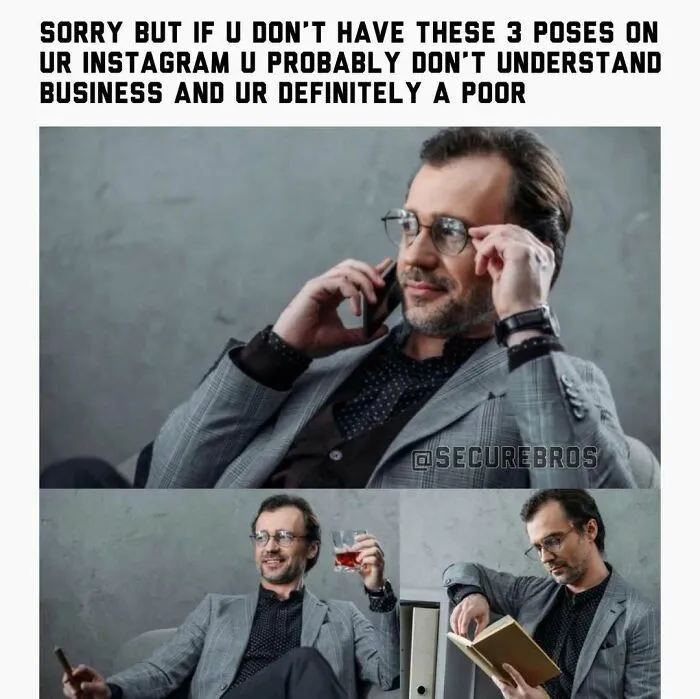
Meanwhile, WebMD stresses that for longer-lasting feelings of insecurity, you should consider seeking a professional therapist for help sorting out your emotions. They’ll be able to help you develop strategies to empower you in your daily life.
Even though you shouldn’t be overly naive and trusting in life, you also shouldn’t be paranoid about being rejected and disliked by others. There’s a balance to be found.
“Ask yourself if you have any reason to distrust expressions of affection or liking from others. People with insecurities sometimes express doubt and perceive rejection in everything from partner relationships to new acquaintances. These expressions can be self-fulfilling. Practice taking displays of interest at face value, something that can be easier in more casual relationships. You can build up the confidence to accept deeper affection and intimacy.”

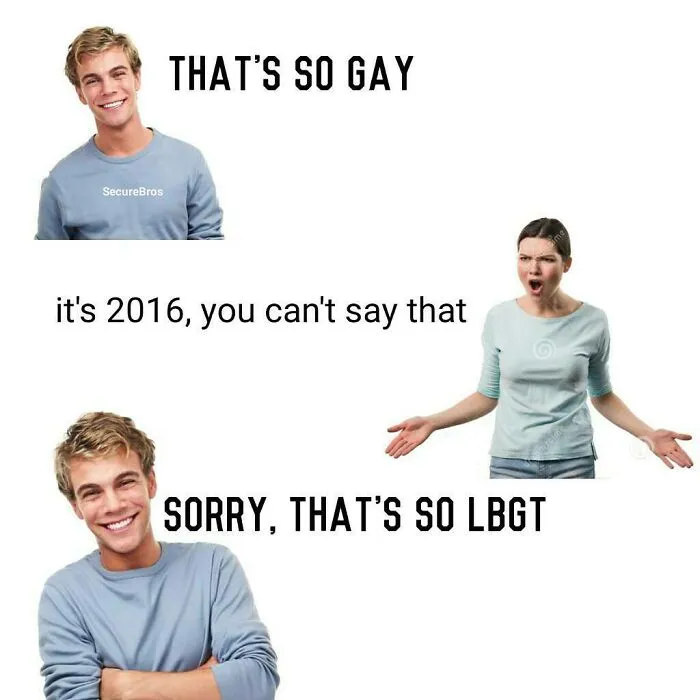
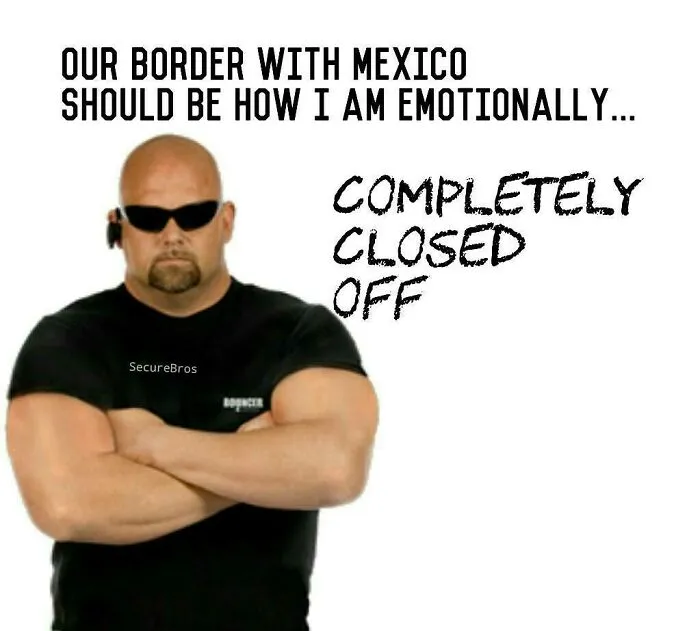
In the meantime, you should focus on building meaningful, positive social connections with your friends, family, and colleagues.
“There’s an inverse correlation between healthy social networks and insecure attachment styles. Having a wide circle of friends and many close connections allows you to develop the tools and confidence to engage in deeper adult relationships,” WebMD explains.
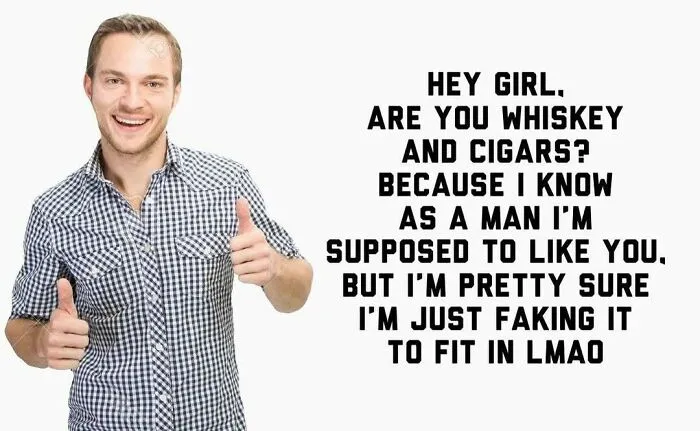
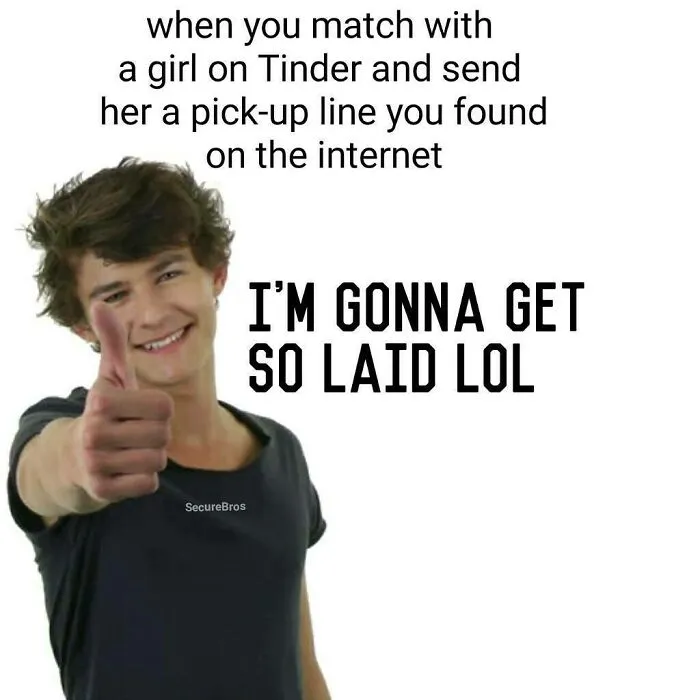
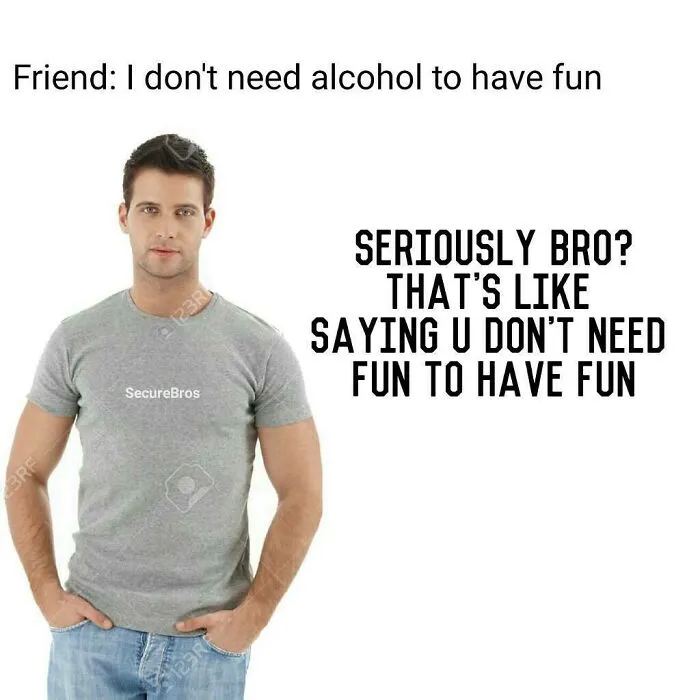
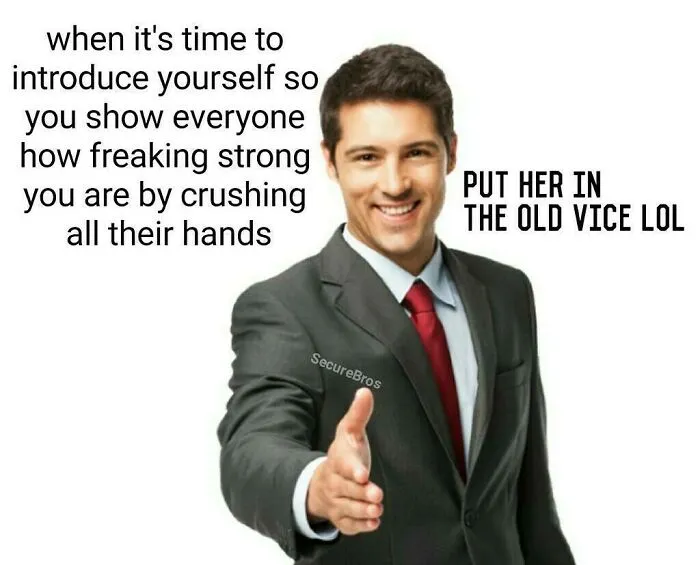
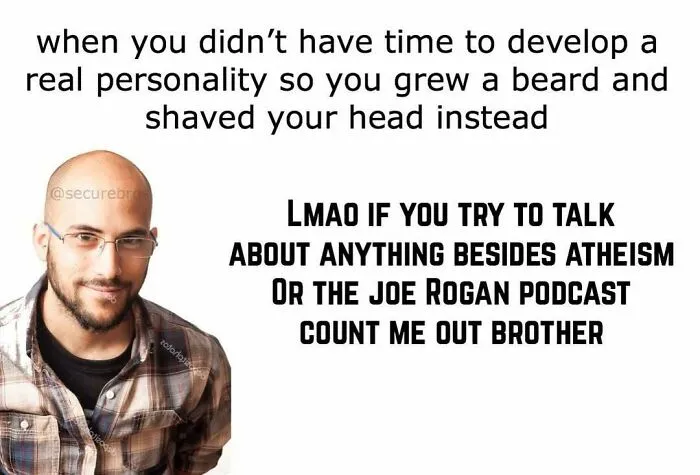
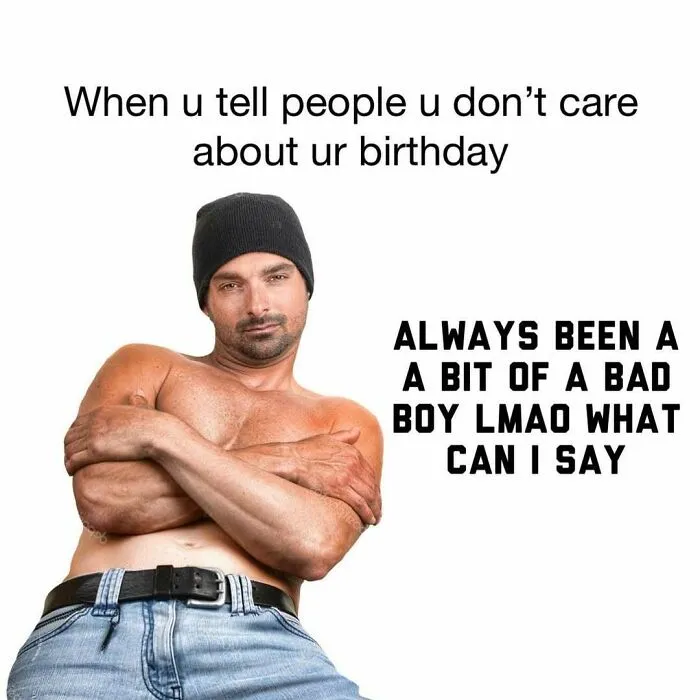
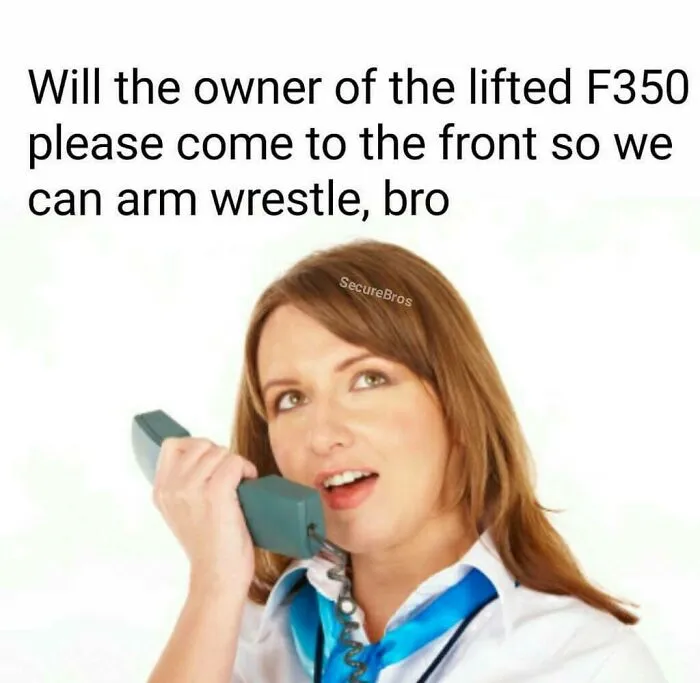
The United States-based ‘SecureBros’ account, which jokingly states that it is for “alphas only,” has been up and running for over a decade. It was created back in May 2016. Currently, the project has 20.8k followers. We’ve reached out to the curator for comment, and we’ll update the post as soon as we hear back from them.

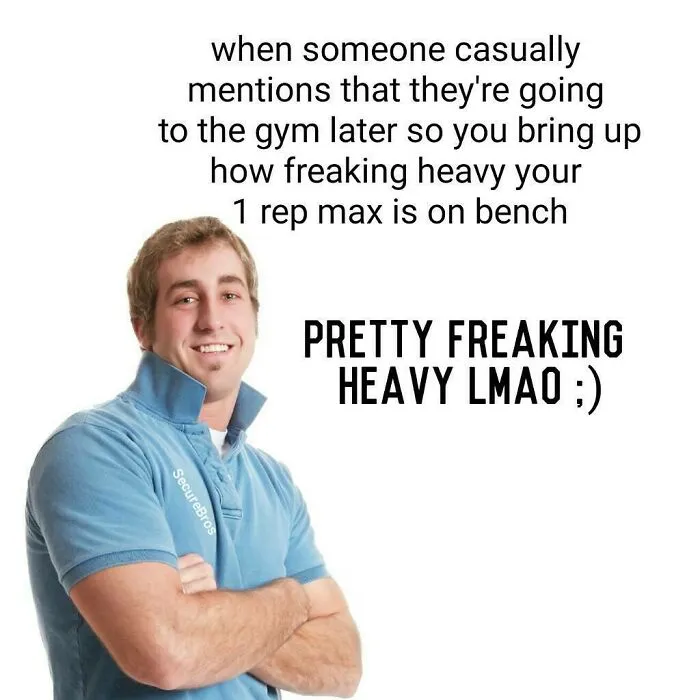

Do you have any people in your social circle who have serious self-esteem issues? What about fake ‘alpha’ bros? Where do you think their insecurity stems from?
From your perspective, what does real masculinity look like? If you feel like sharing your perspective, you can join the conversation in the comments section at the very bottom of this list.