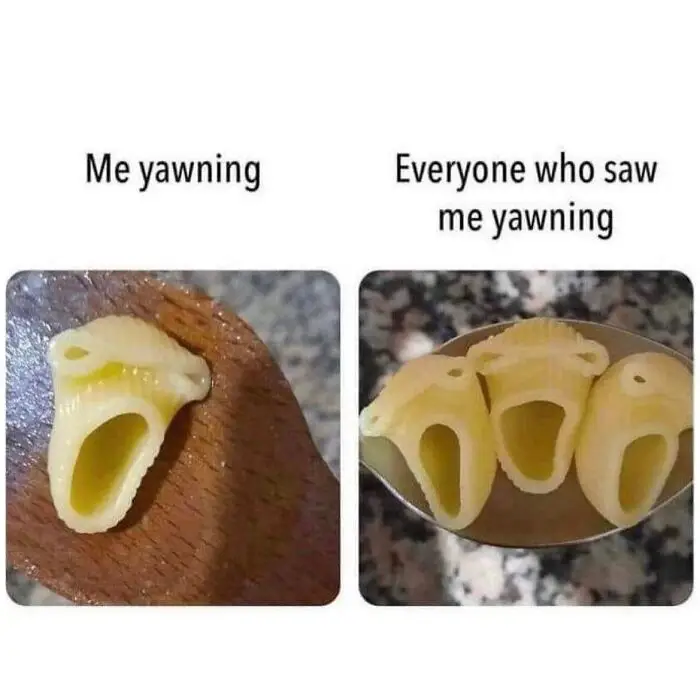




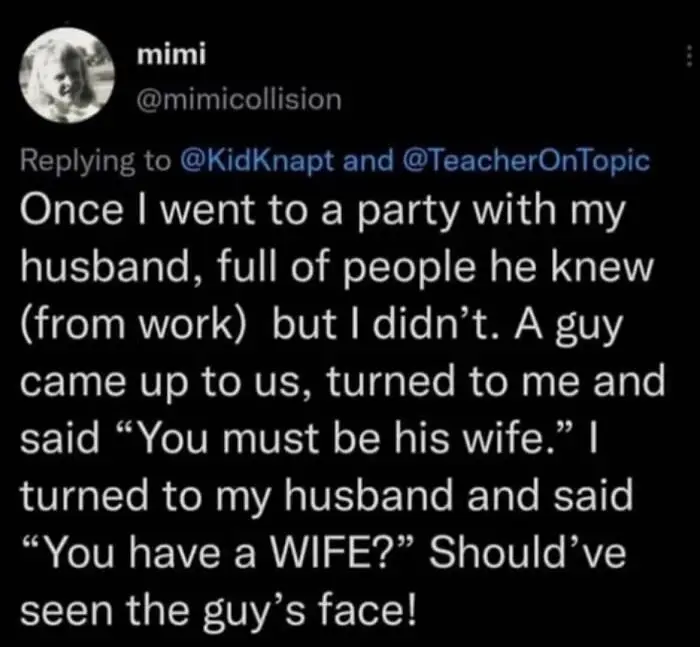
Scrolling through memes and jokes is nice, but you know what might be even nicer? Brightening up someone’s day with a good joke or two. The thing is, you have to know how to deliver a good joke without offending anyone or having the joke not land, especially in the workplace. Yet that doesn’t mean you should stop trying.
Joking around at work can seem dangerous: one misstep and you’re in hot water with a colleague, your manager, or, worse — the person who signs all your checks. So, reading the room should always be the first step. The rules around humor can be more lax in an environment such as a tech startup, but they may be different in a lawyer’s office, the hospital, or a government agency.



A big part of the workplace humor culture is determined by the upper management. According to the senior engineering director at Vinted and a partner professor at Vilnius University, Vytautas Aseris, humor at work is a reflection of organizational culture.
“It’s part of creating an inclusive environment at work,” he says. “It’s my attempt at reaching those who are still far away from that inclusivity. Joking around and discussing, analyzing these jokes helps us find common ground.”



In the 20th century, Dutch psychologist Geert Hofstede developed a model of national cultures based on 6 dimensions. One of them, power distance, is related to how humor can be used and perceived in the workplace. In cultures where the power distance is large, like Russia, Mexico, and China, you wouldn’t expect a subordinate to be able to make fun of their boss or casually crack jokes together.



In countries such as the U.S., Sweden and Australia, the power distance is considerably smaller. An employee and an employer, therefore, can joke around more freely without either getting offended easily. That doesn’t mean that people don’t respect their bosses there, the work culture is more laid-back and casual, with each team member treated equally despite the perceived importance of their role.

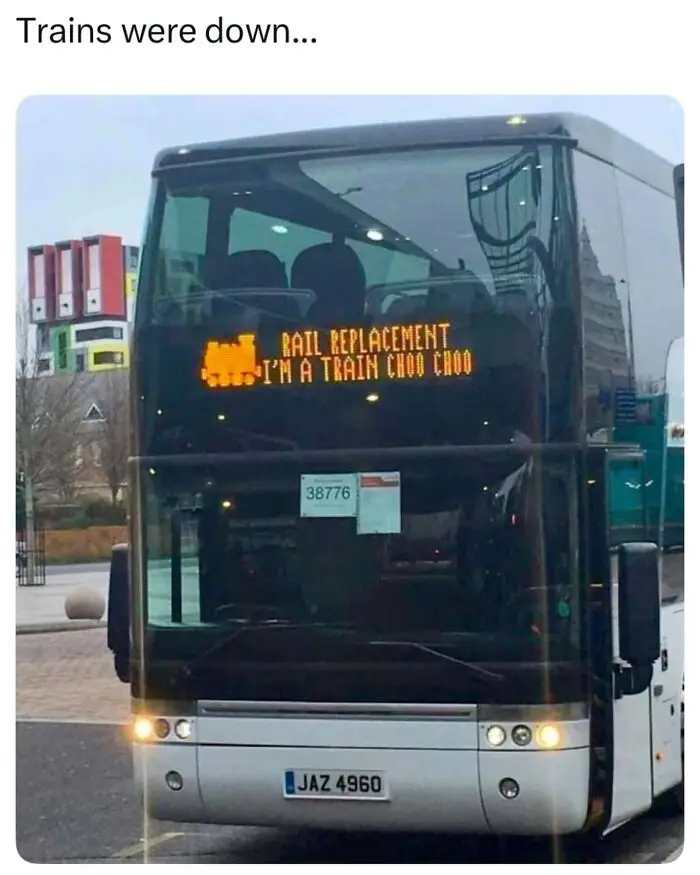

In countries with a smaller power distance score, employees want a more egalitarian, horizontal type of relationship with management. That also means more negative attitudes towards things like micromanagement, subordination, and formal communication. In countries where the power distance between an employee and employer is larger, the boss has to be cautious about cracking jokes. Sometimes, humor on the boss’s part might even be seen as a weakness.


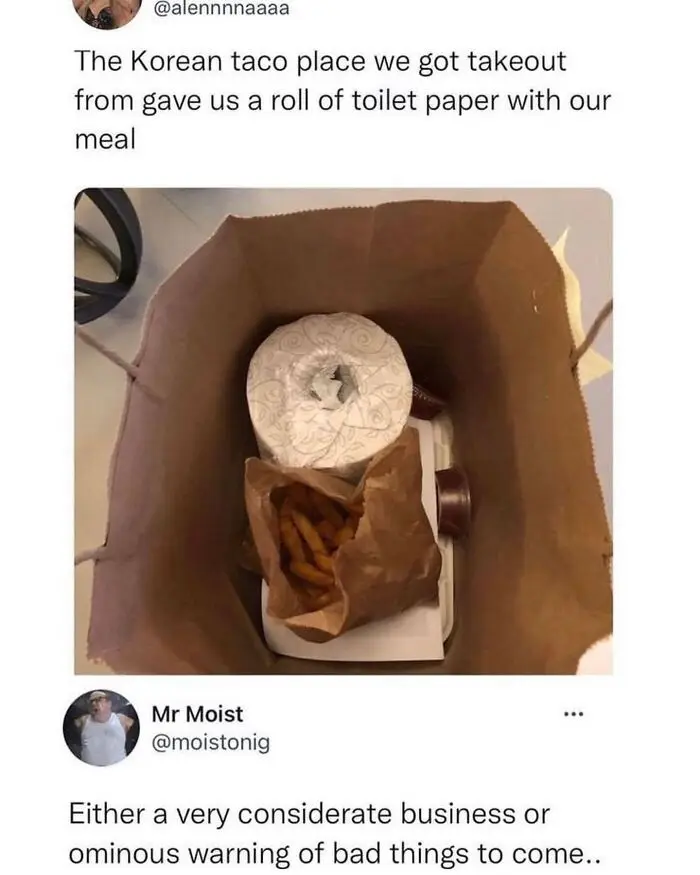
How a bad joke is received at work can tell about that workplace’s culture, according to Aseris. “If you say an inappropriate joke, does someone tell you or do they keep quiet? Do they tell you face-to-face or go to your manager? Do they tell it in person or behind your back? There’s a fine line between bullying and poking fun at someone in a good-natured way that feels safe psychologically.”