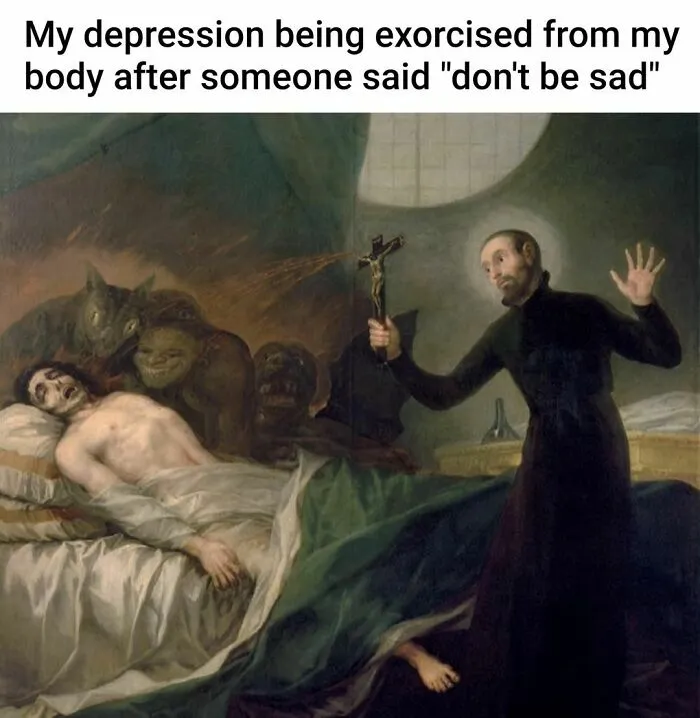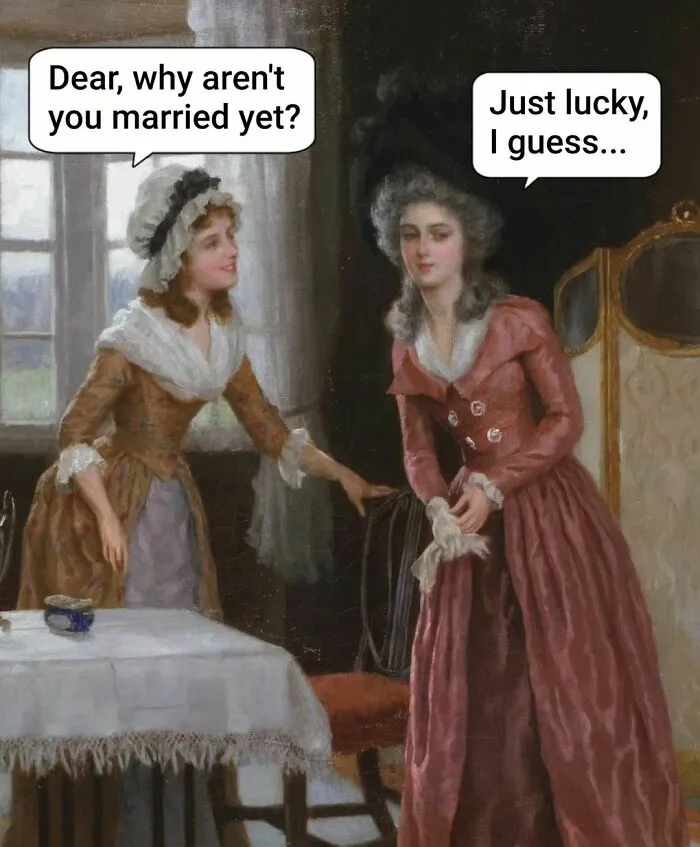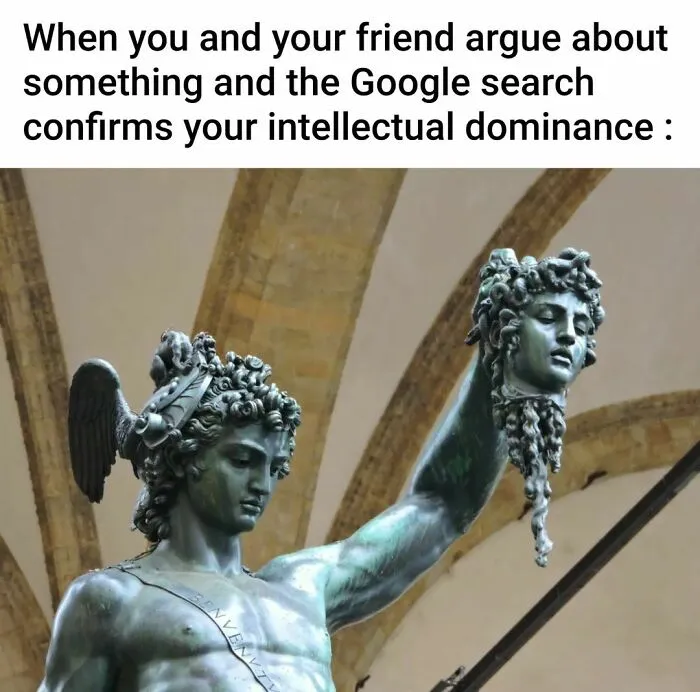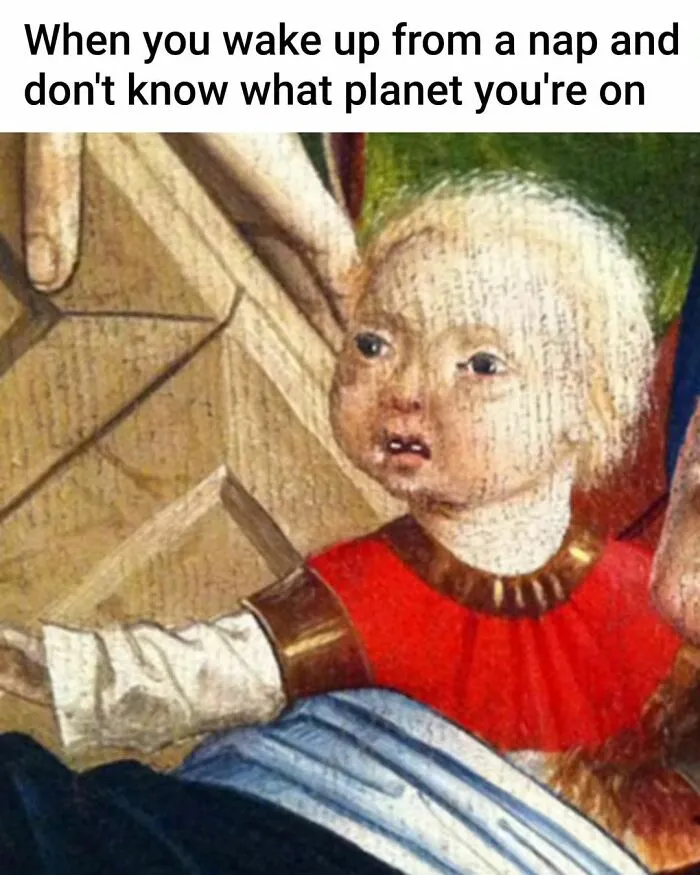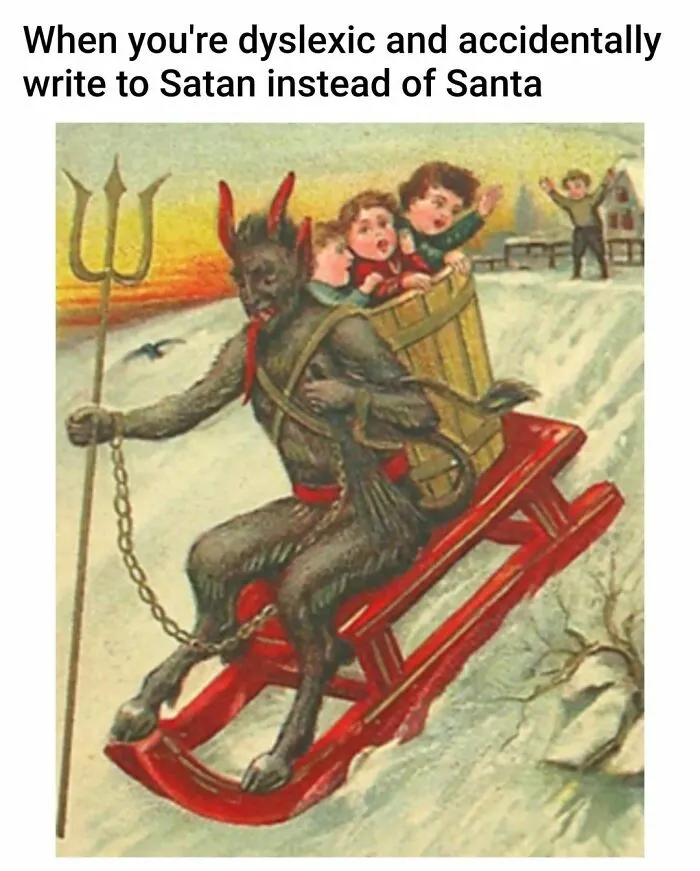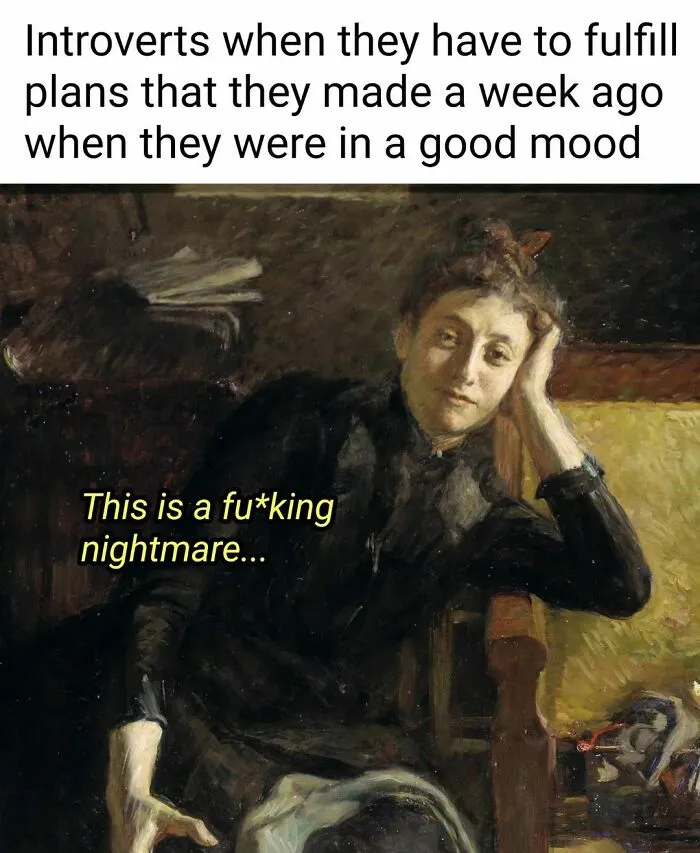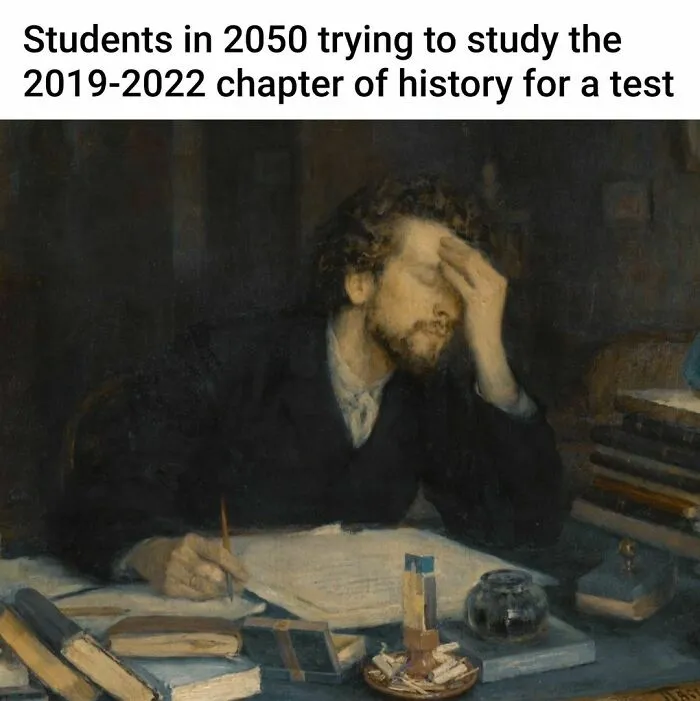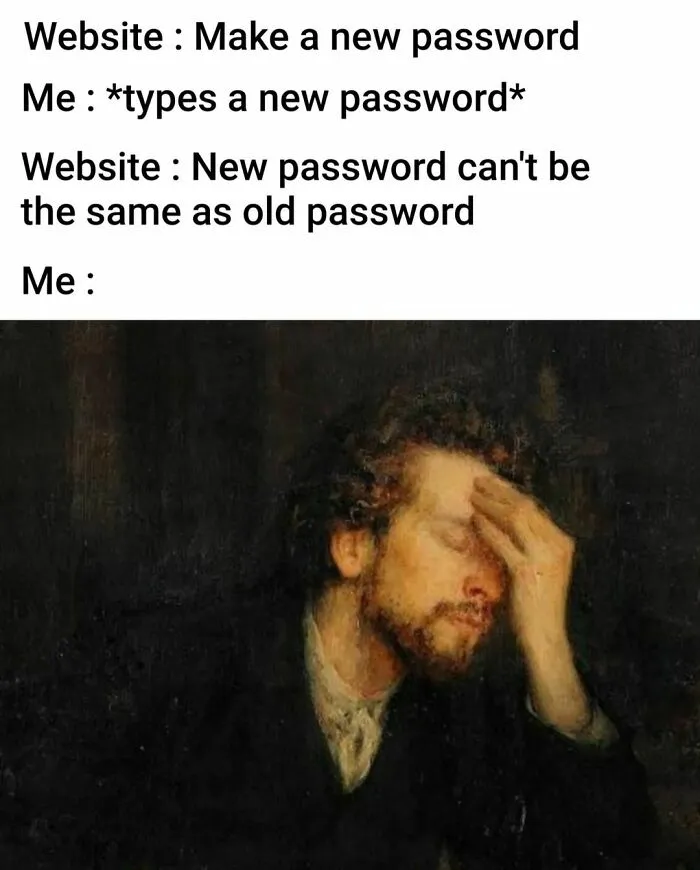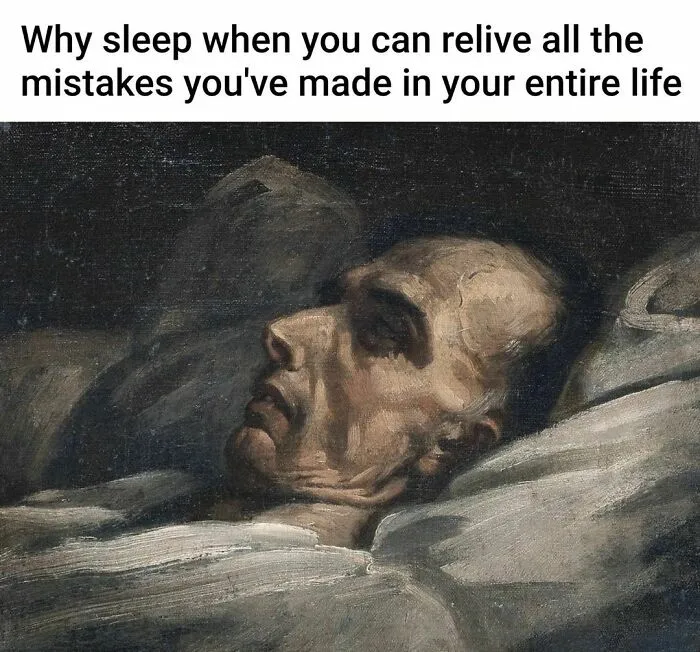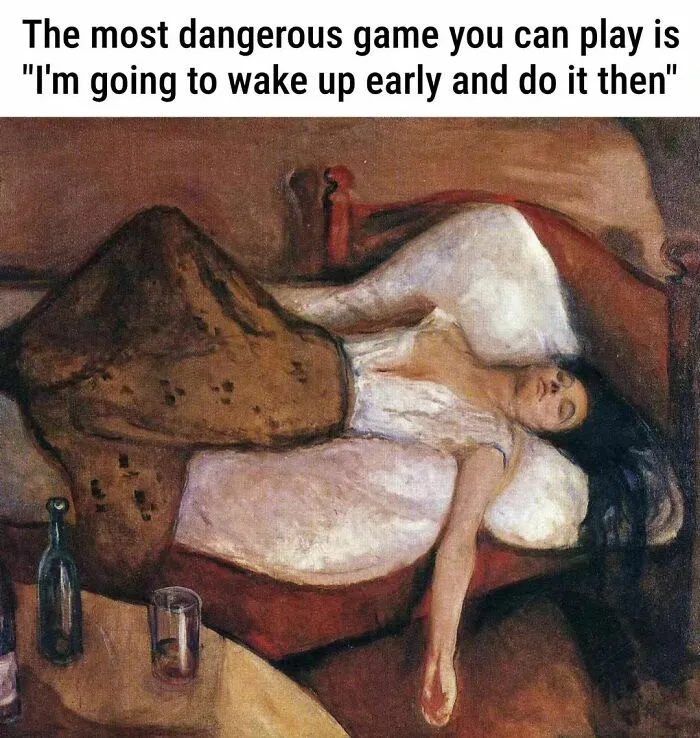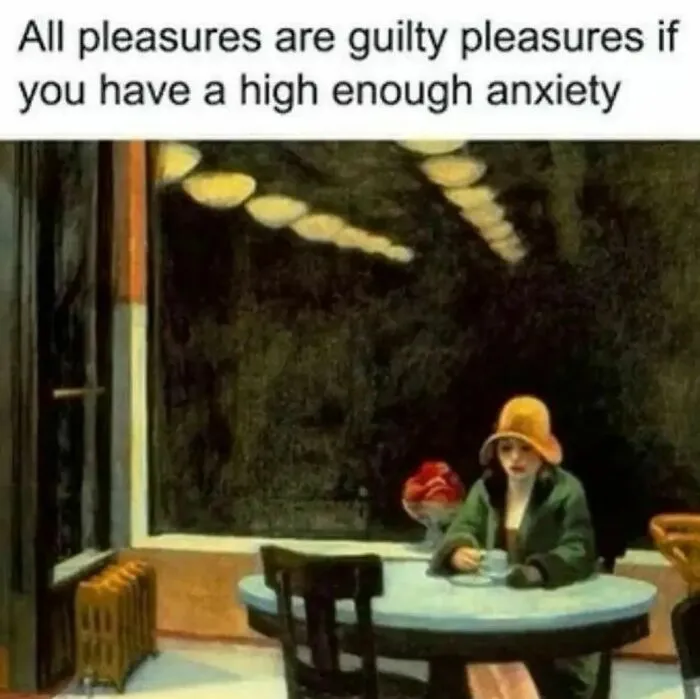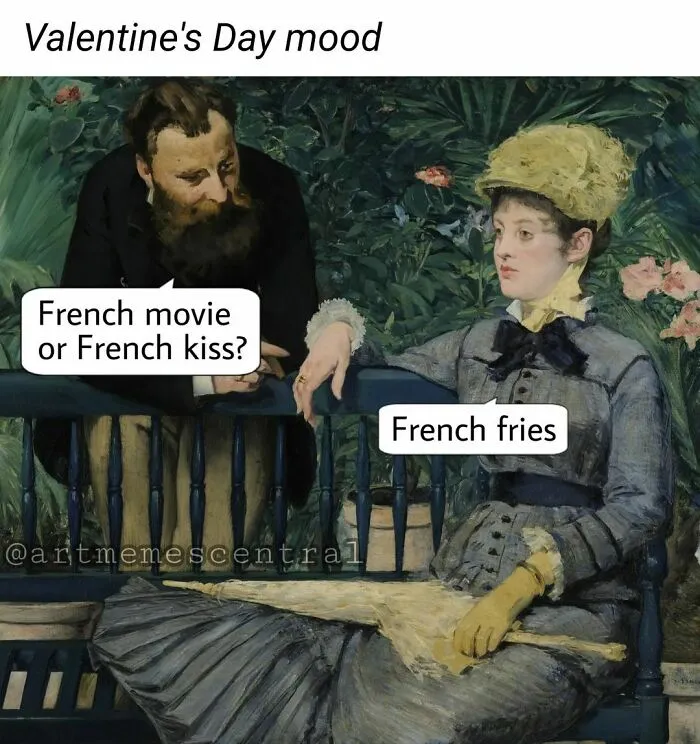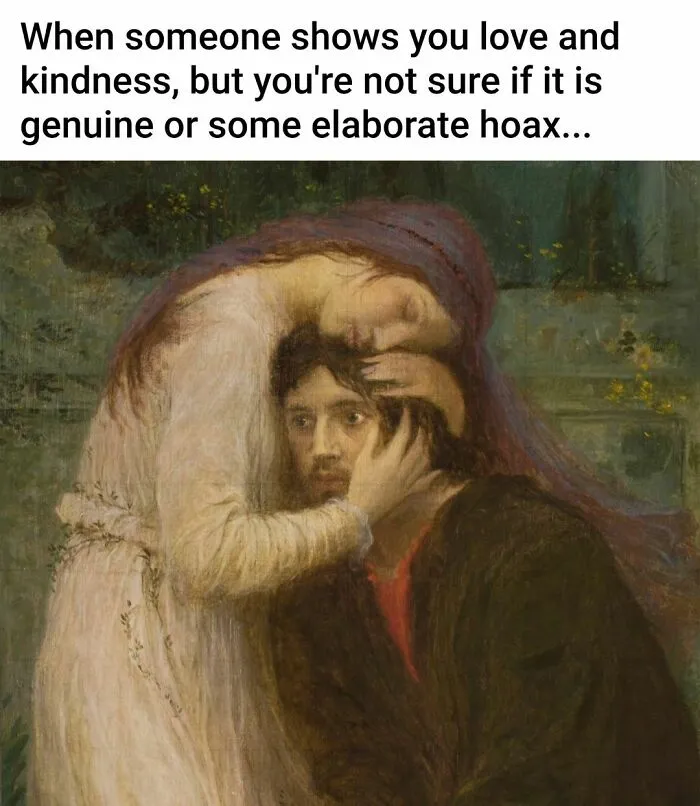





In fact, meme-ing classical art has changed how we interact with it. What once seemed unapproachable and locked away in museums and private collections is now something we can alter and play with. "People can take and make meaning in old works and make them their own with no placards to tell them what to think and what to feel," Carver-Carter wrote.
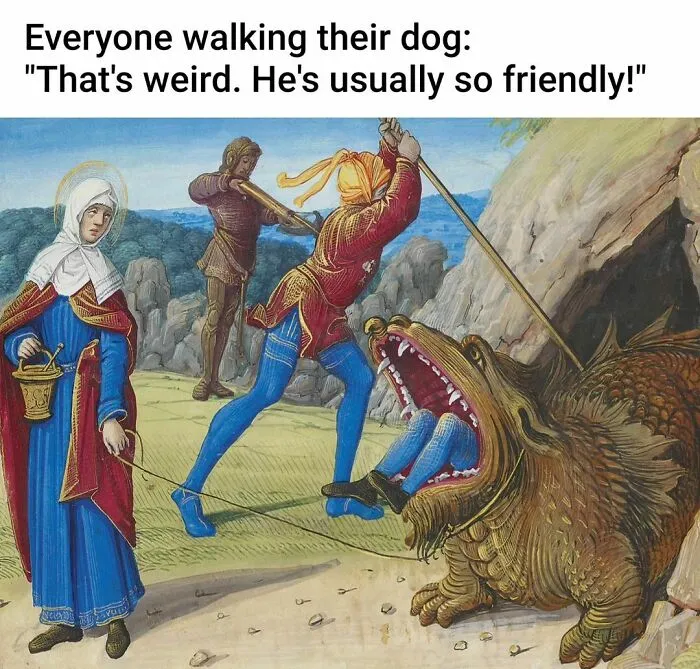
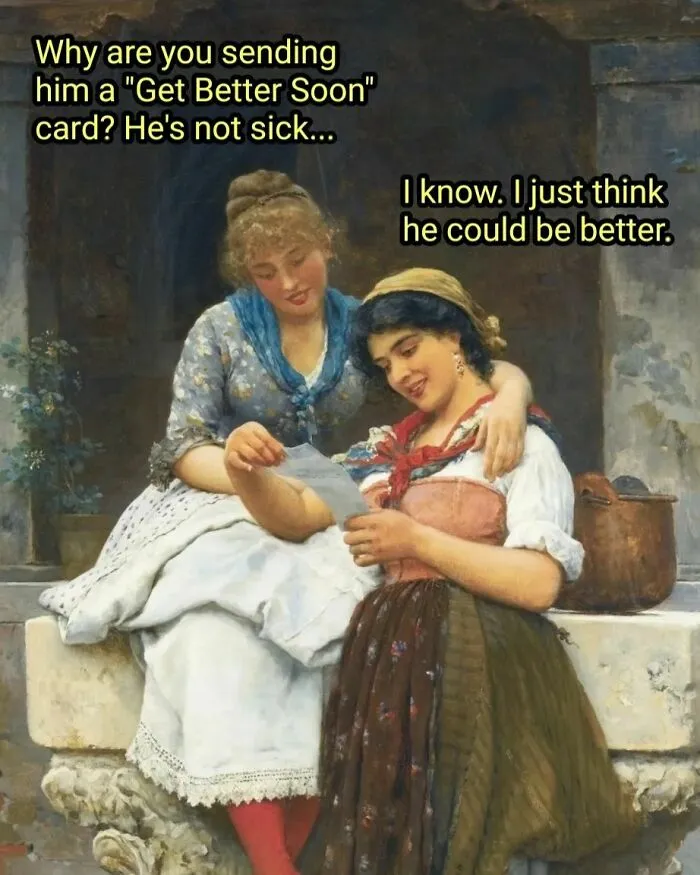
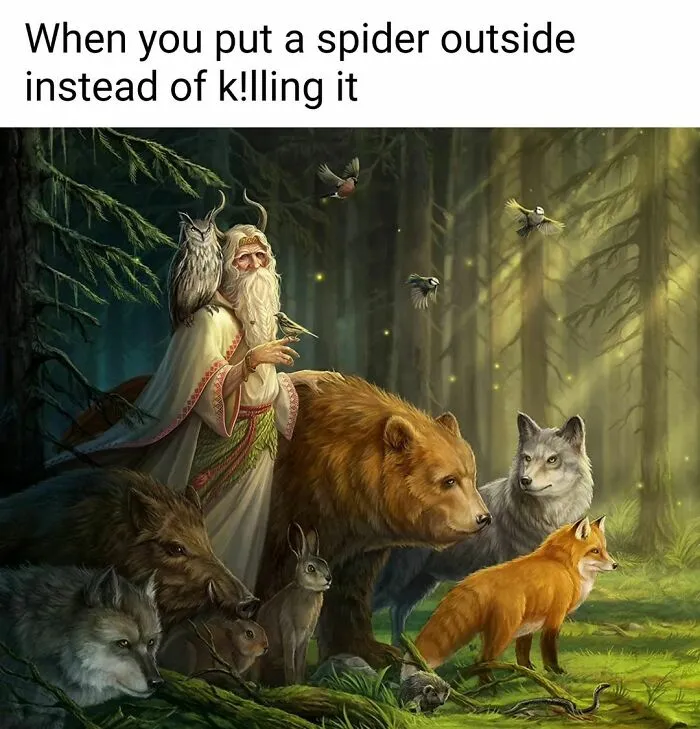
Aside from memes, is art even more accessible to us today than it was, say, 20 years ago? Some would argue that yes. Some call exhibitions like The Immersive Van Gogh Experience and merchandise like the Dr. Martens x Jean Michel Basquiat a step toward more accessibility. Others call it kitsch, not "real" art.
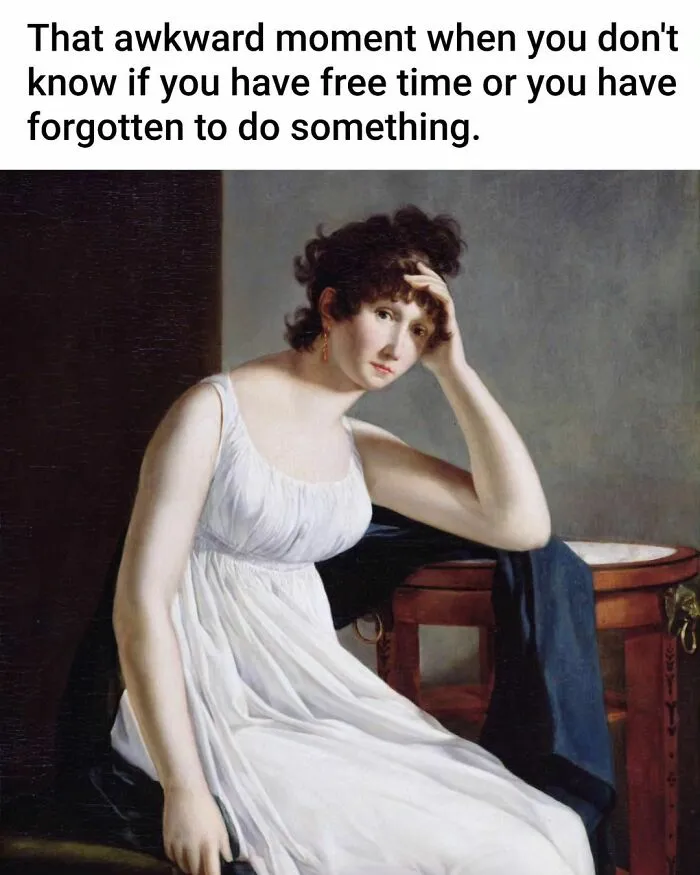
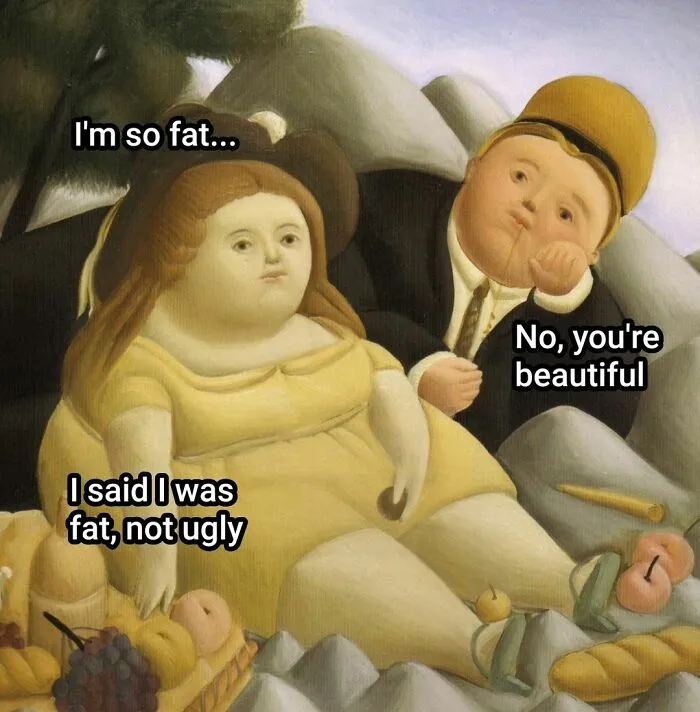
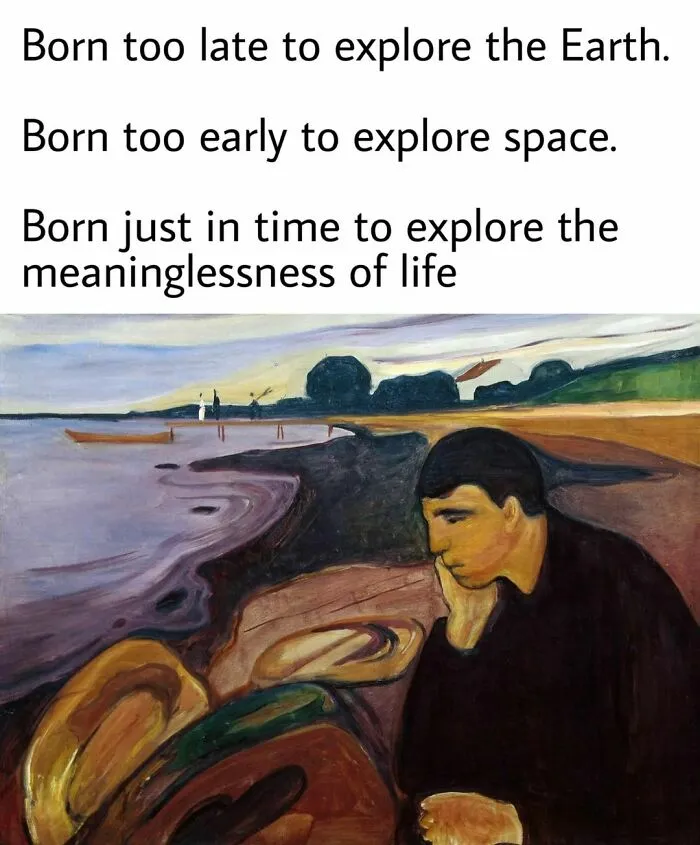
But the reality is that "real" art is still behind closed doors in museums and galleries and millionaires' private collections. In a way, classical art memes can be an act of rebellion; the context of the artwork itself has little to do with the meme itself.
''Memes don't seek to tease meaning that was ever intended in pieces, they confer a meaning by manipulating them," Carver-Carter points out. "That is their power. They are not a misunderstanding but a deliberate alteration."