

#1

#2

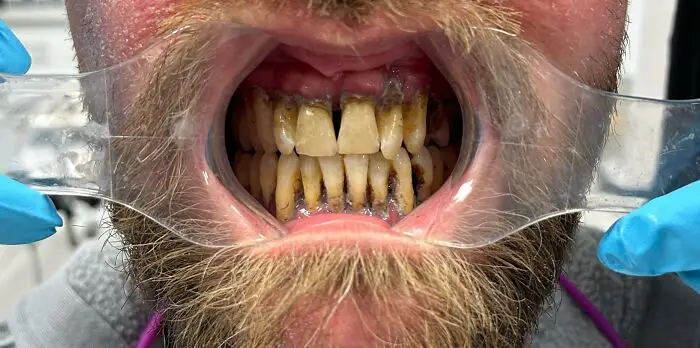
Basically me, but I've seen so much worse so I keep moving.

Some individuals who had a tough upbringing and suffered serious setbacks in life can become people-pleasers. Fear makes them set their personal needs aside in order to cater to other people. Generally, people-pleasers tend to have these traits:
- Low self-worth, a lack of assertiveness, and an inability to say “no”
- Undermining their own needs for the sake of others
- Going with the flow and being too agreeable
- Valuing praise and feeling valuable when complying with others
- Apologizing when saying ‘sorry’ is not required
- Taking the blame when blameless and making excuses for others’ faults
- Lacking self-awareness
#4

#5

#6

A lot of people who haven’t will use it to their advantage for a victim mentality.
Psychology Today emphasizes that people-pleasers fear failure or rejection, as a result of their early relationships. For instance, they may have had a parent whose love was conditional and ‘earned. Or an authority figure in their life may have been emotionally unavailable.
People-pleasers tend to be generous with their time and energy not because they are kind or compassionate but out of fear. They also tend to frustrate other people because they put others first and so don’t take care of themselves.
“Many people-pleasers are unaware of what they are doing; often, they don’t even know what they want or what their own needs entail. That is why it’s difficult for them to put themselves first. This stems from their self-worth being tied to what they do for others. Doing things for others makes pleasers feel important. They need adulation and praise,” Psychology Today explains.
#7

#9

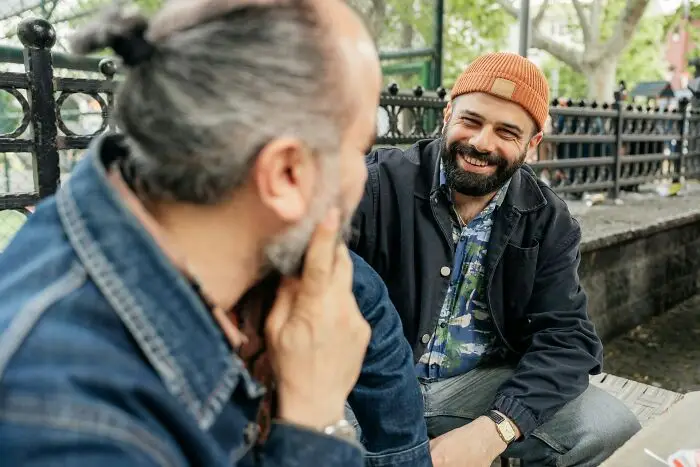
- Continual self deprecating humor.
- Difficulty stating their wants, even in small, low-stakes matters like what restaurant to get takeout from or what movie to see. "Whatever everyone else wants." "It doesn't matter." "I'm easy." People often mistake this for being "easy going" or "low maintenance".
- Inability to make long-range plans (the classic "where do you see yourself in five years?" from job interviews, e.g.) because they're stuck in "survival mode". They're just trying to get through this week/today/the next hour.
- React poorly to being touched or hugged
- Being unable to identify what or how they're feeling at any given point in time or in reaction to a piece of news that should elicit major feelings
- Deflects or minimizes compliments.
You won’t stop people-pleasing overnight. True self-awareness, concerning who you are as an individual, your values, beliefs, emotions, and (perhaps most importantly) needs, will take time.
Being more compassionate toward yourself also helps. Speaking to a therapist is also a step you should seriously consider. They can help you recognize your needs, understand what (un)reasonable requests look like, and teach you about the importance of setting healthy boundaries.
In the meantime, you can also focus on building your resilience, which psychologists define as the process of adapting well in the face of adversity, trauma, tragedy, threats, or significant sources of stress.
#10

#11
#12
Maybe not a lot of smiling or talking about fun experiences but not bad people. There's something about them that just hits different.
And I'm so sorry my one friend was adopted by such a piece of trash, that abandoned her when she came out as gay, but she has become so great after that and I am happy about that. I hate that anyone would have to deal with that. I hate that she had to be homeless at 16.
But she is a direct and honest person. She will say when she is not comfortable doing something, not say she is and then wait and blow up, like some might.
The American Psychological Association explains that being resilient does not guarantee that you will never experience distress or difficulty ever again. In fact, “the road to resilience is likely to involve considerable emotional distress.”
The good news is that resilience is something that anyone can learn and develop with enough time and intentionality.
Building resilience requires that you focus on four key areas:
- Building your connections
- Fostering wellness
- Finding purpose
- Embracing healthy thoughts
#13

#14

#15

“The pain of traumatic events can lead some people to isolate themselves, but it’s important to accept help and support from those who care about you. Whether you go on a weekly date night with your spouse or plan a lunch out with a friend, try to prioritize genuinely connecting with people who care about you,” the APA emphasizes.
Furthermore, you join civic groups, faith-based communities, or other local organizations for social support.
#16

#17

#18

In the meantime, take care of your body and mind, do meaningful work, help other people, and aim for purposeful goals, look for opportunities for self-discovery, and accept change as a part of life.
“Certain goals or ideals may no longer be attainable as a result of adverse situations in your life. Accepting circumstances that cannot be changed can help you focus on circumstances that you can alter.”
#19