




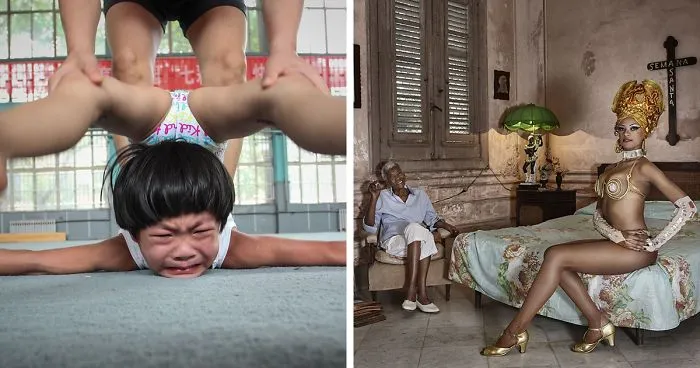

The 2018 Siena International Photo Awards has received 48,000 submissions from the best photographers in 156 countries, and the judges have had an incredibly hard time deciding the winners. Nonetheless, the best pictures of 2018 have been decided, and just like in 2017 and 2016, their cool images show just how diverse our beautiful world really is.
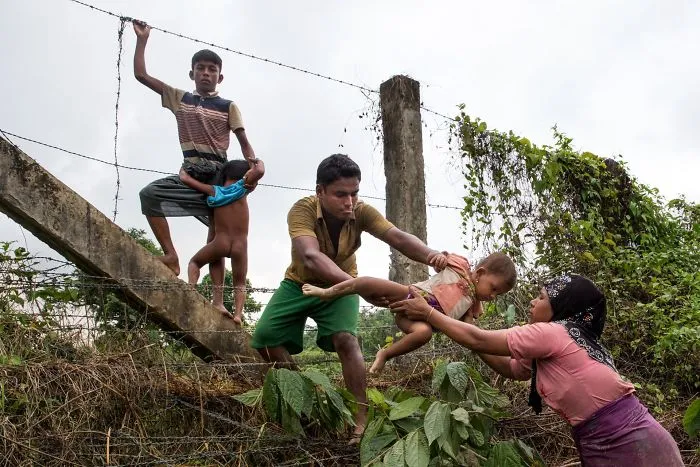
Every year, the competition includes a special category. This time, it was entitled Splash of Colors, seeking out excellent color compositions. In total, the famous photographers competed in 11 categories, ranging from stunning landscapes to subtle portraits and cool photos of dramatic sports moments. The grand prize, the Photo of the Year award, went to Bangladeshi photographer K. M. Asad for his shot Battle Victim. Asad has been documenting the plight of the persecuted Rohingya in Myanmar for six years now, and the best photography of a young Rohingya refugee perfectly portrays the terrible human tragedy unfolding there.
Continue scrolling to check out the rest of the best picture nominees of 2018.
More info: sipacontest.com
#101 Road To Ruin, Syria (Honorable Mention In Journeys and Adventures Category)
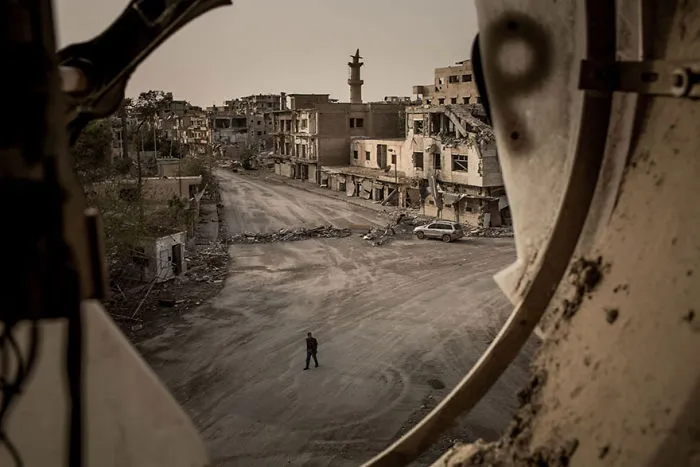
November 2017 - According to estimates by the Civil Council, more than 8,000 mines are hidden in Raqqa. The Civil Council explores a former ISIS hospital looking for medicines that can still be used. A view from the ruined tower clock, overlooking the ruins of Raqqa, shows Abdulla al-Arian as he inspects the place
Report
40points
#102 The Bear, Romania (Honorouble Mention In Under 20 Category)
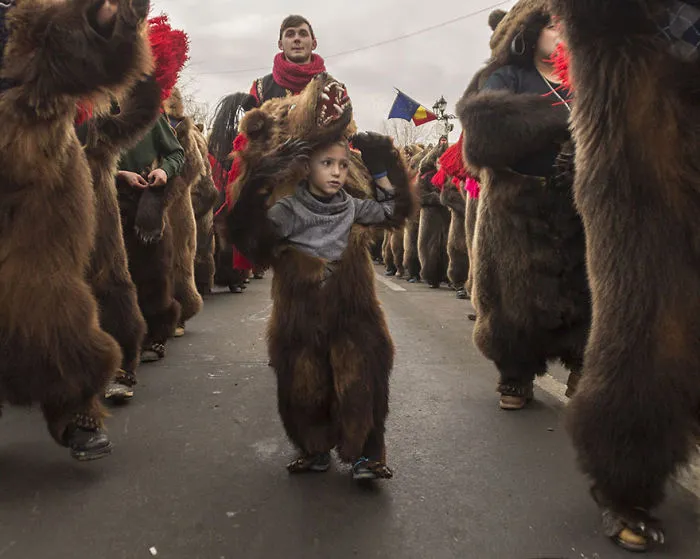
Since ancient times, the bear has always represented a sacred animal. Every year, before New Year's Eve, Comanesti is filled with Romanian traditions where children wear bear furs and make noise in order to drive away evil spirits and start a bright year
Report
36points
#103 Road To Ruin, Syria (2nd Place In Story-Telling Category)
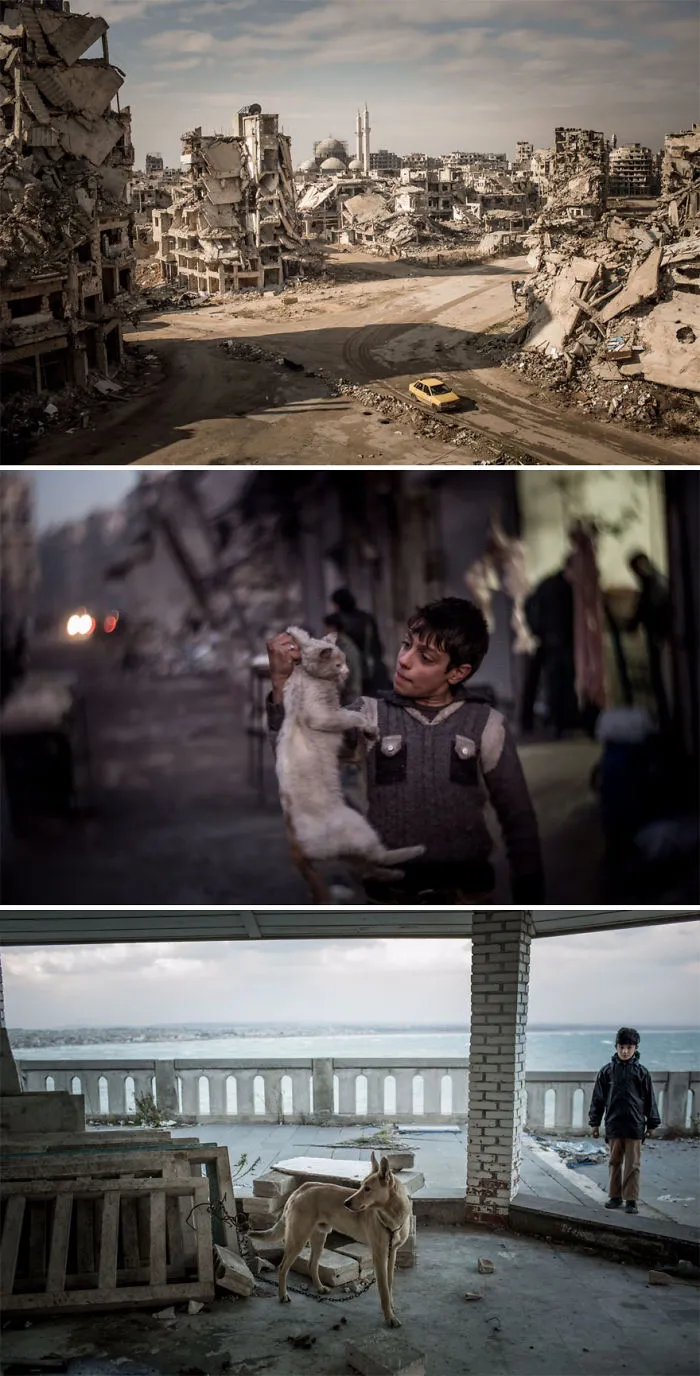
"Rubble and Delusion" A Journey Through Assad's Syria. With the fall of Aleppo, the regime of Bashar Assad once again controls the country's second-largest city. But is reconciliation possible? Follow me on a journey through the dictator's state in rubble. On an icy January evening in eastern Aleppo, a grotesque scene of destruction, five men are standing around a fire in a battered oil drum in a butcher's shop. Their trousers are dirty and their faces are covered with soot. There has been no running water for a long time. Every evening, the men come here to warm up, burning table legs and chairs from the ruins. In what is left of their apartments, there are no heating stoves. "The fear, though, is finally gone", says shop owner Ahmed Tubal. For over four years, various rebel groups have controlled the neighborhood of al-Shaar, but Syrian and Russian jets recently transformed half of the city into rubble to wipe them out. The rebels and their supporters have left the city, and following the regime's victory, only those who support Syrian President Bashar Assad have remained. "The bombing was necessary to drive out the Islamists," says Tubal, a short man with tired eyes. "Otherwise, they would never have left." The other men voice their approval. "We were so exhausted. We just wanted it to stop. And if that meant that everything had to be destroyed even further, then that was just the price we had to pay." A visit to Assad's Syria, a state in shambles, surrounding the largest cities in the West, over which the dictator has regained control thanks to Russian and Iranian support; it is like entering an apocalyptic world. Large Mercedes tractor-trailers drive water tanks through Aleppo's ruins while the streets are patrolled by armored vehicles manned by Russian soldiers. Assad can frequently be seen on television while fear can be seen in the eyes of many residents. Our journey leads us to the three largest cities in Northern and Western Syria: Aleppo; Latakia; Homs. Aleppo has become symbolic of the brutal bombing campaign. Latakia, the regime stronghold on the Mediterranean, was largely untouched by the war and is still a popular vacation spot in the summer. And Homs, once the center of the uprising, was destroyed and is now slated to become a model of reconstruction. When journalists travel through Syria, they are unable to move about freely. Officially, we are only allowed to visit places for which we have obtained written permits from Damascus. Furthermore, only people who are acceptable to the regime can be interviewed and any other meetings must take place in secret. Usually, journalists are accompanied by government minders. There is only one minder for international journalists in Aleppo, meaning that it is usually possible to speak to people without supervision. In Latakia, on the other hand, journalists have a military escort, while there are two minders in Homs. But even when minders aren't present, it isn't always easy to know if people are saying what they really think or if their words are guided by fear. It is clear what conclusion the regime would like visitors to reach: that Bashar Assad is the only one who can bring the country back together again. But what do people really think? What are the obstacles to reconciliation and reconstruction? And isn't Assad himself the greatest obstacle?" 1. Syria, January 2017 - Large parts of Homs are completely destroyed. Nevertheless, some residents come back and try to rebuild their homes. Three-quarters of Homs consists of ruins. A taxi drives through ruins. 2. Syria, January 2017 – A boy has caught a cat in East Aleppo. During the fighting, residents had hardly any food left. They paid up to 60 USD for cats to eat. 3. Syria, January 2017 – A chained dog and a boy in front of the coastal promenade in Latakia
Report
35points
#104 Crossing The Border (Remarkable Award In Fascinating Faces And Characters Category)
Report
35points
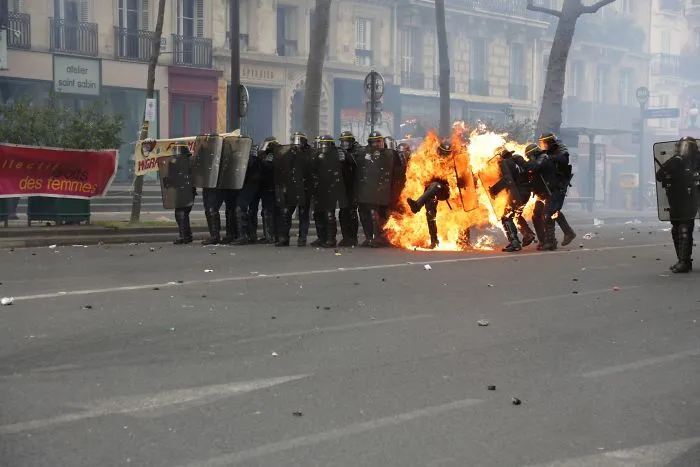
#105 The Human Torch (Remarkable Award In Journeys And Adventures Category)
Report
31points
#106 Colors Of Joy, India (Honorouble Mention In Splash Of Colors Category)
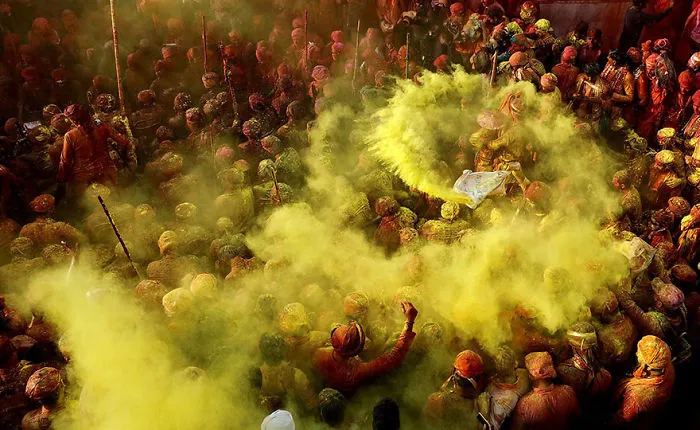
Devotees celebrate the traditional and colorful Holi Festival at Krishna Temple in Nandgaon, India
Noor Ahmed Gelal
Report27points
#107 Prada, Usa (3rd Place In Architecture And Urban Spaces Category)
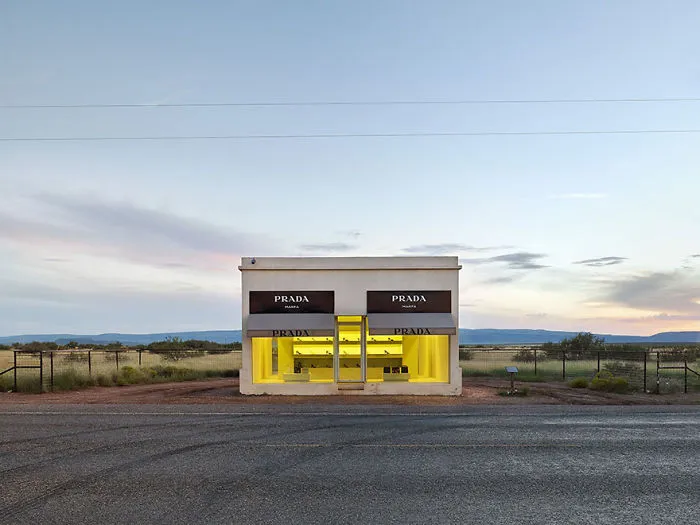
This picture is from the 'Lost America series' and shows a quiet stillness in a forgotten landscape that is somehow ‘on-pause’. Spaces appear frozen in time, their inhabitants, absent or long since departed. Ardently stagnant in their appearance, the images aim to unlock a moment of reflective contemplation and instill a melancholic feeling of familiarity
Report
26points
#108 Meet The Hosts - Metro Driver, Russia (Honorable Mention In Fascinating faces and characters Category)
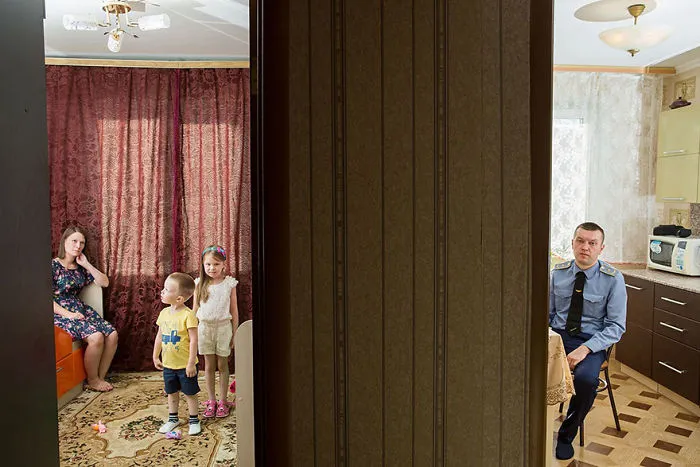
In 2018 Russia will host the Football World Cup and the idea of my project is to portray Russian people as the hosts. All together, they convey a picture of Russia and give an insight into the Russian soul. This work is about people, their identity, their environment, their culture, and society
26points
#109 Yibbum #1 (Remarkable Award In Journeys And Adventures Category)
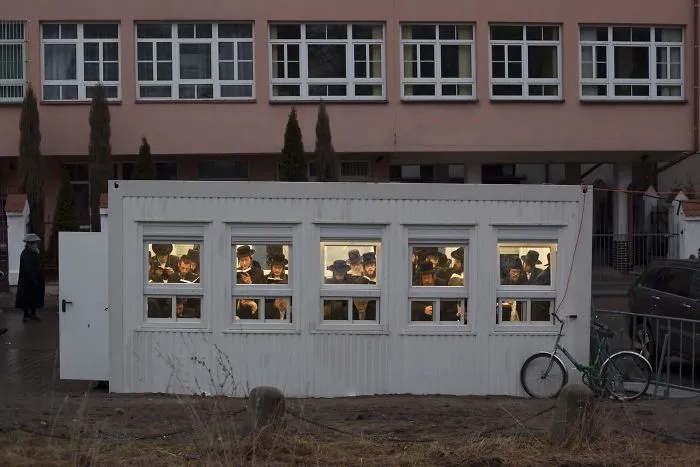
Report
26points
#110 Pool, The Netherlands (Honorouble Mention In General Color Category)
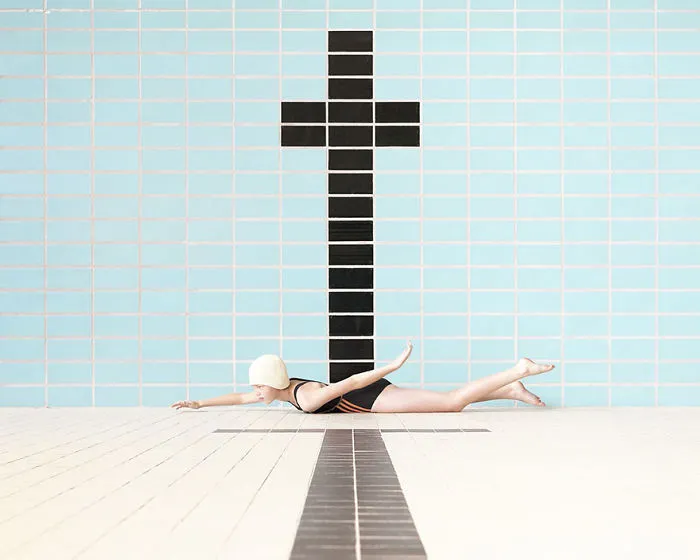
A symbolic image of a girl in a black swimsuit pretending to swim in an empty swimming pool
Report
24points
#111 The Devotees,india (Honorouble Mention In Splash Of Colors Category)
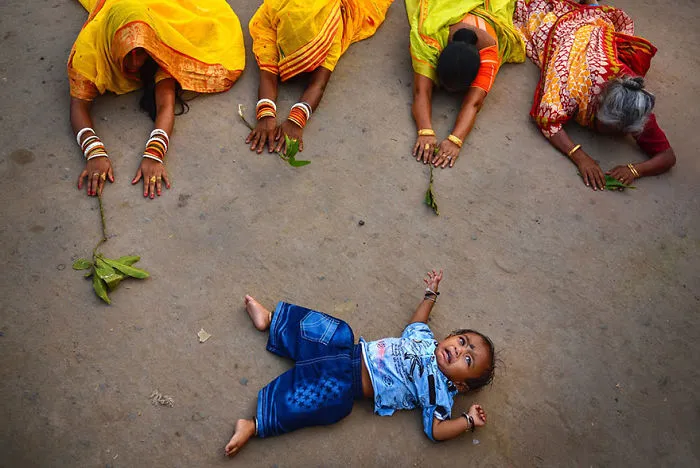
Devotees performing the ritual of Dondi on the occasion of Chhath Puja on the banks of the River Ganges. While worshipping the Sun, they try to appease the divinity in order to prosper in the future
Debdatta Chakraborty
Report21points
#112 Derby Goal, Sweden (Honorouble Mention In Sports In Action Category)
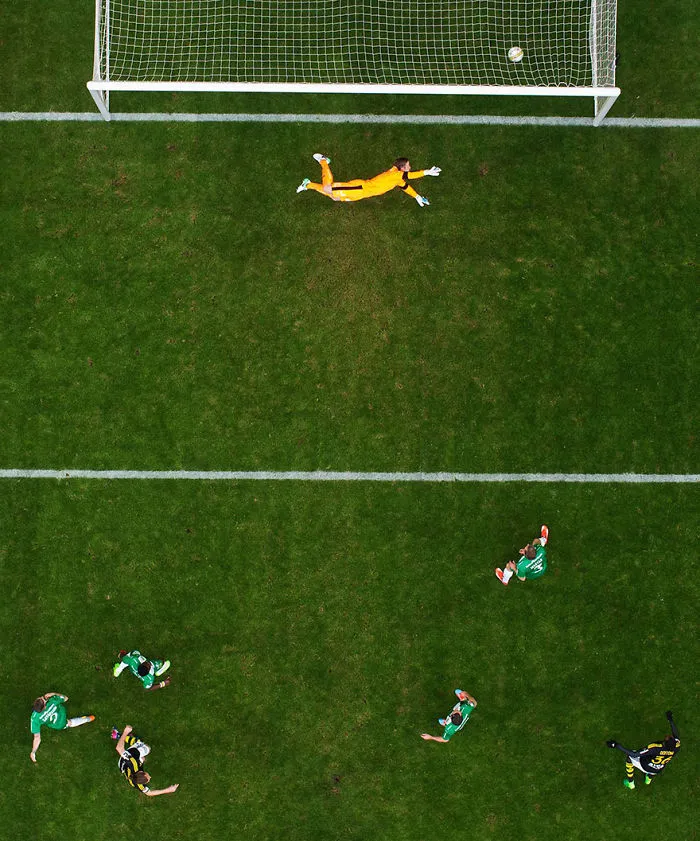
Nils-Eric Johansson scores the opening goal during the match of the Swedish championship between AIK and Hammarby at Friends Arena of Solna
Nils Petter Nilsson
Report15points
#113 Trophy Hunting - Should We Kill Animals To Save Them? (1st Place In Story-Telling Category)
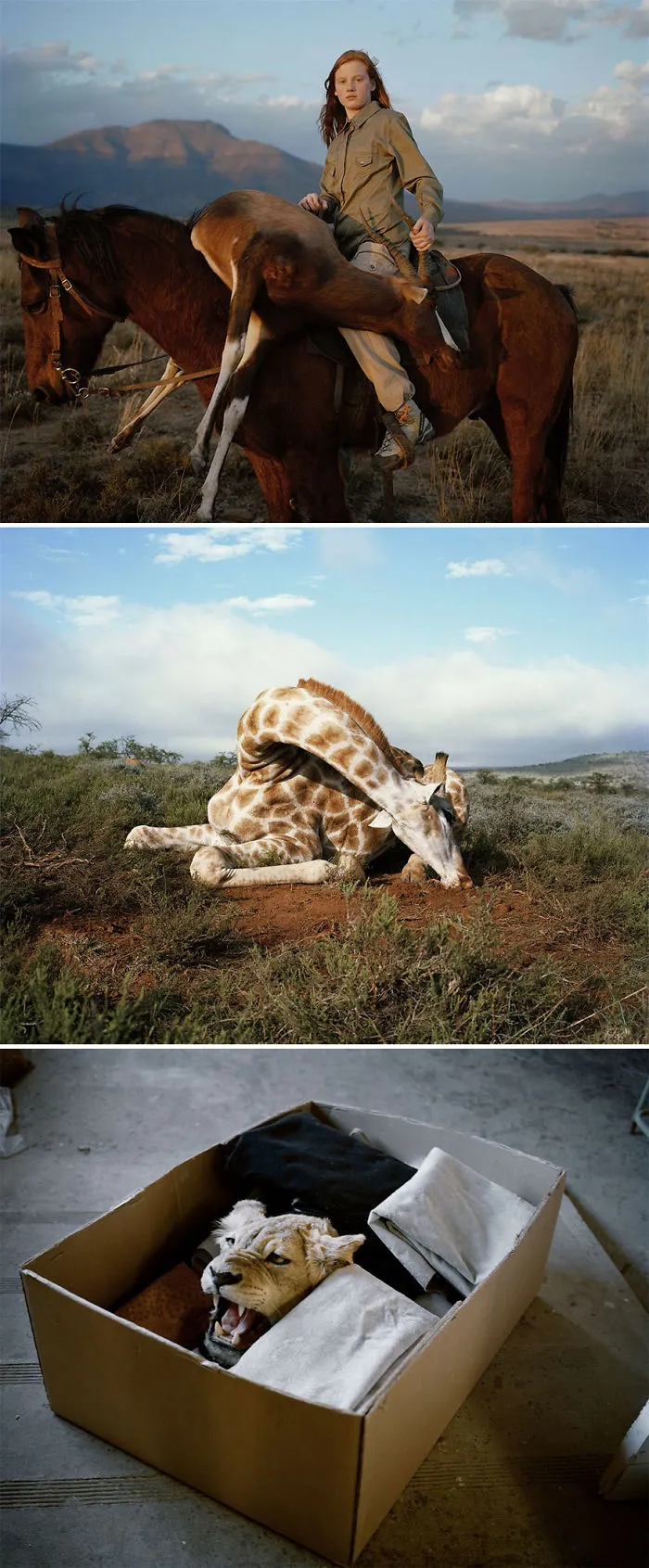
From Charles Darwin and John James Audubon to the likes of Theodore Roosevelt and Ernest Hemingway, the most enlightened hunters have long viewed themselves as naturalists and conservationists, committed to sustainability among animal populations and the preservation of wild places where they stalk game. The linkage has become inextricable. Revenues of hundreds of millions in federal excise taxes levied on hunters go directly to wildlife management and related activities each year in the United States alone. And anyone who keeps a freezer full of venison is likely to tell you that the act of killing your own dinner in the wild is more humane than buying the plastic-wrapped meat of industrially raised livestock. Seen from the air, Africa can appear as an illusion with its rich velds and dramatic rifts, wide deserts, and thundering rivers. These seemingly vast stretches of unfettered, unpopulated wild ostensibly forgotten by time and people. At a glance, it could be a repository for all our ideas about wilderness at its wildest. And yet, today no patch here goes unclaimed, whether it’s marked, monetized, or fought over. The animals that roam the land have become commodified, part of a new consumerism, marketed and sold, their brands pitted against each other, their continued existence, now a question of human demand, whim, and calculation. As big game populations dwindle further under pressure from human encroachment such as shifting climate norms, and widespread criminal poaching, there are hunters who argue that thoughtfully regulated and expensive hunts, such as those for bull elephants in their waning days, makes a sustainable way to protect both species and habitat. Others argue that wild game is the continent’s version of crude oil, and it too will run out someday. What is clear, is that with more than half the planet’s population living in cities, our relationship with the wild has been increasingly divorced from our everyday reality. We’re now less a part of that wild world, from rainforest to veld, as we are more consumers than cohabitants. 1. Huntress with buck, South Africa - A 13-year-old girl from the United States carries a bontebok, shot earlier in the day, back to camp in the Eastern Cape, South Africa. Supporters of trophy hunting say hunt fees help conserve wildlife and benefit local communities, opponents say killing animals, such as elephants, lions, and rhinos for sport is unethical and does little to protect them. 2. Fallen giraffe, Somerset East, Eastern Cape, South Africa - A giraffe lies crumpled on a game farm in the Eastern Cape, South Africa, after falling prey to a hunter. Giraffes overall are vulnerable to extinction, but in South Africa, where their numbers are increasing, hunting them is legal. Some hunters want a giraffe-skin rug, others the animal itself, taxidermied upright for display in a room with a high ceiling. 3. Lioness in a box, Eastern Cape, South Africa - The head and skin of a lion, prepared for display by a taxidermist in South Africa, are boxed for shipment to the American client who shot the animal. In response to dwindling numbers of lions in the wild and doubts about the conservation value of hunting them, the US has recently made it more difficult for hunters to import lion trophies
Report
-48points


