



#1
#2

People are naturally attracted to wholesome stories, not just because they make us smile. Studies on positive media show that uplifting stories can inspire compassion and encourage us to help others. When we see characters showing gratitude, generosity, or loyalty, we might feel a warm sense of 'elevation' that makes us want to be better people too.
Stories about strangers helping each other can feel personal, even if we are not directly involved. We do not have to experience kindness ourselves to be moved by it. Watching someone act generously can spark a strong emotional response, making compassion seem more real and worth sharing.
#3
#4
Why do wholesome stories matter? They do more than just entertain us. Research from the American Psychological Association found that people who watched short videos about others overcoming adversity felt more hopeful. This boost in hope was linked to lower stress, showing that even a few minutes of inspiring content can have lasting benefits.
The positive effect lasted longer than just the moment. People who watched the inspirational videos reported feeling less stressed for up to 10 days afterward, with hope being an important part of that link. Watching someone overcome a tough situation can remind us that problems can improve, which might help us feel more able to handle our own challenges.
#5
#6
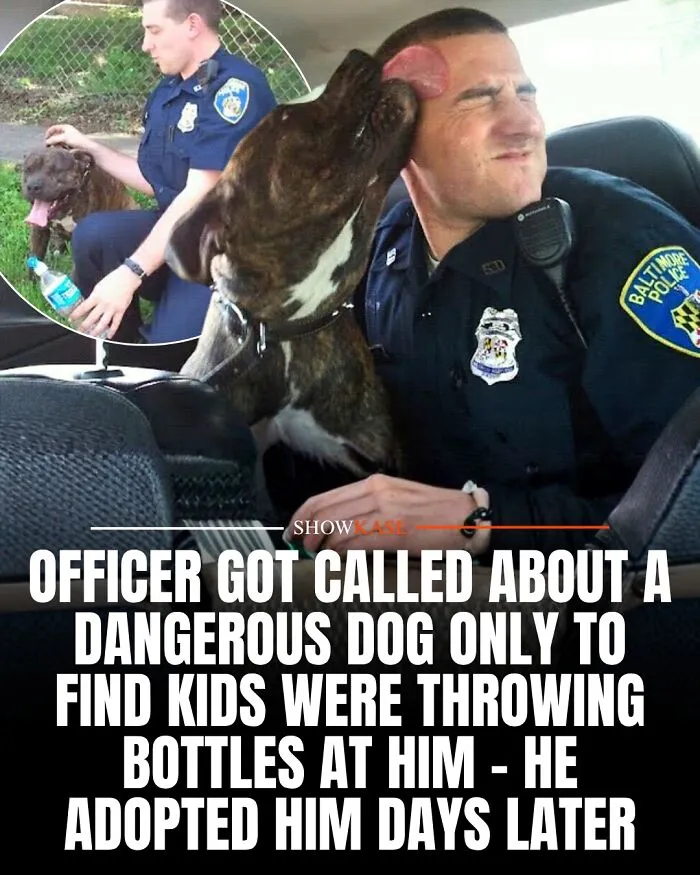
Waskiewicz realized the dog wasn't trying to hurt anyone and took him to the Baltimore Animal Rescue & Care Shelter (BARCS). During the drive, the dog continued showing affection toward him and eventually curled up and fell asleep in the police car.
Waskiewicz was concerned about him, so he returned to the shelter over the following days to check on him. When nobody came forward to claim the dog, Waskiewicz decided to adopt him. He named him Bo, bringing him home just three days after their first meeting.
Still, good news often seems hard to find. One reason might be what draws people’s attention online. A large study of news headlines found that negative words made people click more, while positive words had the opposite effect. For a typical headline, each extra negative word raised the click-through rate by 2.3%, so publishers have a clear reason to focus on bad news.
This pattern can make it seem like positive stories are rare, even though they happen all the time. Researchers also say that people tend to notice negative information more easily. Because of this, a story about kindness, hope, or a happy ending can stand out just because it is different.
#7
#8

#9
Looking for something positive can sometimes lead people to revisit the past. Nostalgia brings back important people, places, objects, and experiences. That is why an old photo, a childhood toy, or even a video game can suddenly feel so meaningful.
Nostalgia can help our mental well-being in a few ways. It can make us feel more connected to others, give life more meaning, and boost our mood. When life feels uncertain or tough, these memories can become even more comforting.
At the same time, it can also help people feel that their lives have a sense of continuity. When we look back at meaningful experiences, we connect who we were with who we are now. This makes the past feel relevant instead of just gone. That might be why memories from childhood, relationships, or important moments still feel powerful years later.
#10

The sign directed visitors away from the entrance with the nest, giving the bird a quiet space to care for her future chicks while guests entered and exited the hotel without interfering with the nesting site.
#11

#12
Nostalgia is about looking back, but wholesome stories often encourage us to look ahead as well. Second-chance stories take a different path. Something goes wrong, someone faces a struggle, and the story allows for a better chapter. Psychologists call this a “redemptive life story,” where people find positive meaning in hard times or turn failure into some kind of success.
This idea shows up often in American culture, where stories about reinvention and starting over are important. A second chance does not always lead to a happy ending, but just having the possibility gives a difficult story hope. That could be why reunions, recoveries, rescues, and fresh starts feel so rewarding.
#13

#14

#15
Positive emotions can make people more likely to help others. Research shows that even a small boost in positive feelings can increase prosocial behavior, suggesting that one good experience may encourage someone to pass that feeling along through their own actions.
This is why unexpected kindness can have a strong ripple effect. A meaningful act does not have to stop with the person who receives it. When someone experiences kindness, they may feel more likely to help another person, turning a small gesture into part of something bigger.
What about you? Do you want to be part of that larger chain of kindness? What do you think about these wholesome stories? Share your thoughts in the comments!
#16
#17
#18

#19
#20