
"If you are someone who has a strong inner critic, try setting a timer for 5 minutes and, instead of trying to produce something "good" in that time, build the skill of being supportive of whatever comes up. If you're a writer, this could look like resisting an urge to tear your words apart and instead finding an interesting phrase or idea in what you're writing," McKernan recommends.
"If that feels too difficult, you can start with something that's a little more neutral and build from there. For example, instead of telling yourself, 'I have no idea where I'm going so I'm wasting my time,' practice 'I don't yet know where this is going and that's ok.' Both of these activities will signal to your brain that you are building a safe space to create - which will, in turn, allow your imagination to flourish."
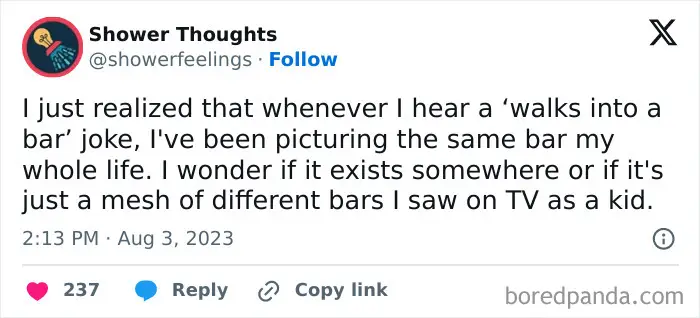
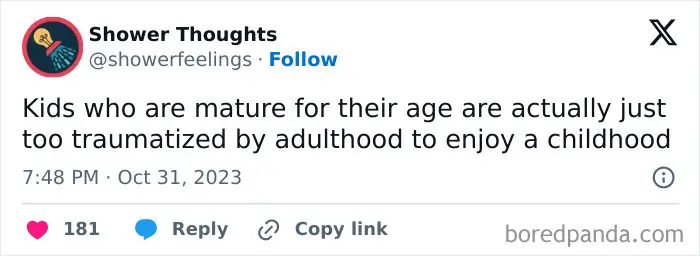
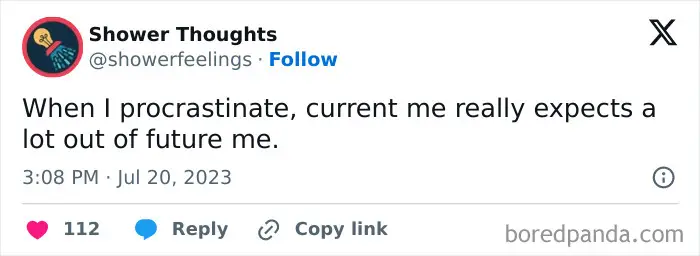
According to Cisneros, one thing to avoid if you want to maintain a creative state is to try not to get stuck on one aspect of the project you're working on.
"Creativity often involves balancing opposing forces—such as idea generation versus technique, or process versus product. Many creative blocks arise when individuals fixate too much on one side, often due to self-criticism, perfectionism, or imposter syndrome," she says.
"For example, an artist overly focused on technical precision may struggle to experiment, while someone fixated on generating ideas might neglect honing their craft. The key is to recognize when you’re stuck and intentionally shift your focus to the neglected aspect. If you’re caught up in technical details, try a looser, more expressive approach. If you’re overwhelmed by possibilities, impose structure by setting creative constraints. By cultivating awareness of these dualities and allowing for balance, creatives can foster a healthier, more sustainable creative practice."
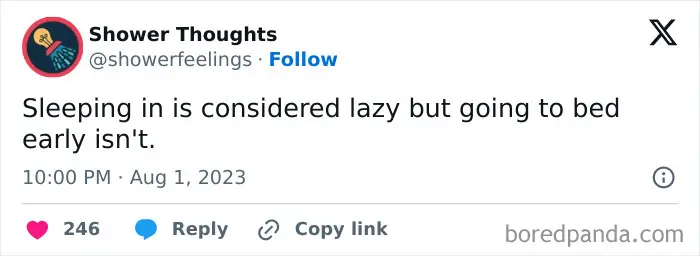
On a similar note, McKernan advises people not to take themselves too seriously. "Don't get me wrong, some of my clients are professional artists whose work is literally their livelihood. But nothing feels more paralyzing to creativity than pressure and high stakes. We are at our most creative when we have the freedom and safety to play, to make mistakes, to try one thing and change our mind and then go in a new direction," she says.
"It's pretty simple—if you want to be more creative, you have to find ways to make it feel easier and more enjoyable to create. And this starts with how you treat yourself when you are creating."