


Changing your spending and eating habits can be particularly tough. Not only are people generally resistant to change (don’t worry, that’s normal), but it also feels unfair to pay more for less. And many folks also tend to rely on small treats to keep their spirits up in tough times. But (some of) those tasty treats are what you’ll likely have to give up as food prices spike and you have to rebalance your budget.
There’s also the question of feeling shame for having to change how you eat.
Depression-era, recession-era, and wartime recipe content creator Kiki Rough recently told NPR that she has seen many people struggling with food costs at her day job, ranging from entry-level workers to corporate executives.
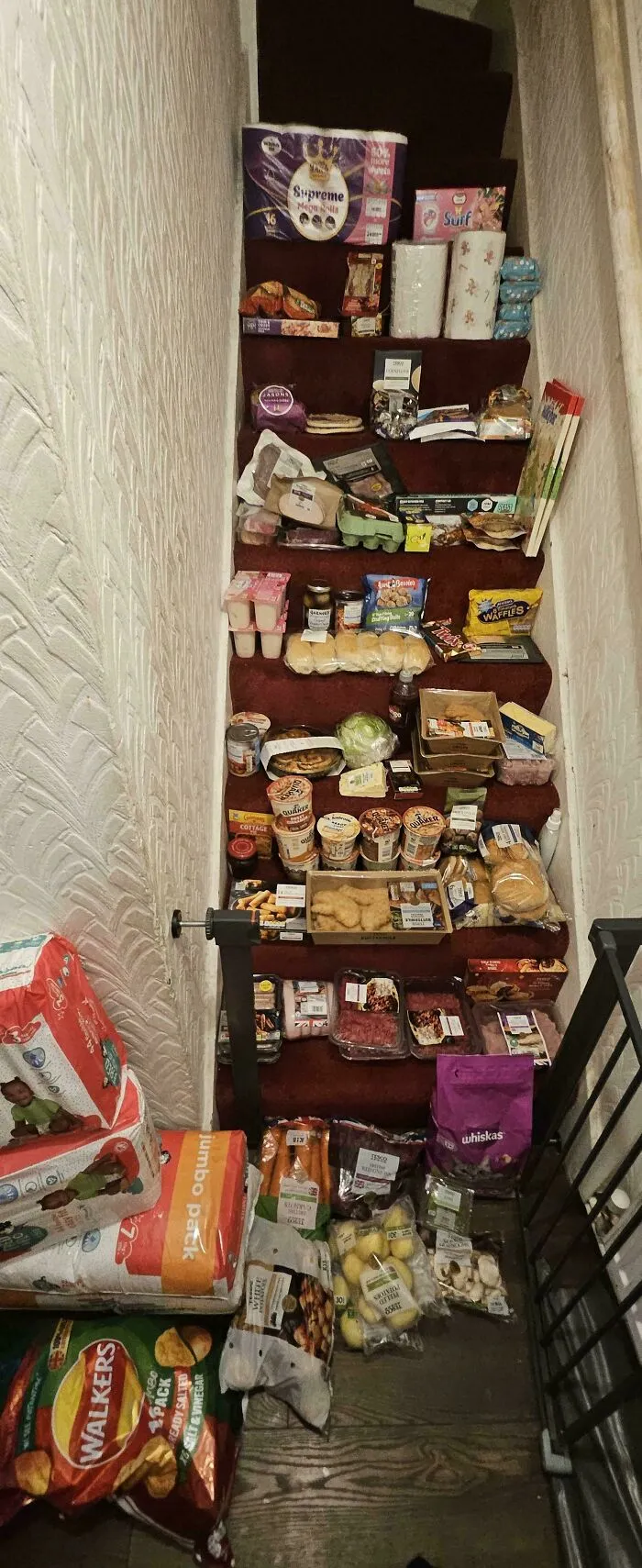
According to Rough, what matters the most here is changing your mindset and how you see your relationship with food insecurity.
“I honestly think that the most practical tip is giving yourself a mindset shift, because I know a lot of people right now who have shame about where they are in their lives, their financial situations, down to the food that they have access to. You need to not be ashamed that we are in a difficult economy.”
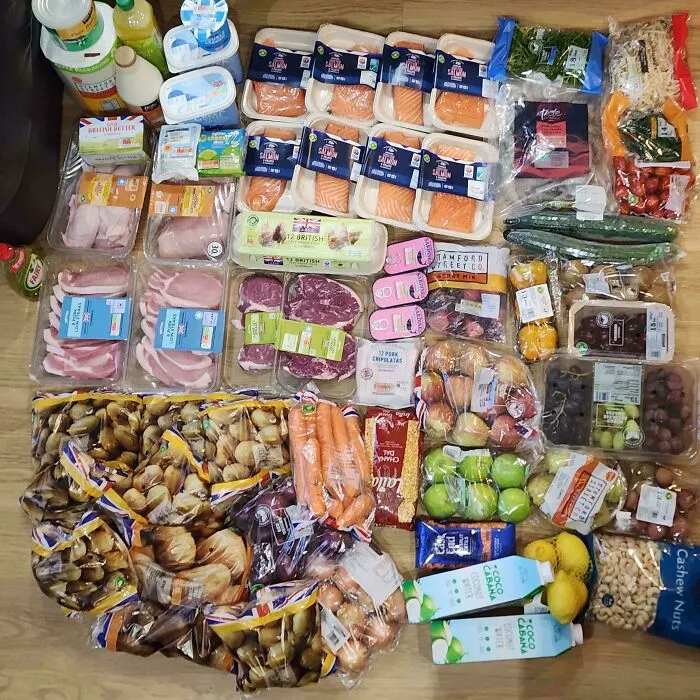
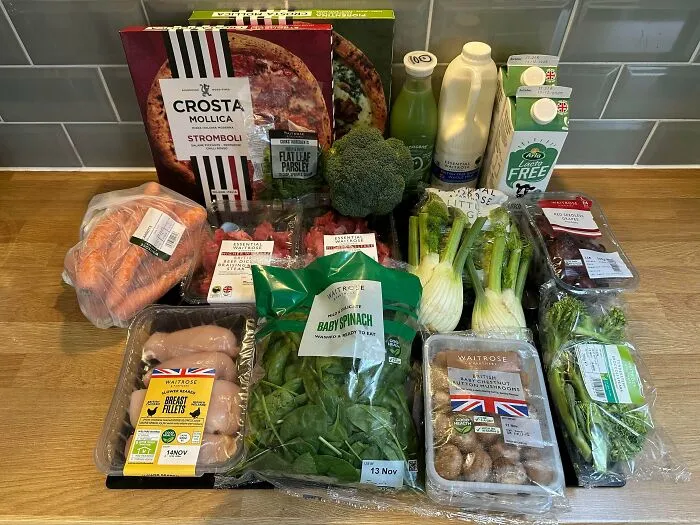

Meanwhile, grocery industry analyst Phil Lempert told NPR he expects frugal grocery practices to stick around.
“People are using shopping lists more than ever before. People are shopping more online, because they can compare prices easier. People are tired of getting ripped off on food prices.”
The expert added that Gen Z and millennial shoppers tend to care less about supermarkets’ “bells and whistles,” unlike the members of older generations.
“We're never going to go back to shopping the old way," Lempert noted.

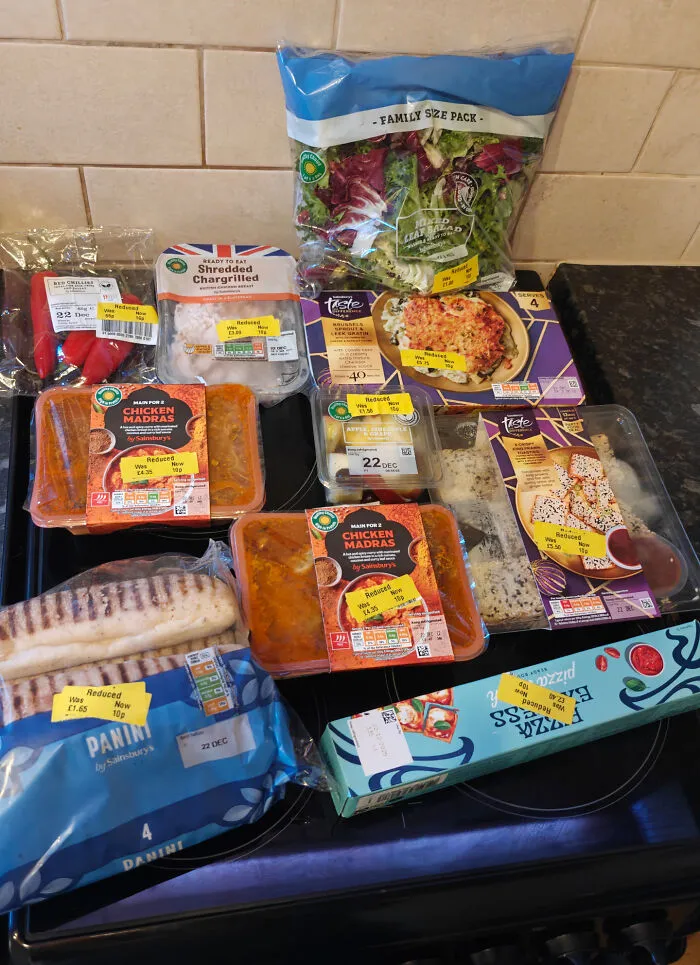
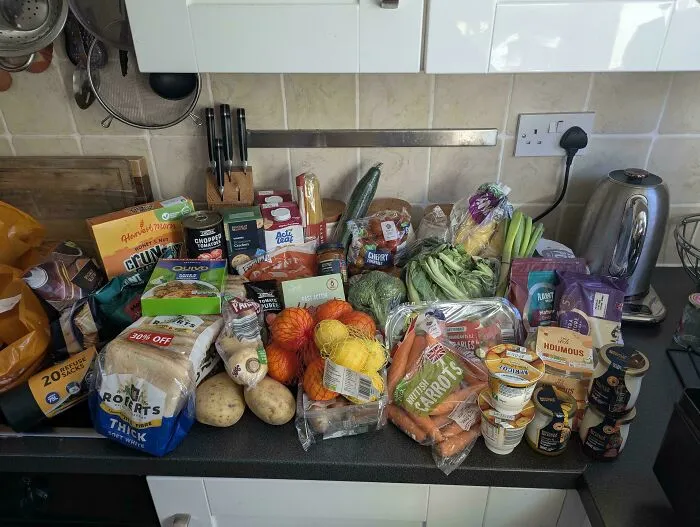
#11 Part 2- My Family Doesn’t Understand Why I’m So Excited For This. So Thought I’d Find My People- Same Sainsbury’s A Week Later

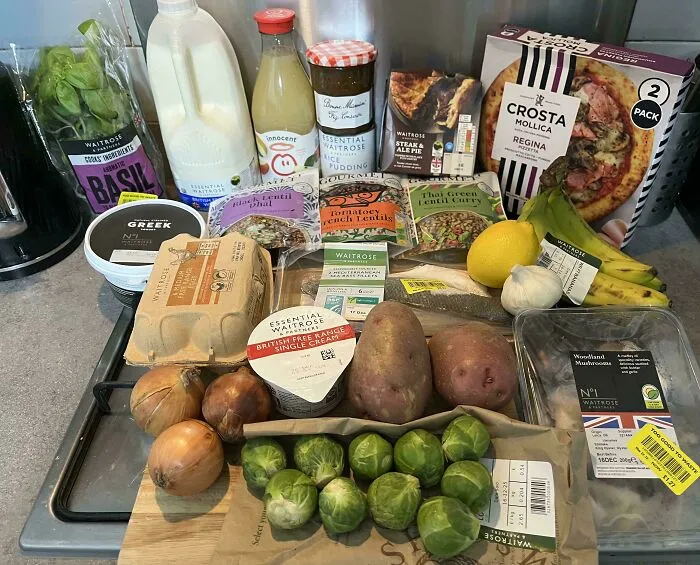
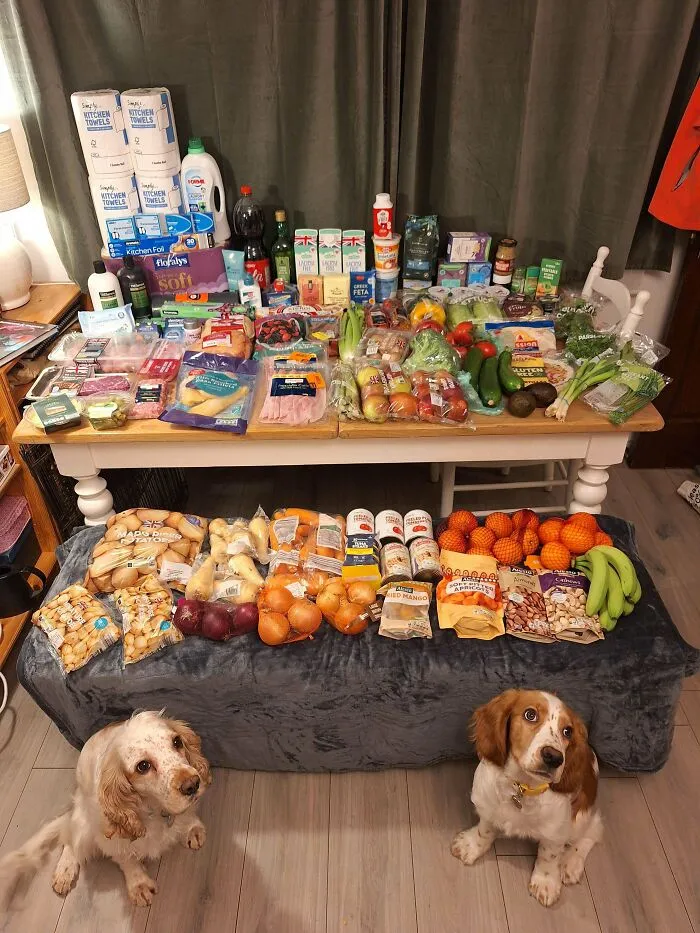
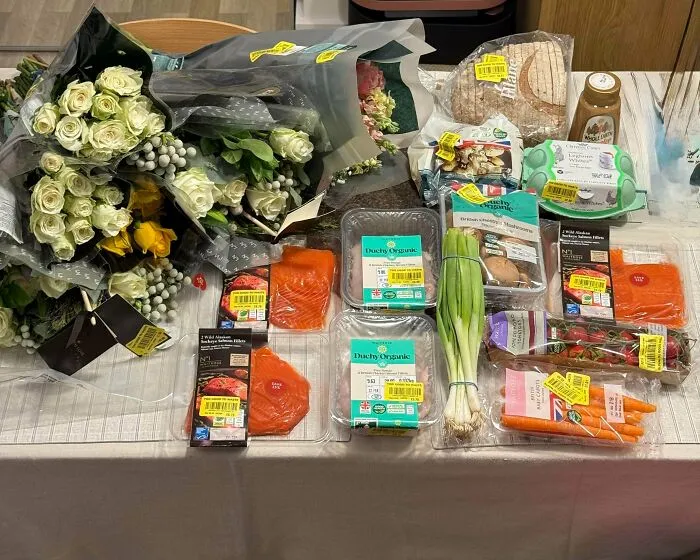
#12 £158.42 → £48.45 At Waitrose Tonight — Yellow Sticker Timing Paid Off (And £91 Flowers For £5!)
There are, broadly speaking, two main ways to adapt to financial instability. The first is to earn more. Ask for a raise or a promotion. Apply for better-paid jobs. Do part-time work or turn a hobby into a side hustle.
The second is to spend less. Cut back on necessary expenses. Dine out less, order less takeaway, and cook more food at home. Reduce food waste by only buying what you need and actually eating it.
But of course, always remember to focus on nutrition. Spending less on food is not an option if you’ll end up sacrificing your and your family’s health.
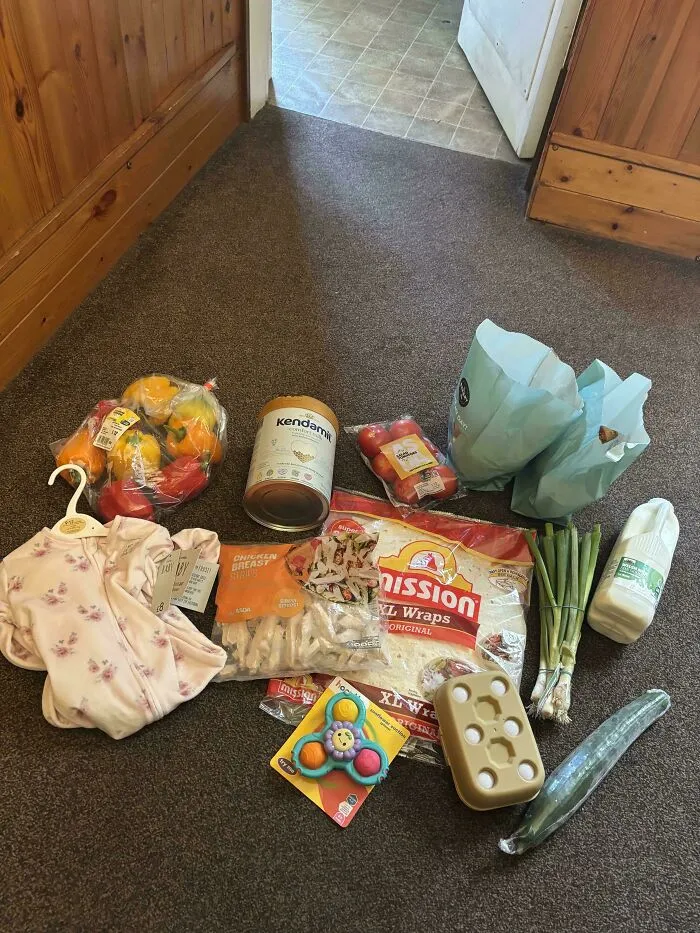
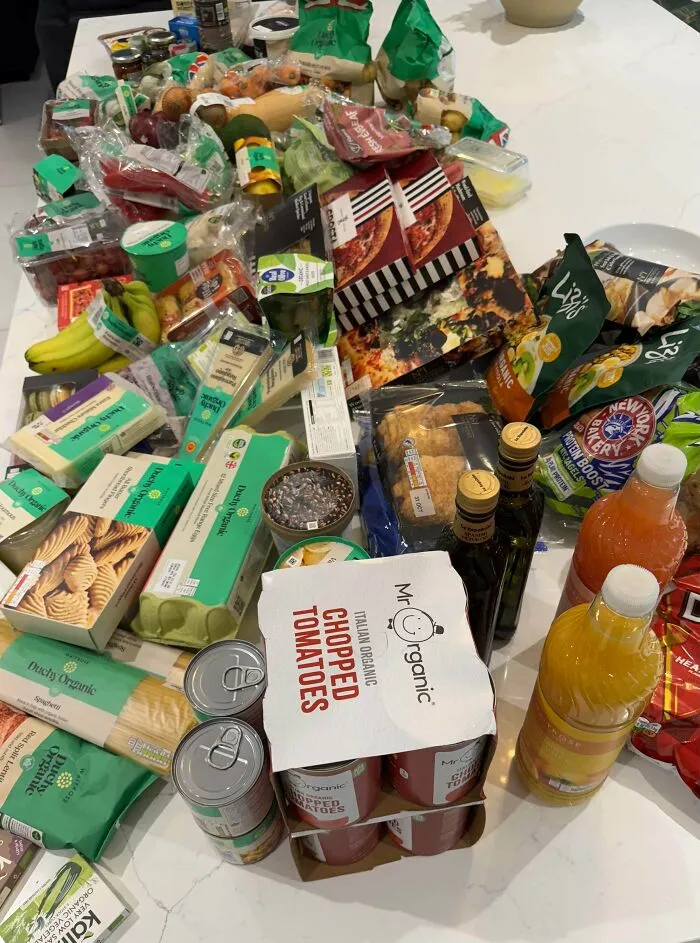
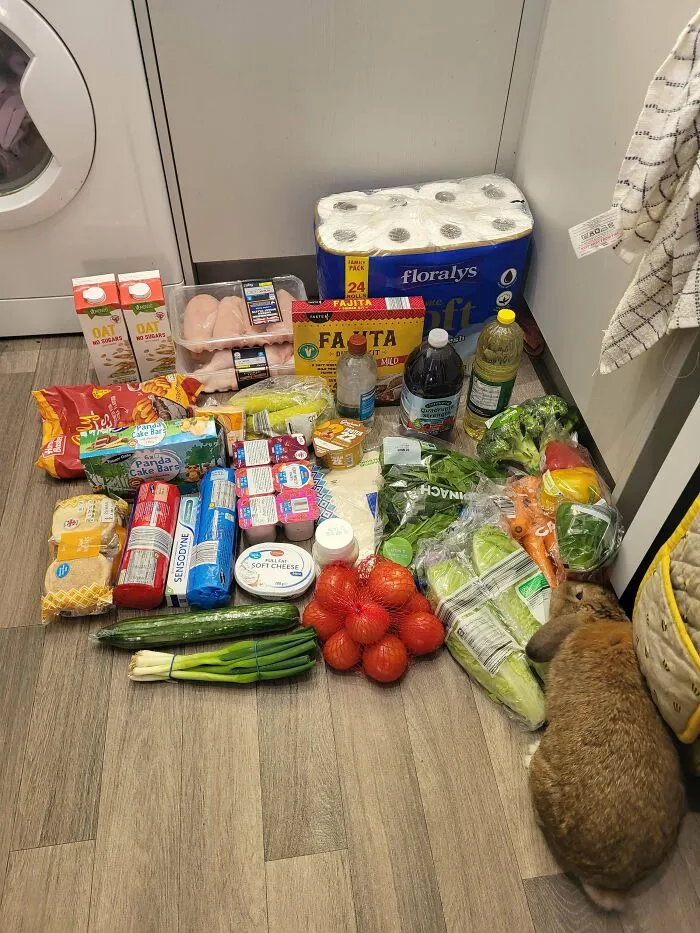
The BBC suggests that you buy store cupboard ingredients when they’re discounted. You can make quite a lot of basic recipes using dried foods (pasta, rice, noodles, oats, etc.) and tinned and bottled goods.
In the meantime, you can replace many frozen foods like fish, meat, vegetables, and fruit with frozen goods.


Meanwhile, premium cuts of meat can be expensive, so you can opt for cheaper sources of protein instead.
For example, beans and chickpeas are delicious and nutritious. Furthermore, cheaper cuts of meat can be nutritious, too.
And be aware of seasonal ingredient price fluctuations. Buy what’s fresh and local. And shop around for deals in your neighborhood.