



#1

#2

#3

Also, took 10 years to develop ED medications to treat a normal part of aging in men, but it takes an average of 10 years to diagnose endometriosis in women, a thing 1 in 10 women suffer, and can cause infertility and organ damage. But the good news is that it's being found in men now too, so I guess they'll actually study it now.
In the past, doctors and medical professionals were still in the dark about a lot of things that we consider very obvious today, which is why they sometimes used solutions that were barbaric. According to Tim Newman, since the rate of infant mortality was sky-high back in the day, physicians somehow believed that baby teeth were responsible for this situation.
That’s why doctors began combating teething by placing leeches in the kids’ mouths, burning the back of their heads, or even lancing their gums. The latter process became so popular that physicians would sometimes repeat the procedure up to 10 times, which, ironically, could have also led to infection, thereby ruining the little one’s chances of survival.
#4

#5
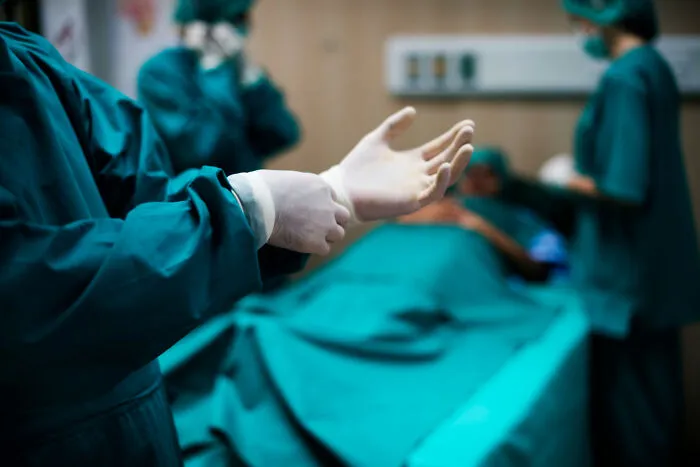
I have very small hands, so my major role was doing the freeing-up part. This was important because we didn’t want to put too much pressure on the heart and decrease the blood flow, and surgeons with big hands have to go much slower at this stage.
I would insert my hand into the abdomen, then up through the diaphragm into the chest cavity, gently wiggling my fingers as I went all the way up the esophagus.
Victory was achieved when I was elbow- or shoulder deep in the patient’s body, wiggling my fingers out the neck hole.
Tiny hands means I’m also really good at getting foreign objects out of butts. My job is so glamorous. 😑.
#6
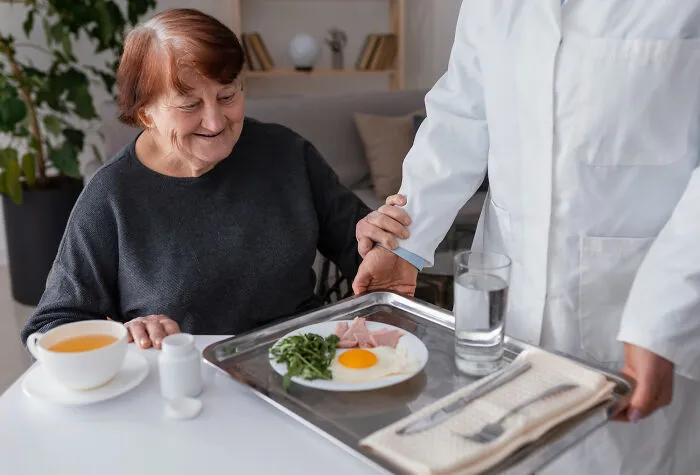
Some of the things that doctors, nurses, and medical staff have normalized can seem cruel or unusual to laypeople. It might even increase people’s anxiety about a simple checkup, which is why Michelle Crouch shares a few useful healthcare tips that folks can follow if they have to go to the doctor.
One thing to keep in mind: you might be better off visiting a teaching hospital if you need a surgical procedure, as they often have the latest equipment, residents and staff ask more questions, and they pay closer attention to patients. Teaching hospitals also tend to have lower complication rates.
#7


#9

If you’re a patient hoping to get the best treatment and leave in one piece, research suggests the best way to do that is to avoid being a distraction. This is because when patients draw a doctor's or nurse’s attention away from what they are doing, errors increase by 12%.
Of course, almost everyone working in a hospital is used to multitasking or getting their focus pulled away every couple of minutes. Still, if a nurse is interrupted 4 times while administering medicine, they are more likely to give a harmful dose, which can have major consequences for the patient.
#10
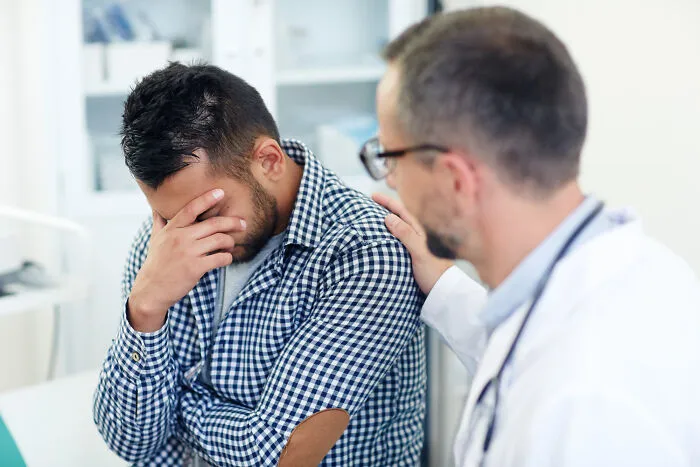
“Mr. Smith? Oh yeah that guy is definitely not making it out of here, DC to JC (discharge to Jesus Christ).”
Obviously when the time comes to have this conversation with family, it’s about being forward but supportive and helping guide them through what is probably the absolute worst day of their life. Those meetings are hard. But outside those meetings everyone is just like *shrug* *.
#11

Madam, that time is absolutely not when I'm having to do ultimately fruitless CPR on your 98 year old grandpa with severe pneumonia because you and your family are in denial.
One of my standout memories early in my career is dealing with a situation like that, breaking ribs and then documenting the d***h before having to walk of the room like nothing happened, do a meds round, then put on a fun, smiley work face for a resident's Christmas party an hour later.
Shout out to the amazing colleagues and black sense of humour that keep me here 15 years down the line!
#12

Also, the success rate of CPR on a healthy, YOUNG adult is 9-16%.
A lot of people assume that their healthy elderly loved ones are going to be just fine with no deficits after having to go through this intervention. The after effects are much starker than what the media portrays. The reality is that after going through an event that required CPR, your quality of life will drastically change. And for a lot of people, it’s a change that is not worth it. They would have rather died being independent til the end, even though it was a shorter life, than have some months/years added with lots of new, incapacitating health and function issues that rob them of their independence.
CPR in patients over 80 yields poor survival rates, with only 15–21.5% surviving to discharge after in-hospital cardiac arrest and as few as 2.8–8% after out-of-hospital arrest, with 1-year survival approaching zero for the latter group. Among the small minority who do survive to discharge, neurological recovery is often reasonable, but long-term quality of life is substantially diminished, with high rates of rehospitalization, depression, and functional decline.
One thing that contributes significantly to the decline in healthcare is the interference that doctors and nurses experience from the patient’s insurance company. The Journal of Advanced Practice Nursing explains that insurance providers sometimes deny medical care based on cost and force hospital workers to spend more time documenting than actually caring for patients.
Medical practitioners sometimes have to cater to strict provider rules and receive low scores if they don't meet all the absurd criteria. This kind of structure might benefit patients sometimes, but it can also cause problems with care and treatment.
#13

#14
#15
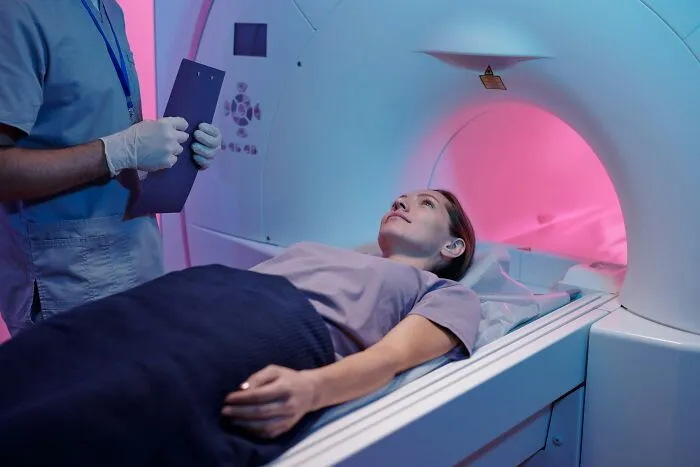
It might seem crazy that so many extreme things done in hospitals have been kept under wraps, but the Editors of Prevention mention that it could be because your doctor is lying to you. They explain that a study on 2,000 physicians found that they tend to tell white lies very often.
These untruths could involve the quality of care, the patient’s diagnosis, and other information, either because they fear malpractice suits or to keep the individual from panicking. This is why patients need to be cautious about putting all their trust in their medical provider, and instead also trust their own instincts when it comes to their care and treatment.
#16
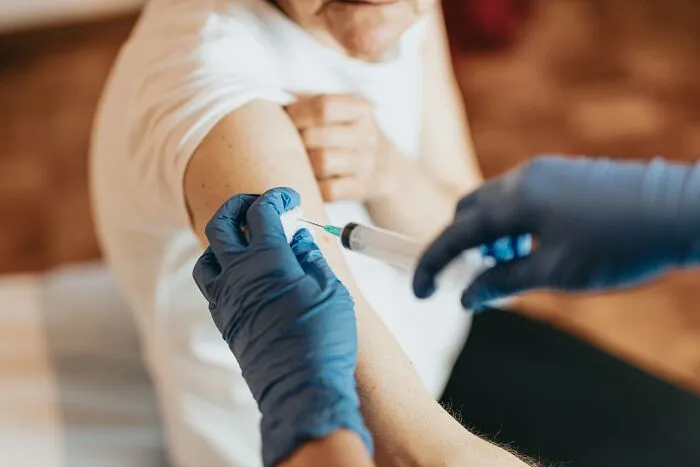
They don’t feel it, but you do! Trick is not to panic and just ease back a little.
#17

I did not stay in the ICU.
#18

This is the type of practice that we will look back on in 50 years and say “Oh my god I can’t believe we used to do that to people!”
Hospitals and treatment facilities are still places where people come to get better and learn how to care for their health. That’s why doctors also need to meet their patients' emotional needs, not just improve their physical health. Medical Economics explains that you can do this by adopting a people-first approach and helping folks feel comfortable.
Medical professionals should smile and take a few moments to get to know their patients, rather than just reviewing their intake form. It can also help to treat every individual consistently, whether the problem is minor or severe, because folks may feel less anxious about the process.
#19

#20