

This wave of online shopping frustration is far from isolated. Recent research shows that steep shipping costs, broken or lost packages, and missed deliveries remain the top triggers for customer disappointment.
Interestingly, how we react to these delivery headaches often depends on our age. While high shipping costs bother almost everyone, younger shoppers tend to view the actual delivery experience as a make-or-break moment.


In a survey, around 64% of Gen Z and 57% of Millennials listed extra delivery fees as their top pet peeve — but they said they care almost as much about whether their order arrives intact and on time. For this demographic, reliability and smooth service matter as much as the final price tag.
Beyond hidden fees, physical parcel disasters hit consumers the hardest. Damaged or missing items took the top spot as the second most frustrating part of online shopping at 53%, while missed delivery windows followed closely in third place at 49%.
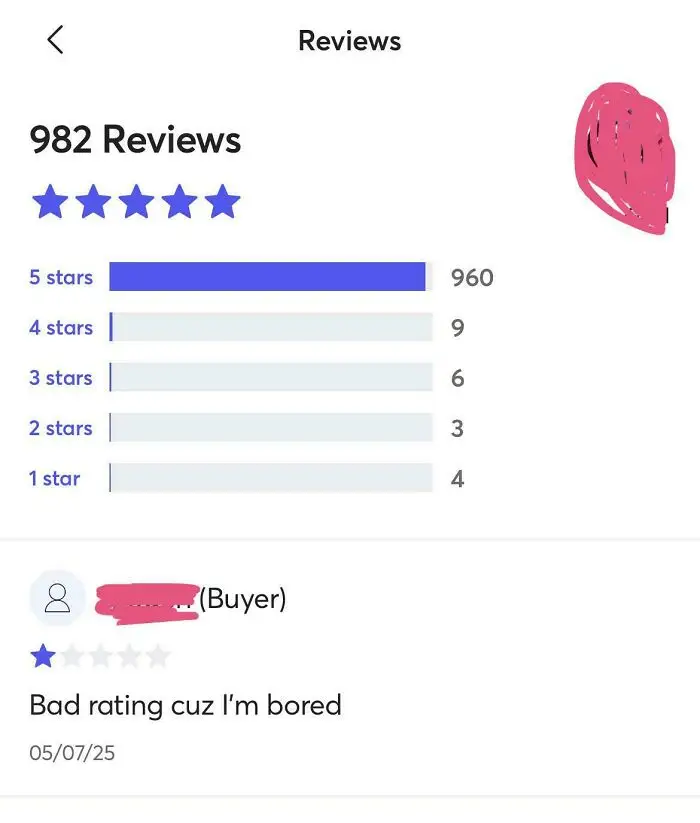
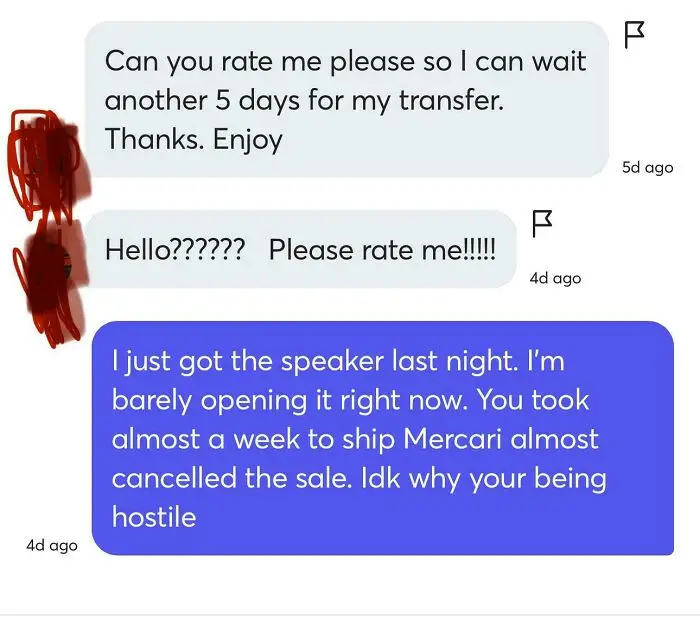
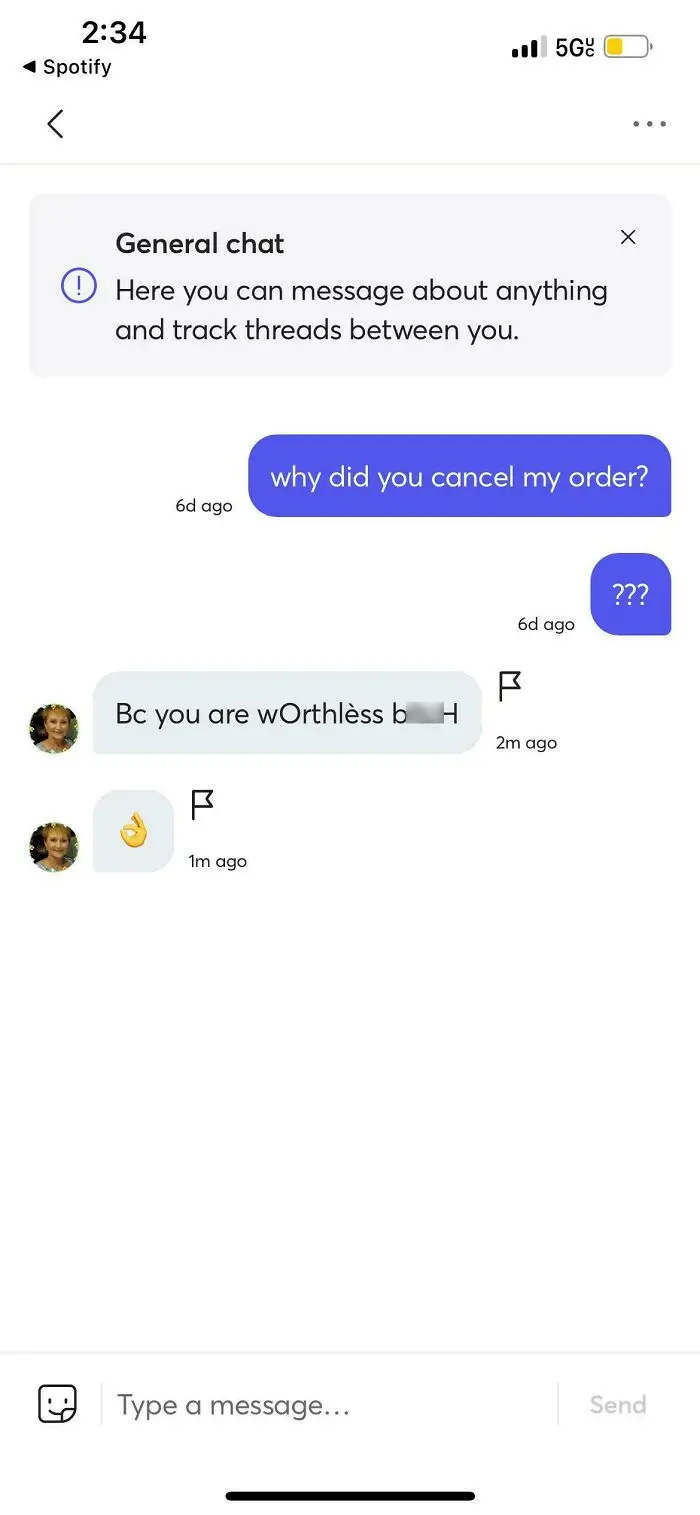
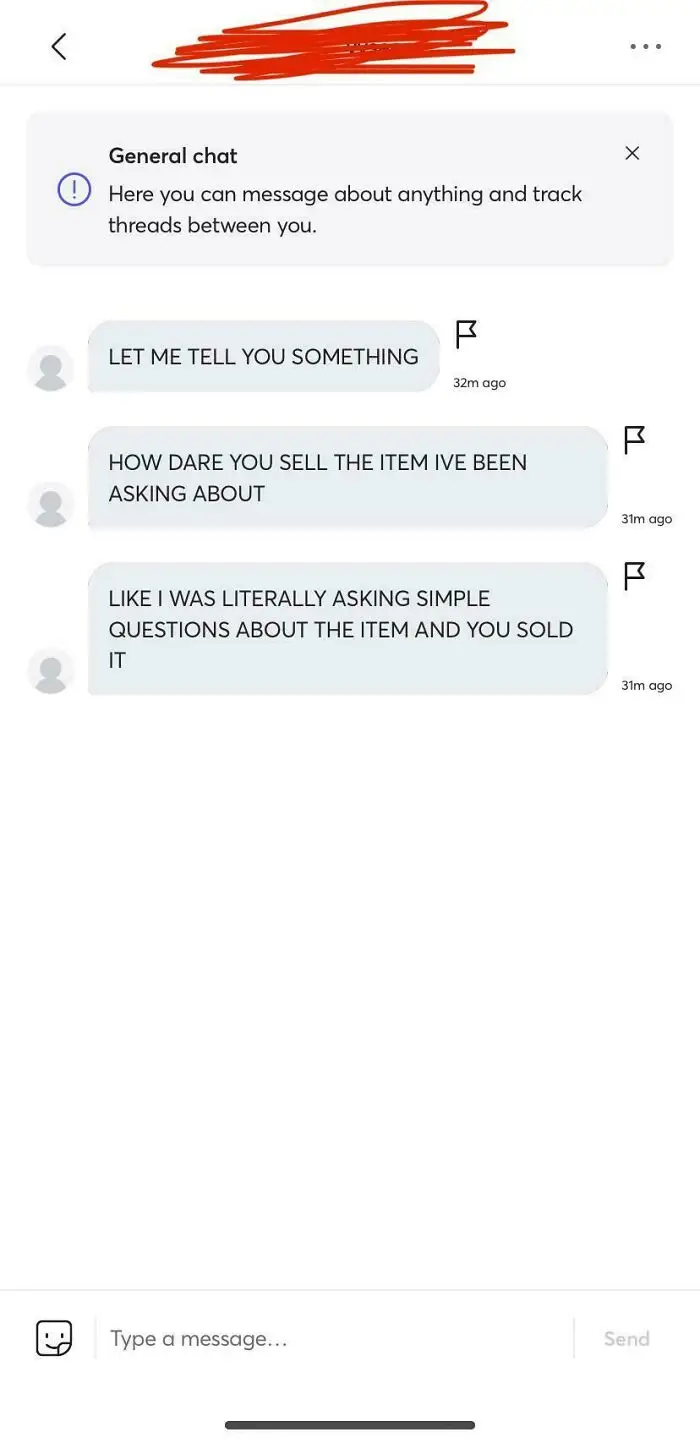
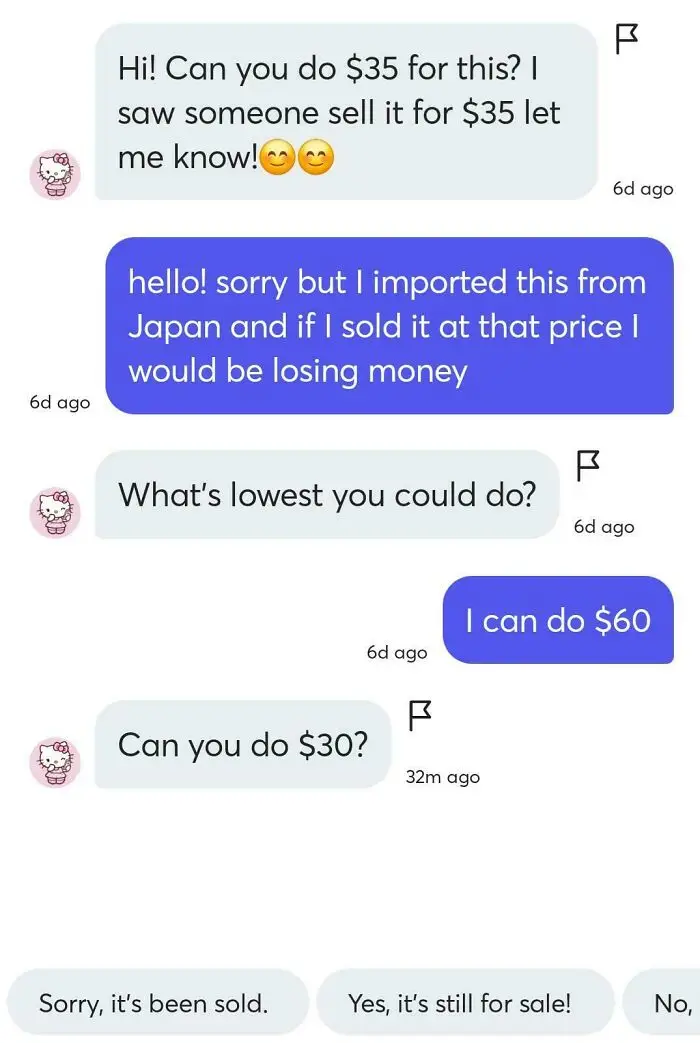
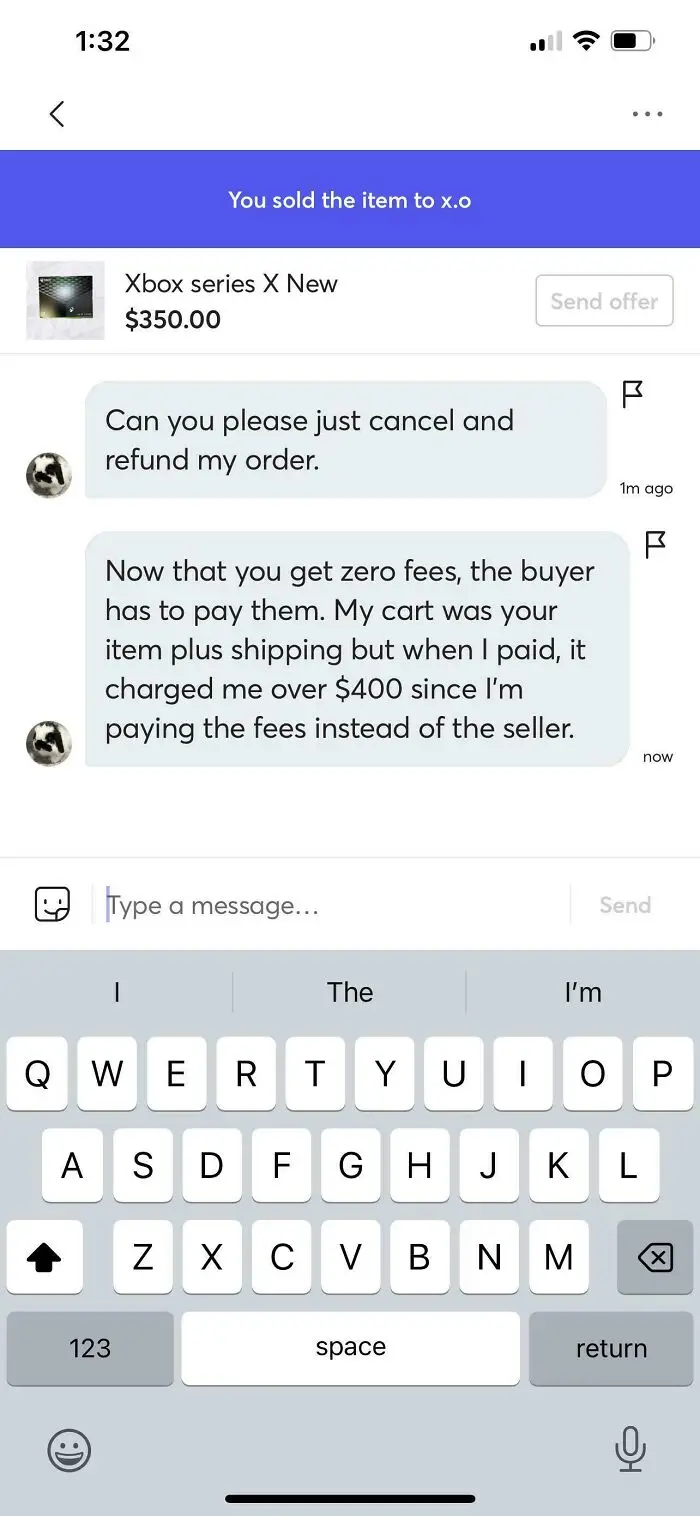
#7 Baffled By This Interaction With Someone Who Didnt Even Buy Anything From Me
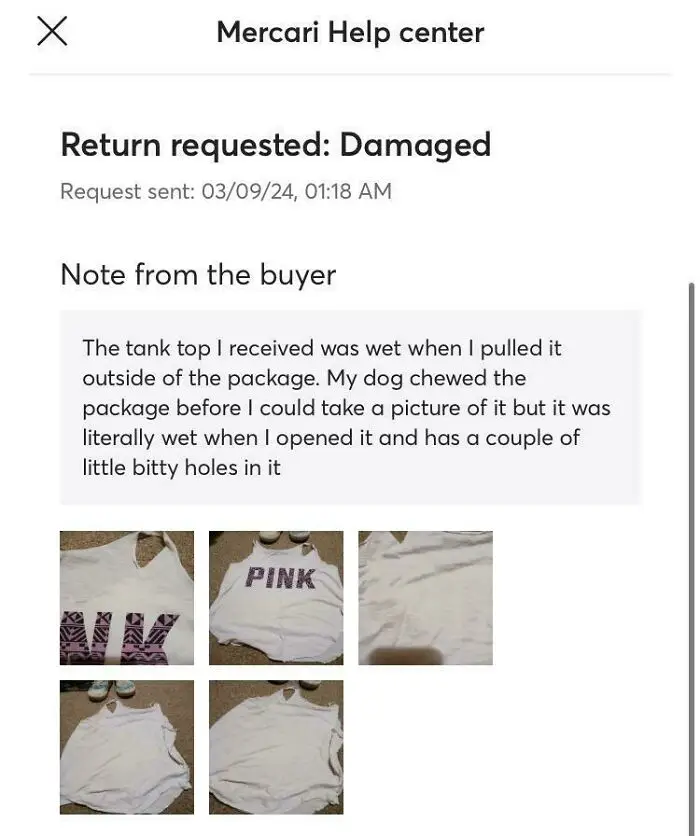
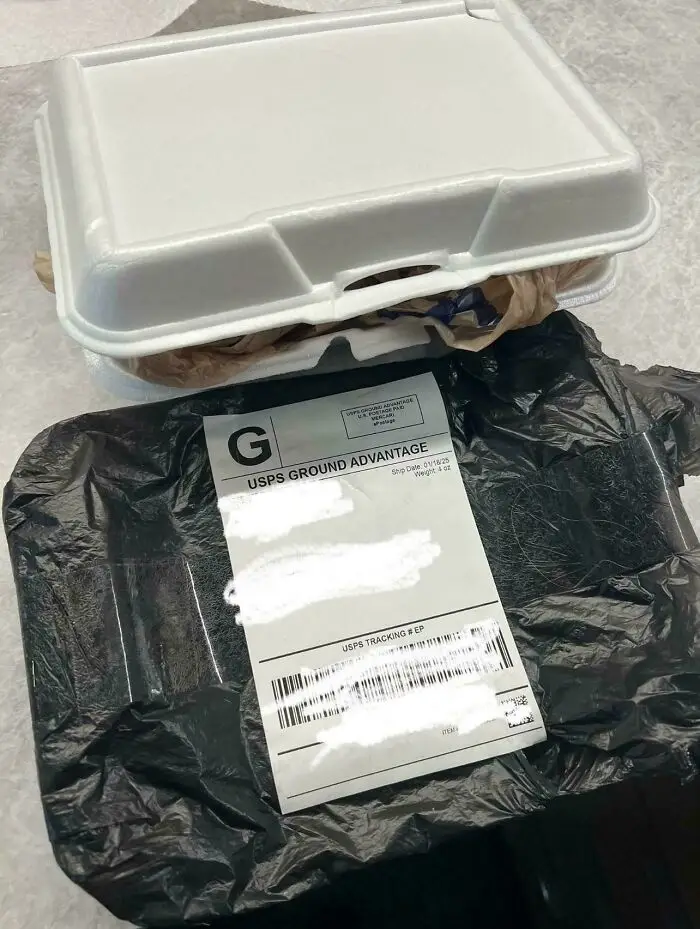
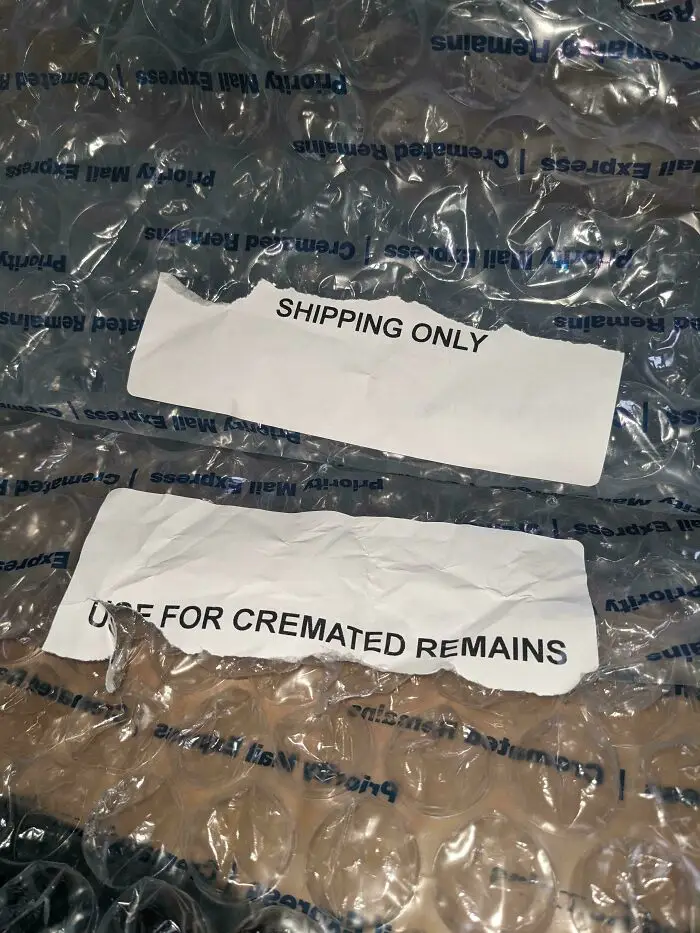
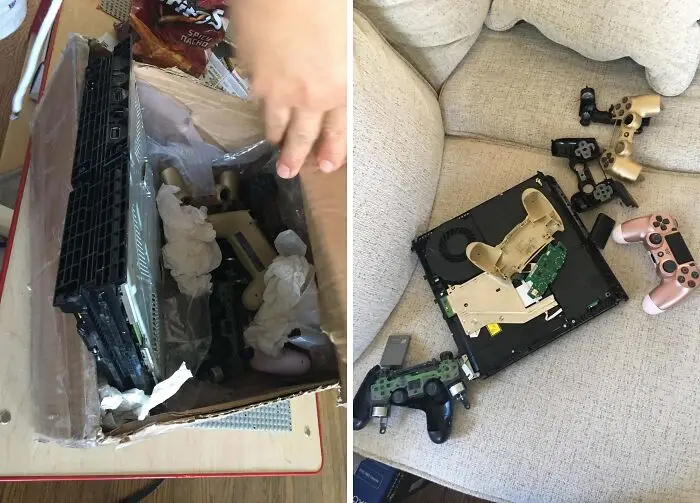
#9 I'm Usually All For Reusing Packing Supplies But Uhh... This Was A Little Weird To Receive My Item Wrapped In
To understand how an online purchase ends up arriving in a greasy chip bag, it helps to look at the massive system running behind the scenes. Package delivery has quietly morphed into the vital backbone of global trade.
Today, carriers move an unbelievable 266 billion parcels every single year. That breaks down to roughly 8,500 packages being sorted, scanned, and shipped every single second across the globe.
In the United States alone, the average consumer receives about 64 packages a year, putting immense strain on logistics companies to automate faster, scale up, and push for total transparency.
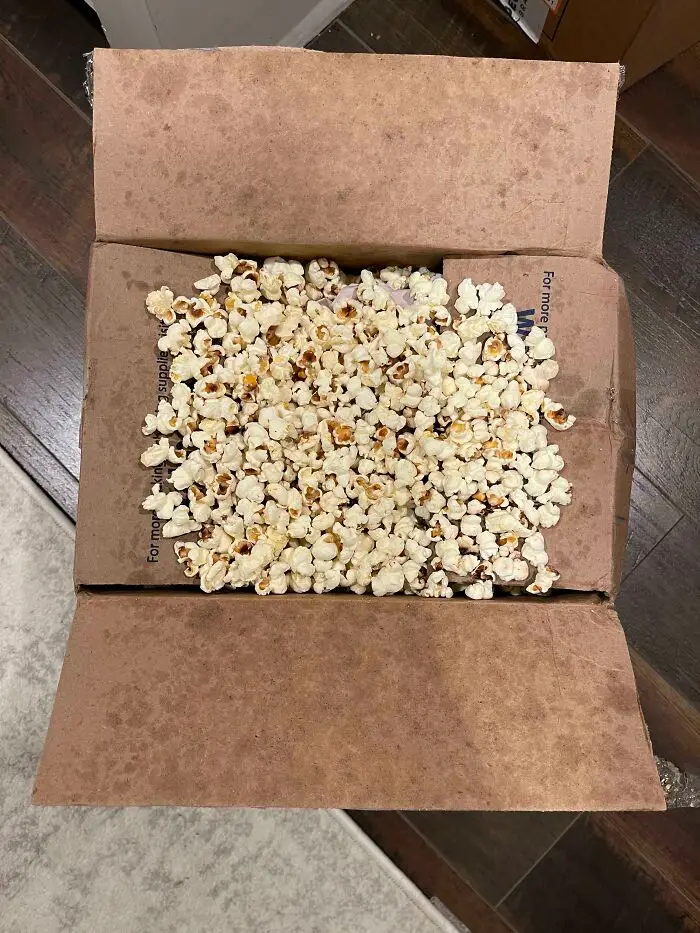
#11 Worst Packing Material You’ve Ever Received From A Seller? I’ll Go First. Burnt, Stale Popcorn. 🤮

The delivery services also come at a high human cost. Studies show that delivery drivers face extreme stress and safety risks every single day as they battle tight drop-off deadlines, heavy traffic, and grueling hours. Burnout levels and pay satisfaction also vary wildly depending on which company a worker drives for and how long they have been on the job.
Couriers also face rising accident rates because rushed routes force them onto unsafe roads and through severe weather. Reports from organizations like the European Labor Authority paint an even darker picture of the industry. They point out issues with off-the-books labor, misclassified self-employment, and messy chains of subcontractors. This setup often shields giant tech platforms from taking responsibility when things go wrong on the road.
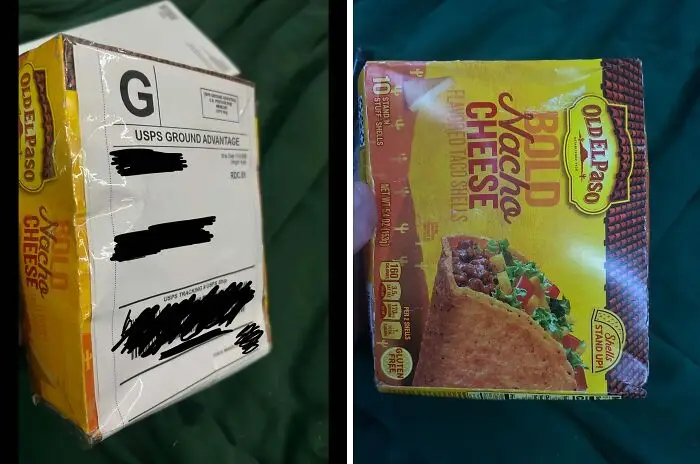
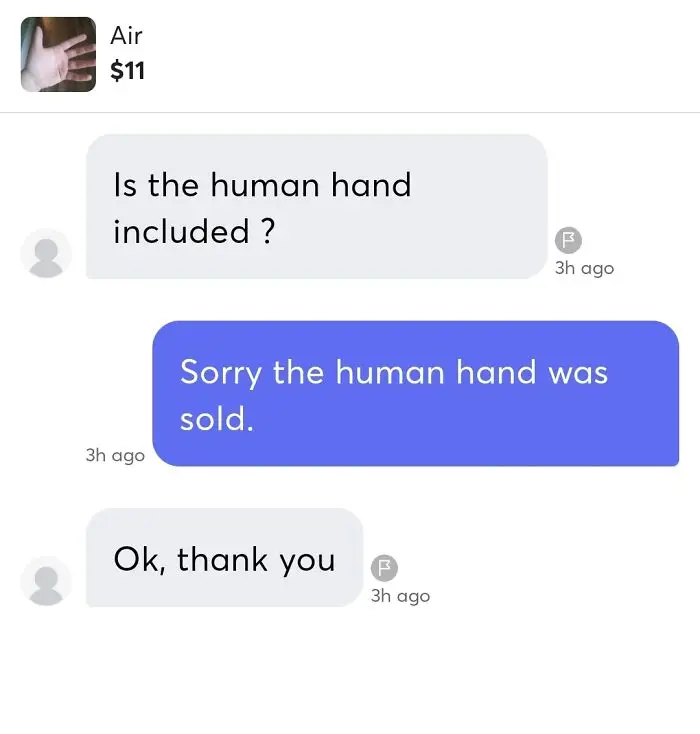
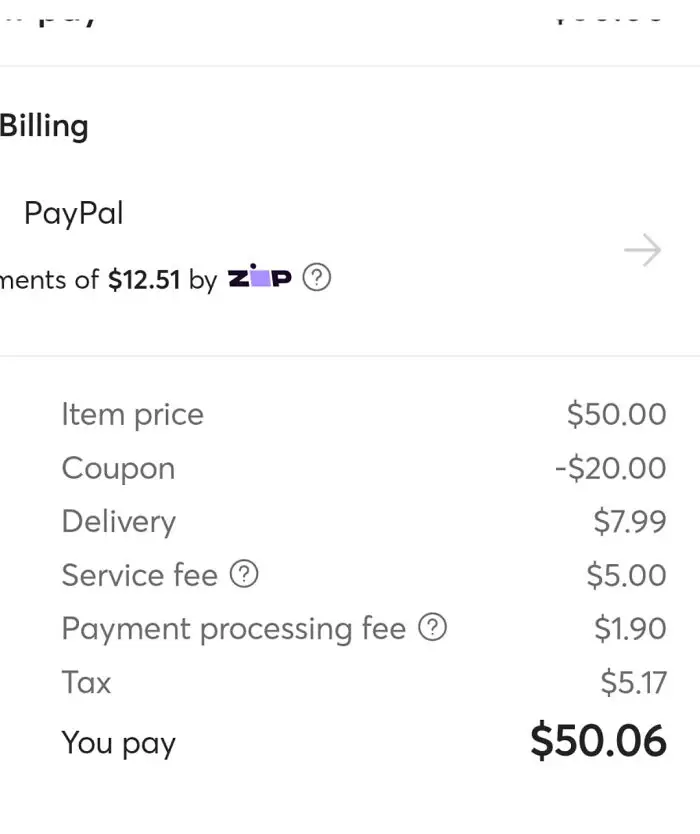
#14 Wanted My 5 Dollar Coupon For Listing But Had Nothing To List. It Got Taken Down But I Got This Awesome Screenshot
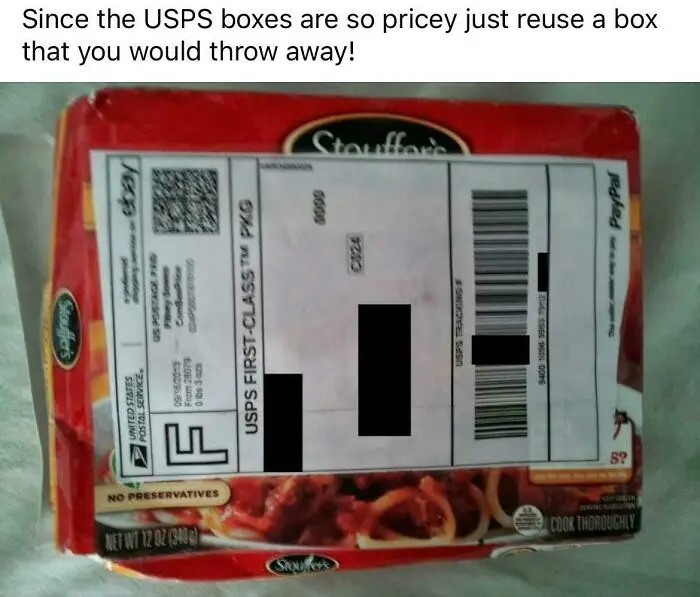
At the center of this chaos is “last-mile delivery” — the final leg where your item travels from a local warehouse straight to your front door.
It is universally known as an expensive, inefficient part of the entire shipping journey. Between heavy city traffic, spread-out neighborhoods, skyrocketing fuel prices, old roads, labor strikes, and unexpected government regulations, margins stay paper-thin while delays remain almost inevitable.
All these backstage struggles directly impact how you feel when that package finally hits your porch. Research shows that the anticipation phase — the period spent waiting for an order — actually triggers a burst of dopamine in the brain.
Packaging that builds suspense turns opening a box into an experience. When sellers use multiple layers, secret compartments, or clever reveal elements, it builds anticipation — triggering a much stronger emotional reaction when you finally get to what’s inside.
But imagine waiting for five days, checking your tracking link a dozen times, and running to the front door when the doorbell rings — only to unwrap your new gadget from a take-out box.