

This post may include affiliate links.
#21
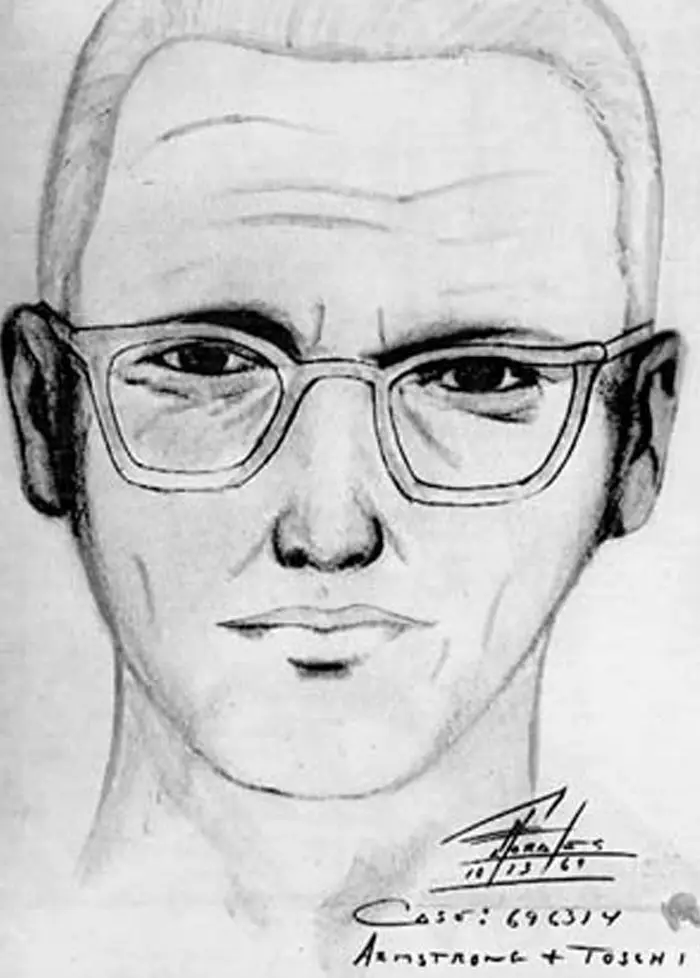
In the 1980s I took a business trip to San Fransciso, and on the flight there I read the book Zodiac (chilling and great).
My flight lands very late, I get a cab to my hotel, and as we approach the dropoff I see it's at the intersection where the Zodiac K**ler was known to have caught a cab.
At this point, mentally, I'm deeeep into the world of the Zodiac crimes and manhunt, it's just over a decade since the last known victim, it's late and dark and foggy with empty streets, and he's still not been caught.
To say my head was on a swivel that trip would have been an understatement.
***Second Incident***
I was hospitalized in eastern Pennsylvania, had surgery, and the night before I was to be released I developed severe, life-threatening complications, which I barely survived (got last rites, etc).
Over a decade later I find out that [Charles Cullen](https://en.wikipedia.org/wiki/Charles_Cullen) was working at my hospital while I was there. The nature of my complications could definitely have been caused by a malicious actor, and for a time I considered suing but, due to personal complications, ended up choosing not to pursue it.
Kemper was far from the only offender studied by the FBI’s Behavioral Science Unit. Douglas, Ressler, and their colleagues interviewed numerous incarcerated violent criminals in an effort to compare their experiences and identify recurring patterns. Their research helped investigators consider questions that had previously received less attention: What might an offender’s behavior reveal about their motives? Could the way a crime was committed provide clues about the person responsible? And could similarities between cases help law enforcement connect crimes across different jurisdictions? The answers were never simple, but this work contributed to the development of behavioral analysis as an investigative tool.
#22
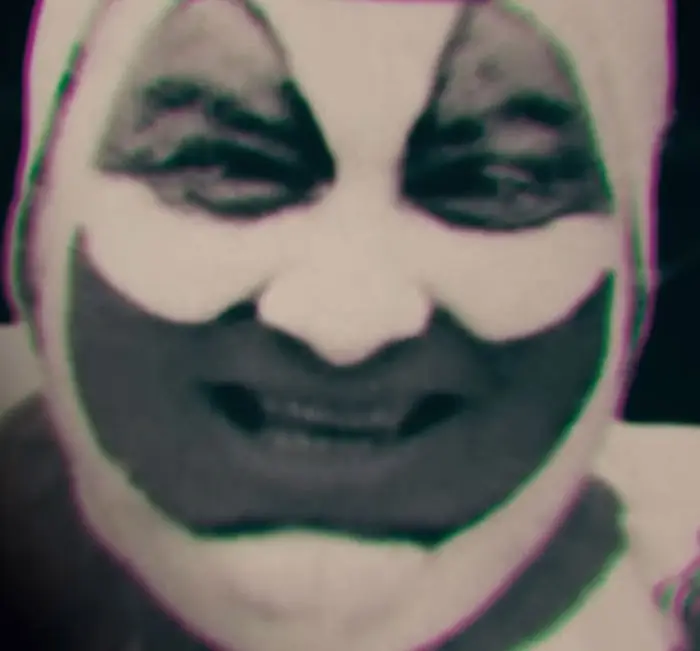
Also, a few years before Gacy, my brother was at his friend's house when sh*ts rang out...it was a neighbor, John Workman, who went crazy and sh*t his mom, dad, I believe 2 neighbors, and my brother's friend mom & sister. It was horrifying!
#23
#24
Today, criminal profiling (also known as offender profiling or behavioral analysis) is used to help investigators interpret information from a crime and develop possible leads. Profilers may examine details such as the location of the crime, the offender’s apparent level of planning, the way the victim was approached, evidence left behind, and any repeated patterns across multiple cases. They may then suggest possible characteristics, behaviors, or circumstances that investigators should consider. However, profiling is not a form of mind-reading, nor can it identify a specific person on its own. It is most useful when combined with physical evidence, forensic science, witness accounts, digital records, investigative experience, and other established methods.
#25
#26
I honestly just remember how much it affected her. It truly damaged her soul. She rarely spoke of it ~~but I believe she may have even been the one to find her (she was elementary school age when it happened, I believe).~~ (I had to edit this because I don't trust my memory of what she said 100%)
We lost touch when our lifestyles diverged. I still think of her and my heart aches with hope that she found peace.
#27

Coming back to today’s collection, these posts offer a glimpse into how frightening and uncertain that period could feel for the people who lived through it. Some of the stories are unsettling because they involve close encounters, while others reveal how fear could spread through entire neighborhoods and communities. Which of these accounts gave you the chills, Pandas? Was there one that stayed with you long after you finished reading? Let us know your thoughts in the comments below.
#28
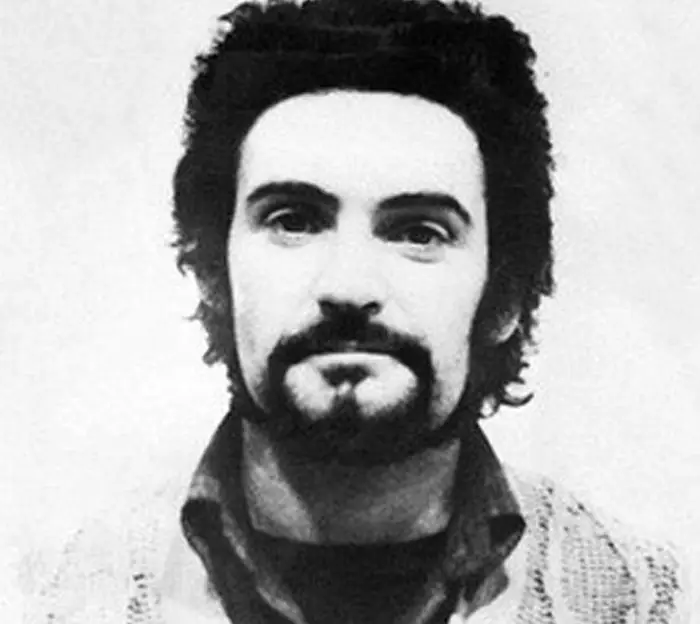
The misogyny of the police and other commentators at the time has been laid bare my more recent documentaries.
#29
#30
#31
#32