


#1

#2

He was so mean and just tore me apart for being stupid and obviously he can tell when something is wet. It's stuck in my head for years because we were on a hike and he was so obnoxiously cocky about it for the whole rest of the experience. Like, "I still can't believe you thought that!"
But guess what, I looked it up again post break-up, and he was WRONG. It feels nice to shout that into the void.
"The nation's pool of scientific talent hasn't been this shallow in decades... America's scientific, economic, and social well-being is at stake." That's the view of Jerome H. Grossman, a member of the Government-University-Industry Research Roundtable of the National Academies.
The expert firmly believes that there's a "dangerously scarce" number of U.S. scientists and engineers. And he's not the only one. But others argue that there are too many scientists and not enough jobs available.
#3
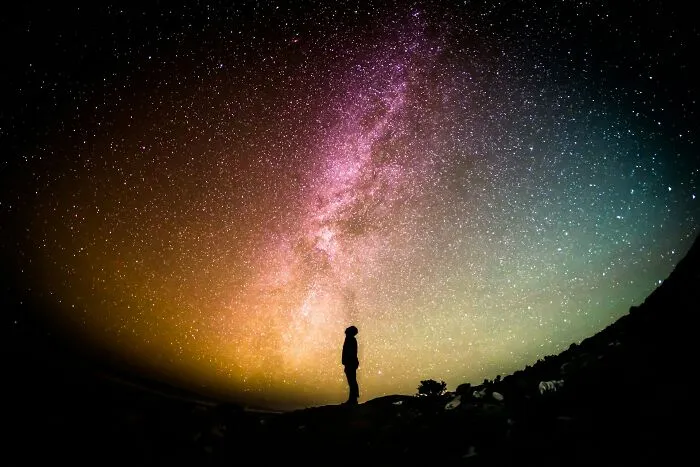
Every element heavier than iron was created by a star dying violently.
Nearly every bit of your body and the world you live in is made of dead stars.
#4

There have been 17 economic papers done on it and they all prove it has never worked; yet Donald Dump did it anyway.
#5
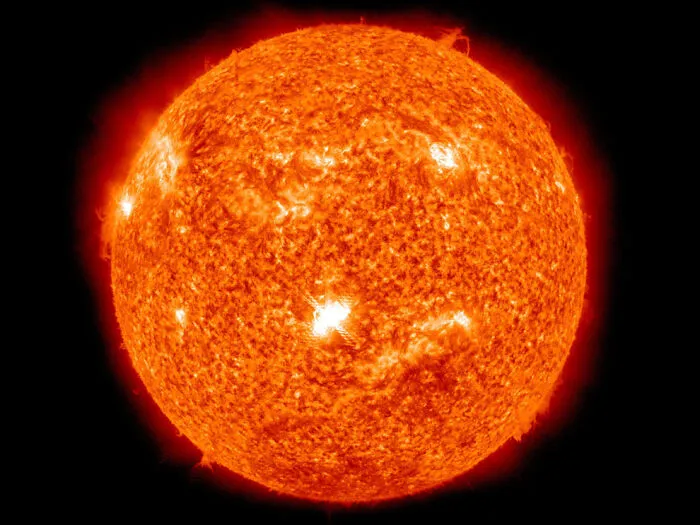
While some may think of scientists as men and women hard at work in laboratories, the experts at Culturico, a non-profit project aimed at sharing scientific knowledge, say there's so much more to the profession.
The U.K.-based Science Council defines a scientist as "someone who systematically gathers and uses research and evidence, to make hypotheses and test them, to gain and share understanding and knowledge.”
The last part is important, notes Culturico, adding that scientists should also be skilled communicators so that they can inform and educate the general public.
#6


"As the world evolves, scientists must evolve accordingly. Young researchers should reconsider their responsibility toward both the scientific community and society," the Culturico team writes.
"They must approach the scientific world with an awareness that communication is the most significant component of their work as it will undoubtedly advance their scientific career," they add.
#8

#9

#10
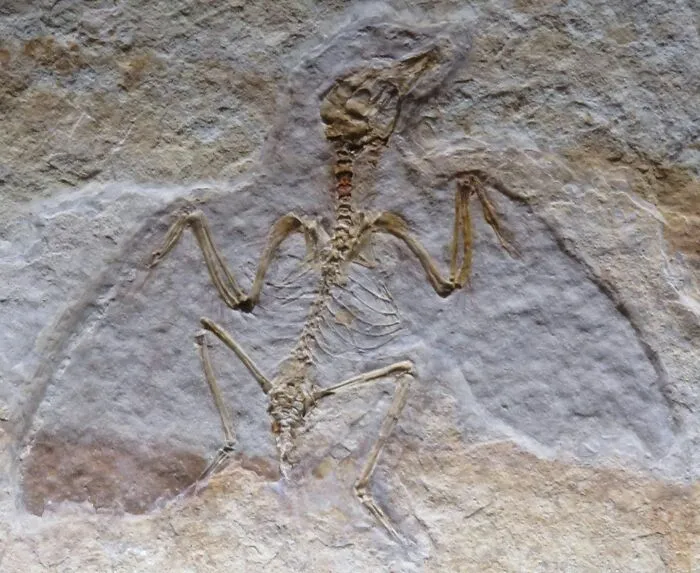
The science boffs at Culturico believe that scientific discoveries are not meant to be secrets confined within the walls of a laboratory. Just because someone doesn't understand certain concepts, or doesn't have an advanced degree, does not mean they should be excluded from the exciting world of science.
And those at the Science Council agree. They say science is the backbone of informed decision-making, innovation, and progress.
#11
#12
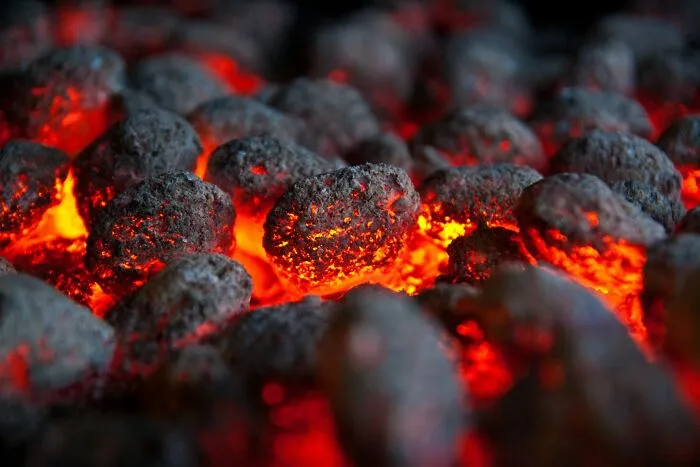
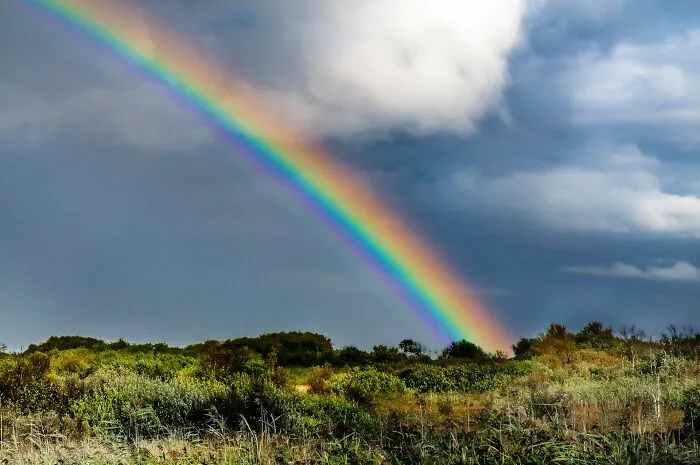
Those trees turned into coal.
#13
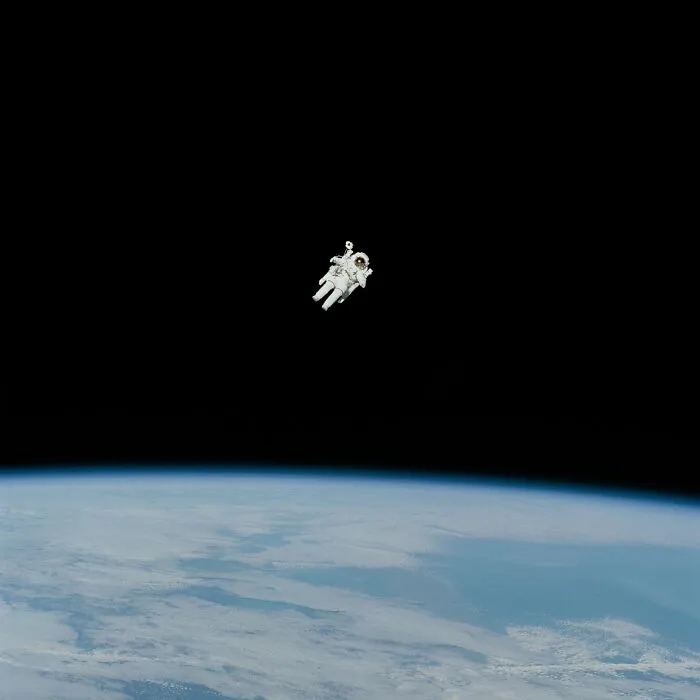
"By championing science, we empower professionals to tackle global challenges—from climate change and public health to technological advancement and sustainable development," the council's site notes. "Science fosters collaboration and drives continuous learning."
And explaining scientific facts that would otherwise sound fake is all part of sharing knowledge.
#14

#15

80,658,175,170,943,878,571,660,636,856,403,766,975,289,505,440,883,277,824,000,000,000,000
unique arrangements.
Even a deck of just 10 cards already has 3,628,800 unique ways to arrange them.
#16
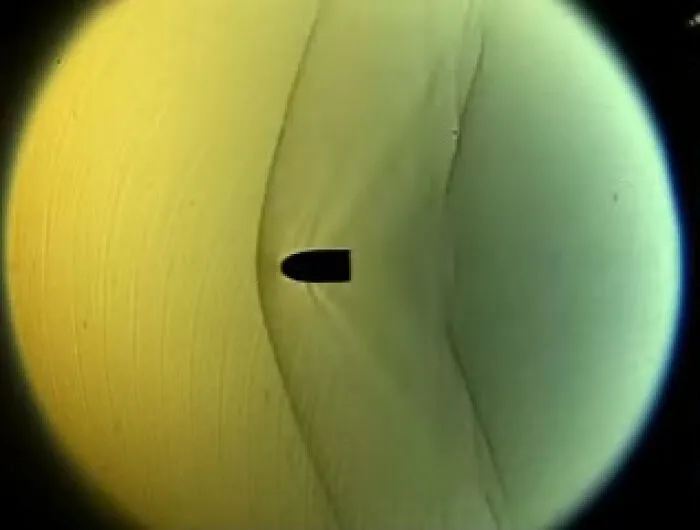
According to Culturico, a scientist is successful when he or she is able to translate complex findings into a message that can be understood by a general audience.
"The ease by which scientific information can be found today must push scientists to understand the importance of unequivocally disseminating this knowledge," reads the site.
#17
#18

#19