






Some things in our world are just so freaky that it makes people think there's no way they can be real. Take the platypus, for example: aside from its ridiculous appearance, it also has ten gender-determining chromosomes, electroreceptors, and little cheek pockets like hamsters. Or what about the fact that sharks can get freakishly old and some of them that are alive today have been in the ocean since the 1550s?
These are just some of the fascinating facts that folks shared in one online thread, prompted by one user asking, "What scientific discovery sounds fake but is 100% real and still freaks you out?" So, scroll down and read about other aspects of our Earth that make it just as fascinating and weird.
#21

Humans are the best developed species for distance running. We out perform any other species in the long run.
23points
#22
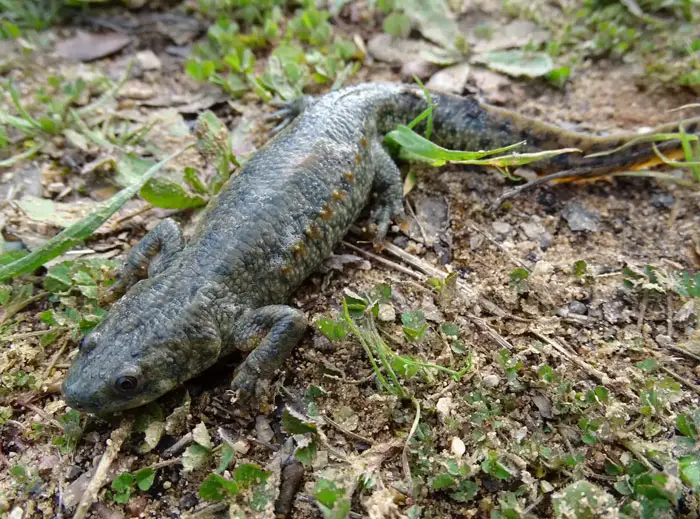
There's a species of salamander that stabs its ribs through the sides of its body to ward off predators.
22points
#23
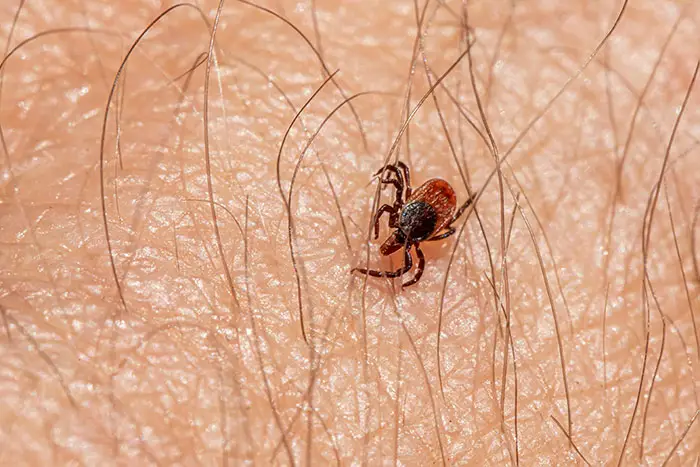
A certain tick bite can cause you to become allergic to meat.
22points
#24
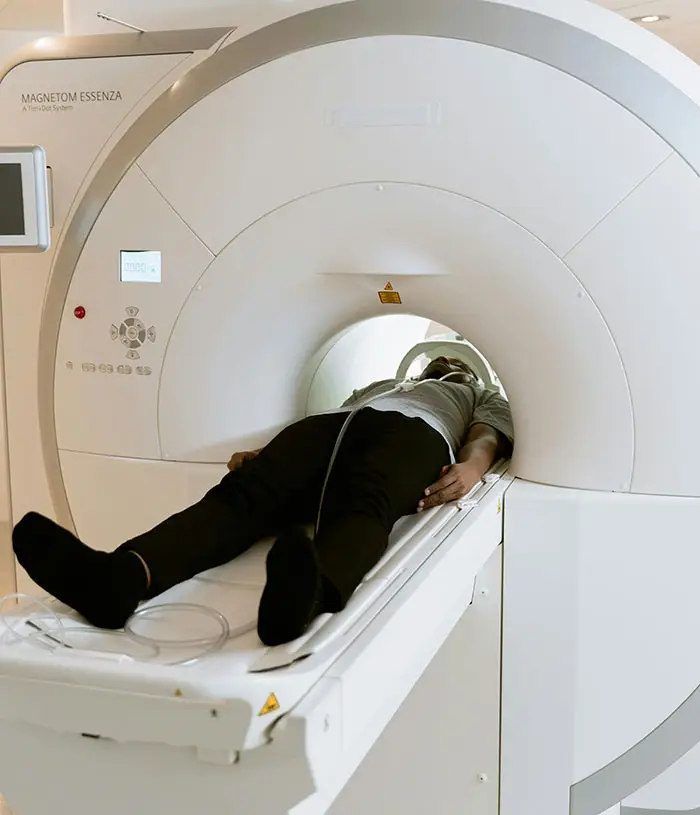
MRI, magnetic resonance imaging. Let’s take a big magnet, throw in some intermittent radio waves, measure which atoms are flipping upside-down, and then make a 3D image.
Report
21points
#25

A good portion of us have no inner monologue
Edit: I think some folks are confusing aphantasia with inner monologue - which is also interesting but not quite as confusing.
Edit: I think some folks are confusing aphantasia with inner monologue - which is also interesting but not quite as confusing.
20points
#26
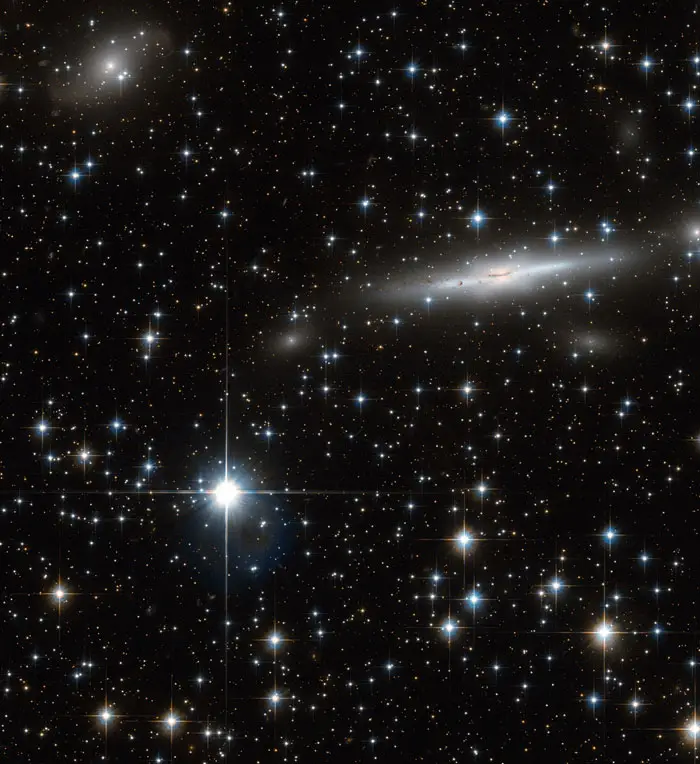
The discovery of The Great Attractor. A massive gravitational anomaly that is pulling everything in its neighborhood, including the Milky Way Galaxy towards it at rates of +/- 700km per second. We have no idea what it is, because we can't observe it through our own galactic zone of avoidance, but it's estimated to be roughly 10^16 solar masses.
Report
19points
#27
Prions.
midgetyaz:
A protein just bends the wrong way and all the proteins around it start doing it, too. And that's not how the body is suppose to work.
midgetyaz:
A protein just bends the wrong way and all the proteins around it start doing it, too. And that's not how the body is suppose to work.
19points
#28

The smell of grass being cut is it’s distress signal.
Report
19points
#29
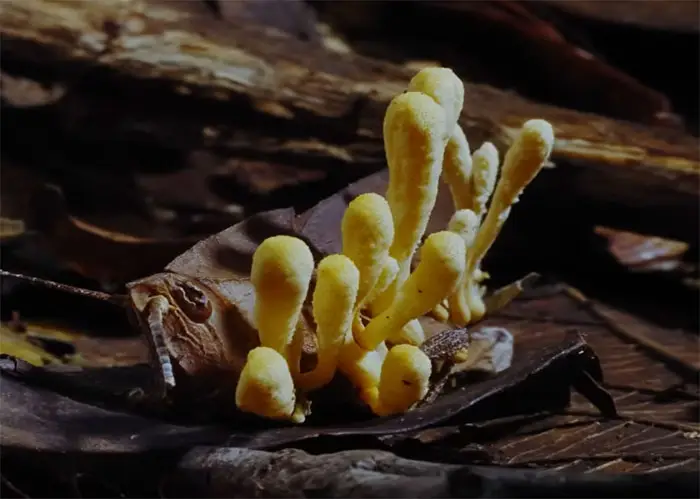
That one fungus that literally takes over an insect's brain and walks its body to the highest available point from which it can more effectively propagate itself.
19points
#30
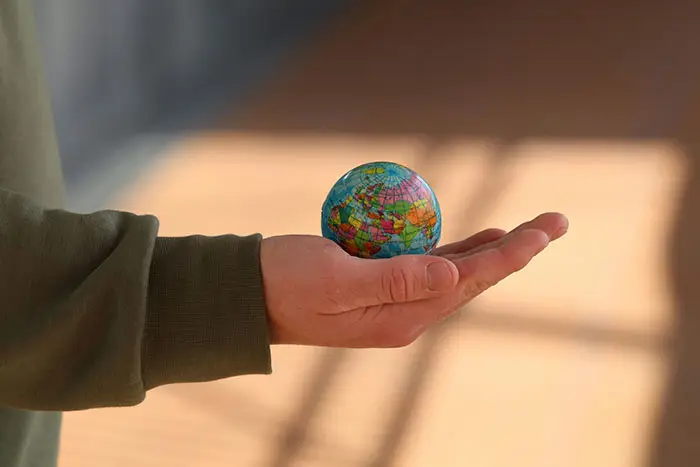
In the grand scheme of things our impact on this world and the universe will not matter in anyway at all. In relation to our world we are a blink of an eye, and to the universe beyond even detectable. We are self important to a fault and yet as insignificant as what ever exists that’s smaller than a quark.
18points
#31
I work with cancer cells from people that died several decades ago. They're still going strong. We can freeze and thaw them indefinitely. Ship them all over the world. Probably the most popular ones have generated 1000s of times the weight of their original body.
None of this is possible with cells from healthy tissues, unless you genetically make them cancerous.
None of this is possible with cells from healthy tissues, unless you genetically make them cancerous.
Report
18points
#32

Supposedly people who have been deaf from birth but who aren't mute do not make the same sounds when sneezing as people who are not deaf. The implication is that the sound you make when you sneeze is learned. That freaks me out because I feel like it is sort of an unstoppable innate sound that I've always had.
17points
#33
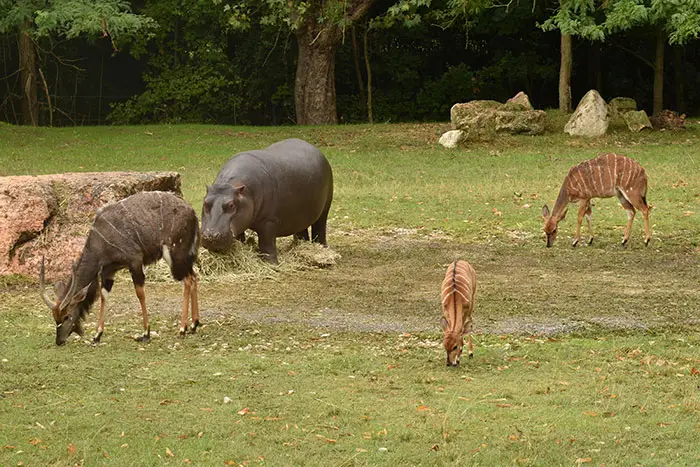
Different animals experience time at different rates. Smaller animals with faster metabolisms experience time more slowly.
16points
#35
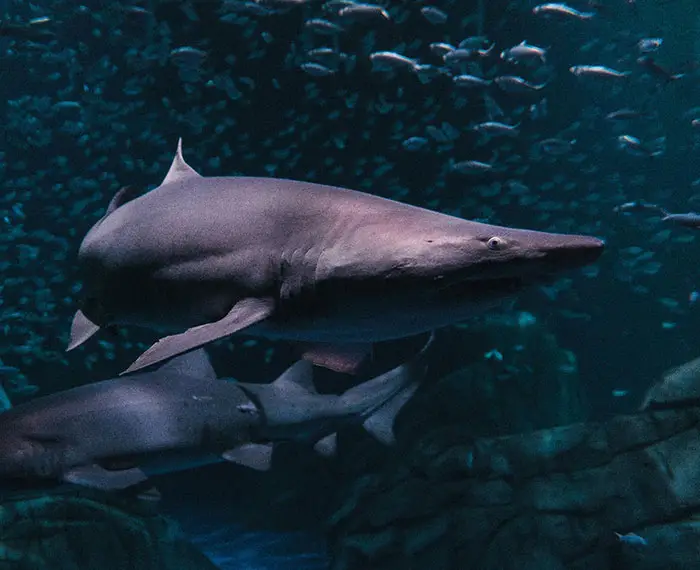
There are more cells in what you consider your body that are not you (bacteria) than cells that are you.
Report
16points
#36
There are an unfathomable number of unfathomably small particles called neutrinos passing through all of us, and Earth, all the time.
The only way we(humanity) have found to detect them without interference is to build giant underground water tanks that essentially watch for the tiny bit of light that is produced when one of them collides with a water molecule.
Working in IT, I'm confident that very rarely, one of them strikes a PC component, be it in a server or consumer devices, and flips a bit.
Report
16points
#37
Until the WNT1 pathway is down-regulated during late childhood, in preparation for puberty, the human body is still capable of regrowing amputated fingertips. This pathway remains active in some species which are capable of regrowing entire appendages, or even their entire bodies.
Report
16points
#38
We don't know how effective the rabies vaccine is. We know it works pretty well, likely somewhere between 80% and 100%, but for obvious reasons it's impossible to test on humans, and rabies is difficult to determine exposure, because it isn't the most transmissible disease and often times the infected animal isn't even recovered. So a possible exposure may not have been an exposure at all.
Report
15points
#39
If we were to zoom in as far as possible until we get to the smallest unit of measurement possible, Planck's Length, and then tried to zoom in even further beyond that - the amount of energy required to do so would be so locally-dense that it would create a singularity (black hole).
Report
14points
#40
3 trillion fish are ended yearly, and the vast majority are by letting them suffocate, which is extremely painful and takes tens of minutes.
Just to compare, 100 billion humans have ever lived.
Just to compare, 100 billion humans have ever lived.
Report
14points
