






The internet can be a goldmine for health hacks if you know where to look. But we also believe it’s better to listen to the pros. Who says both can’t go hand-in-hand though?
A Threads user recently asked professionals across various disciplines to share what they wish everyone knew about their bodies. The thread quickly went viral, with over 10,000 comments and even more shares.
An Alzheimer's disease researcher offered tips like “sleep more… play more chess, sudoku, etc,” while a biomedical scientist revealed the extraordinary benefits of humming.
Many other experts like psychologists, surgeons, and even veterinarians weighed in with facts and debunked myths.
Take a look at some of their insights, which might help you level up your lifestyle.
#41

As an orthopedic surgeon: the most expensive thing you own is your spine and most people treat it like rental property. The habits you build in your thirties determine what your sixties feel like. Movement is medicine and sitting is the slow damage nobody takes seriously until it's already done.
Report
27points
#42
11 year Emergency Department Trauma team: If we are in a hurry, you're in bad condition. Wait times are a mix of many factors. It can be doctor speed, waiting for the hospital to accept our admissions, true emergencies that take the entire staff to save a life, mental health patients waiting to move on to the next step, ambulance rush, etc. We don't want to keep you waiting. We're just that busy.
Report
27points
#43
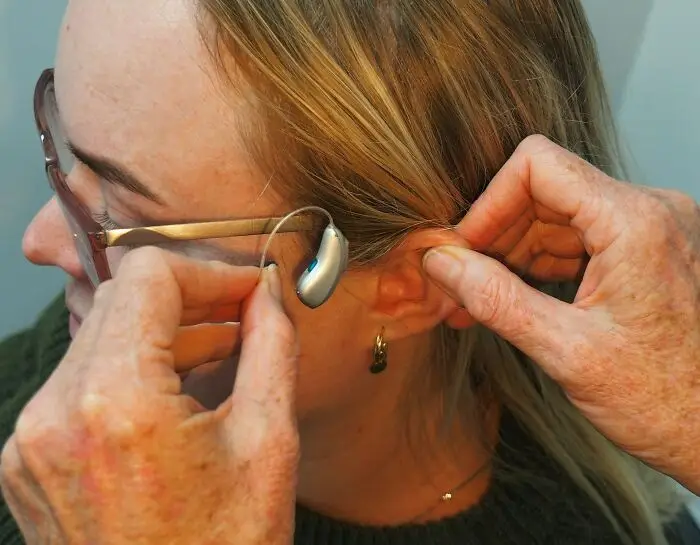
Audiologist: get hearing aids sooner rather than later. The longer you deprive your auditory system of sound (ie hearing loss) the less hearing aids will be able to help you later on.
Report
26points
#44
Nutritional neuroscientist: Unless you have a medical condition, diversification of your diet is better for your brain/body than repeating the same meal everyday.
Report
25points
#45
Social scientist here. DEI isn't too progressive. It is too conservative. It has more in common with HR offices than civil rights movements.
Report
24points
#46
agriculturist here: CLEAN YOUR VEGGIES AND FRUITS BEFORE CONSUMING THEM!
Report
24points
#47
Not a science professional, but communication studies prof here and most of what we call “good speech” skills is really just describing how neurotypical, able-bodied, western white men speak. Our public speaking textbooks take the cultural norms of one group and dress them up as objective standards, then judge everyone else against them.
Report
23points
#48
Stenographer here. (Trust me it’s a science. ) they all lie. All of them. The judges. The attorneys. The witnesses. The victims. The perps. The jurors. They all lie. All the time.
Report
23points
#49
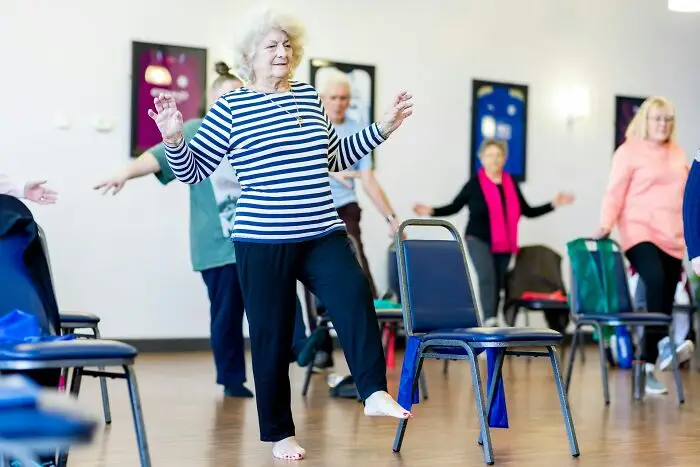
Physical therapy: Balance is a vital sign. The inability to stand on one foot for greater than 10s between the ages of 51-75 is associated with higher risk of mortality.
23points
#50
Speech therapist: Communication isn’t just speech, it’s a whole-brain, whole-body process shaped by relationships.
Communication is not just words. It’s breath, connection, culture, trauma, and trust. Language develops through attuned, responsive relationships, not pressure or drills.
What’s often called “regulation” can actually be suppression.
When someone feels safe, seen, and connected, expression follows
Communication is not just words. It’s breath, connection, culture, trauma, and trust. Language develops through attuned, responsive relationships, not pressure or drills.
What’s often called “regulation” can actually be suppression.
When someone feels safe, seen, and connected, expression follows
Report
22points
#51
Physical therapist here 👋🏼
After age 30, we lose 3-8% of our muscle mass per decade. This may not seem like a big deal, but it is crucial for our metabolism, bone density, and daily functioning. The best way to combat this is with regular (2-3x/wk) resistance training. Ladies, please stop fearing “bulky” (internalized misogyny) and start fearing frailty, falls, and life-ending hip fractures in your 60-80’s. It’s never too late to get started, but starting earlier helps more (like investing)!
After age 30, we lose 3-8% of our muscle mass per decade. This may not seem like a big deal, but it is crucial for our metabolism, bone density, and daily functioning. The best way to combat this is with regular (2-3x/wk) resistance training. Ladies, please stop fearing “bulky” (internalized misogyny) and start fearing frailty, falls, and life-ending hip fractures in your 60-80’s. It’s never too late to get started, but starting earlier helps more (like investing)!
Report
21points
#52
Vestibular physical therapist: ‘vertigo’ is not a diagnosis, it’s a symptom (sort of like pain), and it’s coming from somewhere else! That somewhere is most commonly vestibular migraine, which is super underdiagnosed, but impacts up to 3% of the population!
Report
20points
#53
MH counselor here: depression gravely impacts your perception of the world. Use DBT Opposite Action skill, and others to challenge your negative perception. Intentionally look for things that bring you joy, a sense of wonder and awe, hope, etc., challenging negative thoughts is definitely one way to treat depression (CBT things). Look for the evidence (pro/con) that support your thoughts and see if it's actually true or if it's just your depression talking.
Report
20points
#54
Pediatrician. We make near zero money from vaccines, and at times LOSE money from overhead costs. And we're the lowest paid medical specialty.
Report
20points
#55
Epidemiology: Most outbreaks are not found because someone walks into a clinic with “the disease”. They are found because epidemiologists notice a small pattern change first - a few unusual cases, a cluster, a shift in age groups, a signal in wastewater, a rise that should not be there.
Report
18points
#56
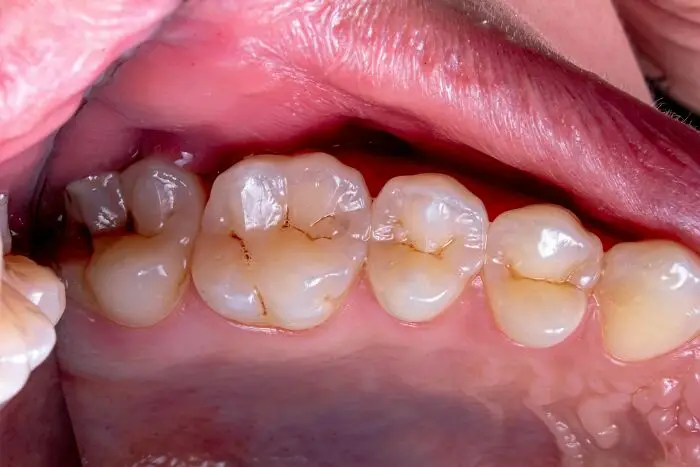
Dental hygienist here. Cavities are contagious. If someone has the cavity bacteria in their mouth and you share a straw or kiss them, they can transfer the bacteria to you and give you cavities. This includes babies/kids. Also tooth decay is considered the most prevalent disease in the world.
Report
18points
#57

Psychotherapist here -- social sciences count right? Your brain prefers familiarity. Even if something is deeply unpleasant, your brain is primed in most cases to keep doing that thing. Trying new things is important because it promotes psychological flexibility and desensitizes us to the discomfort of unfamiliarity. Brush your teeth with your non-dominant hand. Take a different route to work. Small changes make big changes easier.
Report
18points
#58
Registered dietitian: You can improve health behaviors without weight being the primary driver, and often get better long-term outcomes.
Report
15points
#59

Psychiatric Mental Health Practitioner here - Taking 400 mg of Magnesium Glycinate at night and getting 15 minutes of sunlight each day can do wonders for your mental health.
Report
14points
#60
Anatomist here: there is no such thing as being double jointed.
Report
12points
