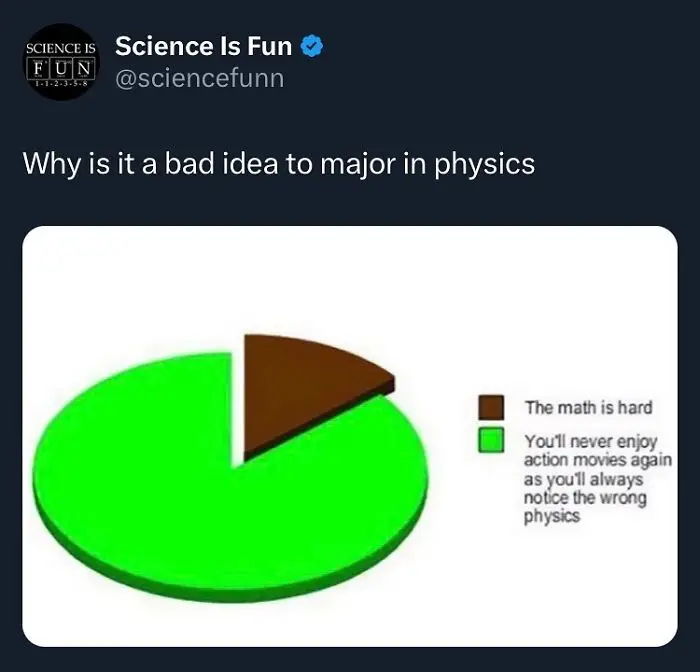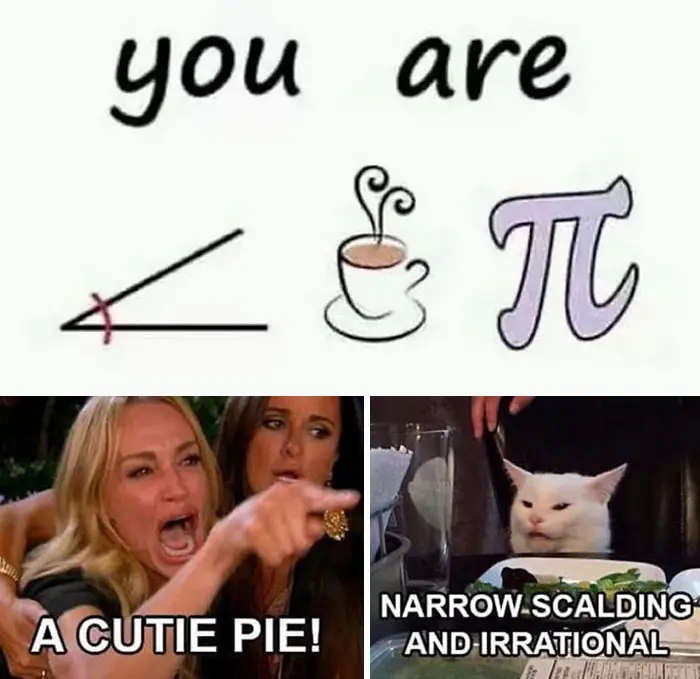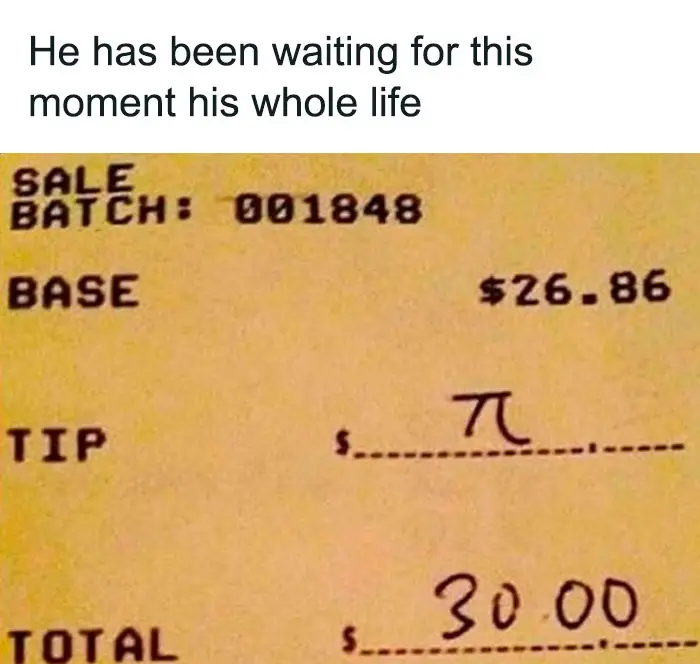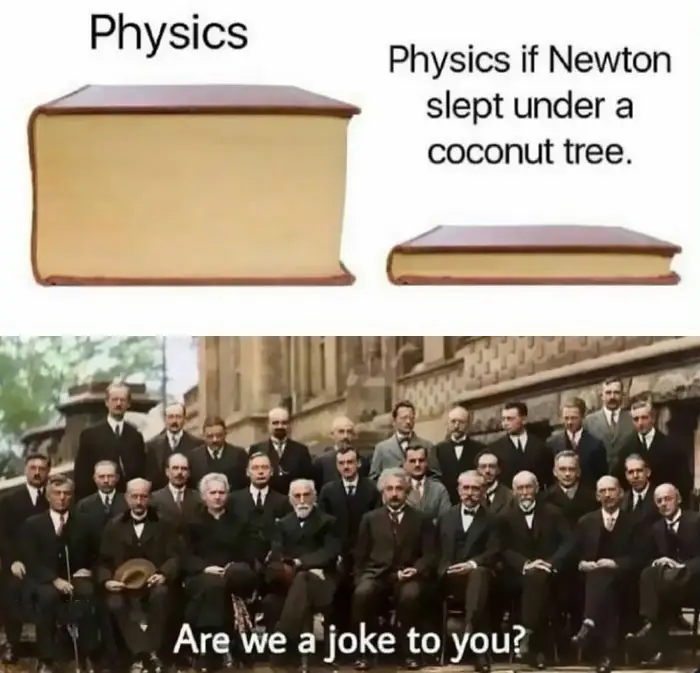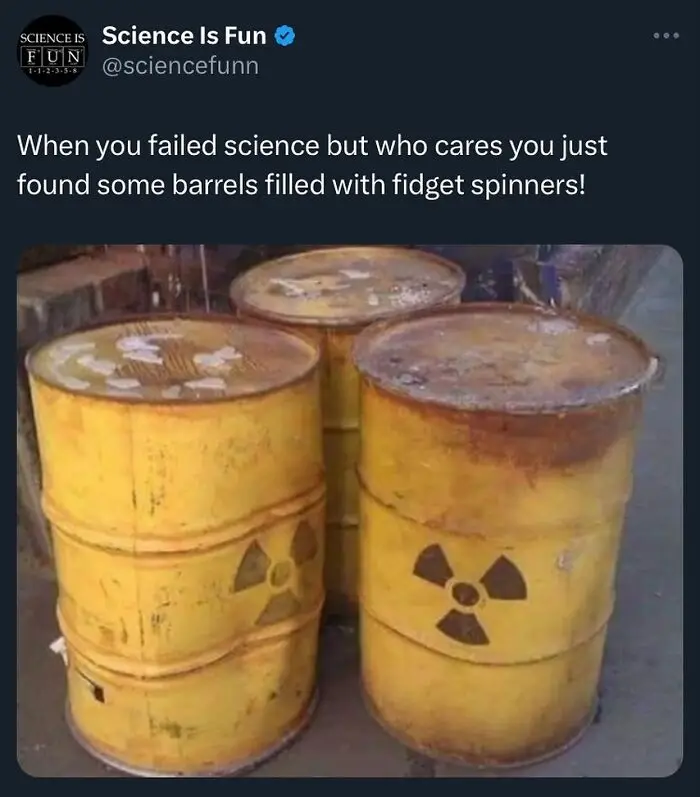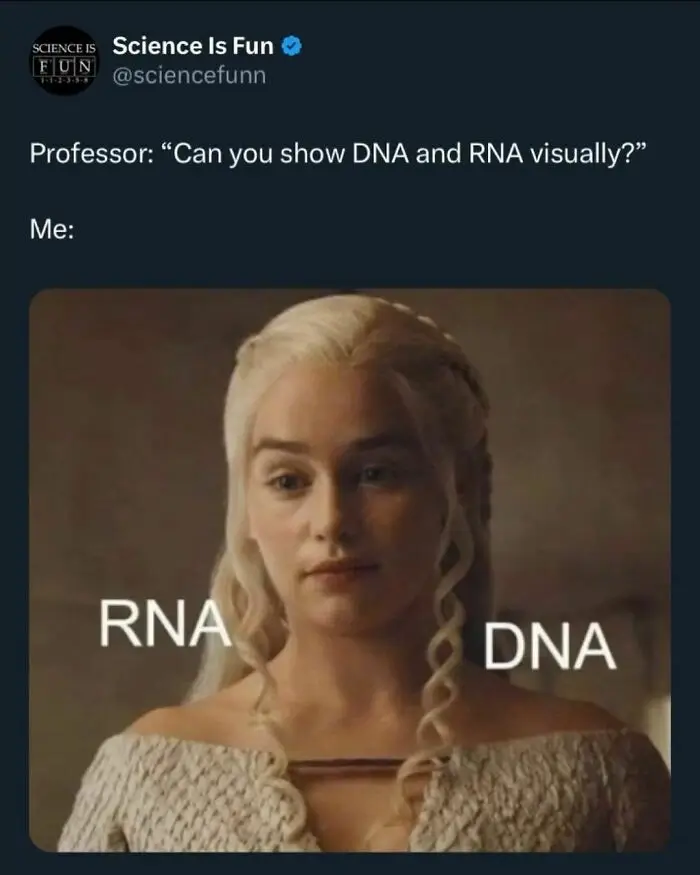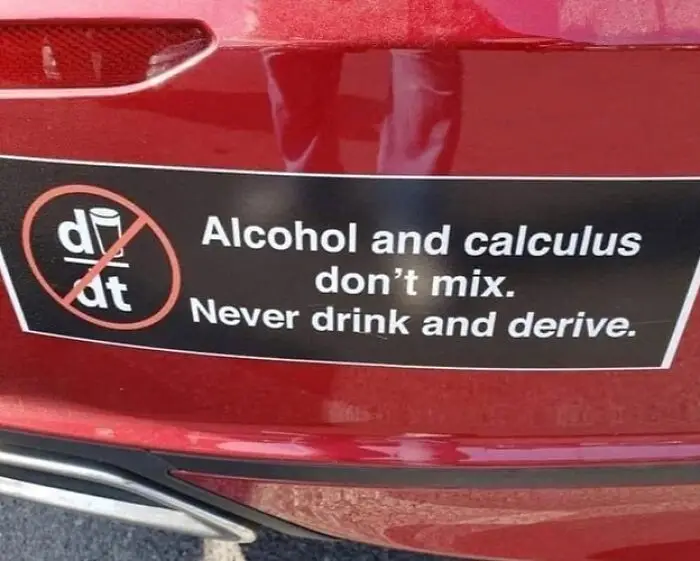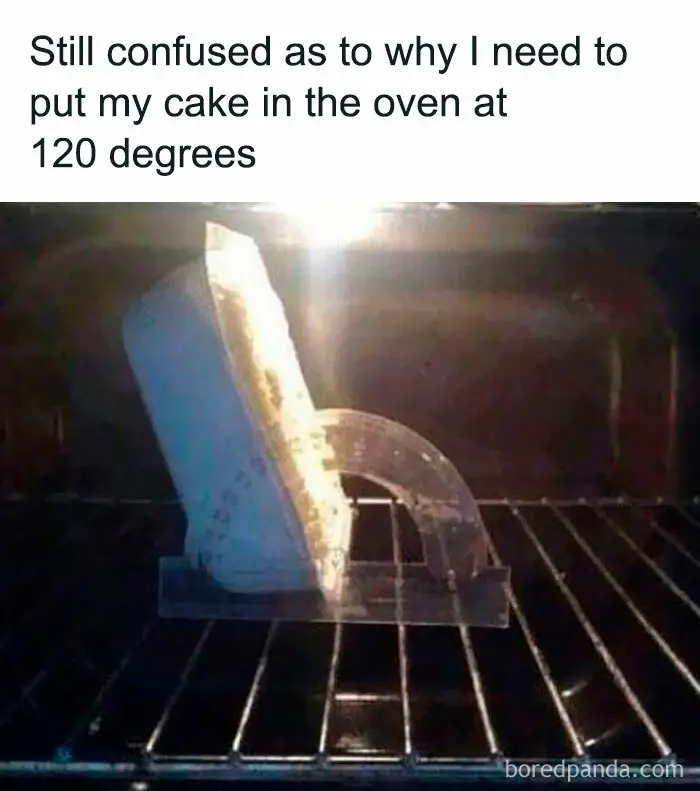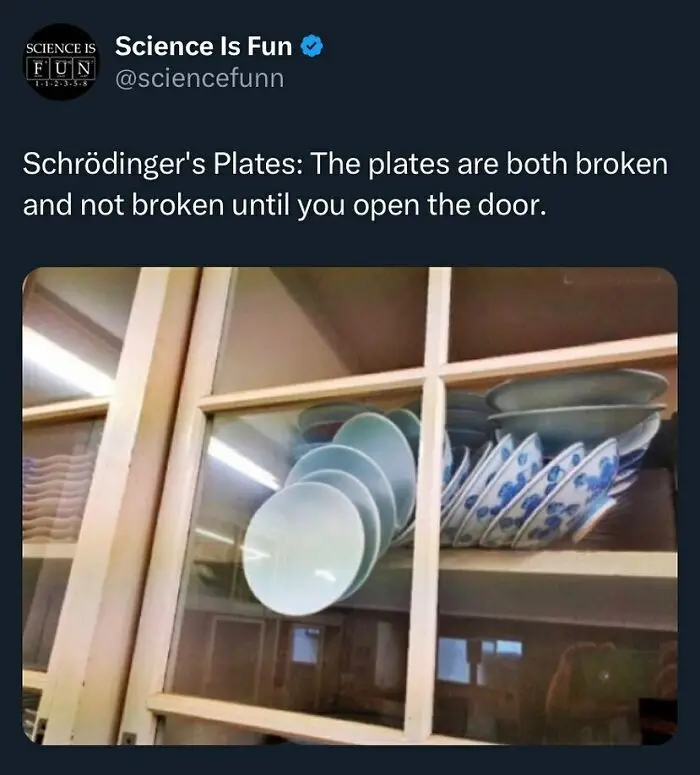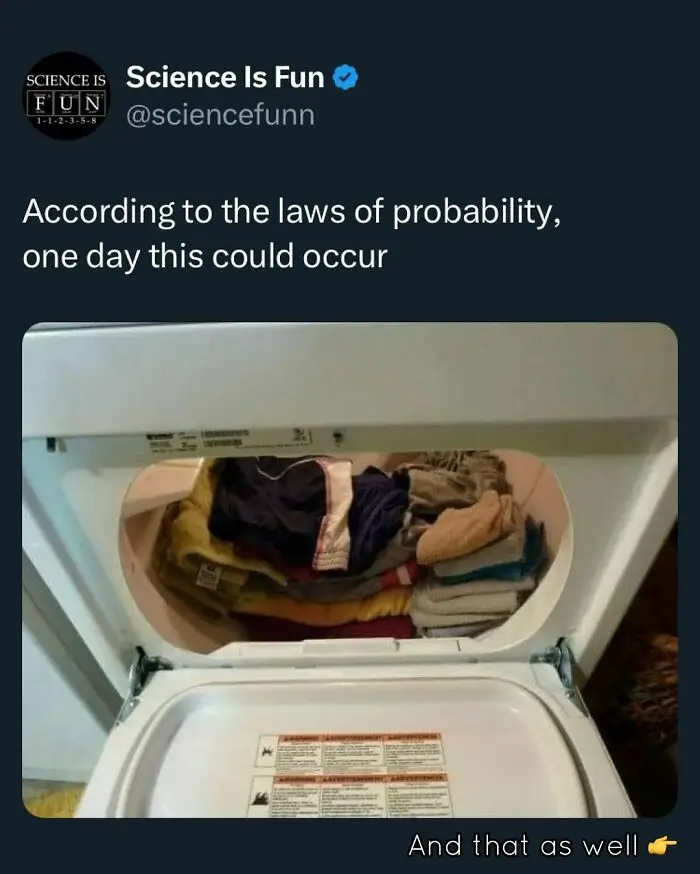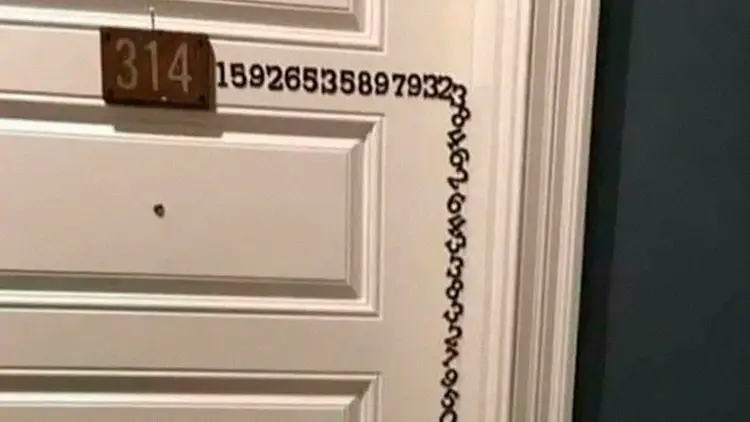


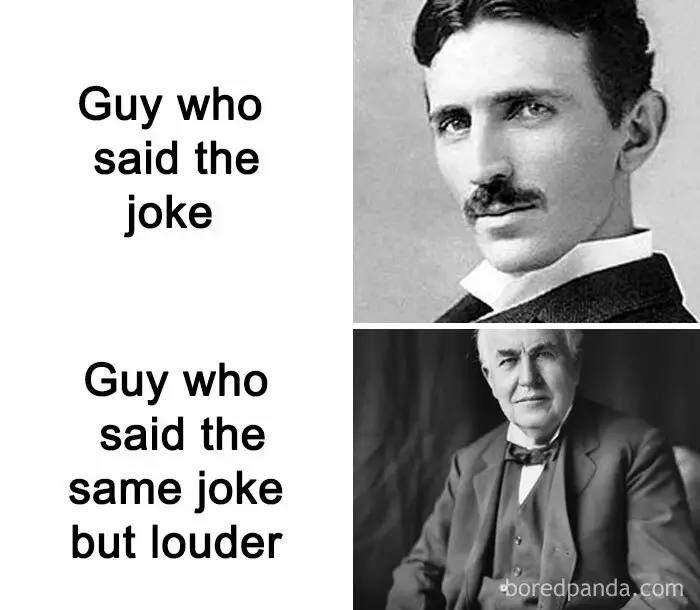
Tomas explained to us earlier what makes memes truly high quality. There are several main factors to consider here.
"Since the point of a meme is that it’s basically a visualized joke, the picture (graphics in general) might be, at some point, crucial. What might decide whether it will get its appreciation is the geography of the audience, gender, age, interest, and level of education in the area of the particular meme," he said.

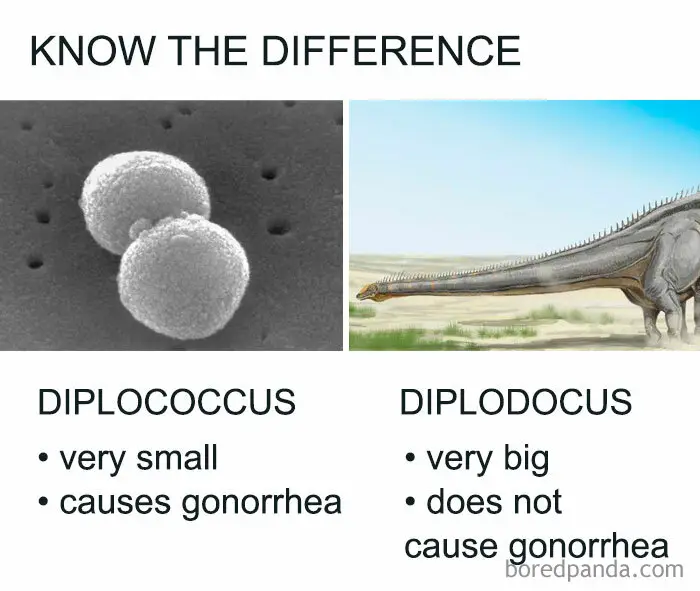
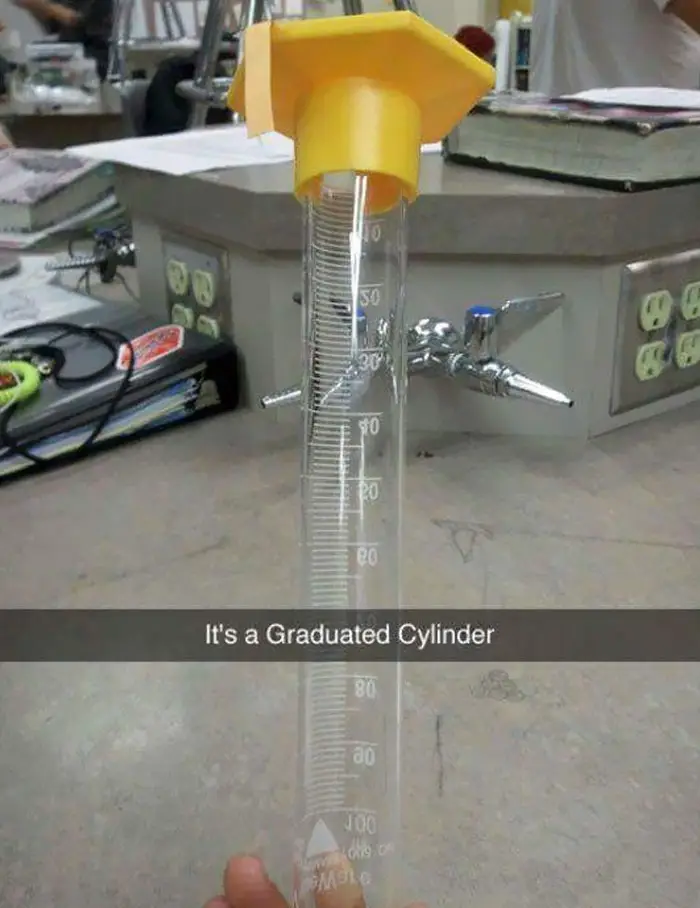
"When the meme requires some (but a low) level of education, there is a chance it will make more sense for the majority of the audience,” the creator of ‘Science is Fun’ explained. He added that it’s not just laughter that the audience gets. People can also feel like they’re being educated or like they relate to the situation in the meme on an emotional—sometimes even nostalgic—level.
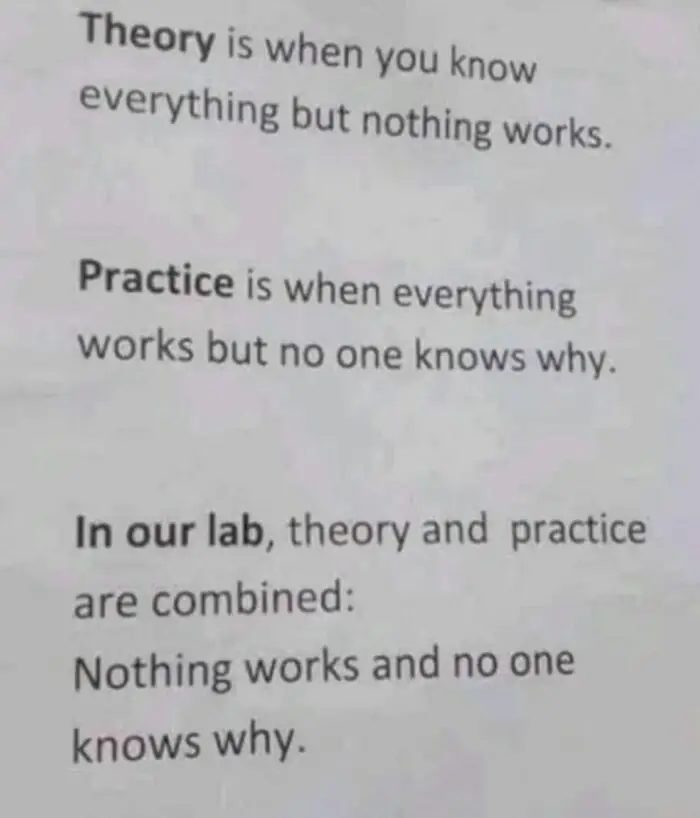
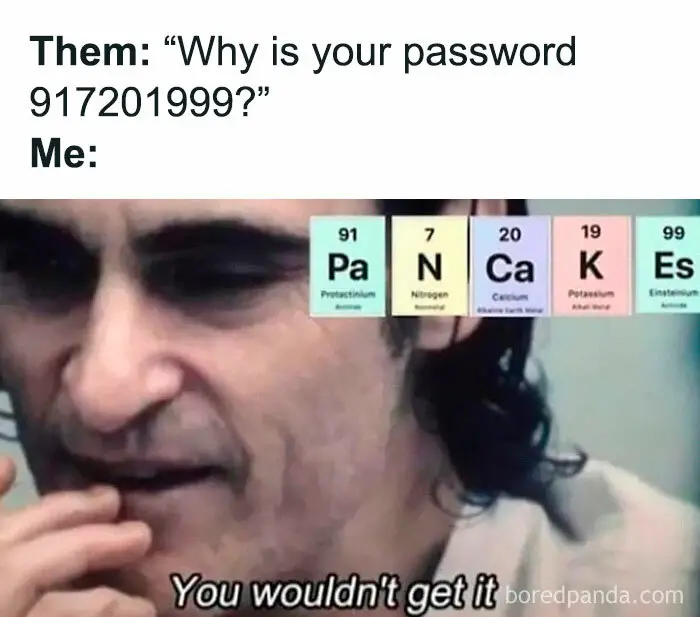
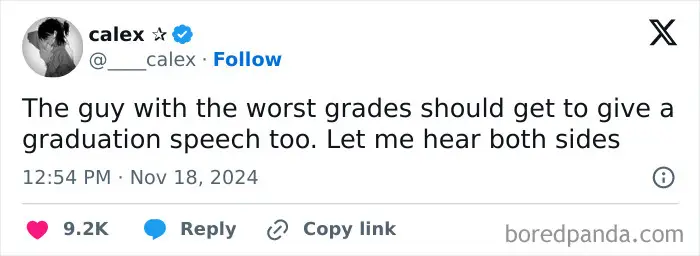
"These emotions can be more powerful than laughter itself. And combining more emotions with having a low education requirement for the post can cause the post to go viral,” Tomas said. For him, popularizing science through memes and education is linked to showing everyone how different science is from what they experienced in school. It’s not ‘boring.’ Far from it!
The founder said that popularizing science in society involves showing people that it’s fascinating and logical. “I believe in showing people that learning about science is basically learning about our world, laws of nature, laws of our very own existence and our essence,” he said.
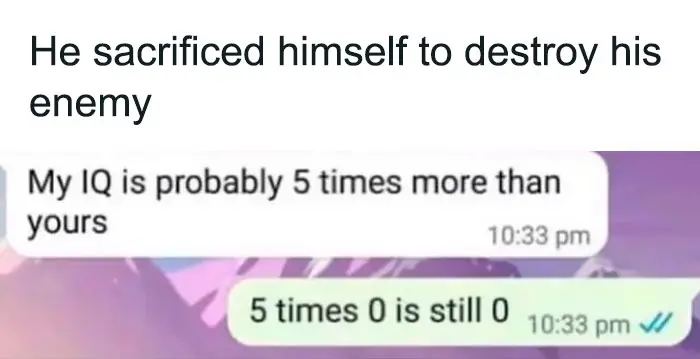
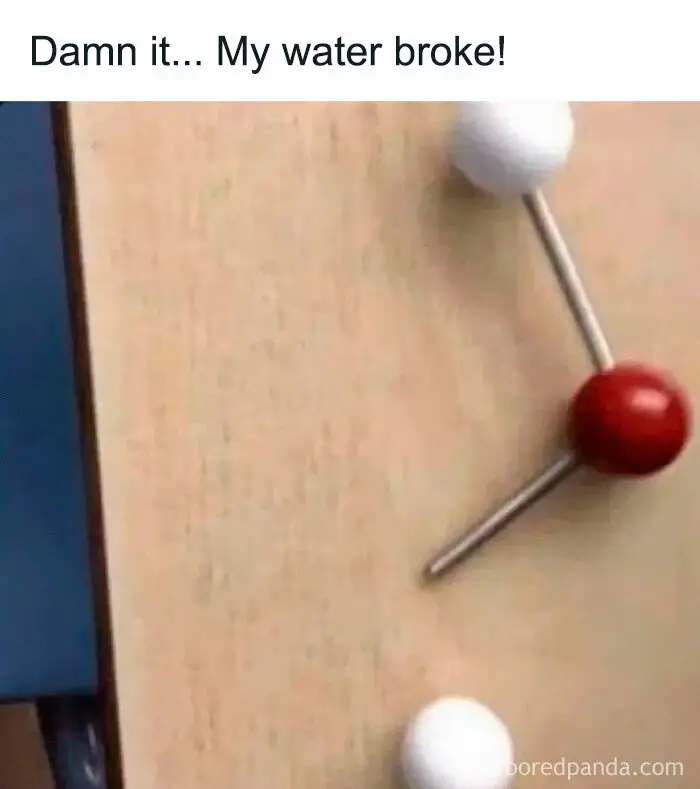
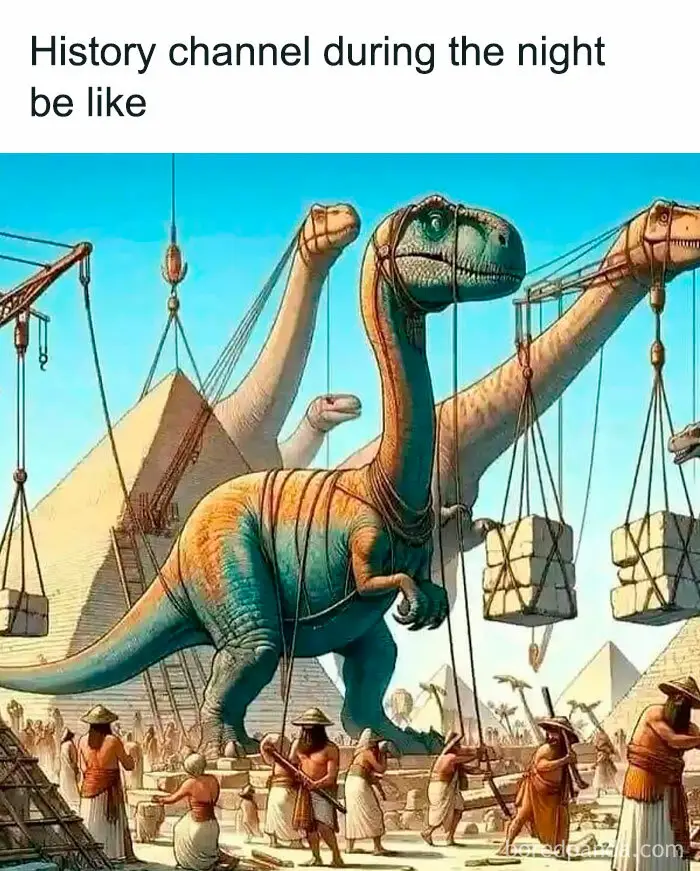
Which of these memes did you like the most and why, dear Readers? What’s your relationship with science like? Do you stay up to date with the latest science news or do you still have any weird preconceptions about the topic from your school days?
Share your thoughts in the comments below. Meanwhile, if you currently work or have worked in a scientific field, we’d love to hear about how you got into it and what keeps you passionate!