

This post may include affiliate links.
#1
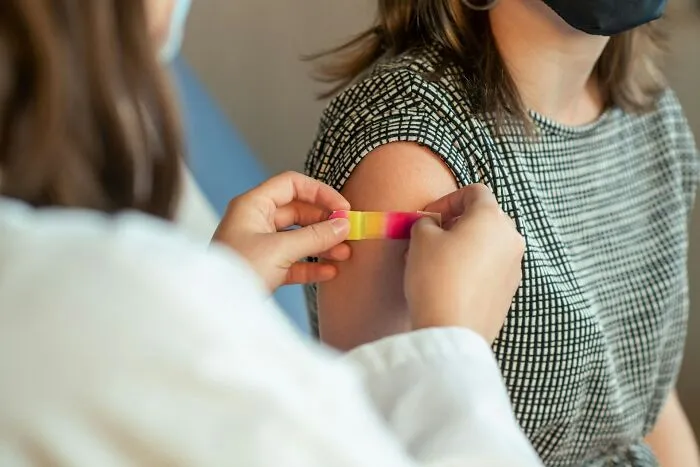
Measles vaccine prevents this problem. Please get your kids vaccinated.
#2
#3

Today's intriguing science facts are a good reminder that the world can be both fascinating and a little scary once you look closely enough. And it’s not just our planet that is full of strange surprises—our own bodies are pretty incredible too. In her popular book, Gut: The Inside Story of Our Body’s Most Underrated Organ, Giulia Enders explores some of the wonderfully weird things happening inside us every day. For instance, our saliva contains a natural pain-relieving substance called opiorphin, which may help soothe the throat from the constant friction caused by swallowing food. And get this: over the course of a lifetime, a person produces roughly 40,000 liters of saliva. That’s enough to fill around 500 bathtubs. Suddenly, swallowing doesn’t seem quite as simple as it did a few seconds ago.
#4
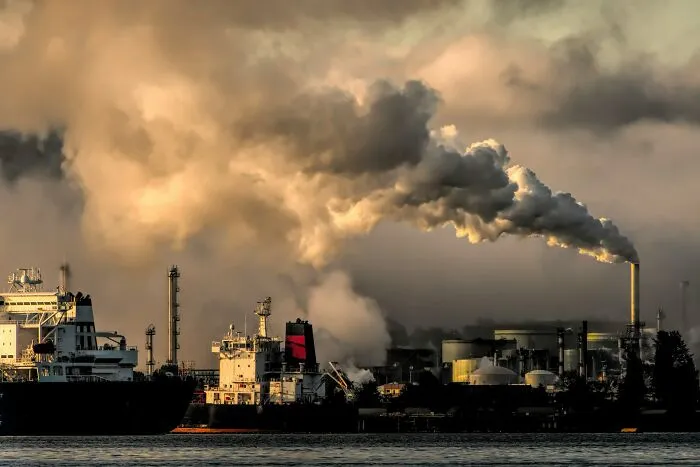
Humans have existed as a species for like MAYBE a million years. There have been human civilization for MAYBE 12,000 of those years. Where humans built cities, the food we've farmed, the creatures we've domesticated and hunted, sources of energy we've gathered....ALL of that stuff has basically revolved around the climate of our planet, and the climates in specific regions around Earth.
The rate at which we are changing the CO2 in our atmosphere has no precedent on Earth, and every other example even close on record has correlated with MASSIVE changes: large %'s of species going extinct, entire regions completely overhauling the biology that exists there, weather patterns completely changing, biomes completely disappearing. There are so many "chaotic" systems that have been in balance our entire existance that are going to be pushed beyond limits they've ever been. Even the best climate models, or wildlife models, can't predict how everything will change...and there are so many systems that could collapse and wreack havoc on countries, economies, and ways of life.
I don't think people realize it isn't just going to be "warmer" 100 years from now. The world your grandchildren will live in will be more different than ANY other world any other generation has lived in, and there is no way we will be prepared for the consequences this quickly.
#5

#6
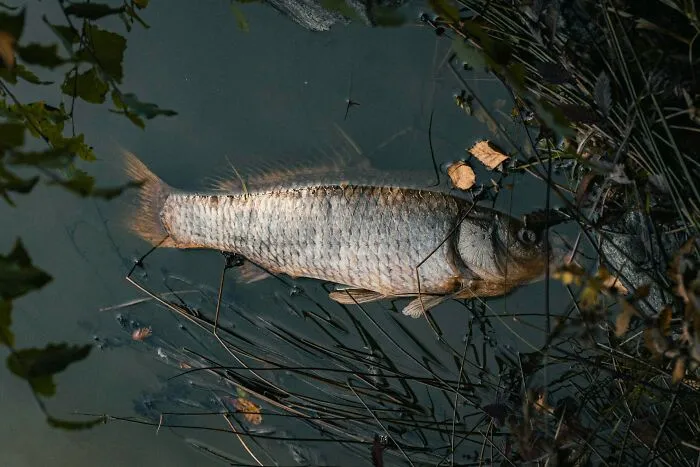
Only a handful of people seem to know about this, and fewer still are looking into it.
Now, you might have looked at the bluish veins on your hands and wondered just how much of your body is actually made up of blood vessels. The answer is honestly hard to wrap your head around. If all the blood vessels in a single adult human body were laid end to end, they could stretch somewhere between roughly 60,000 and 100,000 miles. We have billions of blood vessels in our body, and most of them are capillaries, venules, and arterioles. That’s an enormous network quietly working inside you every second of the day, carrying oxygen and nutrients and helping keep everything running as it should.
#7
#8
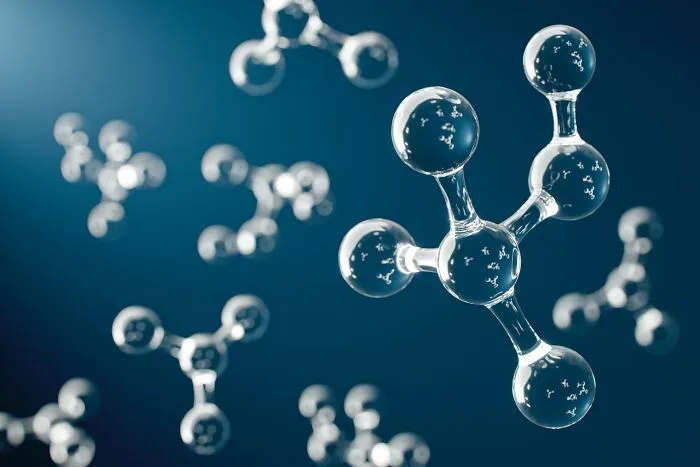
Basically all DNA on earth is ‘right handed’ so our immune systems can’t recognize mirror DNA ‘left handed’ like bacteria or other cells. There’s no naturally occurring mirror bacteria but it has been made in labs, as well as different chemicals which have pretty unpredictable effects in people.
#9

And while we’re talking about body parts we tend to underestimate, let’s give the humble pinky some credit. A pinky promise might not seem particularly powerful, but your little finger plays a surprisingly important role when it comes to gripping things. Your pinky and ring fingers provide crucial support when you wrap your hand around objects such as handles, bats, or steering wheels. Research indexed in PubMed has found that removing the pinky from a functional gripping pattern can cause an immediate drop of around 33% in total hand strength. Remove both the pinky and ring finger, and overall hand power can fall by an average of about 55%. So, the next time you think your pinky isn’t doing much, just remember that it is quietly carrying far more of the workload than you might realize.
#10
#11
#12

Scientists performed an experiment showing babies different "monster" faces to see if there were certain visual dangers babies will look for. The one babies responded to with total fear 100% of the time? An elongated face with pointed facial features, sharp teeth, and black eyes. The rest of the "scary" faces pulled mixed results.
That leaves to question... What existed that forced a genetic trait into us that made us fear THAT particular look?
Your stomach is another part of the body that sounds almost terrifying once you learn what it can do. The hydrochloric acid inside it is extremely corrosive and is powerful enough to dissolve certain metals. According to Dr. Sally Bell, a gastroenterologist at Monash University in Australia, who spoke to Live Science, the stomach’s job is to break food into smaller components so the small intestine can eventually absorb them. To do that, the stomach contains specialized cells that produce powerful digestive chemicals. Hydrochloric acid is a main component of gastric juice, while enzymes such as pepsin and lipase help break down proteins and fats. Thankfully, your stomach has evolved to withstand this harsh environment—because otherwise, digestion would be a much bigger problem than deciding what to eat for dinner.
#13

In related news, if you get a sudden, extremely painful headache, go to the ER immediately.
#14


Your tongue is pretty impressive, too. Like fingerprints, every person is believed to have unique patterns on their tongue and lips. And those tiny bumps covering your tongue do much more than give it its distinctive texture. They are called papillae, and they come in several different types. Filiform papillae cover much of the front portion of the tongue and have a thread-like appearance, although they do not contain taste buds. Fungiform papillae, which are mostly found along the sides and tip, are mushroom-shaped and contain around 1,600 taste buds. Larger circumvallate papillae sit toward the back of the tongue and contain roughly 250 taste buds, while foliate papillae form folds along the back sides and contain several hundred more. So, yes, your tongue is essentially covered in a tiny and surprisingly complex sensory landscape.
#16
#17

Your bones might feel solid and simple, but they are also capable of producing tiny electrical signals. This phenomenon is known as piezoelectricity. When mechanical stress is applied to a bone (such as when you walk, run, jump, or lift something) the bone deforms ever so slightly and can generate a small electrical charge. Bones are made from a natural combination of hard mineral crystals, including hydroxyapatite, and flexible organic fibers such as collagen. When the bone is squeezed or bent, its internal structure shifts, creating localized electrical potentials. These tiny signals can help communicate with cells such as osteoblasts and osteocytes, encouraging the body to deposit minerals and strengthen areas of bone experiencing regular stress. In other words, every time you put healthy pressure on your bones, your body may be getting a tiny reminder to keep them strong.
#19
#20