





There are over two million animal species that scientists have identified and described, with many more still undiscovered. A lot of them are the kind we instantly find adorable—fluffy, cuddly, and sweet. But with such an enormous variety, there are also those that can be unsettling or behave in ways that seem downright bizarre.
That’s exactly what Ryan Michaels tapped into when he asked people on Instagram to share a scary science fact about animals or bust a myth about them we grew up believing. What he got back were responses that were as fascinating as they were unnerving. Scroll down to see some of the best ones.
#21
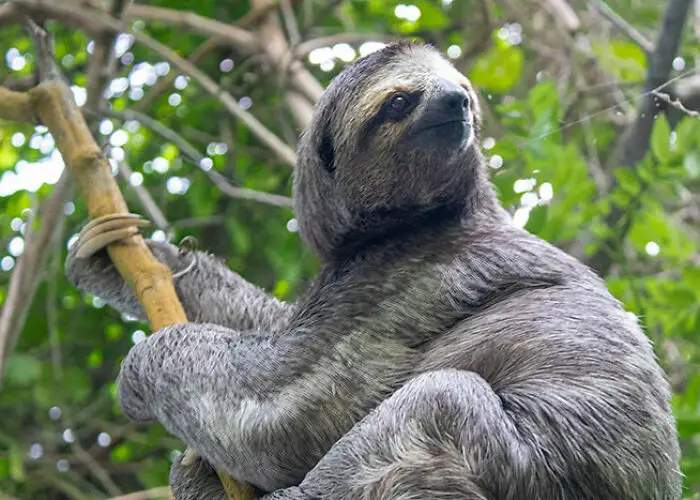
So sloths can technically stretch out their limbs. Head included. To about an extra 3 feet.
57points
#22
Turtles are depicted as being able to pop out of their shells in cartoons. Their ribs and vertebrae are actually fused to the shell so they can’t get out of their shell. They breathe by organ shifting, which is exactly what it sounds like: their organs move back and forth allowing their lungs to expand and contract. If you get close to a turtle and it hides in its shell, you often hear a hiss. The turtle isn’t trying to intimidate you—air is being squeezed out of its lungs when it pulls its head and paws in.
Report
53points
#23
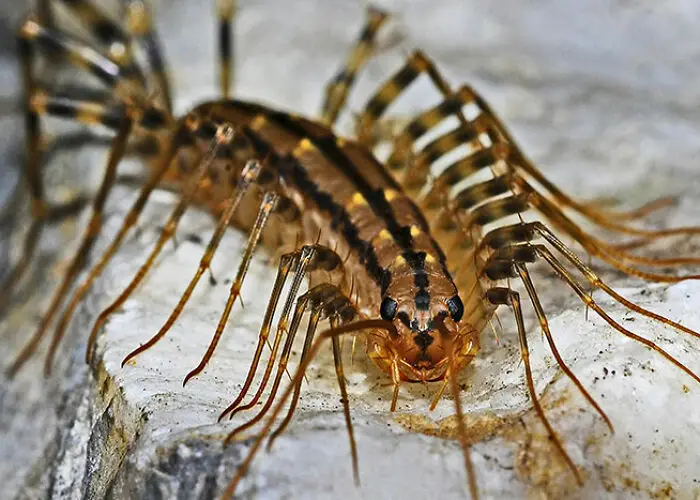
Centipedes have cat personalities. You can talk to them and pet them, we could cuddle them if they werent so tiny. And they clean themselves by licking.
Report
51points
#24
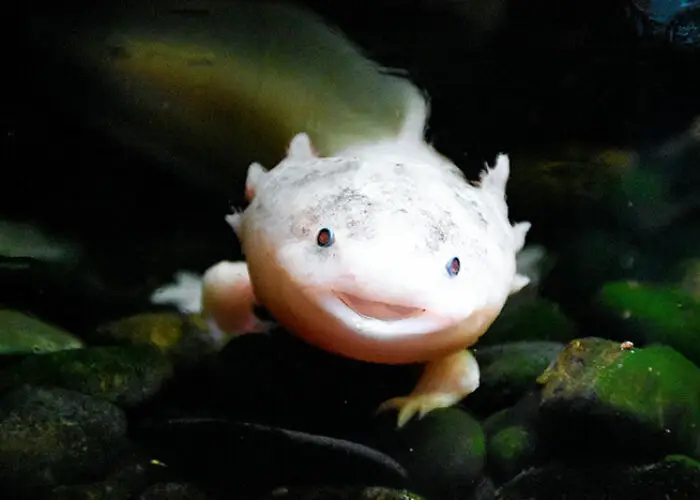
Axolotls can grow parts of their brain back and can also become fully terrestrial under extreme circumstances. Also seahorses doesn't have a stomach.
Report
48points
#25
When you are somewhere that crocodiles live and you have to go to the waters edge (camping etc.) never go to the same spot twice. Crocs are extremely intelligent and will pick up on your routine quick. They will lay and wait for you. They can hold their breath for several hours too.
Report
48points
#26
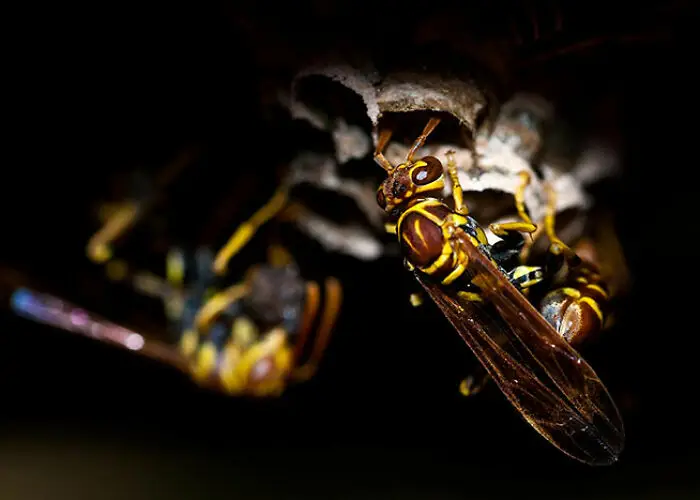
The wasps inject their venom into the ladybugs and use it as a babysitter. The ladybugs becomes like zombie and guard for the wasps egg until it hatches When the baby wasp hatches, it uses the still-alive ladybug as a bodyguard and slowly strats eating it from the inside.
Report
47points
#27
A woodpeckers tongue is so long that is wraps behind its brain to protect it from the impact of pecking wood.
Report
47points
#29
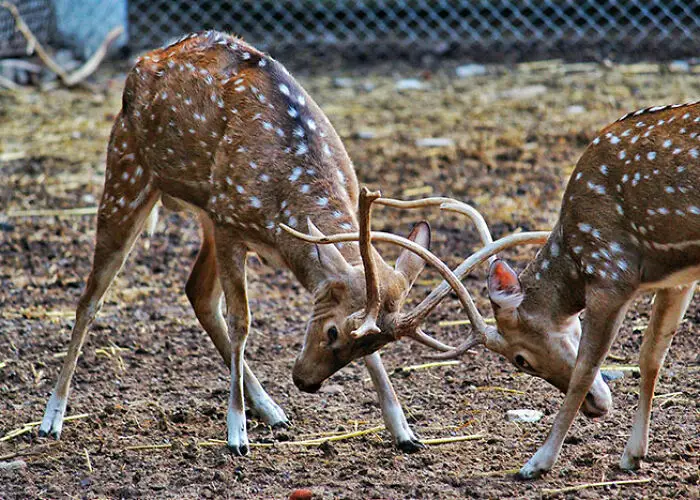
In some deer duels the horns can get stuck and both deers struggle usually resulting in either of them perishing and their heads remaining on the other's horns.
45points
#30
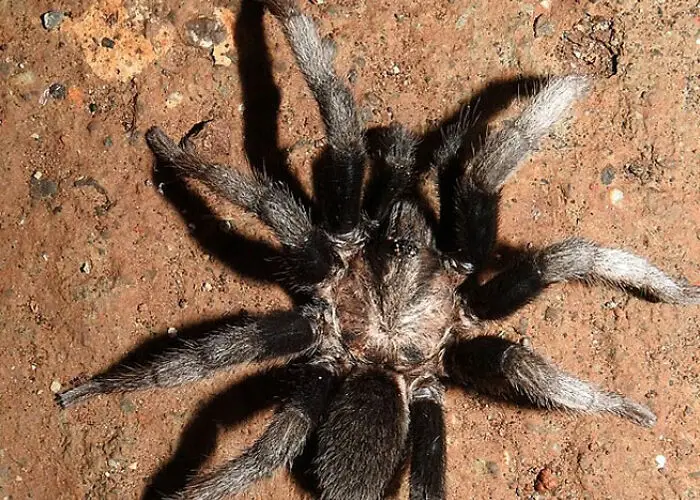
Burrowing spiders keep little frogs in their burrow to protect their young from small insects that they can’t stop.
Report
44points
#31
Dolphins don’t have fins. Their fins have bones that resemble a hand with fingers, like humans do. Thats also because they’re mammals. If you search Dolphins fin bones images you will see that they used to have hands before it evolved into fins.
Report
43points
#33
The starfish can evert its stomach to digest prey outside its body.
When a starfish eats something like a mussel or clam, it pries the shell open just slightly, then it vomits its own stomach out of its mouth, inserts it into the shell, and digests the prey alive from the inside. Once it's done slurping up the liquefied insides, it pulls its stomach back in like nothing happened.
Imagine being eaten from the inside while still trapped in your own home.
Report
39points
#34
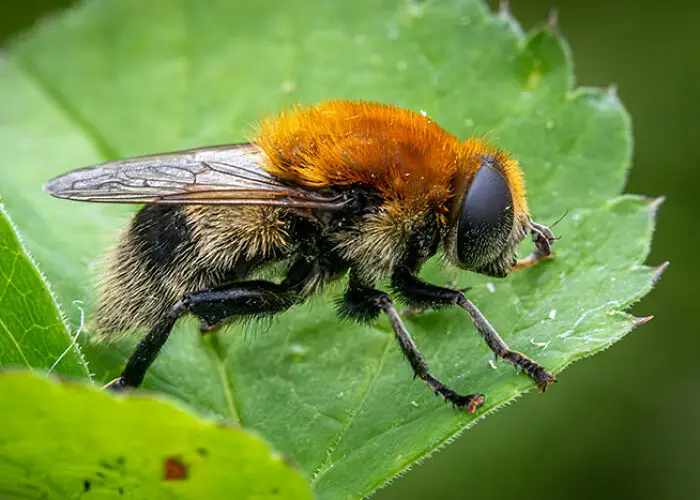
Botflies Can Live Inside Your Skin — and You Might Not Know
Botflies lay eggs on human skin (often using mosquitoes as delivery). The larvae burrow into your flesh and grow inside you, feeding on your tissue.
Botflies lay eggs on human skin (often using mosquitoes as delivery). The larvae burrow into your flesh and grow inside you, feeding on your tissue.
Report
38points
#35
Saltwater crocodiles, as well as other crocs and gators, are the closest things we have to dinosaurs, since they have gone millions of years with little evolutionary changes, meaning that their biology and physiology is so optimally suited for their survival, nature saw no need to change them. Saltwater crocodiles also possess the strongest bite force on the globe(~2500 psi), able to crush skulls and bite through bone.
Report
37points
#37
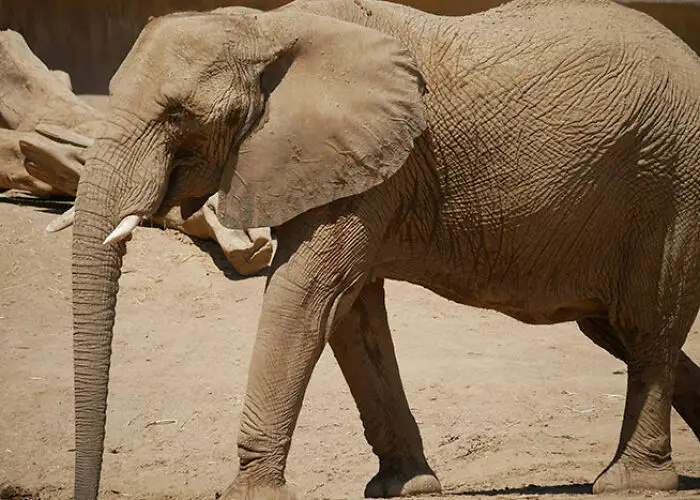
Elephants have pads under their feet, so if one walks behind you, you'll think it's just a human behind you.
Report
36points
#38
Before the mass extinction of the dinosaurs, insects would grow to the size of dogs. Just imagine the sound of their wings, terrifying.
Report
34points
#39
snakes do not "size up" with their prey to see if they can eat them. theyre opportunistic hunters, if it smells like food and looks like food they go for it in less than a second. they literally do not have the brain power to scheme or plot to eat something 💀 its called opportunistic hunting.
Report
33points
#40
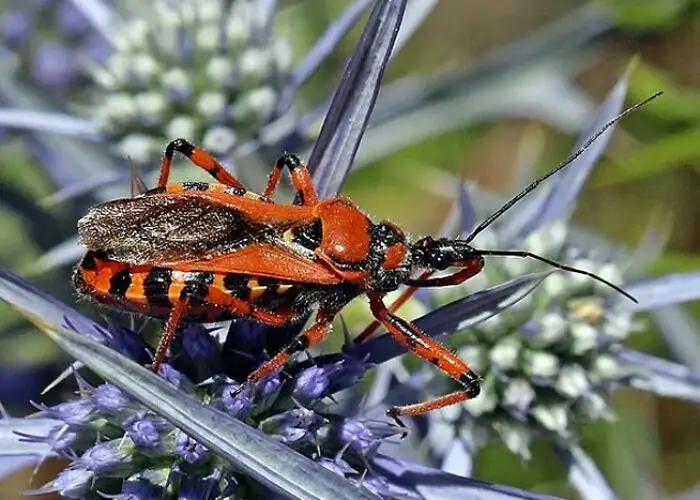
The assassin bug can stab its prey with a needle-like mouthpart, injecting saliva that liquefies their insides — then it drinks them like a smoothie.
Report
32points