






#1
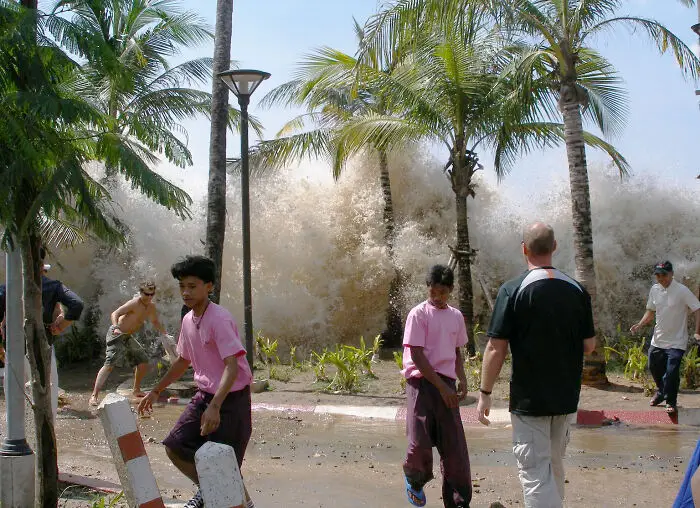
Do we go home for Christmas or spend it on the beach in Phuket. Neither of us had been to Phuket and we thought it would be an awesome end to living out of a back pack for the last 18 months but on the other hand Christmas at home with the family was also appealing.
So we flipped a coin and went home to the UK.
Flipping that coin a second earlier or later could have sent us into the path of the 2004 Boxing Day Tsunami.
You're convinced it's the end. Your life flashes before your eyes, and you think of the things you didn't yet get to do, the people you haven't said goodbye to and the places you wish you had seen. But miraculously, you survive...
While you aren't always physically hurt in a near-miss experience, the emotional trauma can stay with you for years.
"Traumatic events usually happen quickly and chaotically," explains the Victoria State Government Health Department's site. "A near-miss experience occurs when you are involved in a traumatic event where you think you will [pass away] or be badly hurt, but are not. This can have a deep psychological impact, sometimes with lasting effects."
#2
#3
In a terrifying moment of danger, your body and brain spring into action, creating a state of high alert that prepares you for survival.
"Your senses are heightened, you act instinctively (without thinking), and you react and make decisions much faster than usual as there is no time for emotion or to make sense of the situation," the experts say.
They add that if you survive, it might not be the end of the situation. You could have to deal with "unfamiliar and demanding experiences" like being treated by or answering questions from emergency services, police, health workers or other rescue workers.
#4
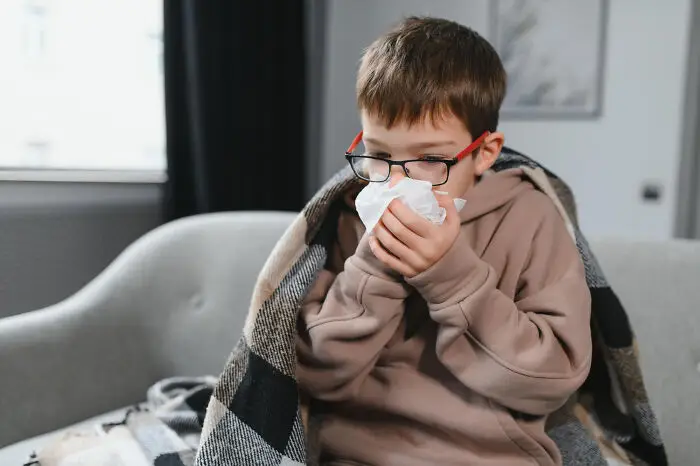
Nurse said no fever, and to take me home and put me to bed. My mom watched me get into the truck and decided that maybe we should go to the hospital to be safe. By the time we reached the hospital (it was further then our home) my temp was at 104 and I was incapacitated.
I had meningitis. If we went home and she put me to bed like the nurse suggested, I never would have woken up.
Edit for detail: For those who keep asking/speculating it was Viral Meningitis (the less severe form) but it progressed very quickly. I had no headache when I arrived at school. By lunch time I couldn't move on my own and I couldn't see because light was too bright. The nurse came to get me and I didn't have a fever. After waiting for my mom 10 minutes and the 20 minute drive to the hospital and 10 minute wait at the hospital it was at 104.
Yes we told the nurse after, but there was only some of the symptoms when I left school. She never gave me or my mother advice again, just told symptoms and gave pain meds.
#5

So I'm sitting out there sitting on the steps (not under the building) and I get up for no real reason and walk under the building. As soon as I get under the building, a huge sheet of glass falls right where I was sitting. Some idiots where messing around on the 11th floor and knocked a 10x9 window pane out of its mooring.
#6

"In this flow of events, there may be no time to take stock of what did and didn’t happen, so the mental and emotional changes you made when anticipating the worst outcome are not undone," they explain. "In time, this can lead to confusion – leaving you stuck in the terrible moment deep down, while on the surface everything appears normal."
Not everyone reacts to near-misses in the same way.
#7
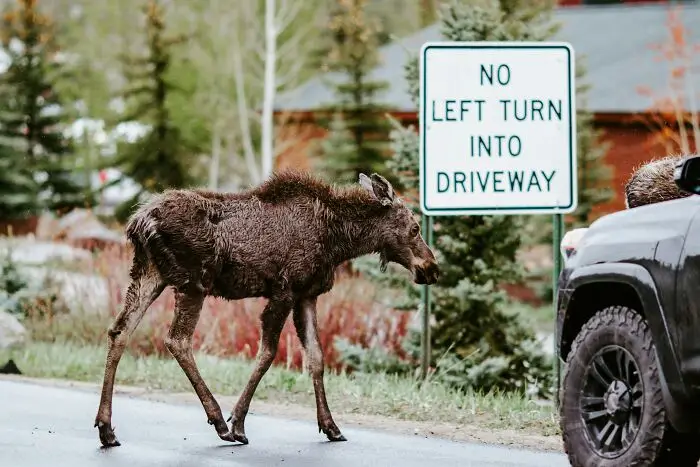
I mean, there's no small moose, let's get that straight. But this was out of this world *huuuuuge*. And we avoided hitting it by literally just a second. It was *so* close that i'm sure we would've hit it if either we or the moose gained a second somewhere, we would've been gone for sure. Hitting a moose with car is almost surely an end sentence anyway but that thing was just so extra large that there would've been no chance.
#8
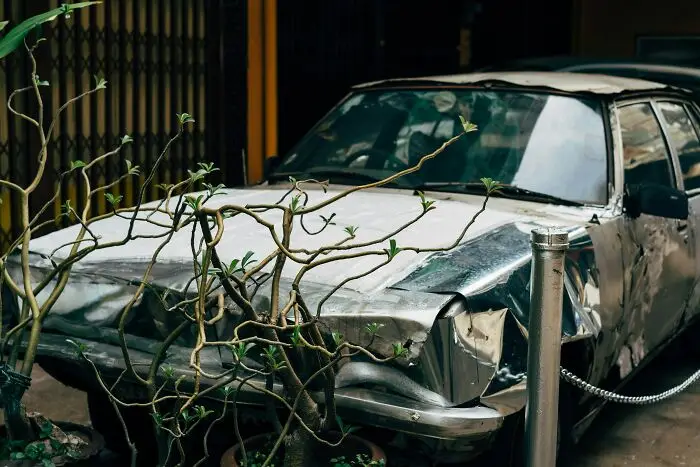
An entire tree was falling on the road - due to the heavy rainfall, the dirt was too wet to keep some trees in place.
My dad stood on his brake, cartoon style, and we slid nearly right into the tree. I heard a pop before we fully stopped, and when we lurched back to 0mph, we were both breathing hard. My dad got out to check the damage, and the pop I hear was a branch hitting a headlight out.
First time I've ever seen my dad call 911. It was scary. Could have been the end of us if he didn't stop to chat to the waitress after we left the restaurant to go home.
#9

Then the elevator dropped two floors with the doors open.
I still hate getting in/out of elevators and I do a weird running start every time.
Edit: happened in Canada, was an old building/elevator.
There are four main types of responses to trauma: Fight, flight, freeze and fawn.
“The fight-or-flight response, or stress response, is triggered by the release of hormones either prompting us to stay and fight or run away,” explains registered psychotherapist Natacha Duke. “During fight-or-flight, our body is working to keep us safe in what we’ve perceived as a dangerous situation.”
Duke says that an individual's specific reaction will depend on the trigger itself, as well as whether they've had any past traumatic experiences.
#10
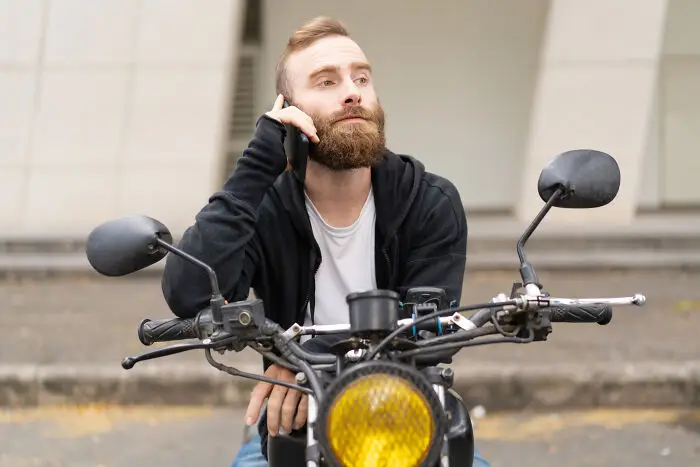
There was absolutely no time to brake.
As a precaution against this kind of thing I always watch the wheels of parked vehicles for movement and I always rest a thumb on the horn. So I see trouble brewing, honk as soon as the other vehicle starts to move, and change lanes.
The driver of that SUV neither saw me coming nor responded to the horn. The only reason we didn't have a t-bone collision was because of that lane change. I skirted around it with about a foot and a half to spare.
It wasn't the closest call I've ever had but it was the onlyone where I was responsible for another person. I would have known to leap off the seat just before impact but the passenger wouldn't. It turned out later he didn't even realize we'd nearly been in an accident--probably because his head was turned to enjoy the ocean view.
The laws of physics made that swerve especially difficult because I'm a slender woman; the passenger weighed forty pounds more than me.
#11
#12

She bends over to get something out of the drier and reaches across the rug to grab something. I realize what she’s reaching for is a snake, just inches between the two of us. I yell at her to STOP, we both scream and the snake quickly takes on an aggressive posture.
I run outside and grab a broom and my grandma starts beating the poor thing with it. Grandpa hears the commotion and rushes downstairs and delivers the last blow. Turns out that little nope noodle that snuck into the house was a venomous copperhead.
The fight response can kick in even if you don't consider yourself a fighter. It's our instinct forcing us to defend ourselves by whatever means necessary. "This response involves standing up to the danger in an attempt to overcome or subdue it," explains the Cleveland Clinic site.
The flight response involves trying to escape, flee or avoid the threat altogether. Our brain is telling us that this is the best option for our survival. The freeze response happens when we're so terrified that we cannot fight or flee. It's almost like being in a state of paralysis and unable to move.
"It’s thought that this response might have evolved as a way to avoid being noticed by a predator or to remain still in the hopes that the threat will pass by," reveals the site.
#13

#14
One night I got woken up by the sound of a bunch of them barking and howling; I wouldn't have minded except I also heard the sound of a woman screaming. I ran out into the street to check it out, turned a corner and saw the biggest pack of them I'd ever seen - like, 30 dogs - all circling around this lady. I started yelling and throwing rocks thinking they'd scatter... which is when the whole pack immediately turned their attention towards me. They were coming at me with their teeth bared and their ears back and I remember being really intensely aware of the thought, *OK, I'm going to be gone right now...*
It was at that moment that a dude in a rickshaw came tearing down the road, flashing his lights and honking. This made the dogs bolt. Driver saved my life. It was a really great affirmation about how most people will do what they can to help you when you need it.
#15
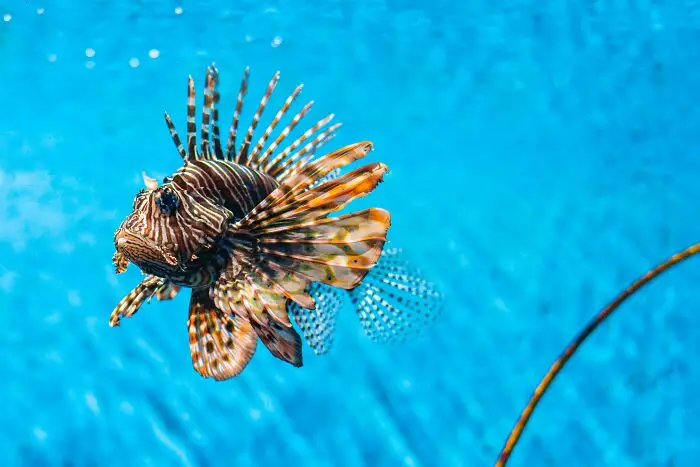
A lesser-known response is the fawn response.
"It refers to a response where an individual attempts to appease or reconcile the threat in order to avoid harm," notes Cleveland Clinic's team. "This can involve people-pleasing behaviors, submission or attempting to gain favor with the source of danger."
#16
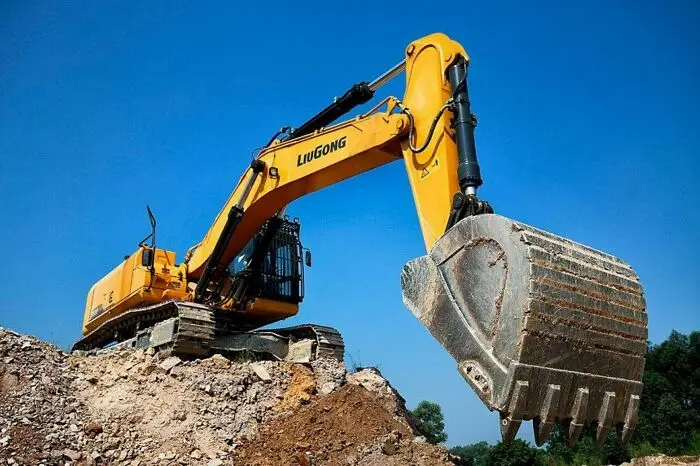
Suddenly the excavator spins to one side and the arm snaps out to full extension with full force, and the operator shuts it down. The bucket missed my head by about a foot. He climbs out of the machine, visibly shaken, and tells me that something has failed on the machine and the arm "wasn't supposed to have done that." So as he's been digging he's been noticing that ever so slightly there's a bit of a delay between his inputs and the machine's actions, and in the moment before failure he just felt "something wasn't right" and tried to pull the bucket in; when it didn't seem to want to, he turned the excavator "just in case" and that's when the arm extended. Had he not, I would have been crushed.
There were two other excavator operators on that crew, and they were basically idiots. Had one of them been with us that day, I'm sure I'd be gone.
#17
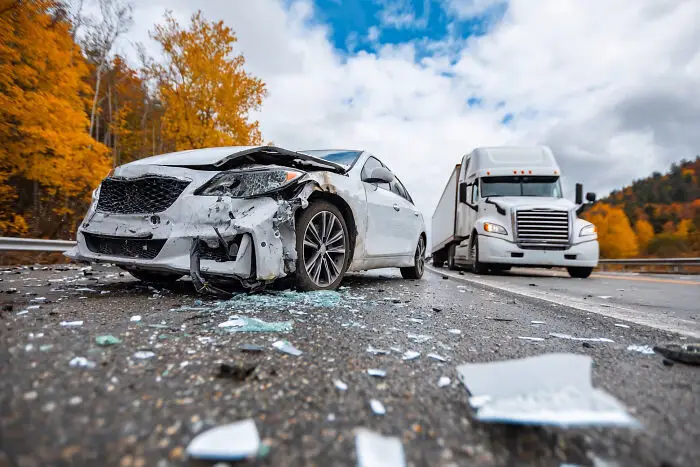
From the left, a truck suddenly hit me. He was speeding and ran the red light, t-boned me right in front of my driver's door. I luckily got out with just an injured knee and fractured clavicle and some bruising.
It haunted me for a while that, had I pulled forward just a little faster or he had been just a quarter second slower he would've gone straight into my driver's door and I likely wouldn't have made it.
He wasn't even drunk or under the influence, it was just a 16-year-old kid not paying attention.
#18
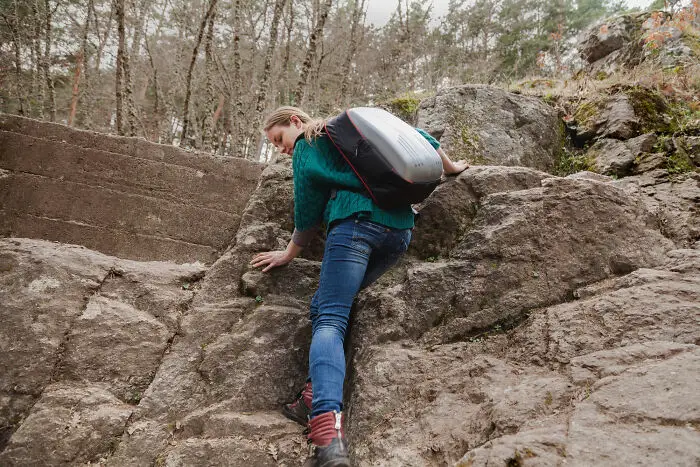
When we go into fight-or-flight mode, our bodies prioritize our survival. Anything not considered crucial in the moment isn't important. Digestion, reproductive and growth hormone production, and tissue repair can all be halted during this time.
According to Cleveland Clinic's experts, the stress response can be triggered in a single instant, but it can take much longer to calm down again. Just how long varies from person to person and largely depends on the trigger. But typically, it takes around 20 to 30 minutes.
#19
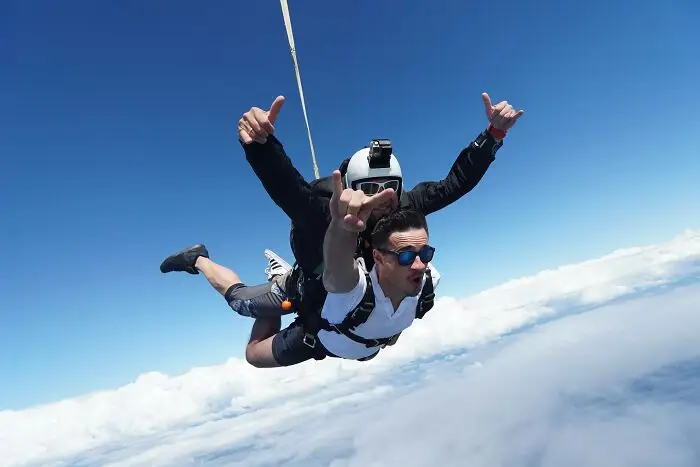
Cue the third attempt jump and again clockwise goes like clockwork (if you'll pardon the pun) and so I try and turn anti-clockwise, but instead of going that direction or just not turning (like I had previously), I began to spin clockwise faster and faster and faster. I eventually span up to what I worked out to be ~200rpm pulling about 15G. I could feel myself blacking out and my arms being forced outwards, but instead of pulling when I started spinning like I was supposed to I kept fighting it and making it worse and instead looked at my altitude and pulled when I would have done normally.
Had I kept going and not pulled and blacked out I could definitely have been gone from being tangled in my reserve. The spinning also caused all the capillaries in my eyes to burst and so I looked like the devil for two weeks.
