





Feeling cynical about one’s job may be a sign of burnout. While it is normal to feel it from time to time, leaving it unaddressed can have long-lasting, undesirable effects.
According to University of California, Berkeley psychology professor Christina Maslach, burnout goes beyond stress responses because it involves two other components: a hostile response to a job and, ultimately, quiet quitting and having a negative sense of self.

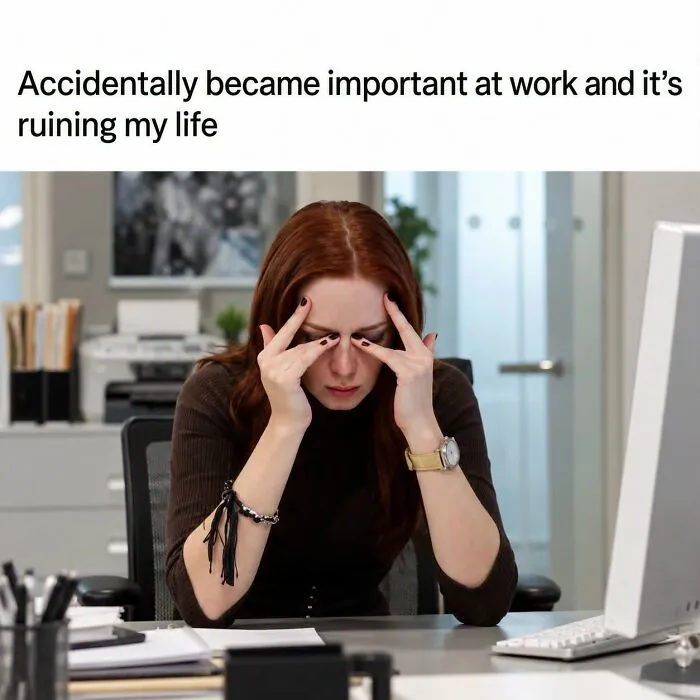

In an interview with the American Psychological Association, Maslach noted that burnout goes far beyond exhaustion, which normally affects everyone, even those who enjoy their work.
“(Burnout is) a high frequency of all three things: exhaustion, cynicism, and a lack of professional efficacy on the job,” she explained.



Every job has its stressful moments. But as Maslach points out, chronic job stressors can lead to burnout, which can occur when the job and the employee are mismatched. One reason for this mismatch is a lack of control.
“How much choice, discretion, and say do you have over what you do to innovate or do a little better or differently? Or do you—don't have control over the work that you're doing? And that's a huge one,” she said.


While it has gotten more attention in recent years, the concept of burnout has been around for decades. According to Fast Company, workers in health and human services have used burnout to describe their own job crisis as far back as the 1970s.
In 2019, the World Health Organization recognized burnout as an “occupational phenomenon” and included it in its 11th revision of the International Classification of Diseases.



Over the years, Maslach has made efforts to find solutions to workplace burnout. As an expert on the topic, she encourages more conversations about it and a worker-centric approach.
“We need to reframe the basic question from who is burning out to why they are burning out,” she said. “It is not enough to simply focus on the worker who is having a problem—there must be a recognition of the surrounding job conditions that are the sources of the problem.”