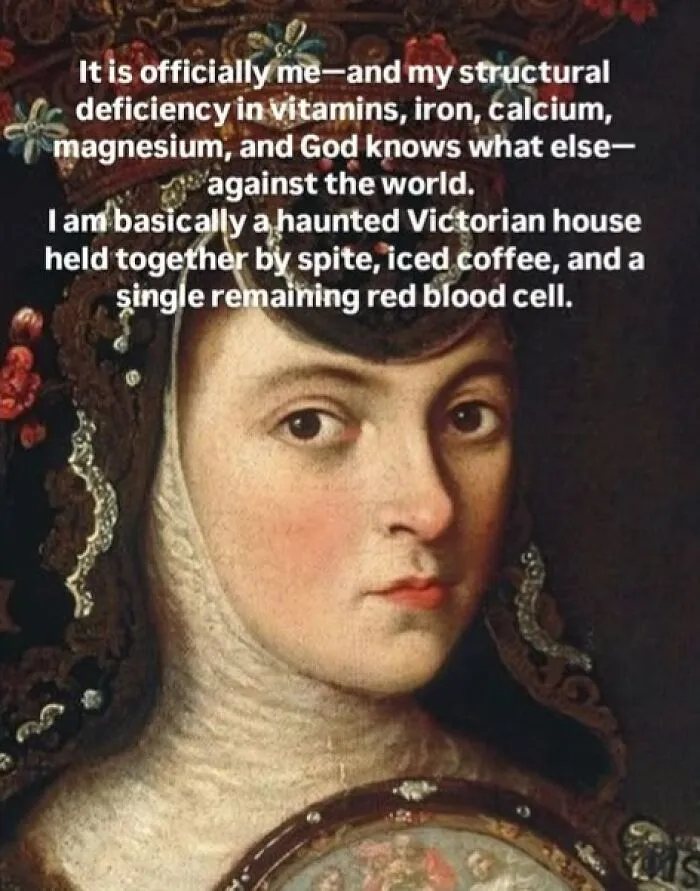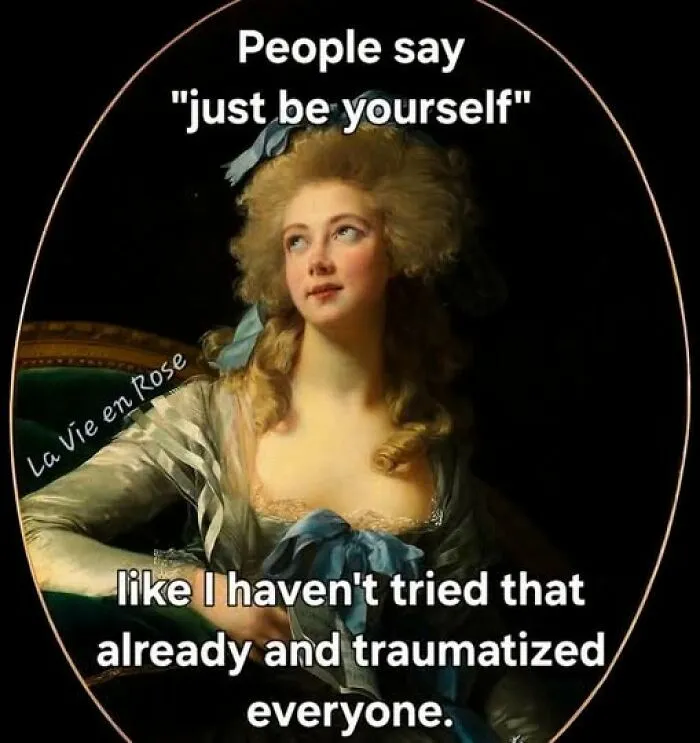
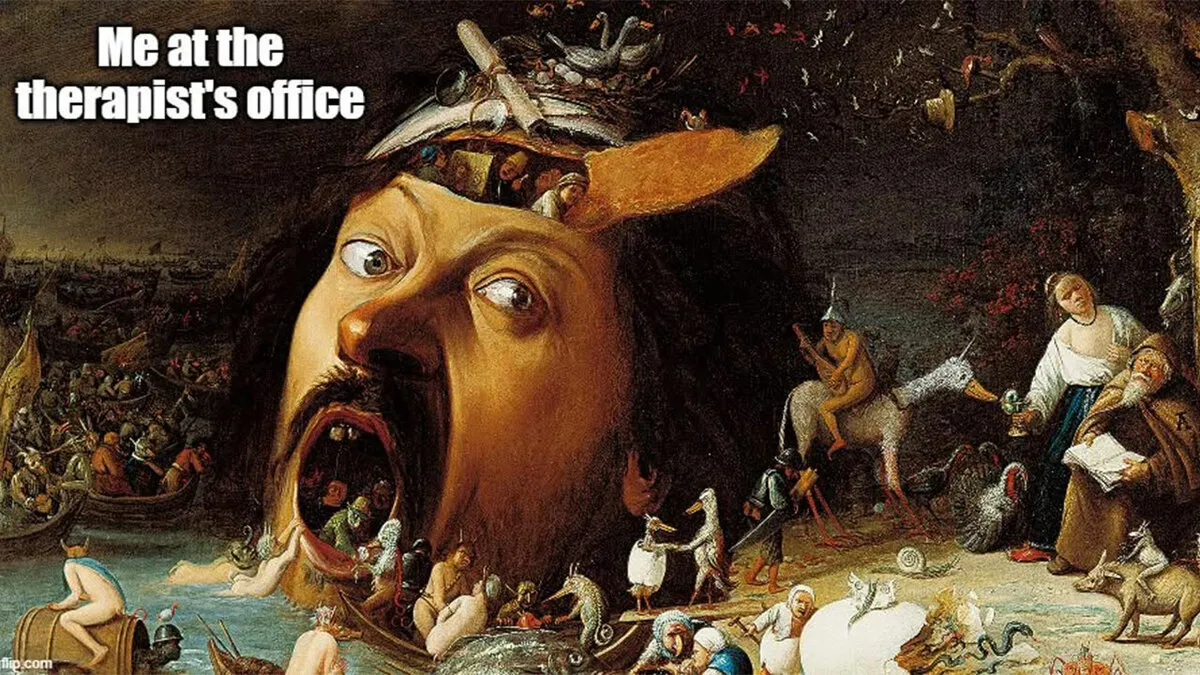



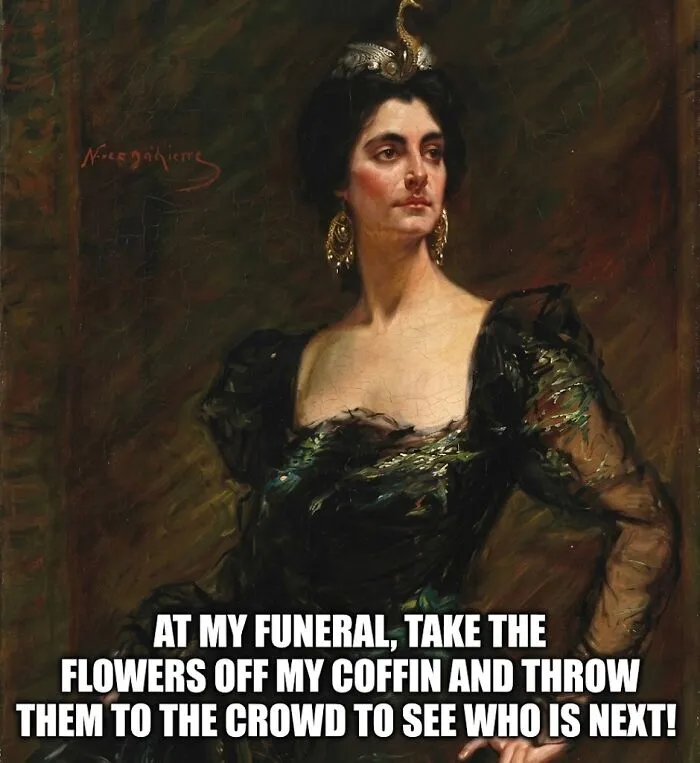
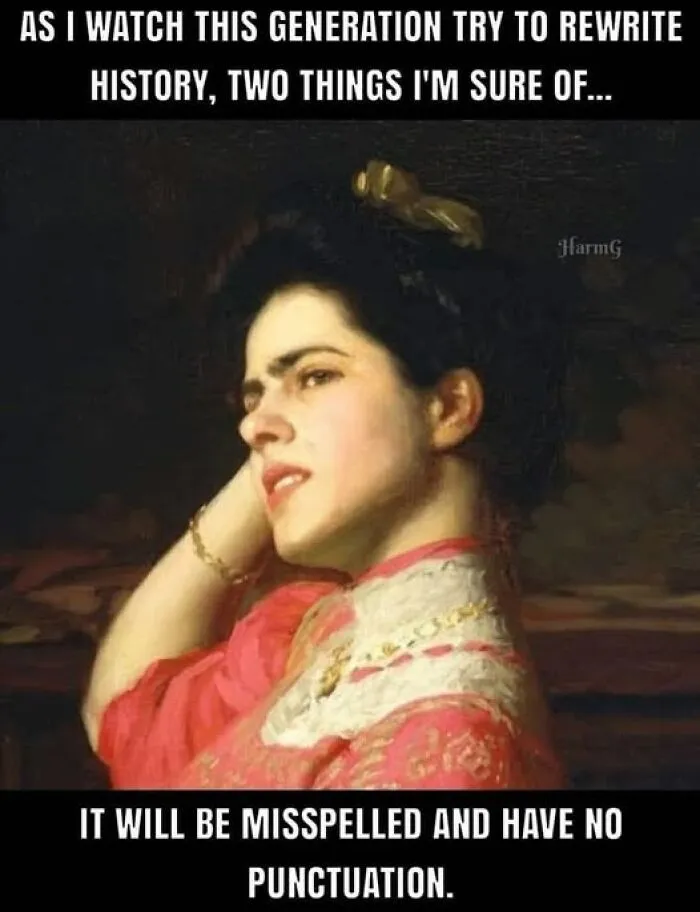
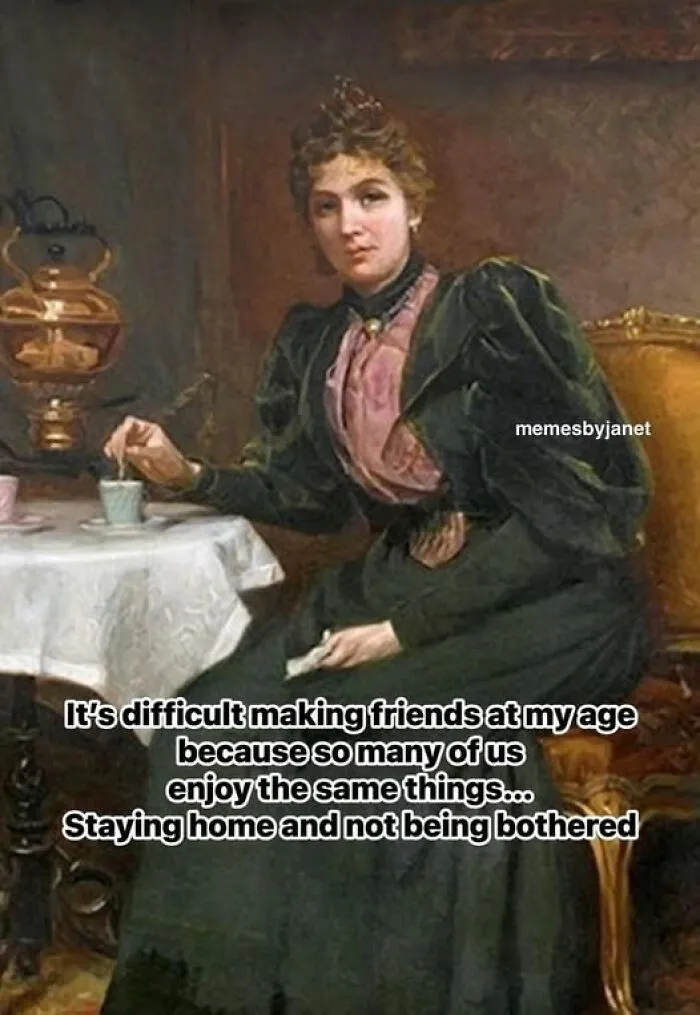
You might be laughing at this list of hilarious memes but not everyone is a lover of putting a modern, sarcastic spin on classical art. Some argue that doing so devalues the original works, and is an insult to the artists. This is the crowd that turns their noses up at the mere thought of classical art memes.
In the other corner are the cheerleaders who say when art trends, or becomes popular in the digital realm, its value actually increases. The My Art Broker site uses Banksy’s Love Is In The Bin as an example.
"Originally titled Girl With A Balloon, the artwork famously shredded itself immediately after being auctioned for $1.4 million in 2018. The viral stunt transformed it into a cultural sensation, and when it reappeared on the auction block in 2021, it sold for a staggering $25.4 million - more than 18 times its original value," reads the site.
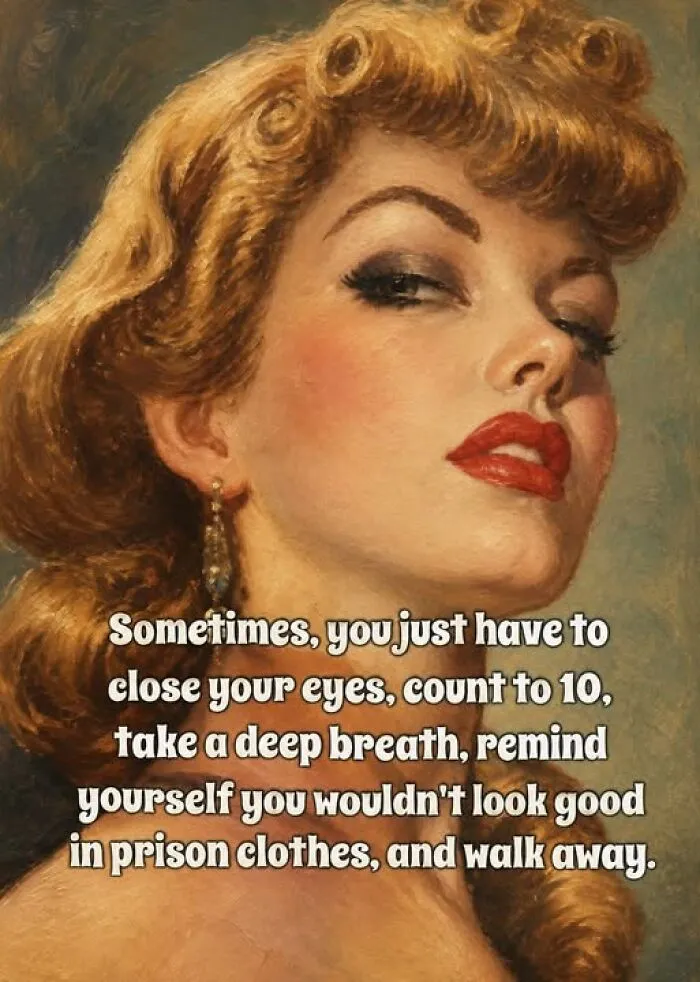
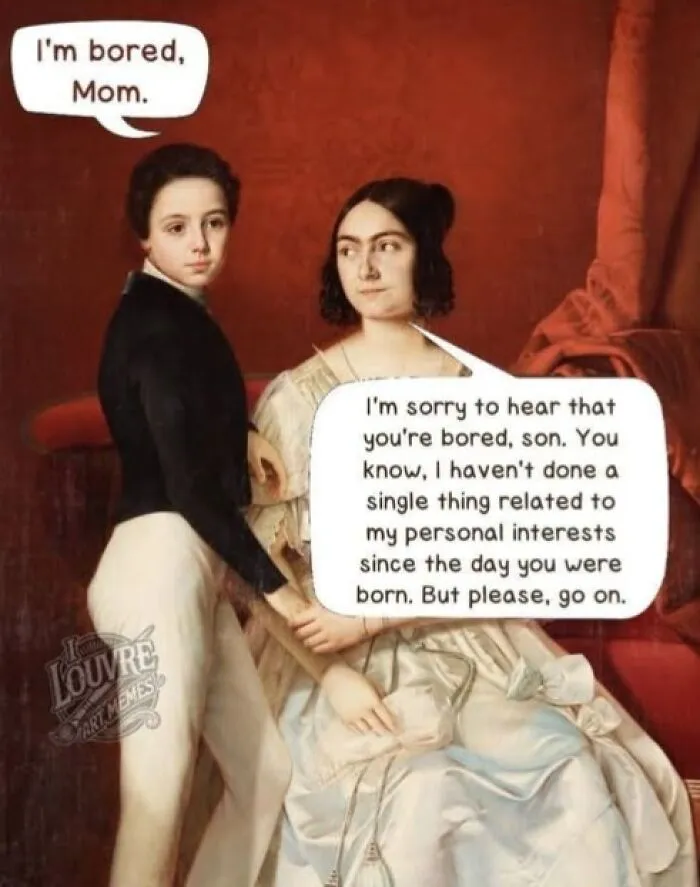
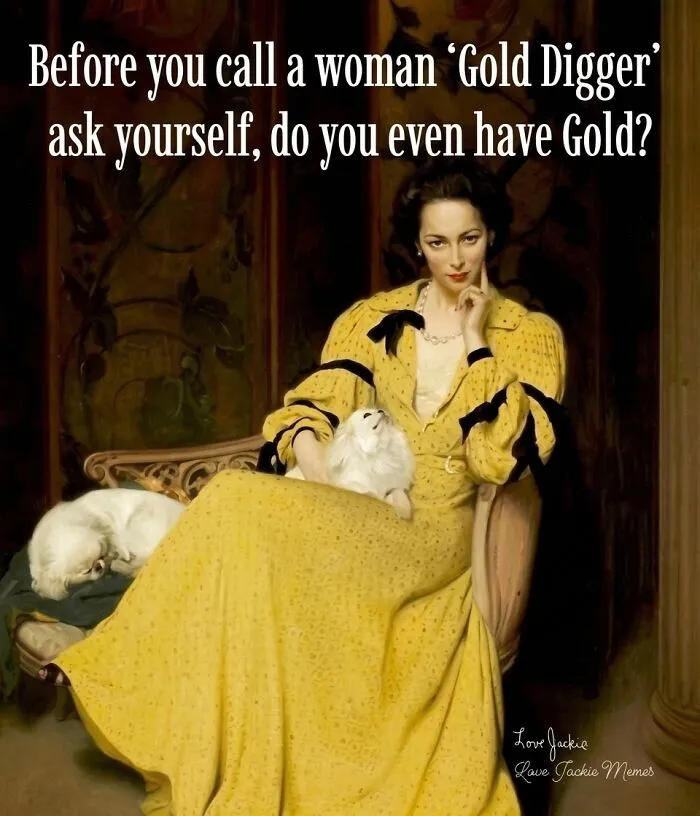
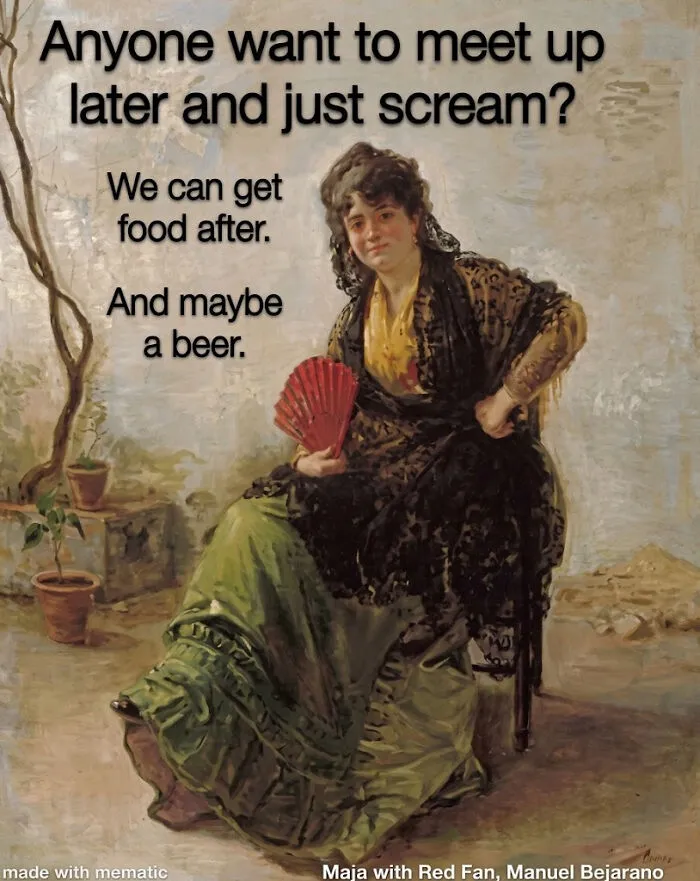
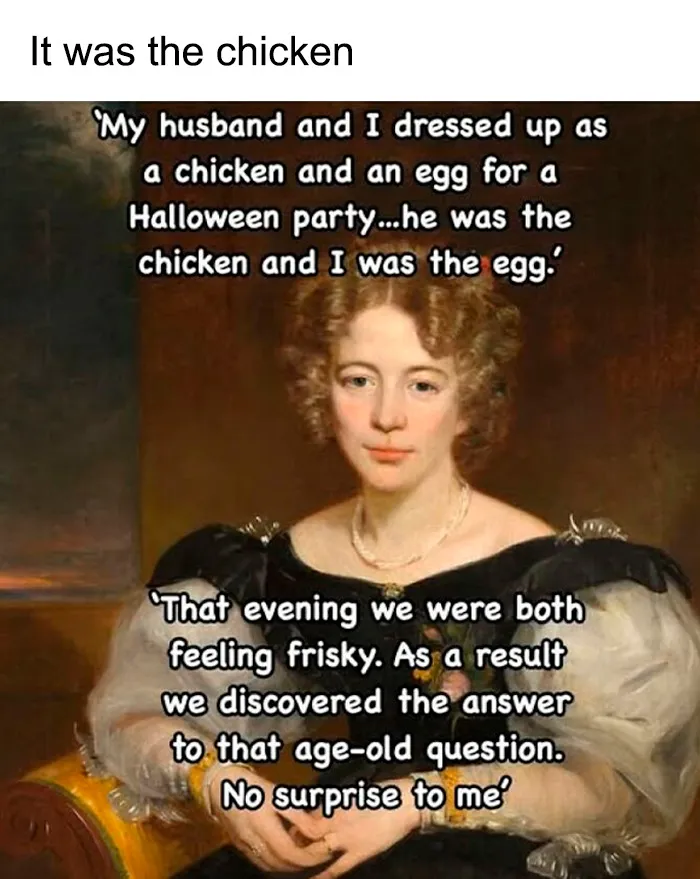
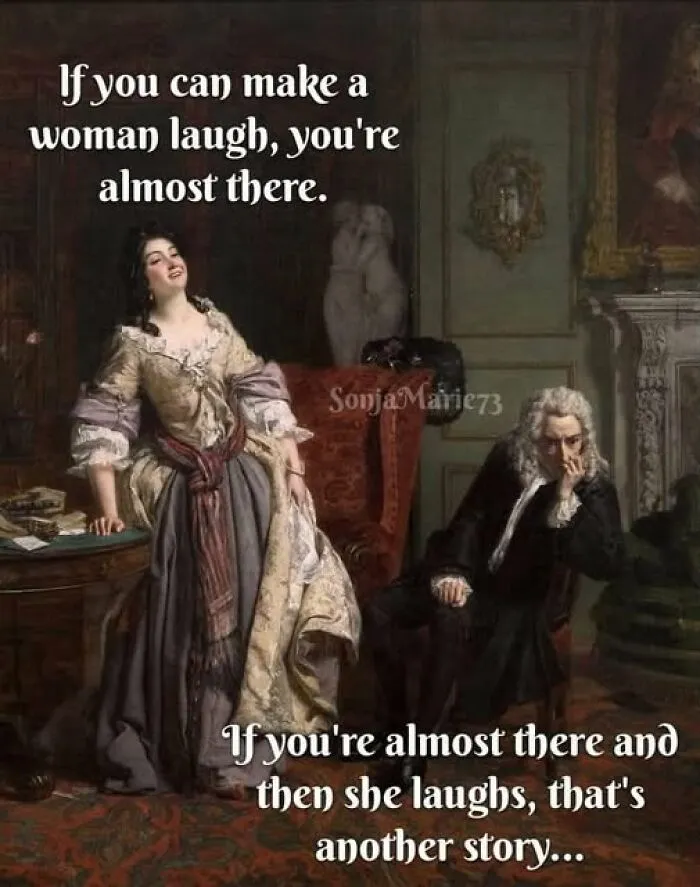
Many argue that while memes make a joke of classical paintings, they're playing an important role in democratising art and making it more accessible to a larger group of people.
"The art that once was only available to the elite and could only be viewed in museums, is now traveling across the internet, with a different purpose (entertain) and imbued with new literacies (remixed)," reports Diggit Magazine. "Today, classical art is available to just about everyone. All you need is a digital device and a sense of humor."
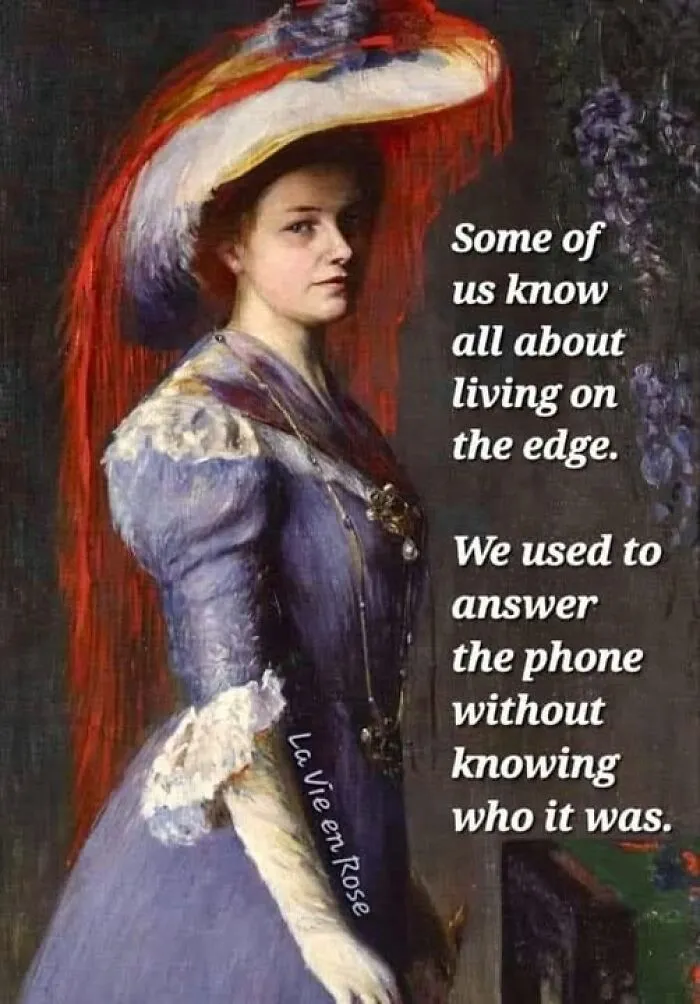
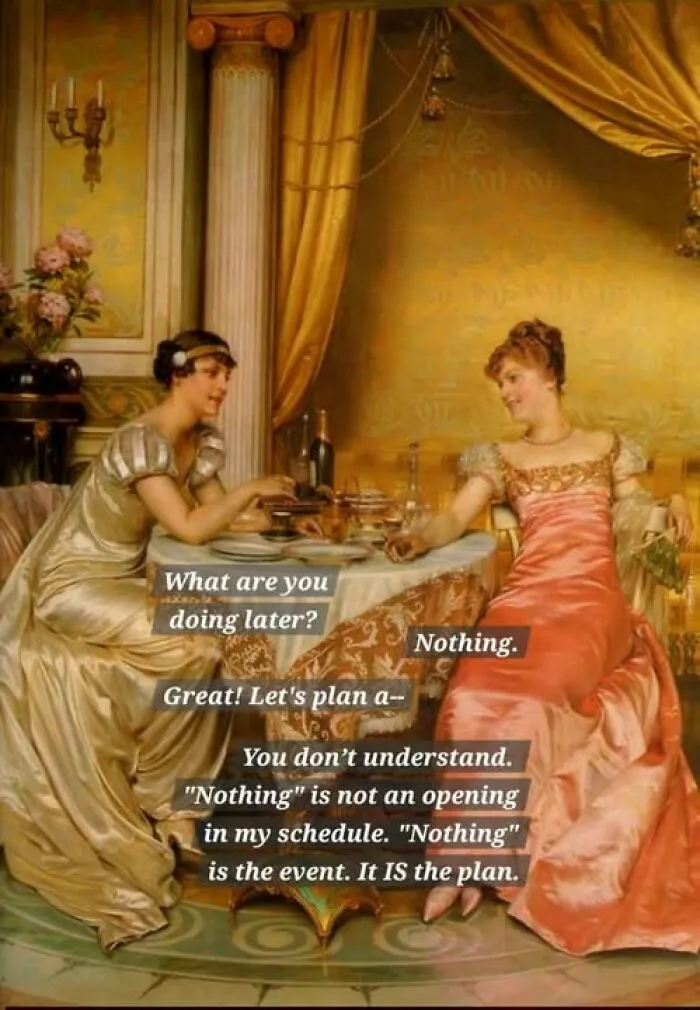

Memes also make classical art more relatable. And, as Sister-Mag reports, they show how just close classical painters were to our emotional states today.
"Who is to say that a certain facial expression in a painting that becomes part of our joke was not meant in exactly that way?" notes the site, adding that by letting us speculate about the true intention of the painter, the art becomes more approachable.
These classical art memes manage to capture the moods, situations, feelings and struggles that many of us experience: "It is like someone understands exactly how we felt about something at a certain moment. And for those cases where we cannot personally relate to a depicted situation, there is always: Schadenfreude."
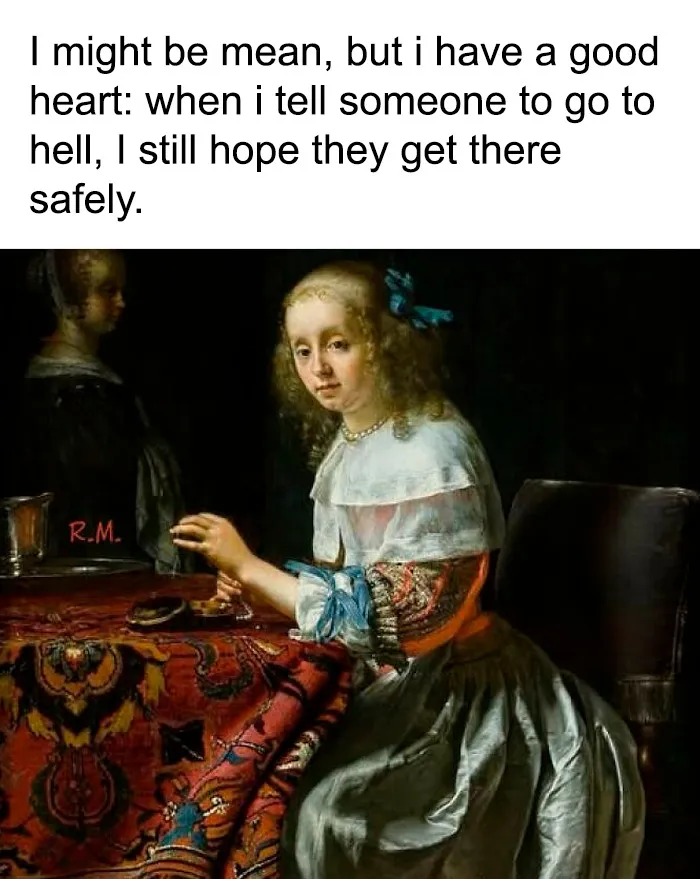
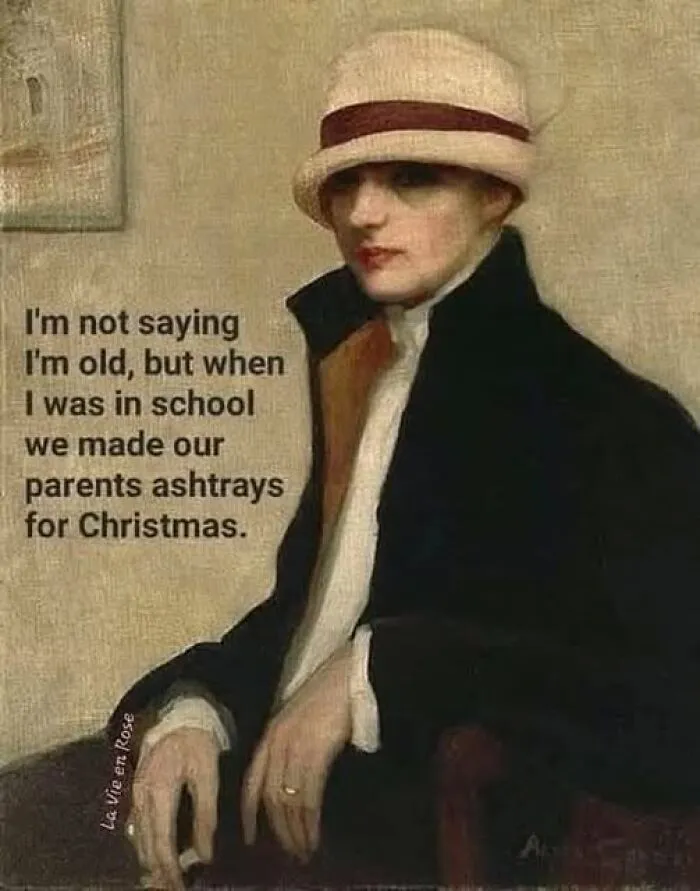
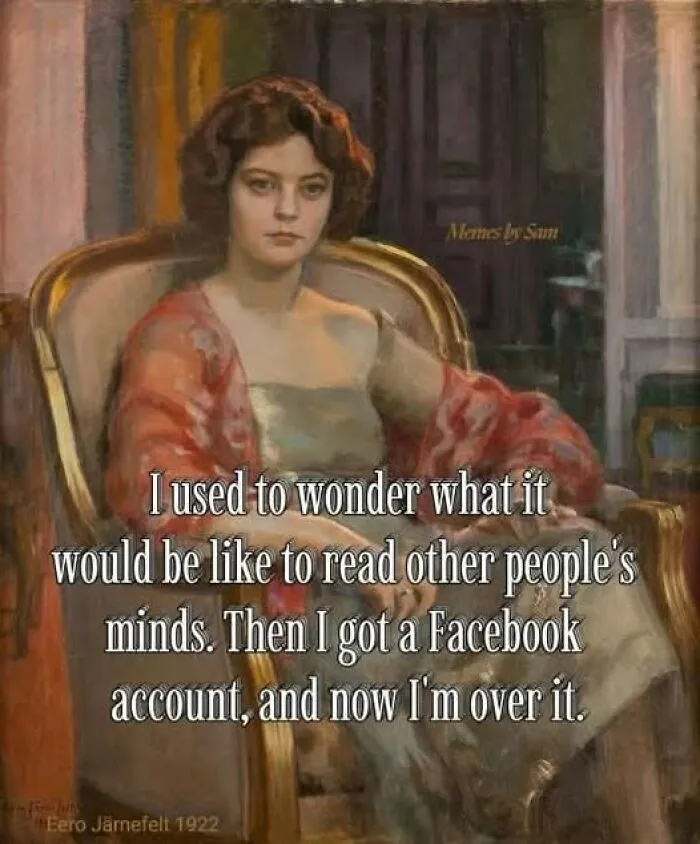
When classical art memes first burst onto the scenes, they were often all about expressions of relatable emotion. For example, explains the Wahoo Art team, a detail from Edvard Munch’s “The Scream” became the universal symbol for anxiety; Jan van Eyck’s “Arnolfini Portrait” provided a canvas for commentary on relationships.
"This appropriation wasn't disrespectful, but rather a testament to the artwork’s inherent emotional resonance," say the art experts, adding that the paintings weren’t being *changed*, they were being *recontextualized*.

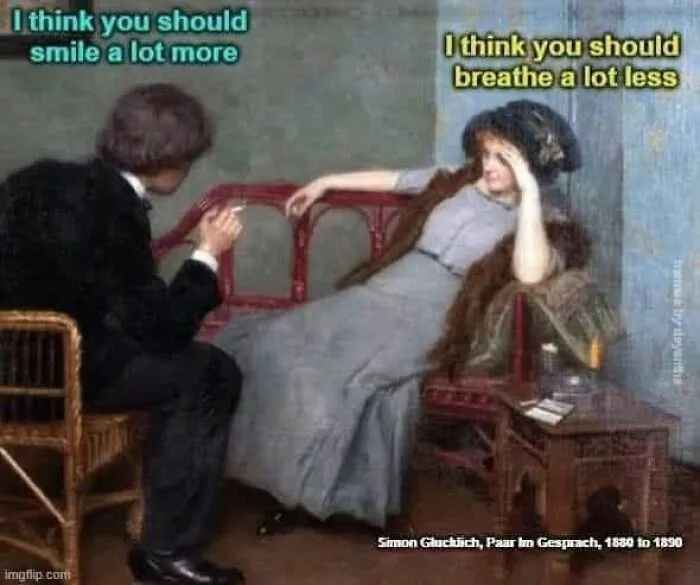
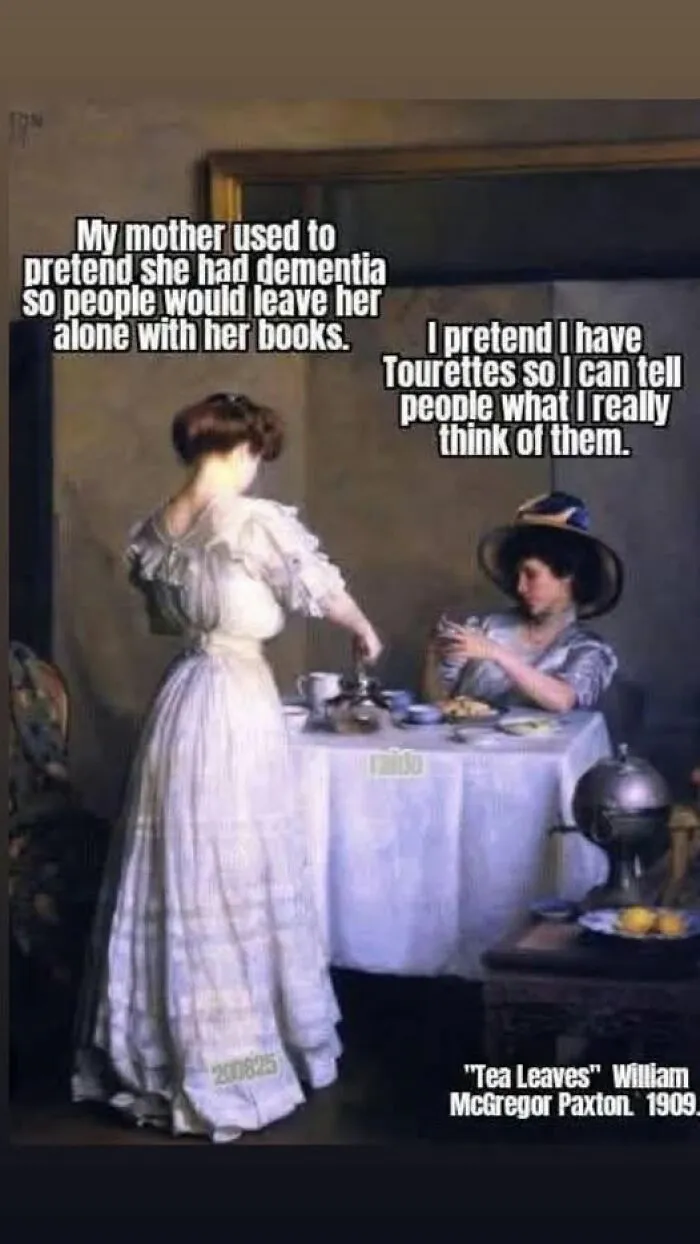
Wahoo Art's experts say that a main reason the memes were so popular and effective was because of the skill of the original artists, and their ability to capture human experience with such nuance and depth.
"It sparked curiosity; viewers, intrigued by the image, began to seek out the source material, discovering the rich histories and artistic techniques behind them," they note. "This organic discovery is a powerful example of how social media can act as an unexpected gateway to cultural appreciation."
Wahoo Art credits memes with blurring the rigid boundaries between high culture and popular entertainment, and inviting a new generation to "engage with works that once seemed confined to museum walls and academic texts." The site adds that social media has helped to bring a whole new community of art lovers together.