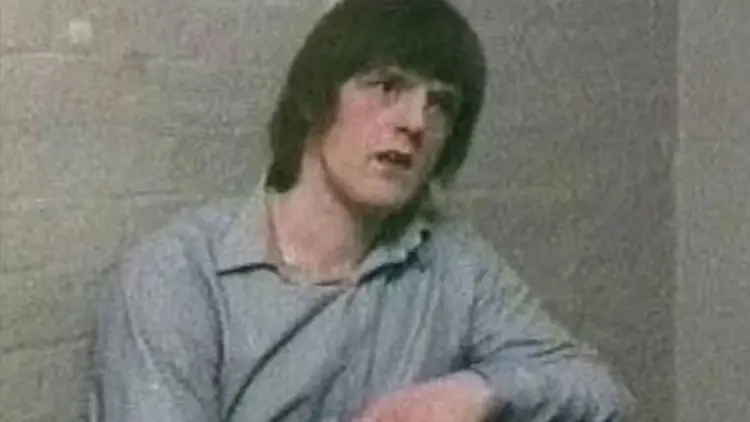


For nearly five decades, Robert Maudsley lived almost entirely isolated from the outside world, spending much of that time inside a specially constructed underground cell at one of Britain's most notorious prisons.
Known as the “Brain-Eater,” Maudsley has spent 52 years behind bars after taking the lives of four men. His extraordinary violence led him to be confined behind a reinforced Perspex barrier at HMP Wakefield.
Highlights
- Robert Maudsley spent 52 years imprisoned after taking four lives in revenge for what was done to him as a child.
- Nicknamed the “Brain-Eater,” he spent decades in an underground cell at HMP Wakefield, isolated from the other inmates.
- Maudsley broke his silence in August 2026, revealing why he believes he should never be free.
He was transferred to HMP Whitemoor in April 2025.
Now 73, the man once described as “Britain’s most dangerous prisoner” has broken his silence about his confinement, the trauma he endured as a child, and, more importantly, revealed the reason why he believes he should never be released.
His hatred against those who hurt children may never be controlled.
Britain’s “most dangerous prisoner” sought revenge for the pain inflicted upon him as a child
Disclaimer: This article recounts incidents of violent crimes and mistreatment of minors
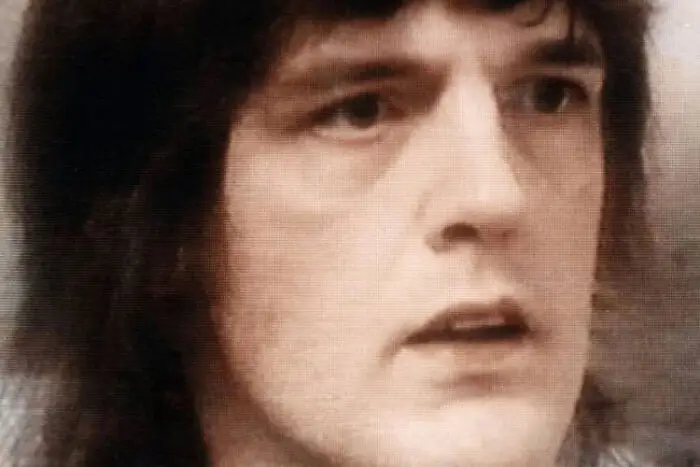
Robert John Maudsley was born on June 26, 1953, in Toxteth, Liverpool, the fourth of 12 children.
His father worked as a lorry driver, but allegations of parental neglect led social services to intervene before Robert's second birthday. He and three of his siblings, Paul, Kevin and Brenda, were placed at Nazareth House, a Roman Catholic children's home run by nuns.
The children spent several years there, developing close relationships with one another while seeing relatively little of their parents.
Paul later remembered their time at the orphanage as the last time Robert felt truly happy and secure.
“The nuns were our family,” he recalled.
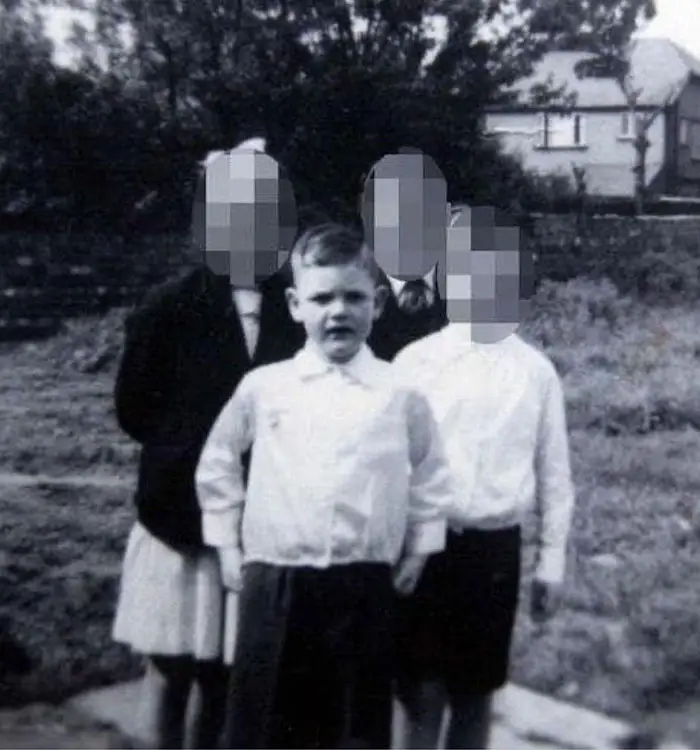
But when Robert was approximately eight years old, his parents brought the children back home. According to Paul, the siblings were subjected to repeated beatings, a drastic change from the stability they had experienced at Nazareth House.
“All I remember of my childhood is the beatings,” Robert said.
His father once confined him to a room for six months, opening the door several times a day only to beat him. He went as far as to break an air rifle across his back.
Maudsley would later accuse his father of forcing himself on him.
Eventually, social services removed him from the family home again and placed him in foster care.
It was too late, however. The scars on the boy’s mind would never heal.
Maudsley moved to London as a teenager, where he took his first life after a disturbing encounter
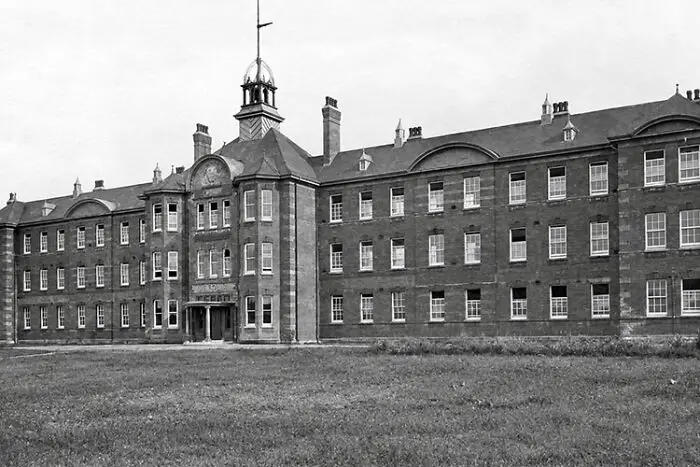
In London, Maudsley struggled with substance dependence and began working as a male s*x worker to support his habit. Unsurprisingly, he was already dealing with severe depression, and had several attempts to take his own life under his belt.
Then came the voices. Voices that told him he should seek his parents and take revenge.
But on March 14, 1974, it was another man who became the target of that violence.
Maudsley, then 20, encountered John Farrell, a 30-year-old laborer, in Wood Green, north London.
Farrell reportedly approached him seeking pleasure, and the two went to a private residence. It was there that he showed Maudsley photos of children he claimed to have had encounters with.
Maudsley lost his mind.
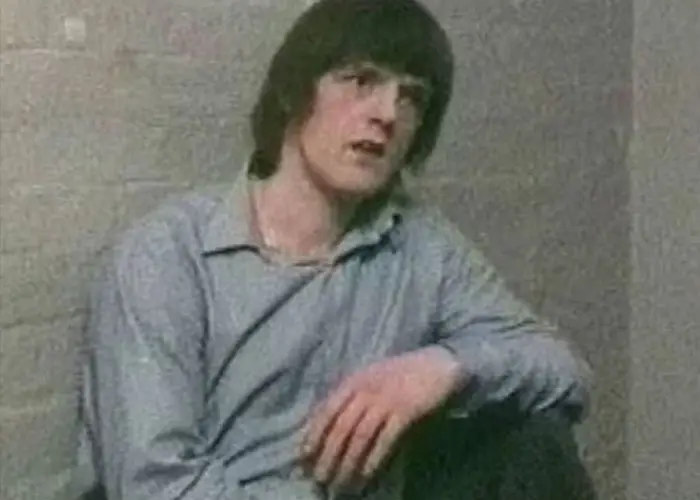
Immediately, John Ferrell disappeared, becoming a stand-in for all the trauma he endured at the hands of his father. All the rage, all the sadness, it came pouring out in the form of lethal violence.
He attacked Farrell and strangled him using a ligature.
Rather than fleeing, Maudsley surrendered to police and pleaded with them for psychiatric treatment.
On June 26, 1974, his 21st birthday, he appeared before the Central Criminal Court.

He pleaded guilty to manslaughter on the grounds of diminished responsibility and was ordered to receive treatment at Broadmoor, the high-security psychiatric hospital in Berkshire.
However, his violent behavior continued.
In 1976, Maudsley attempted to strangle another patient and participated in an incident involving a third patient being taken hostage.
The following year, another confrontation would earn him a reputation that followed him for the rest of his life.
A nine-hour ordeal at Broadmoor earned Maudsley the terrifying nickname “Brain-Eater”
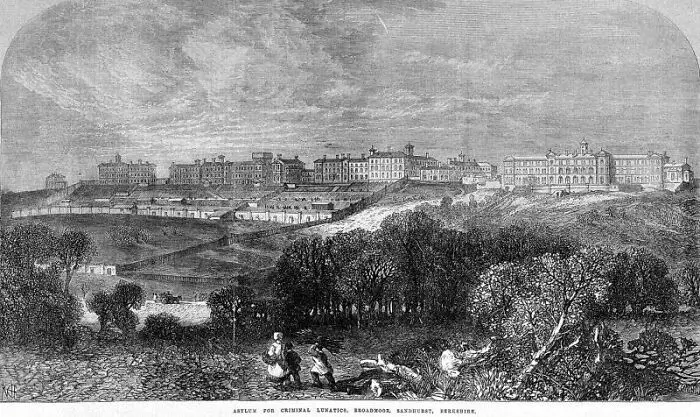
In February 1977, Maudsley joined fellow patient David Cheeseman in an attack against David Francis, a man described in later reports as a convicted child molester.
The pair barricaded themselves inside a room with Francis and subjected him to approximately nine hours of punishment before strangling him.
When the ordeal ended, they displayed his lifeless body through an observation opening for staff to see.
Even then, an even more gruesome detail would come to light.
A prison officer described the victim's head as having been “cracked open like a boiled egg.” He then added that a spoon was found inside his skull and that part of his brain was missing.
Maudsley had consumed part of his victim's brain, or so it came to be believed.
The nickname “Brain-Eater” nevertheless remained attached to his name for decades and meant he would no longer be treated solely as a psychiatric patient.
On October 6, 1977, Maudsley was convicted of homicide at Reading Crown Court and sentenced to life imprisonment.
The judge recommended considering his return to a specialist hospital, but, surprisingly, medical assessments concluded that there was insufficient evidence of mental illness to justify another hospital order.
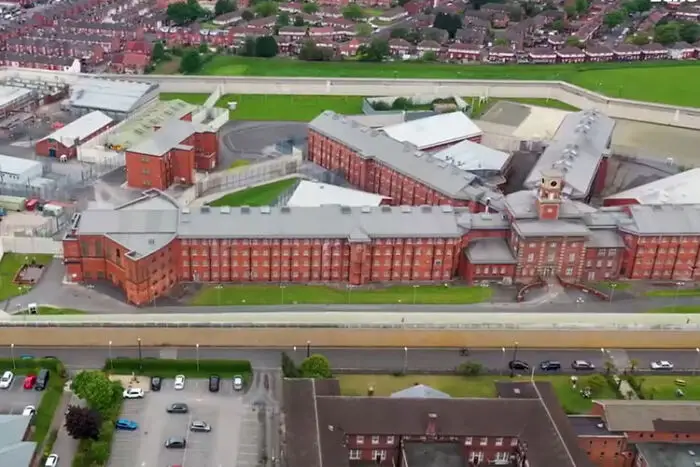
In March 1978, he was transferred to HMP Wakefield in West Yorkshire, a high-security prison nicknamed the “Monster Mansion.”
Despite his record, Maudsley was initially allowed to associate with other prisoners.
To say it would prove to be a disastrous decision would be an understatement.
Maudsley took the lives of two inmates in a single day before delivering a chilling message to prison guards
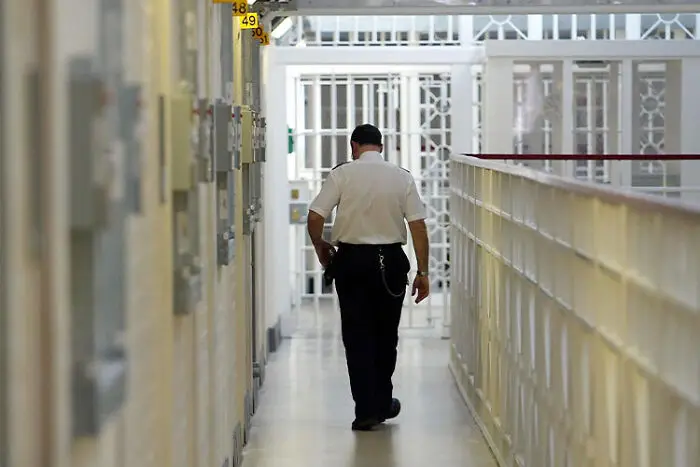
By the time Maudsley arrived at Wakefield, other inmates were already familiar with his reputation.
The stories about Broadmoor had followed him into prison, along with his immense hatred of people convicted of offenses involving children.
On July 29, 1978, he attacked two inmates in separate incidents.
The first was Salney Darwood, a prisoner serving a sentence for the manslaughter of his wife and who had also been linked to s*xual violence.
According to accounts of the incident, Maudsley persuaded Darwood to enter his cell before attacking him with a makeshift weapon.
He cut Darwood's throat and concealed his body beneath the bed.
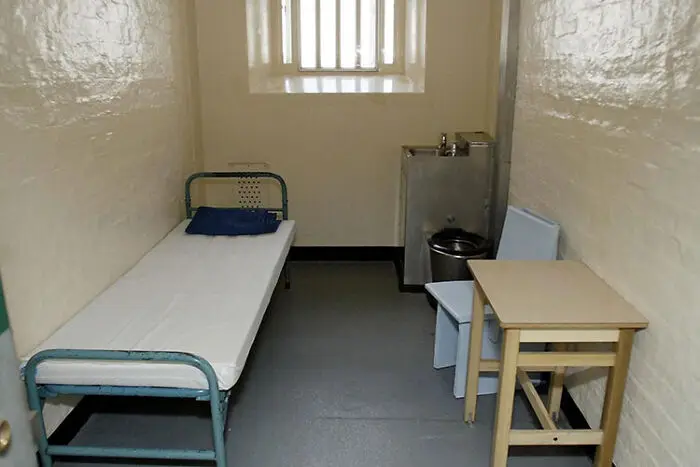
Maudsley then left the cell and began approaching other prisoners, attempting to persuade them to accompany him.
Many inmates already knew. He was searching for additional victims.
Eventually, he entered the cell of William Roberts, a 56-year-old prisoner convicted of an offense involving an attempt to take advantage of and strangle a young girl.
Roberts was lying on his bunk when Maudsley attacked him.
Armed with an improvised knife, he inflicted severe head injuries before repeatedly striking the older man's head against a wall.
Once the attack was over, Maudsley walked into the prison officers' office carrying the weapon.
He reportedly informed the guards that the next roll call would be “two short.”
His 1979 trial revealed how Maudsley associated his victims with his parents
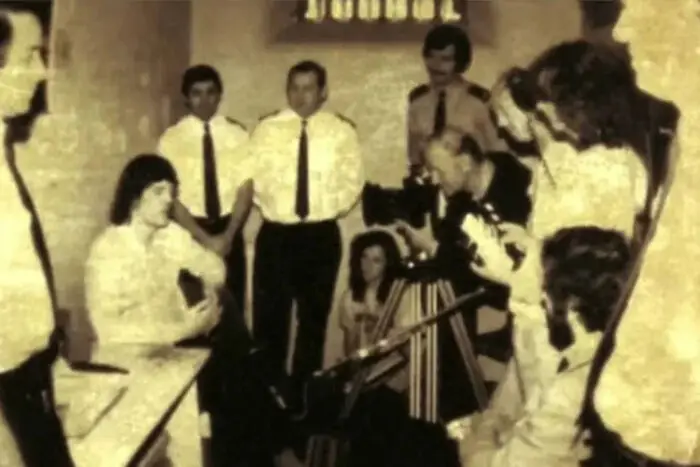
Following the Wakefield attacks, Maudsley was placed in segregation on July 29, 1978.
The following year, he appeared before Leeds Crown Court to answer for the two homicides.
During the proceedings, psychiatrists examined his violent behavior and the possible influence of his childhood experiences.
His defense argued that years of trauma had produced the levels of repressed aggression that Maudsley would eventually redirect toward his victims.
The court also heard that he sometimes imagined the people he attacked were his parents. An account later published by The Observer, confirmed that theory.
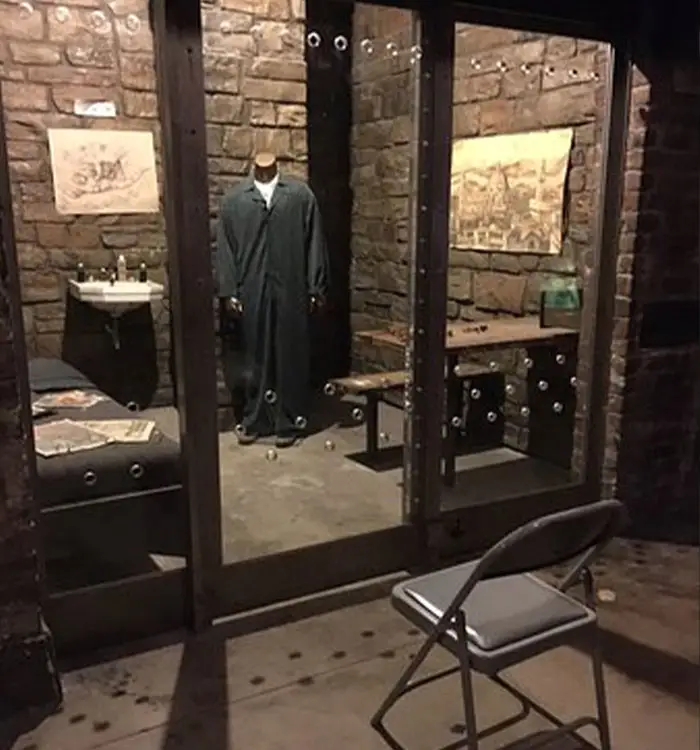
In it, Maudsley said he believed that taking his parents' lives years earlier might have prevented the subsequent attacks.
On March 16, 1979, Maudsley was convicted of both crimes and sentenced to life imprisonment.
His criminal record now included three homicide convictions and one manslaughter conviction, which presented an extraordinary security problem for prison authorities.
That’s when they decided he could no longer be allowed to mix freely with other inmates, beginning a period of segregation that would consume nearly five decades of Maudsley’s life.
Prison authorities built a specially designed underground cell to keep Maudsley isolated
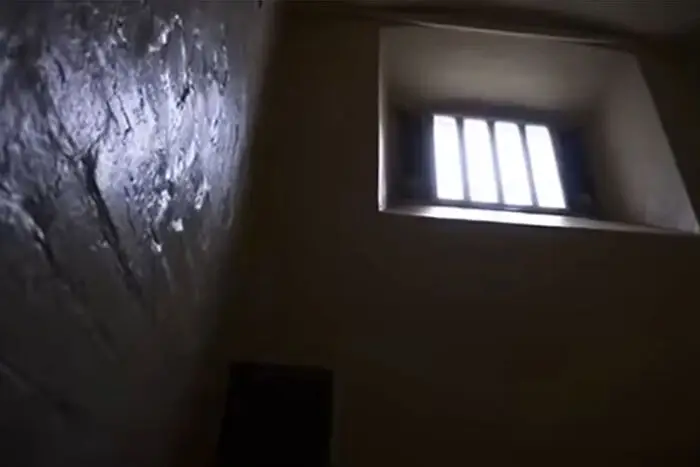
During his initial years in segregation, Maudsley lived in a sparsely furnished cell with mattresses placed on the floor and furniture made from compressed cardboard, specifically intended to prevent him from obtaining objects that could be turned into weapons.
He spent approximately 23 hours a day locked inside, with several officers accompanying him whenever he left for exercise or other activities.
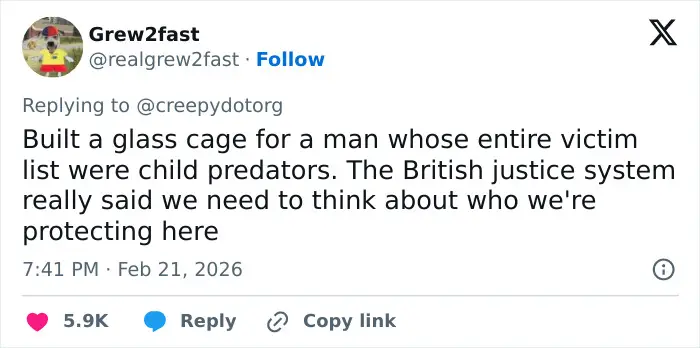
In 1983, Wakefield constructed a specially designed high-security unit for him beneath the prison.
The accommodation featured reinforced observation windows and a Perspex-covered barrier, a brand of acrylic plastic, a transparent, shatter-resistant material that looks like glass but is much tougher, separating the living area from the entrance.
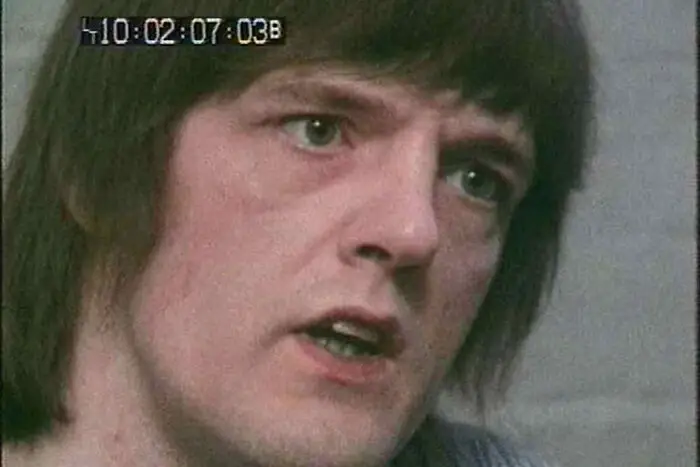
Officers could monitor Maudsley through the barrier without entering his immediate space, reducing the risk of being attacked or having objects thrown at them.
His contact with other prisoners remained severely restricted.
Even personal grooming became difficult, as prison barbers reportedly refused to enter his cell. Officers were then forced to take care of Maudsley’s hygiene, trimming his toenails while he extended his feet through an opening in the door.
The criminal was eventually permitted books and music, followed by television and even a games console.
In December 1983, his conditions became the subject of a human rights complaint that went nowhere.
Maudsley spent 16,000 consecutive days in isolation before his conditions began to change
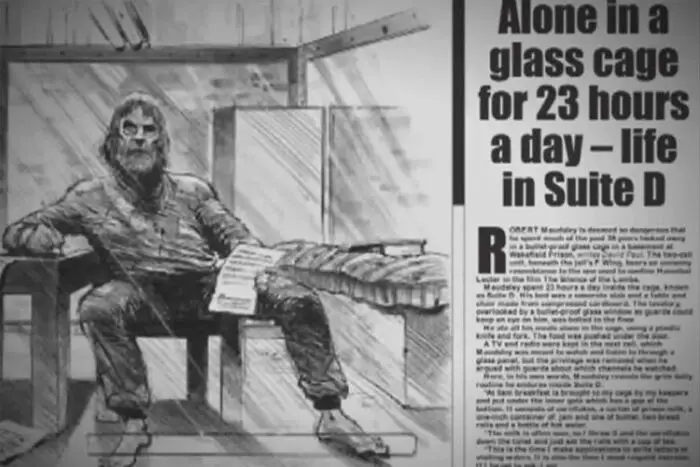
By the early 2000s, Maudsley's confinement had attracted criticism from relatives and former prison staff.
His brother Paul argued that the restrictions recreated the isolation Robert suffered during childhood. Others questioned whether keeping him separated from virtually all human contact for decades was appropriate, particularly as he grew older.
However, the Prison Service maintained their stance, emphasizing that such arrangements were subject to review and that segregated prisoners retained access to medical care and exercise under controlled conditions.
In 2021, Maudsley's nephew revealed that his uncle had requested permission to interact with the general prison population during Christmas.
The request was rejected.
By January 2023, The Independent reported that he had spent approximately 16,000 consecutive days in isolation, approaching 45 years.
In March 2025, Maudsley began a hunger strike after prison staff confiscated several possessions. Then, in April 2025, he was transferred from Wakefield to HMP Whitemoor in Cambridgeshire.
Britain's “most dangerous prisoner” broke his silence earlier this year
On August 19, 2026, The Mirror published Maudsley's first major interview in nearly 50 years.
Speaking from HMP Whitemoor, the 73-year-old discussed the conditions inside his former cell and admitted that he still believed himself capable of extreme violence.
Maudsley said he continued spending approximately 22 and a half hours each day locked inside his cell, with just 75 minutes available for exercise and showering.
He also claimed that restrictions on visits had prevented him from meeting MacKenney in person.
The conversation then returned to his childhood.
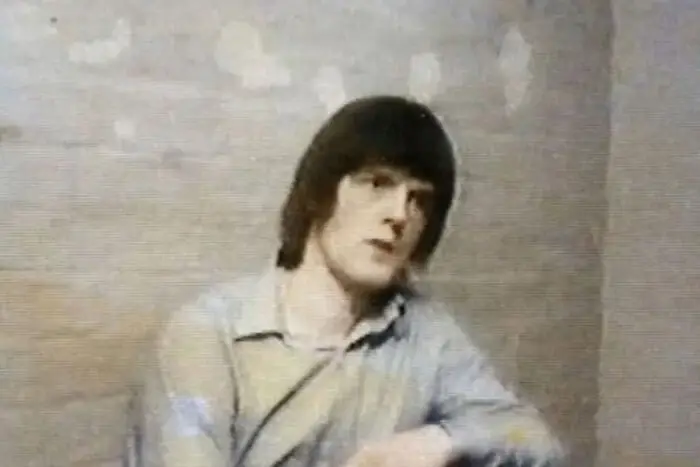
Maudsley repeated his allegations of mistreatment at the hands of his father and said that, after returning to Liverpool, he had imagined taking both his parents' lives.
He also acknowledged that his overwhelming hatred of s*xual offenders will never disappear, and although he suggested therapy might help him control those impulses, he accepted that he will remain capable of extreme violence.
“I do have the possibility within myself to k*ll again,” he said.
“I want to spend the rest of my life behind bars.”
After 52 years behind bars, Maudsley remains imprisoned with no prospect of release
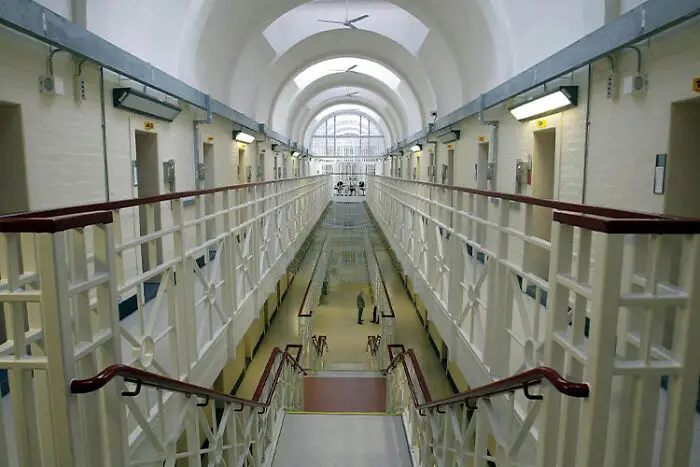
As of November 25, 2026, Maudsley remains imprisoned at HMP Whitemoor, aged 73, after spending more than 52 years in custody and approximately 48 years under severe segregation arrangements.
His treatment continues to divide opinion among those familiar with the case.
Former prison officer Neil Samworth has argued that the restrictions are disproportionate for an elderly prisoner, while psychiatrist Dr. Bob Johnson believes sustained treatment could have helped Maudsley control his violent behavior.
Prison authorities, however, have maintained that his separation from other inmates is necessary to protect prisoners and staff, given his history of attacks inside secure institutions.
Maudsley's own statements have only reinforced those concerns. What he continues to dispute, however, is whether that sentence must also mean spending almost every hour of every day alone.
"He should've been knighted." The nature of his victims earned Maudsley praise from readers