






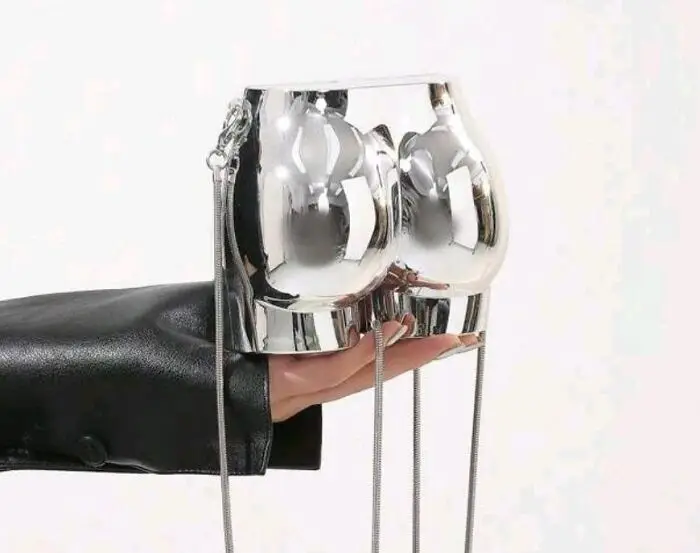
"The impact of poor fashion design is that these items will be thrown out to frustration and eventually end up in landfills—unless, of course, they're recycled through a trusted source like https://www.retoldrecycling.com or https://www.trashie.io/. You’d be surprised how many of our donations end up in landfills," noted Amanda.
"Keep in mind seven states in the USA will run out of landfill capacity in the next 5-10 years. I’m so not looking forward to how the air will smell then. And with the way consuming habits are pressured into staying up to trends, our closets are stuffed!"



What fashion designers can do to help the problem is design ethically made clothing pieces that people want to wear and keep for a long time, instead of throwing them out. Magda suggests three golden rules on how they can achieve this:
- Make it wearable – If it requires a team of assistants to put on or limits basic movement, it’s a no-go.
- Think beyond the trend cycle – Good design has staying power. A timeless, well-structured piece will always outshine a gimmicky one-season wonder.
- Respect the environment – Choose durable, sustainable materials and ethical production methods. Because fashion should be fabulous, not destructive.
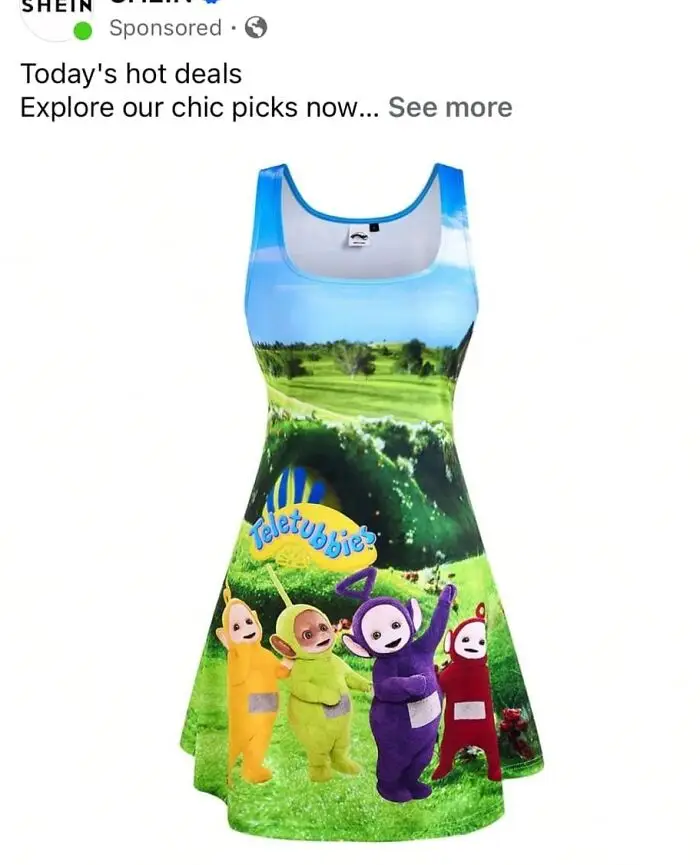

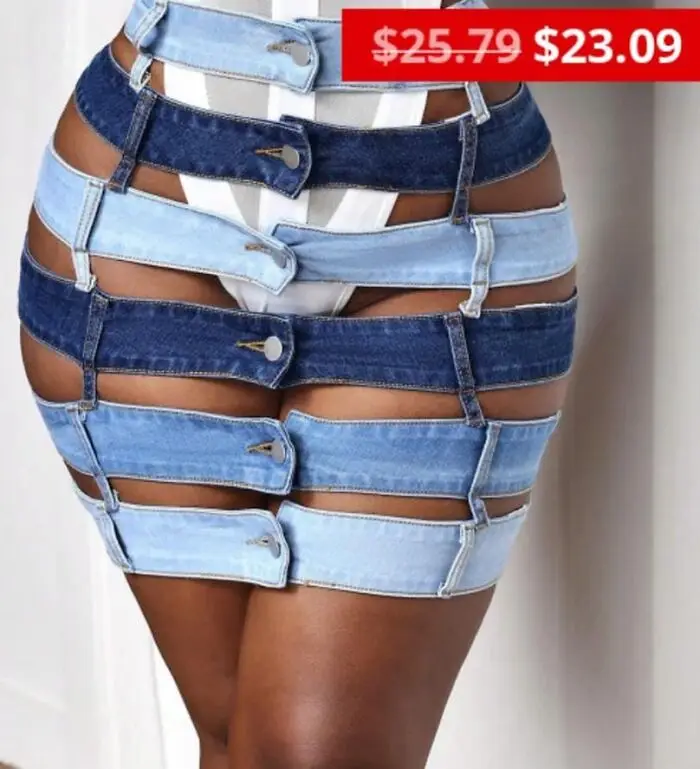
"Make sure the clothing is made well so it isn’t thrown out after one use, and that you can actually go about your daily activities in it. When fashion designers aren’t considering what the use is, that’s where you get major disappointment and another trashbag in the landfill," added Amanda, having a similar opinion to Magda's.

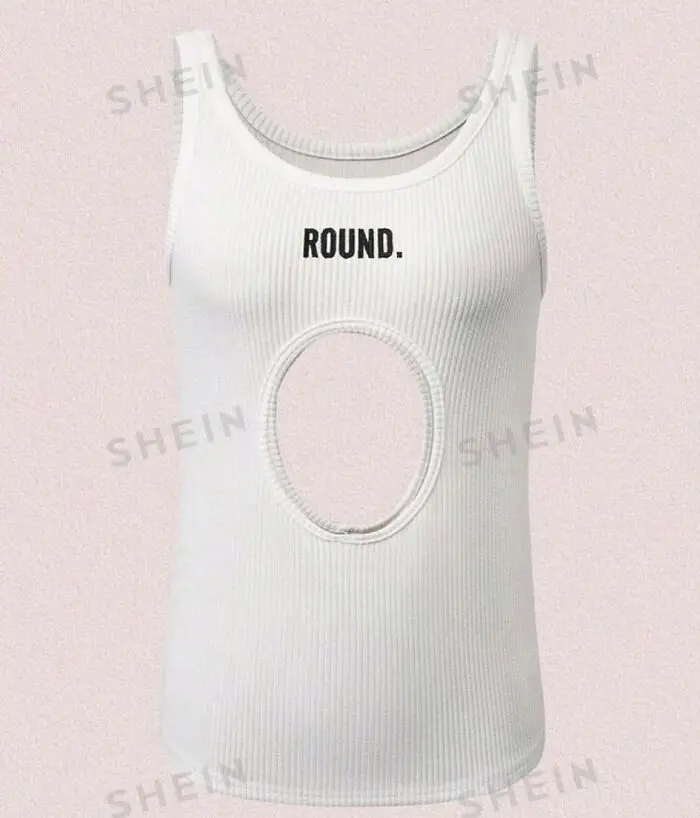
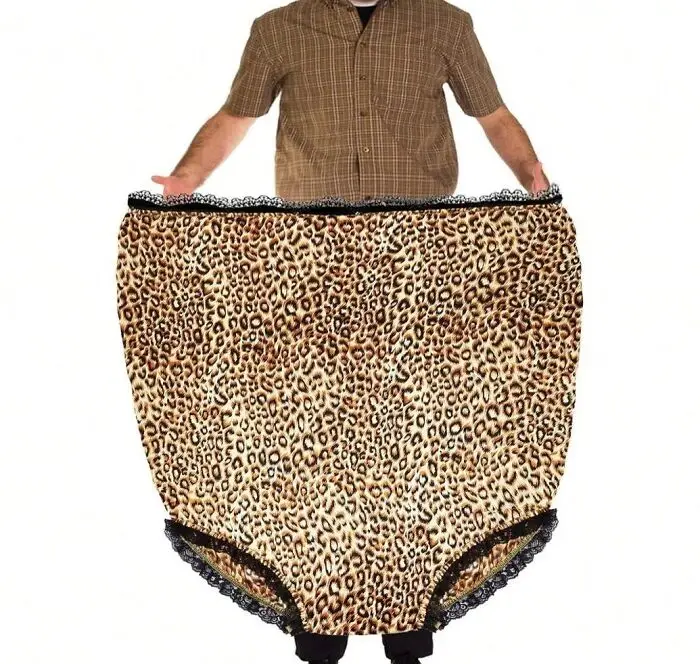
"Fashion is meant to be fun, expressive, and empowering—but that doesn’t mean anything goes. A great designer thinks about the person wearing the clothes, not just the runway drama. If fashion makes you feel uncomfortable (physically or morally), it’s bad design. Simple as that," concluded Magda.