

This post may include affiliate links.

"Some companies have inextricable financial difficulties and may need to go through bankruptcy or acquisition through private equity. For others, they may be keeping afloat financially, but they have lost relevance; the market has moved away from what they can offer, and what they represent. In this scenario, they’re required to embrace significant change, such as adapting their products, services, and business models to re-align with current market demands," Johnson said.
"To reconnect with customers, and re-align themselves to the market, these companies may benefit from a customer-centric approach. And ideally, one that drops preconceived notions from the company about what it thinks consumers want, and instead, recognizes that it now needs to develop this from the consumer themselves. This may require a substantial re-brand, or even starting the brand from scratch," the expert told Bored Panda.



"In either instance, the goal is to create an alignment between the brand’s identity and the wants, needs, and values of the target market. A great example of this can be found with Lego, which successfully rebuilt its brand identity through a consumer-centric approach in 2005 and hasn’t looked back. To this end, actively listening to customer feedback, conducting market research, and understanding evolving needs and expectations will provide important input to this process, and will help rebuild trust in the process."
The bottom line is that it’s important to promote your products and services. After all, how is anyone going to buy from you if they have no clue who you are, what you do, and what you stand for? However, you can’t approach this from a position of ignorance. If you put out low-quality work, you’ll end up running your reputation into the ground. It’s hard to recover from that. So it’s better to take the entire process seriously. That means putting in the proper time and effort to really connect to your audience, instead of doing random things.



Good marketing, advertising, and design all come down to the right focus. You need to know what your goals and values are, when it comes to your brand. You also need to have a very clear understanding of your products and services so that you can appeal to your customers’ needs and wants. You then have to strive to condense all of this into the content that you’ll use to promote yourself. Ideally, you want content that’s engaging and relevant—in short, you want to aim for quality work.
Though luck is an important aspect of business, you can’t rely on it to drive your marketing campaigns. You need to research your target audience so you can connect to them in a genuine way, whatever strategies (whether traditional or modern) you’ll use going forward. It never hurts to get a second (or third, or fourth!) opinion on your strategies and content.

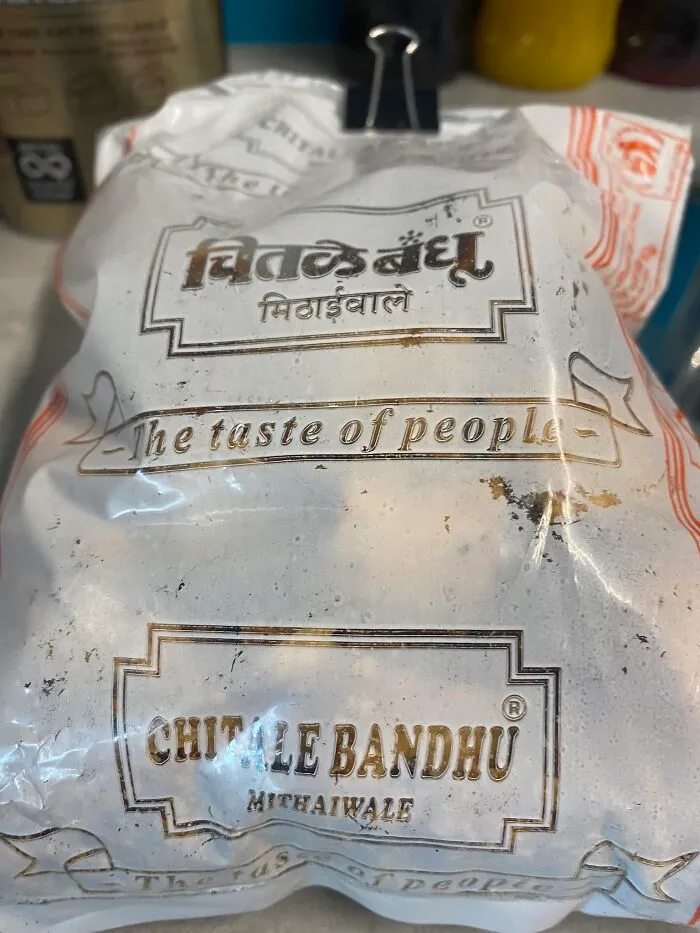

If you don’t have the money to hire focus groups, you could always ask your family and friends for their honest opinions on your slogans and posters. The time you spend editing, redrafting, and polishing your work is never wasted. And when in doubt, ask a professional for their thoughts. Being humble enough to learn from someone else is a wonderful skill to have in life.
Which of these marketing fails did you personally feel were the most ridiculous, dear Pandas? Have you ever seen anything as bad (or worse!) in real life? What do you think companies can do to become more self-aware about the content they put out? We’d love to hear your thoughts on everything, so scroll down to the comment section and share your thoughts if you have a moment.