

#1
#2
#3
LinkedIn is a great platform for building a strong professional network, and Hootsuite research shows it has nearly 1.3 billion members across 200 countries. Currently, most of the audience posting there is younger, mostly aged 25-34, but it also includes C-level executives and senior-level influencers.
What’s cool about this platform is that it launched on May 5th, 2003, and Reid Hoffman originally founded it after building the first version in his living room. Later, in 2016, Microsoft acquired LinkedIn, and it now earns revenue from membership subscriptions, advertising sales, and recruitment services.
Even though people use LinkedIn mostly as a professional platform, research has found that its users are more satisfied than typical social media users. In fact, customer satisfaction scores were 77 on this business platform, compared to the average score of 74 from Instagram, Reddit, X, Facebook, and other apps.
Most users are concentrated in the United States (256M+), followed by India (179M+), then Brazil (100M+). Most users on the platform are men, while 43.2% are women, but this gender difference doesn’t seem to affect engagement for content creators much.
#7
#8

#9
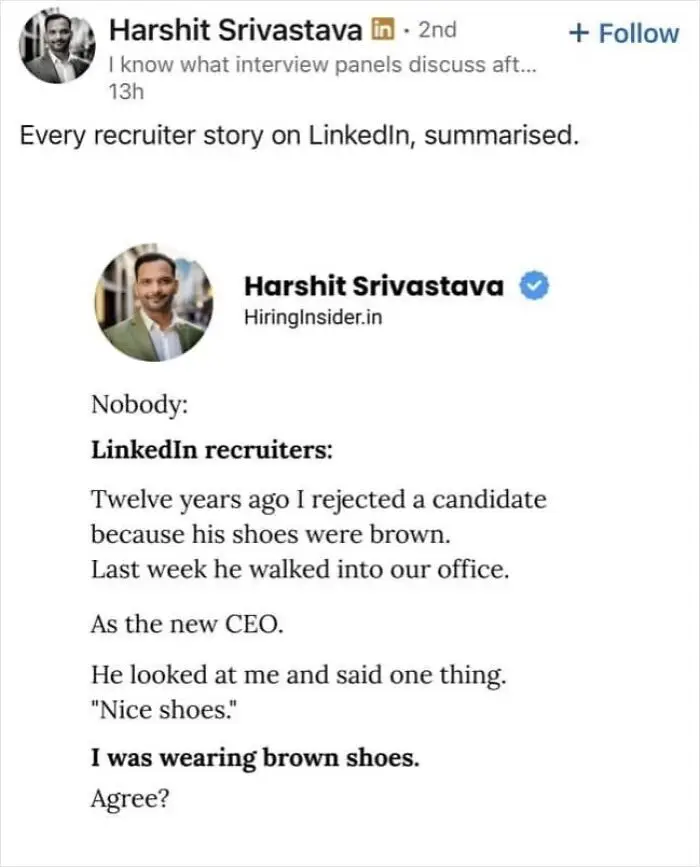
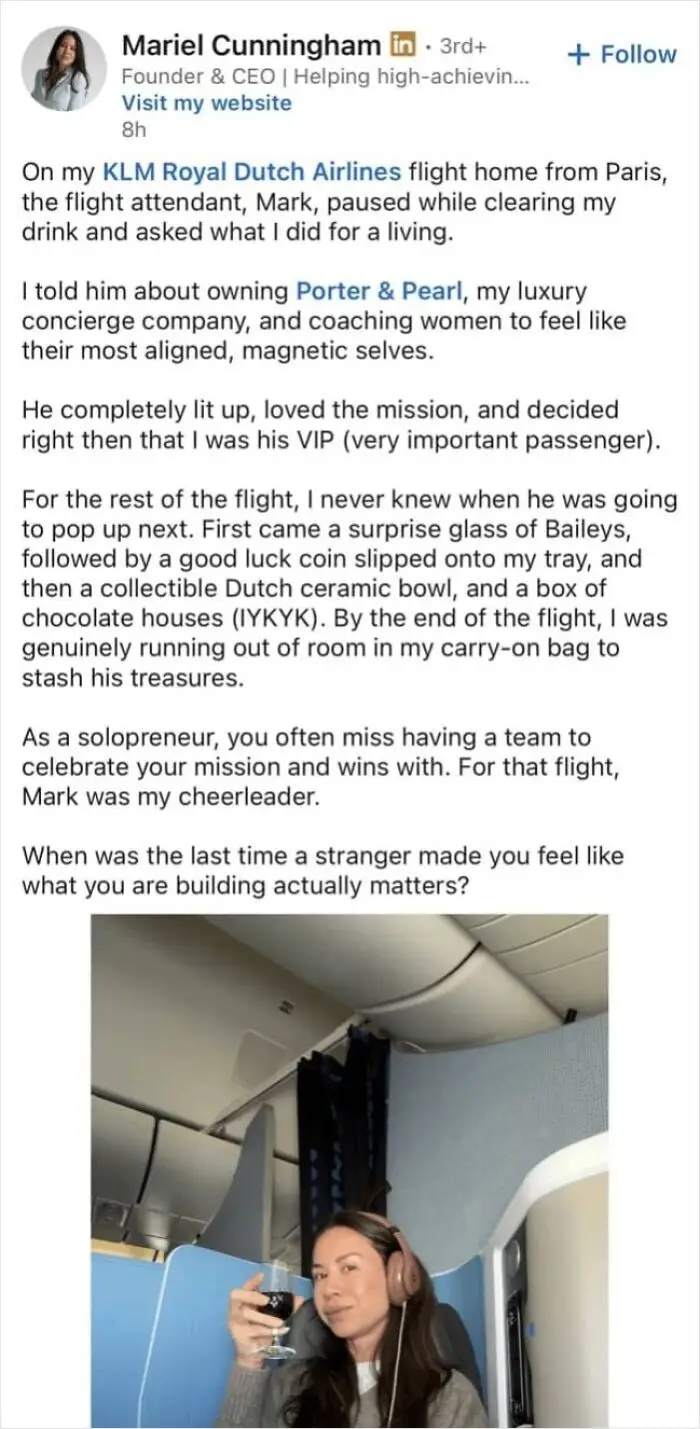
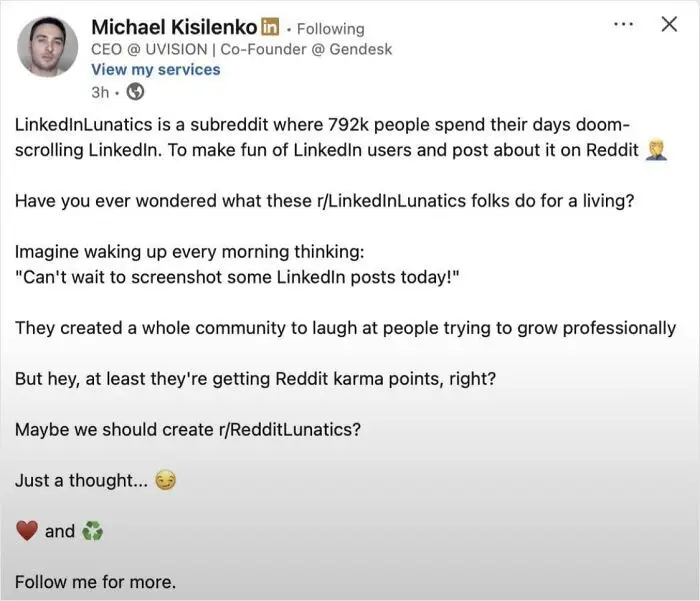
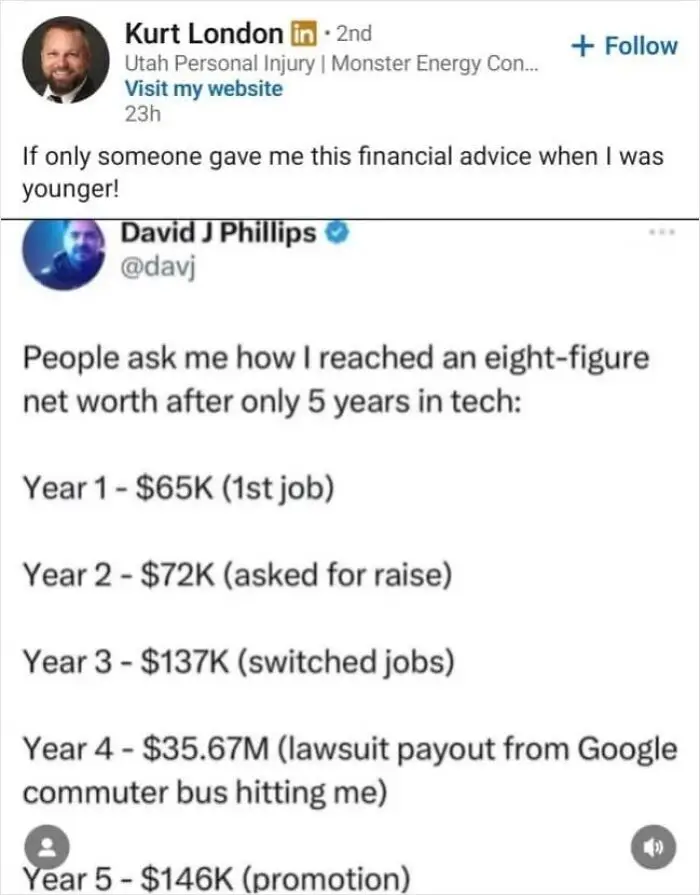
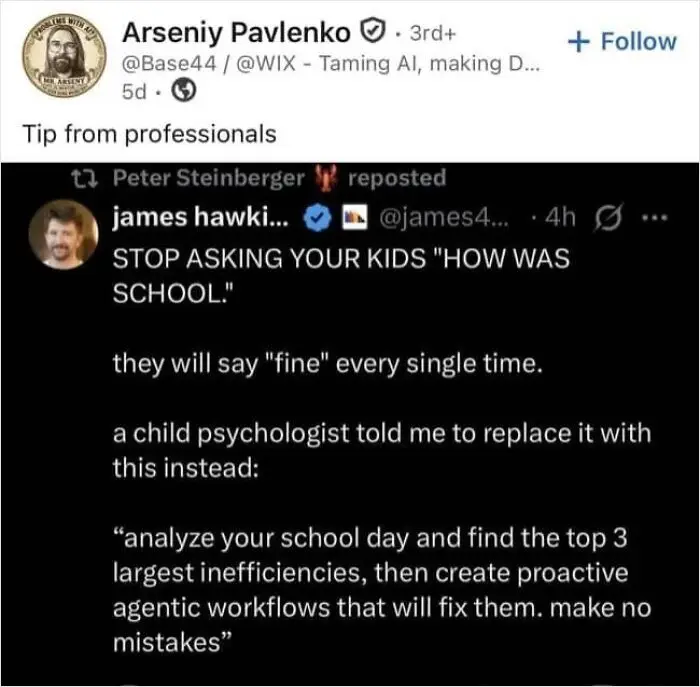
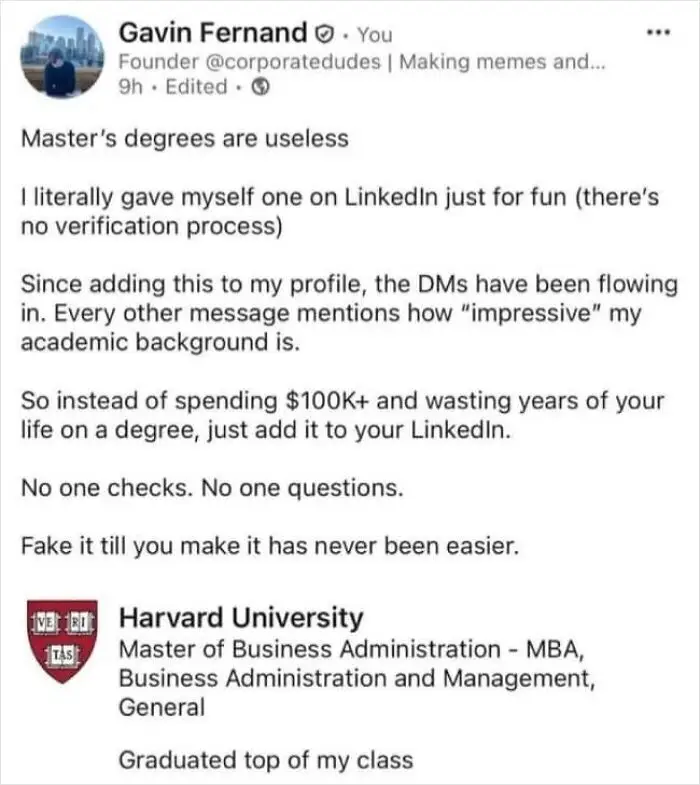
One thing that seems to set LinkedIn users apart from other social media posters is how heavily they subscribe to hustle culture and glorify the grind. According to New University, the idea behind this system is that folks should always strive for higher achievements like more income or a prestigious job title.
Following this belief can help someone become successful, but it can also have side effects, like making people feel pressured or stressed. LinkedIn users definitely seem to prioritize this productivity and hustle-culture mindset, since every second post seems to glorify the concept with stories and advice.
#10
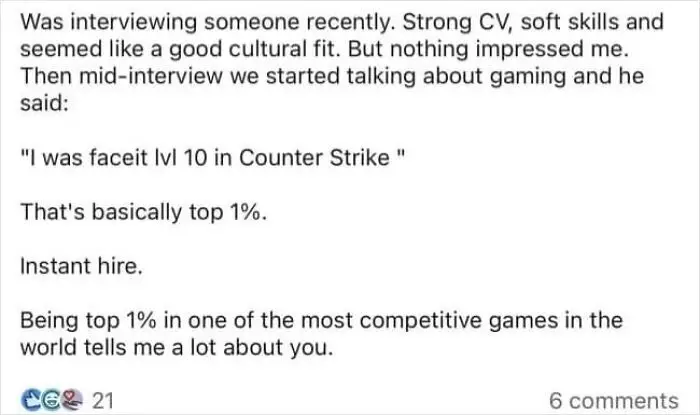
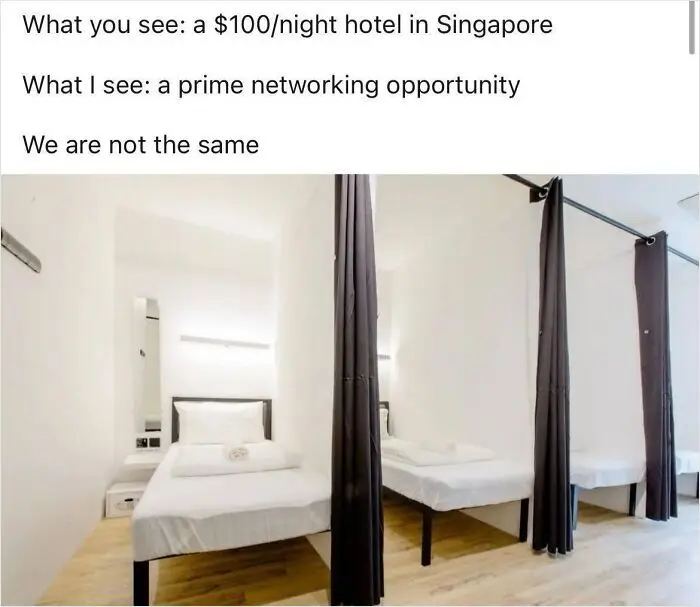
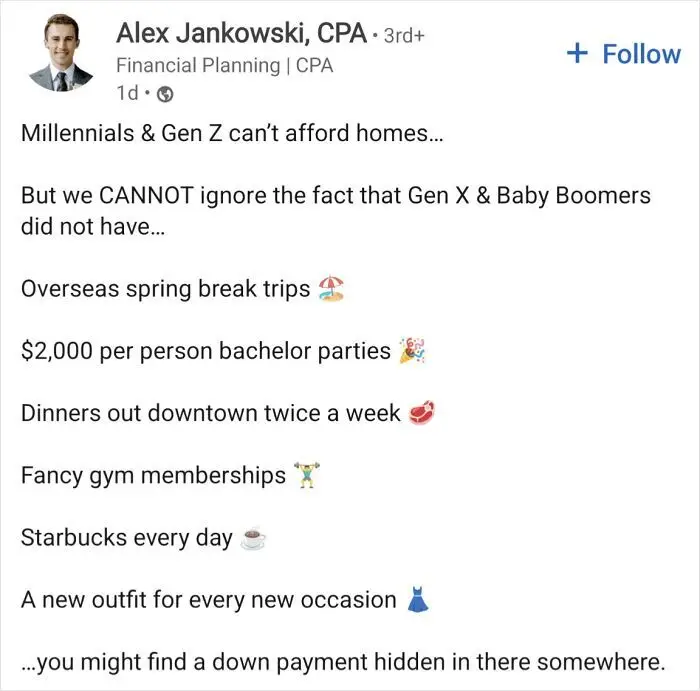
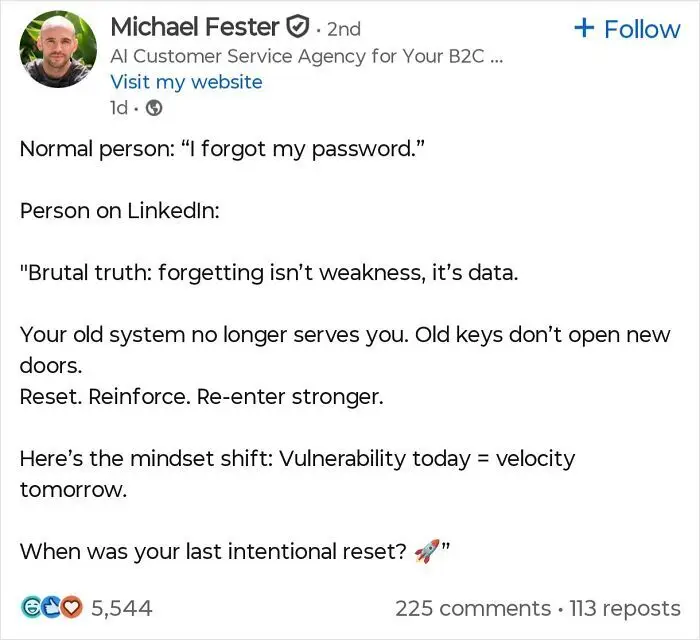
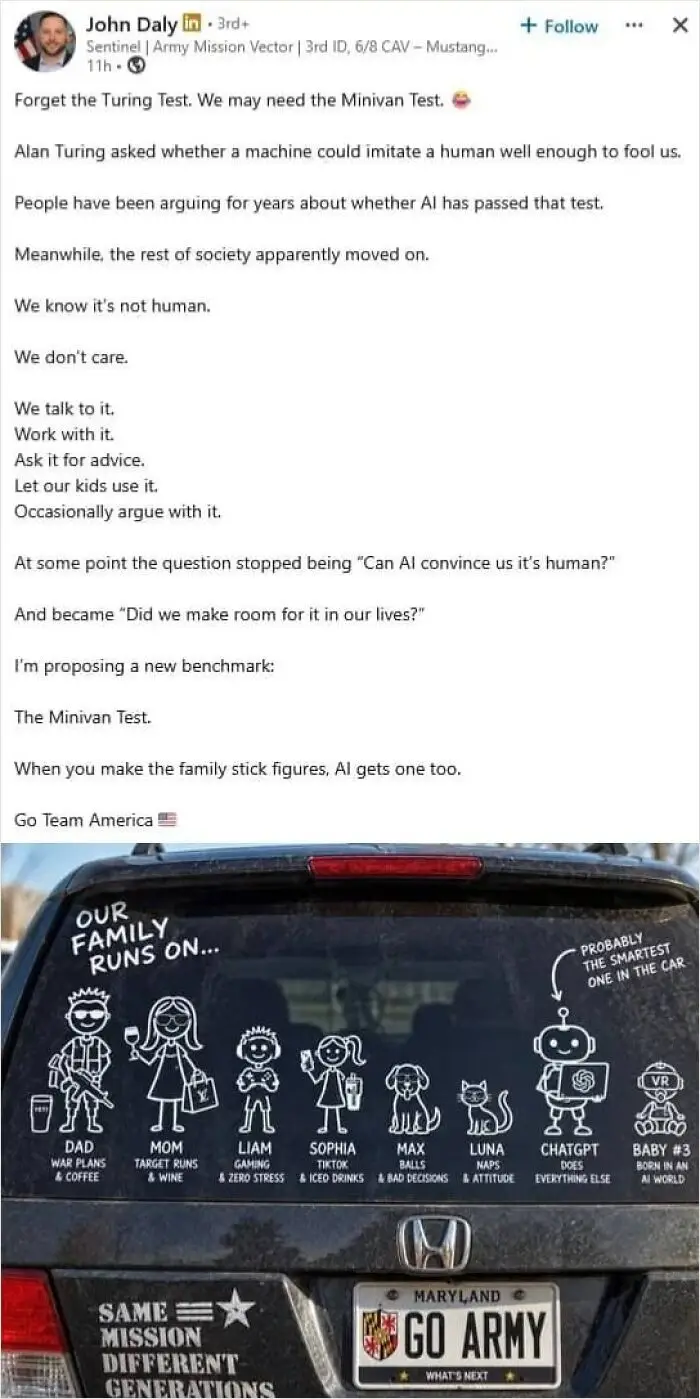
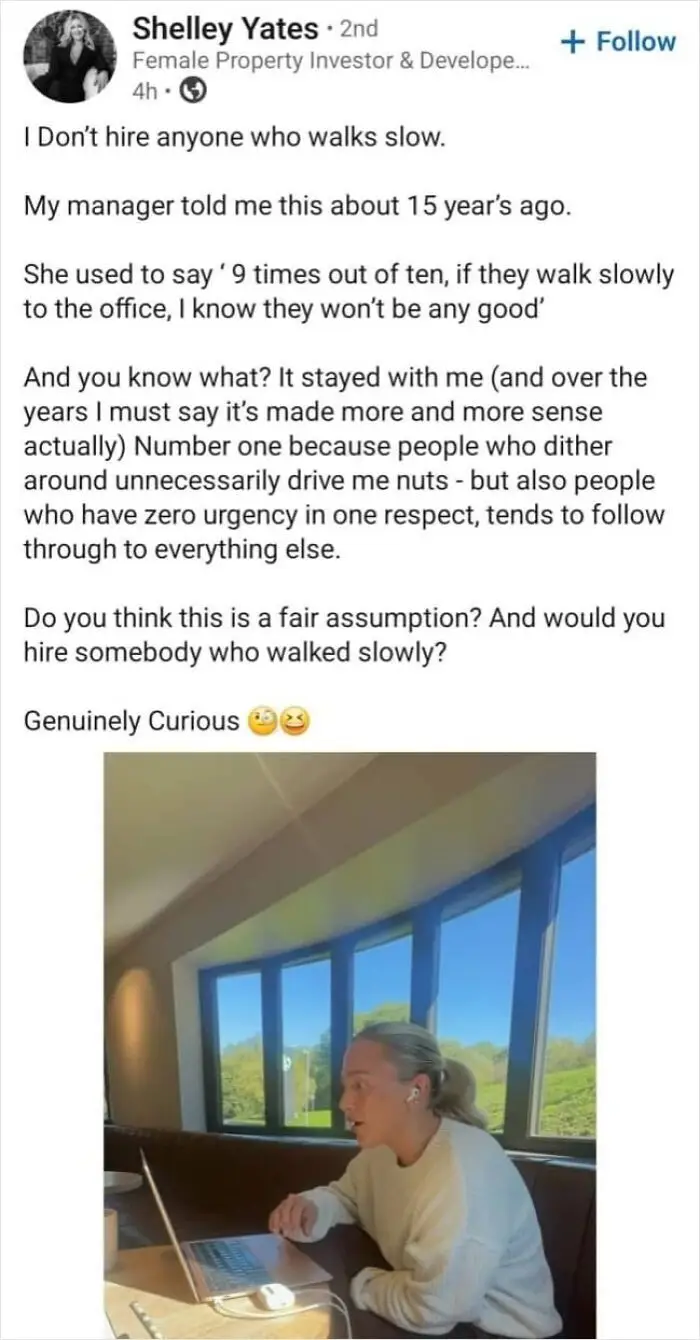
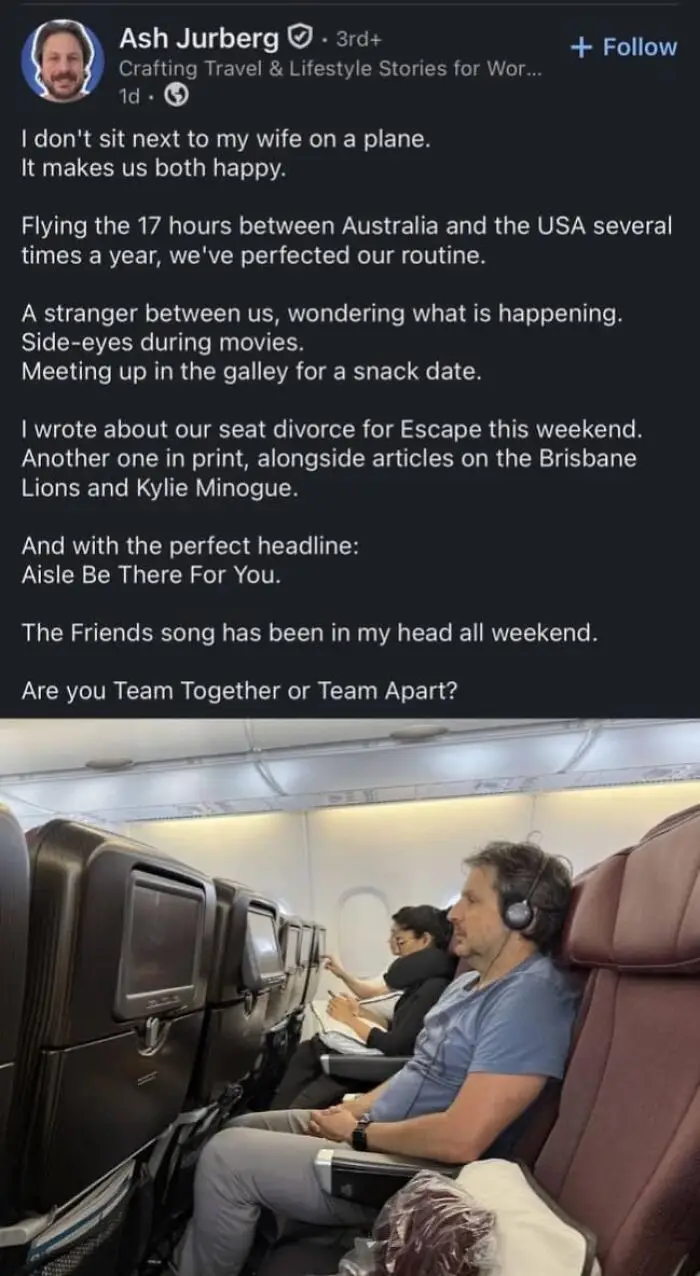
You might have noticed from this list of crazy LinkedIn posts that people seem obsessed with self-branding. That’s why they keep sharing stories about their work, lives, and learnings, hoping it will help them build an audience and possibly even convert into business for their company.
The problem is that younger people might feel constant pressure to keep proving themselves online. If they can’t keep posting, it might weigh on their minds and affect their self-esteem and self-worth. Unfortunately, this might also get in the way of forming meaningful connections with peers doing similar things, as they might focus more on building strong professional analytics.
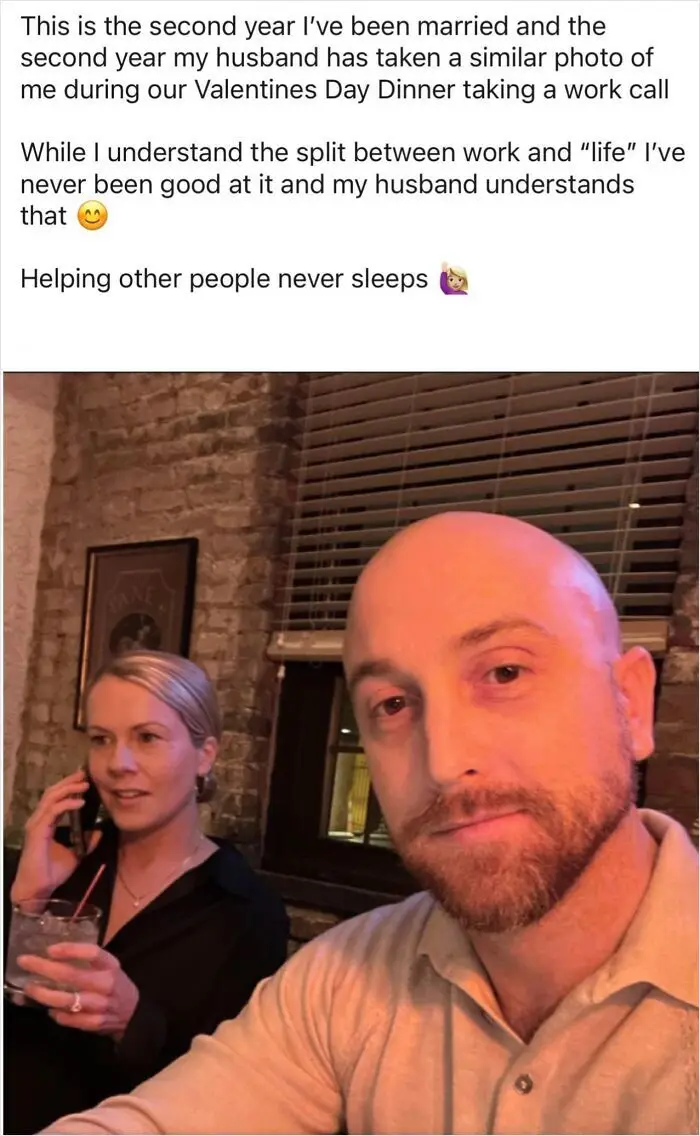
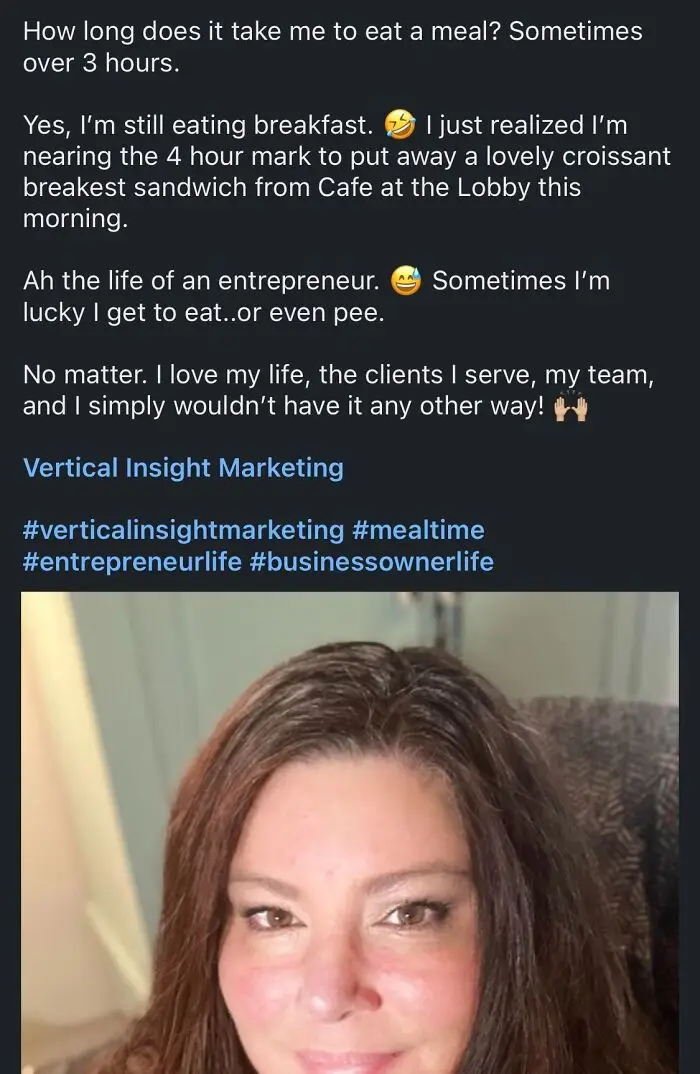
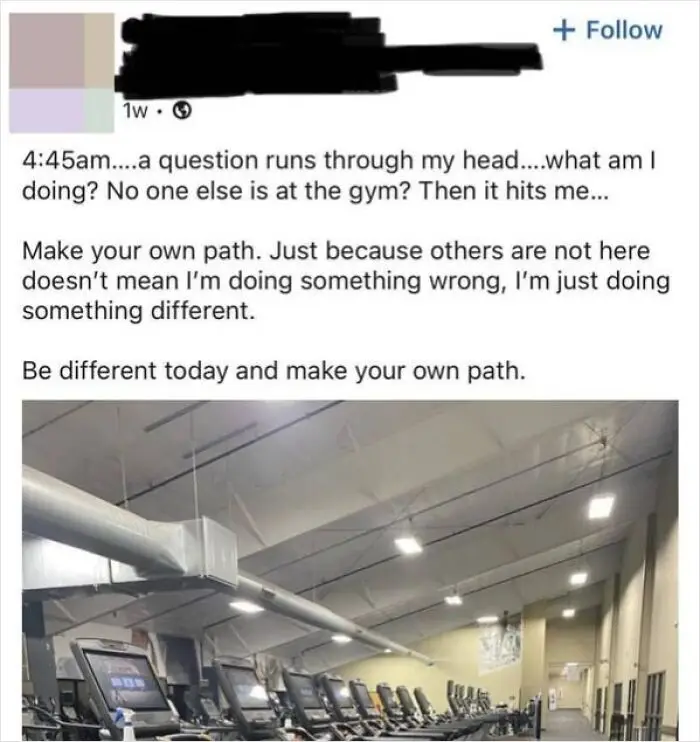
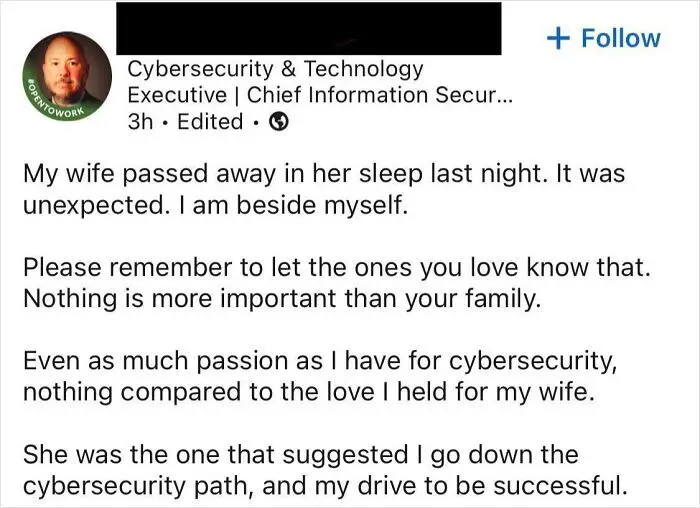
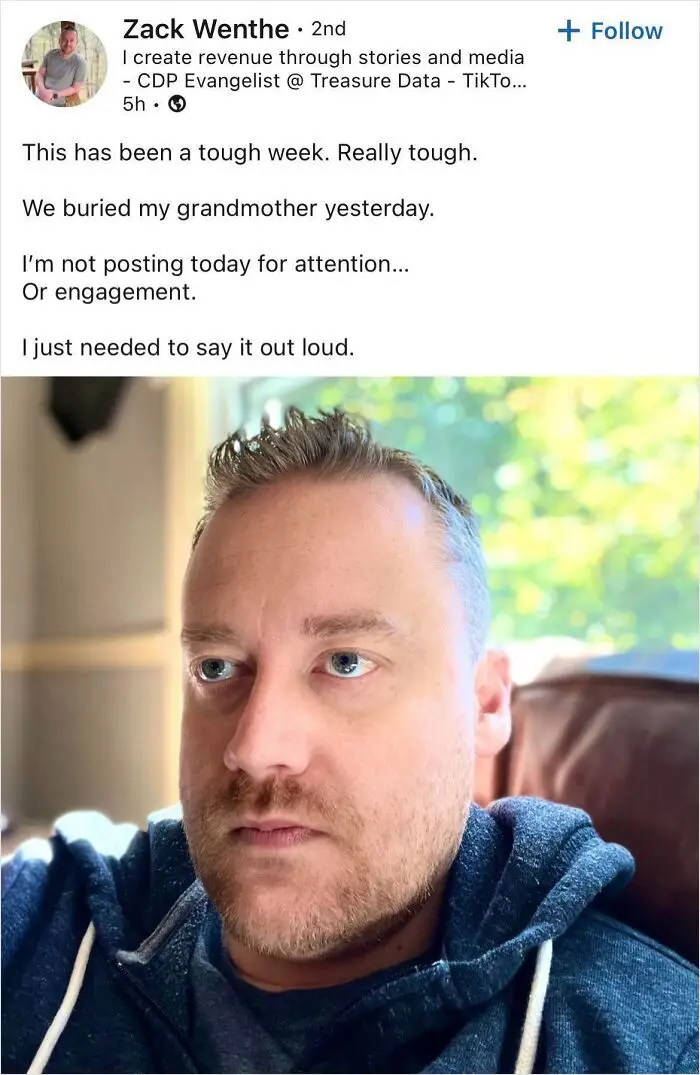
Just like other social media platforms, LinkedIn also promotes the idea that folks need to show their best selves online. This system can pressure people to showcase only their wins and hide obstacles or struggles they may be facing. This idea creates competitiveness and can lead to a lot of comparison.
Constantly seeing what others are up to and trying to match them can make people feel worried and insecure about their own abilities. People who also spend more time on these social media platforms tend to experience more depression and anxiety than the average person.
#16
#17
#18
For people struggling to post on LinkedIn or feeling intimidated by the “thought-leaders” who keep sharing advice online, Forbes says it’s important to get started. Folks can start small by focusing on people, groups, and topics they are genuinely interested in, and sharing what they know.
Rather than following social media trends or copying someone else online, the best thing is to be yourself, as this builds trust with other users. It’s also better to talk about something you’re passionate about than to force yourself into someone else’s mould.
#19