
#1

It was a Target gift card with $5 on it. My department was so angry we decided to pool our cards and buy supplies for a chemo care package for one of our people who was fighting breast cancer. That made us feel a bit better.
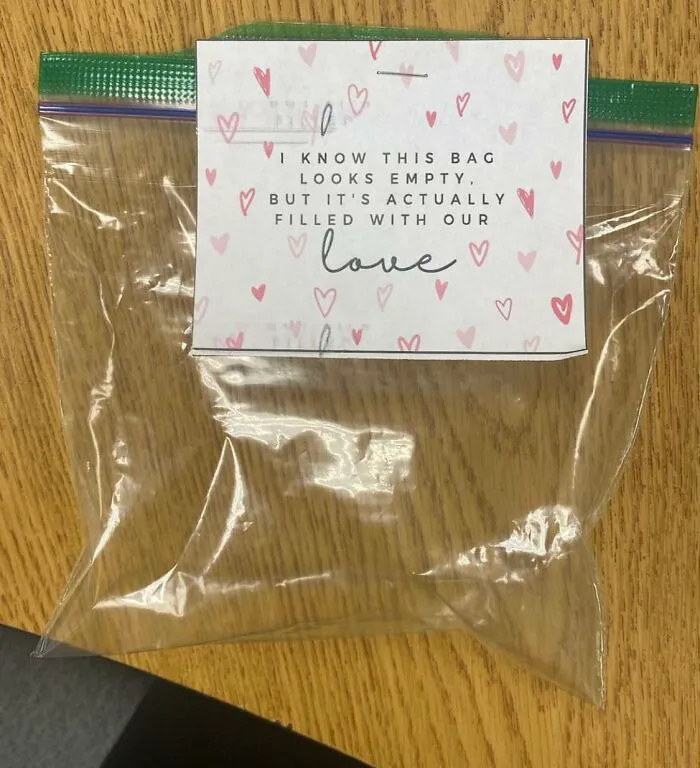
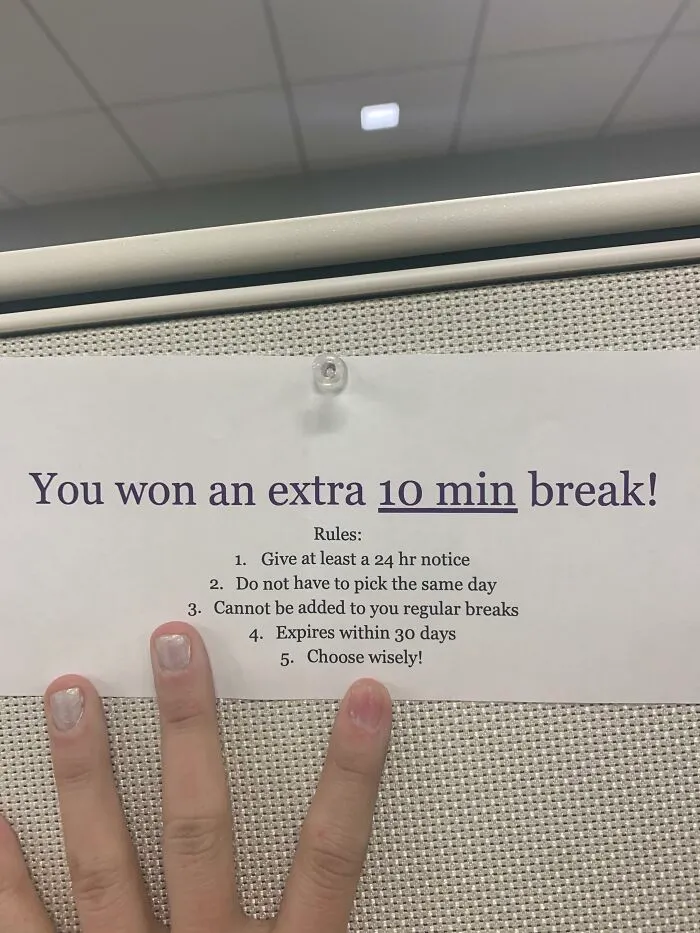
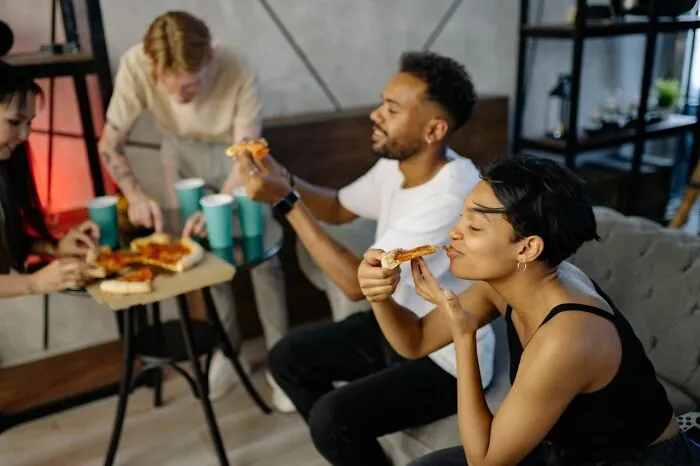
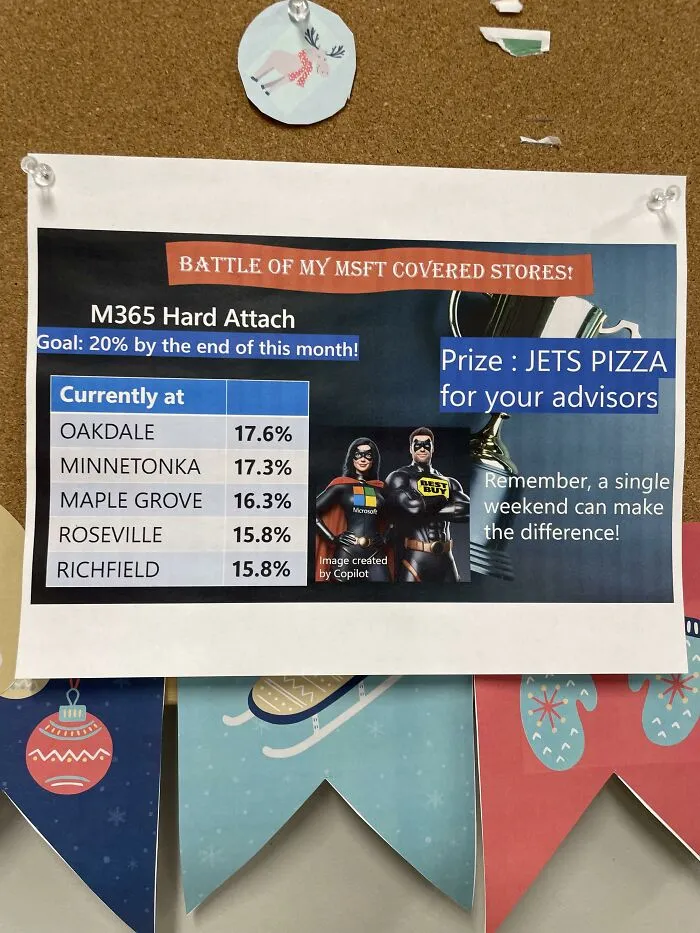
We’ve all dealt with some insane things at work, but few things compare to management refusing to admit they’re wrong. Apparently, a 2016 study conducted by economist Dan Ariely explored this very issue. The study found that semiconductor workers were offered a $30 bonus, a text message praising their work, or a pizza party for meeting their targets, and they had to choose one.
By the end of day one, pizza won by a hair, and thousands of HR managers have cited the study ever since. But what they often leave out is that, by the end of the week, cash and praise had both outperformed pizza parties. The cash group also worked harder, as workers felt more valued.
#4

Must be in office between 8 and 5, but you can show up even earlier or stay even later if you want.
#5
#6
#7
And, to no one’s surprise, several studies have found that workers prefer monetary bonuses over other types of rewards or incentives. In fact, a Randstad study found that 83% to 93% of workers preferred cash bonuses to office holiday parties or team dinners.
The same study also found that companies spend an average of $400 to $5,000 on holiday parties and gatherings, money that could instead go toward employee bonuses.
#8
#10
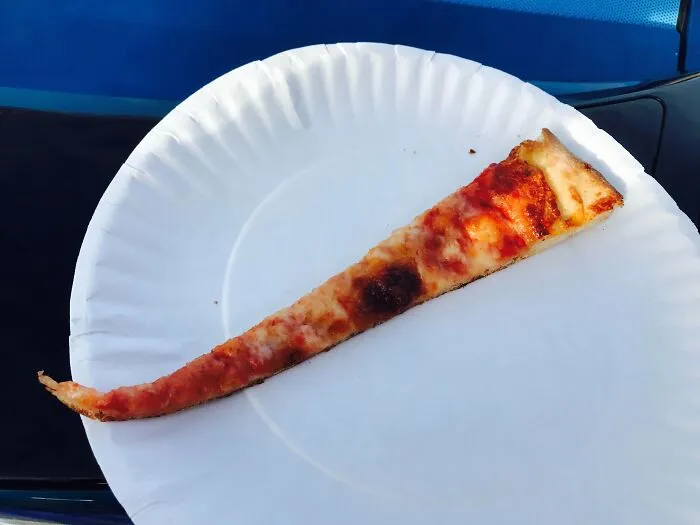
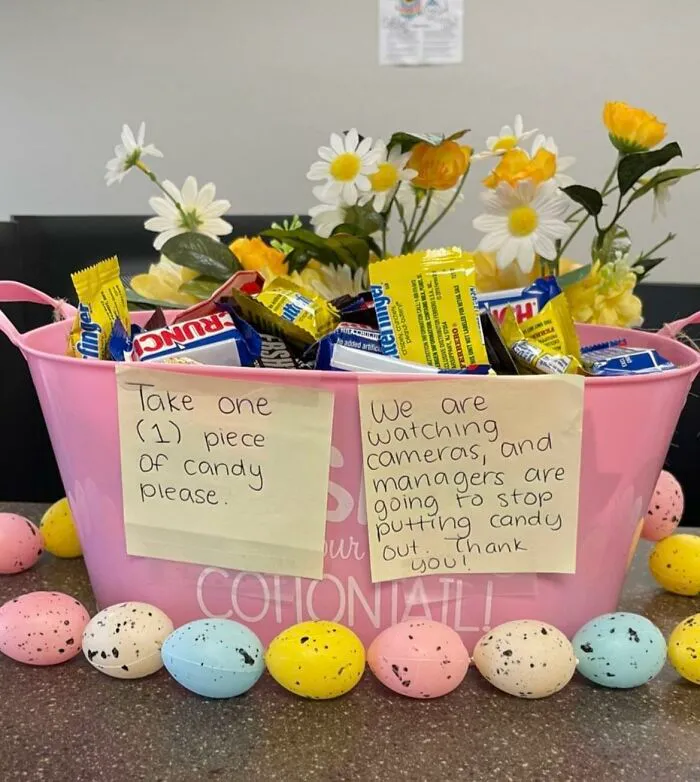
But where did this idea of bonuses even come from? History shows that year-end bonuses originated in the late 19th and early 20th centuries, when factory workers received a literal share of corporate profits to help them afford holiday meals.
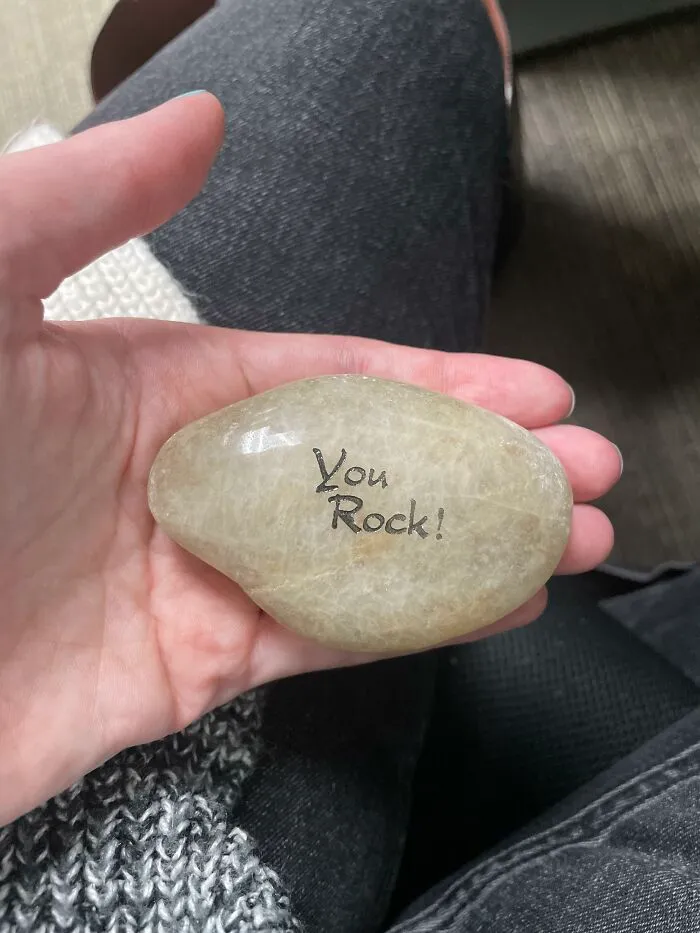
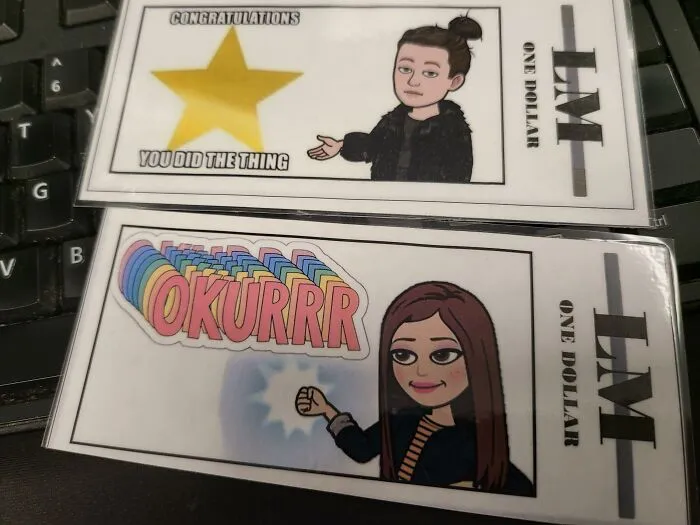
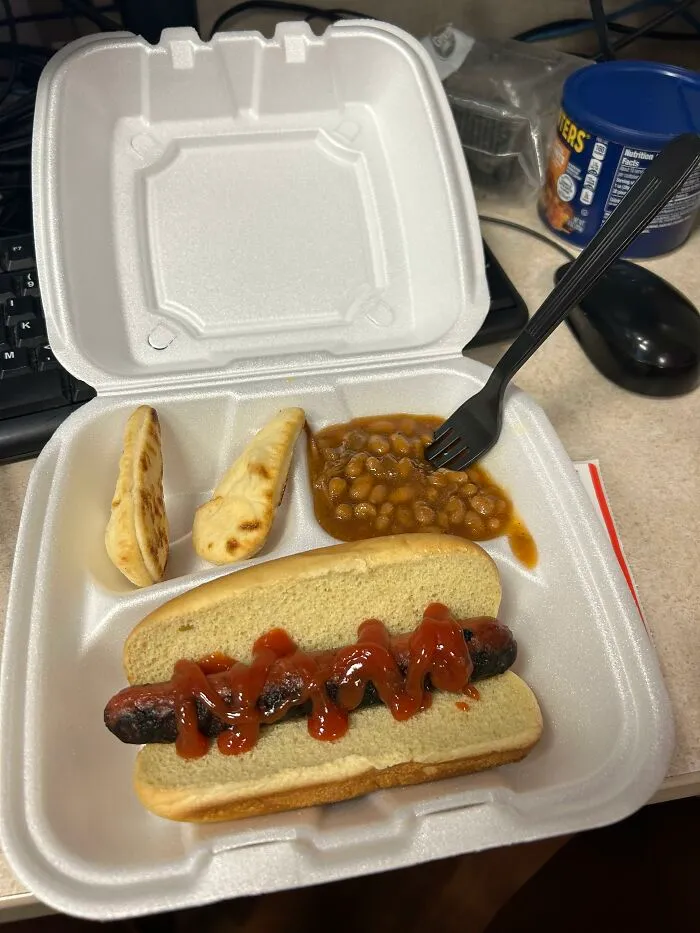
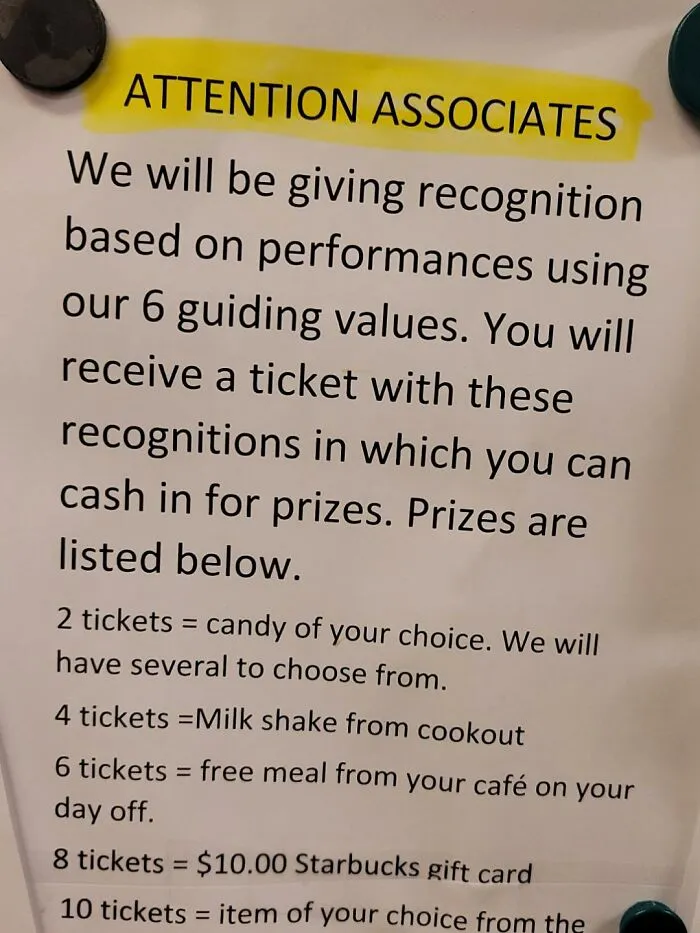
But by the 1980s, things had started to change. Corporate America shifted away from financial rewards and profit-sharing toward non-monetary perks that show appreciation. And that brings us to what we see today: pizza parties, branded plastic bottles, and even motivational stickers. Yay.
#12
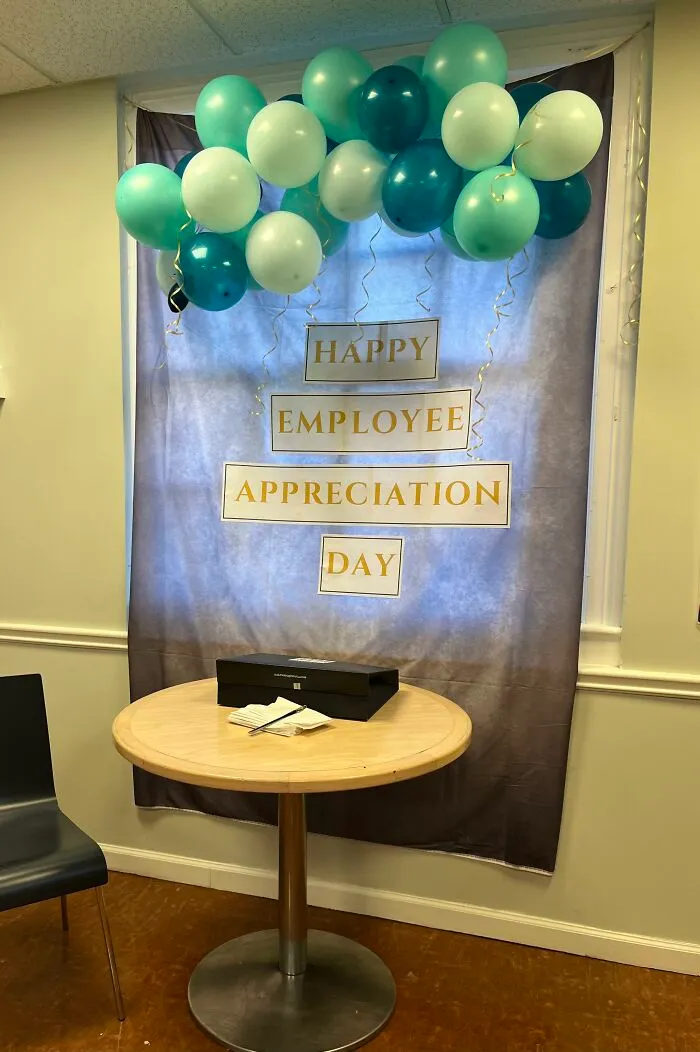
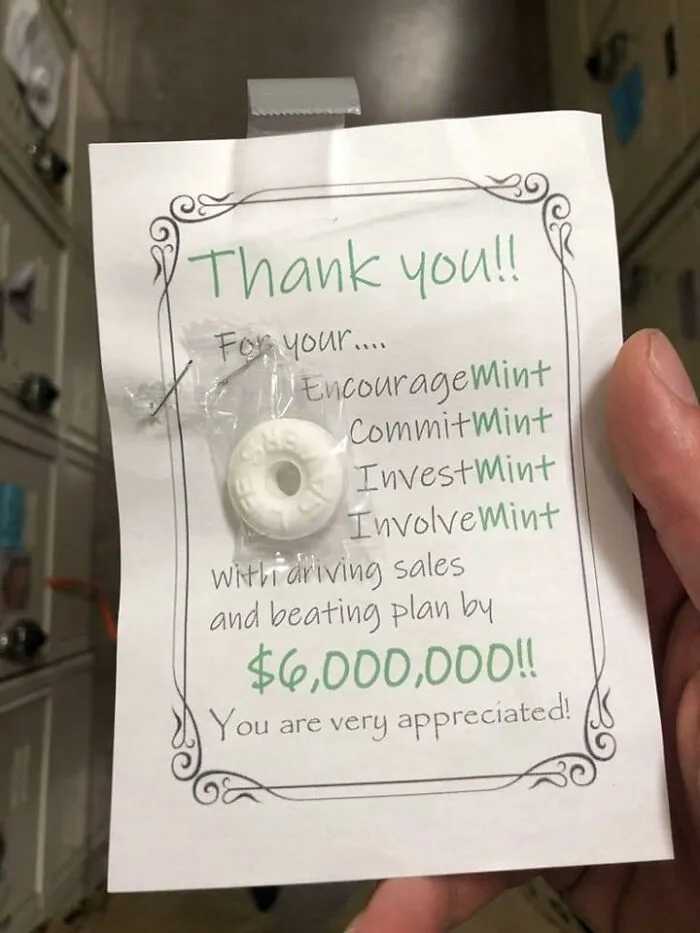
#14
#15
#16
#17
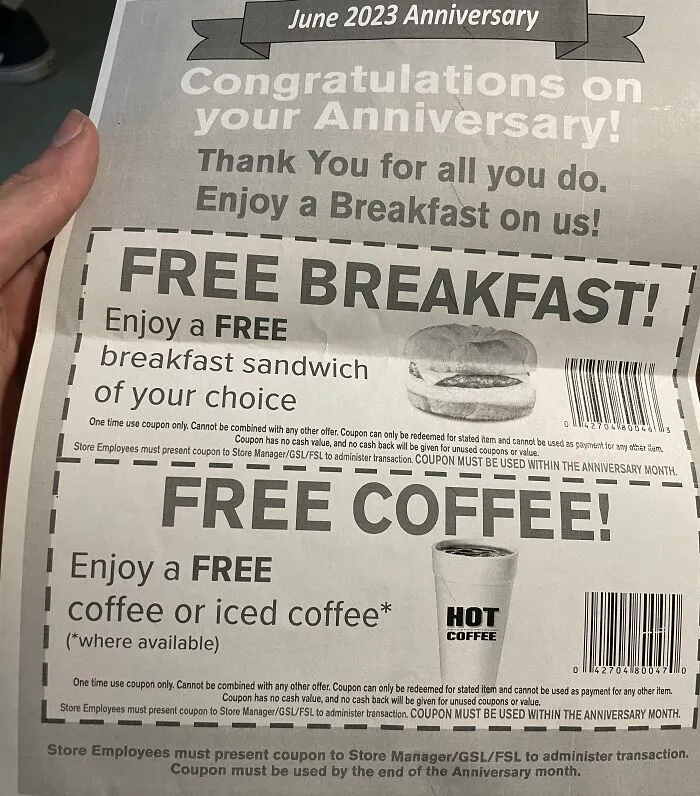
Funnily enough, these non-monetary incentives can do more harm than good for employee motivation. Organizational psychology suggests that giving someone a token gift in recognition of their efforts isn’t necessarily seen as a small, positive gesture. Instead, it can come across as an insult, triggering negative feelings.
It can even have the opposite effect on motivation. Rather than working harder in the hope of receiving monetary compensation, an employee may scale back their efforts to match the value of the cheap reward. Essentially, they may stick strictly to their job description and refuse extra tasks unless they’re compensated for them.
#18
#19
Provide a single bread roll for staff for lunch on Wednesdays. No fillings or spreads. Just a plain white bread roll.