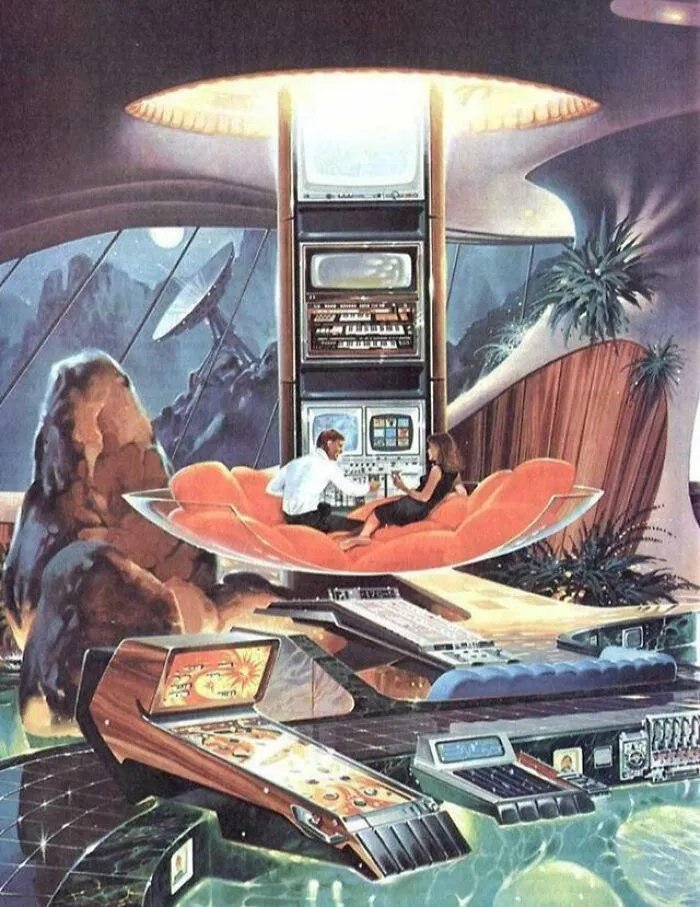




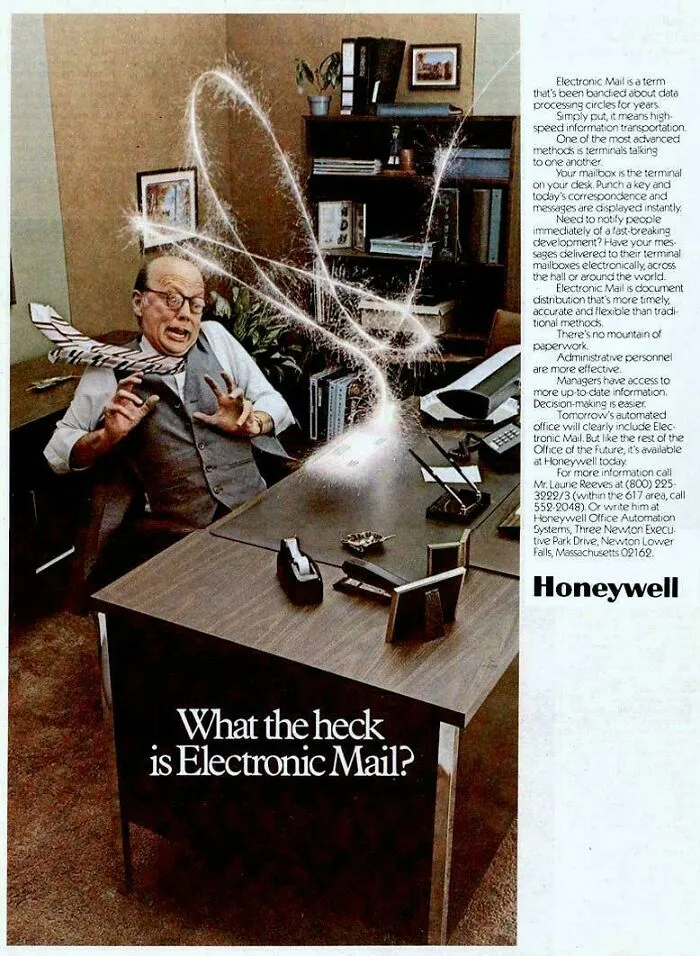
#3 "What The Heck Is Electronic Mail?" Honeywell Advertisement For E-Mail, 1981
Retrofuturism is essentially about looking at the future through the eyes of the past. In The Oxford Handbook of Science Fiction, Elizabeth Guffey and Kate C. Lemay describe it as an “ambivalent fascination for a future that never came to pass.”
The r/RetroFuturism subreddit, created in 2009, describes itself as a sub focused on “futuristic visions of eras past.” But it also notes that posts “may also contain contemporary art with a retrofuturist theme.” And that’s the thing about retrofuturism: it can look both ways. It isn’t necessarily limited to visions created in the past. In fact, the BBC describes it as incorporating “two overlapping trends: the future as seen from the past and the past as seen from the future.”
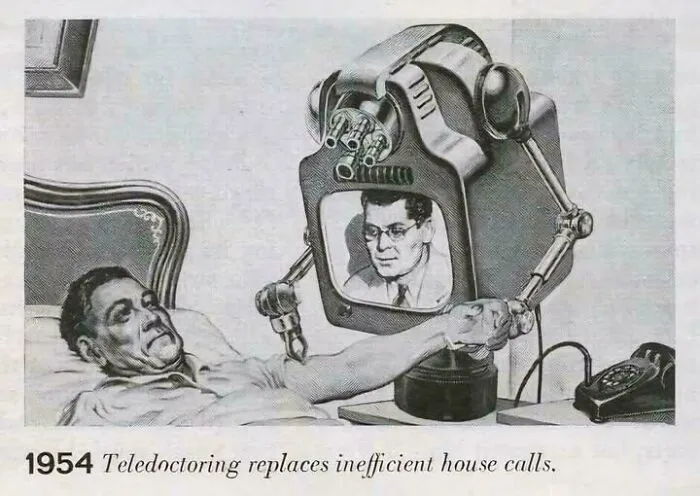
#4 "Teledoctoring" Concept. 'Science And Invention In Pictures Magazine,' 1954
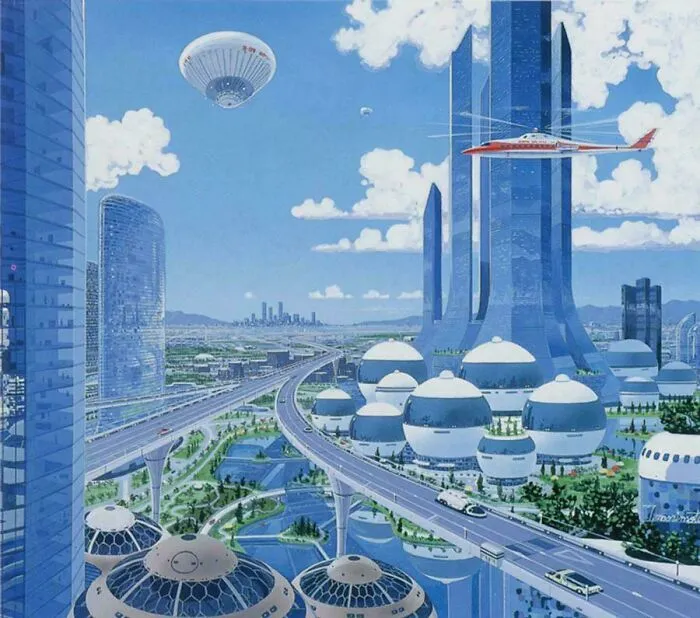
#6 "A Japanese Utopia" ("Ideal City Of The Future"). Tatsushi Morimoto. 1984
The term “retrofuturism,” Guffey and Lemay explain, was first coined in the 1980s, but it’s often associated with the futuristic visions that emerged during the early to mid-twentieth century. Notably, this was a pretty transformative era, defined by major industrial growth, global conflict, and rapid technological change. Considering, for example, the economic depression of the 1930s and WWII, it’s perhaps not surprising that, as the BBC explains, at that time, “ideas of the future began to look to the sky and into space.”
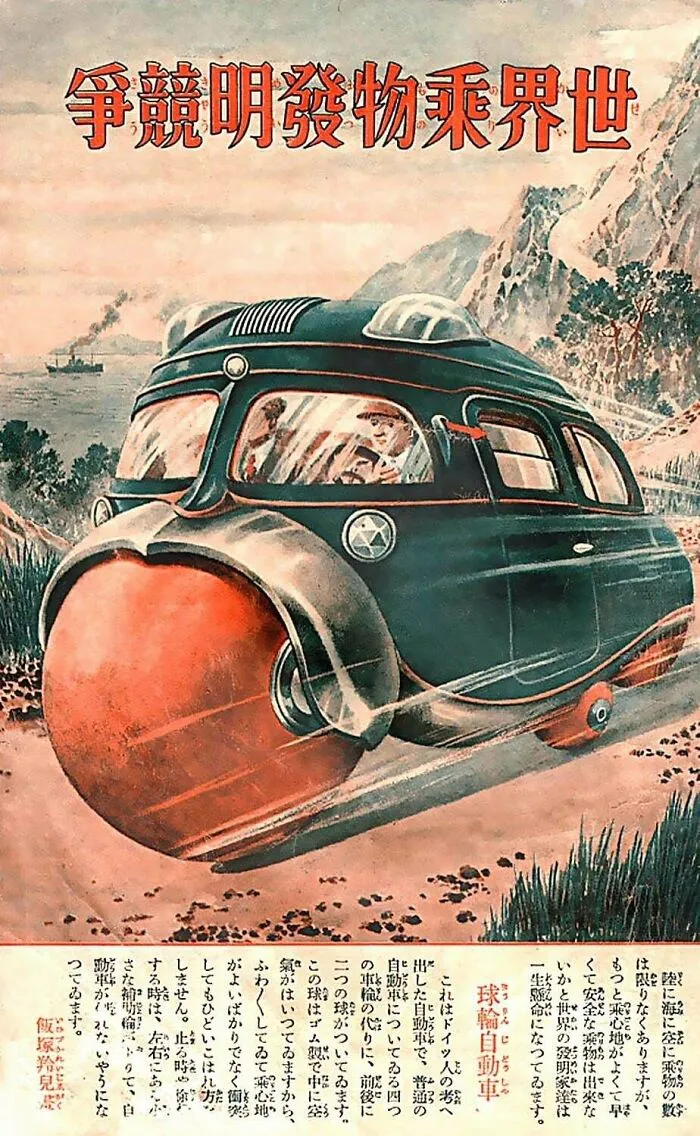
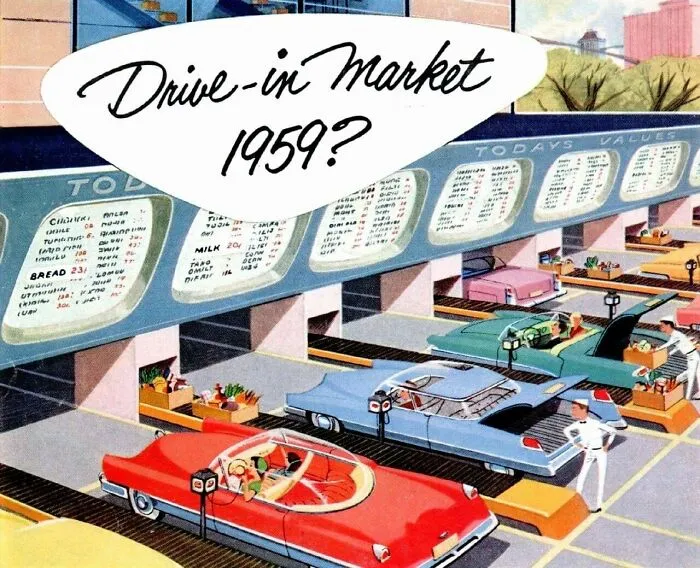
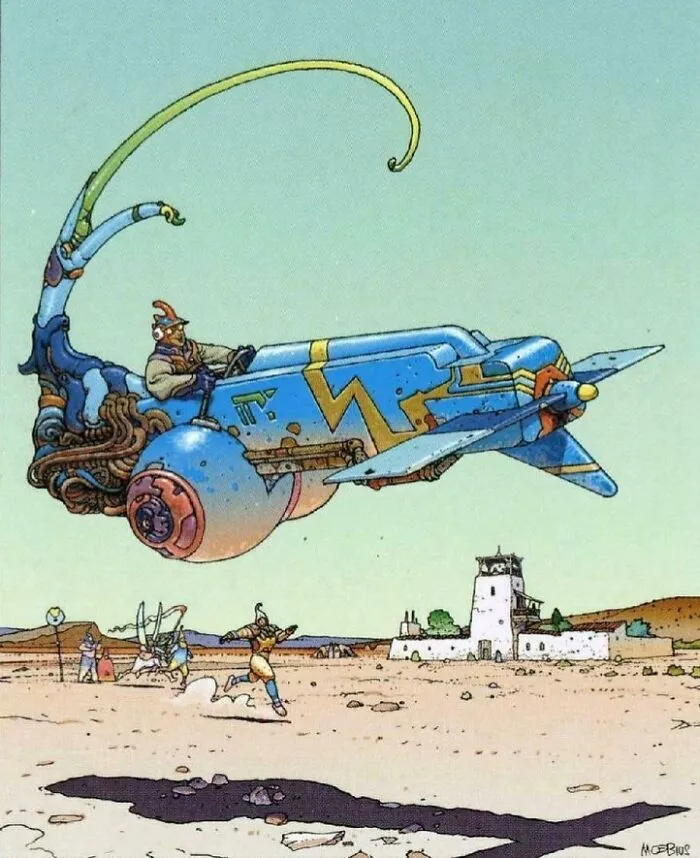
So, sure, retrofuturism helps us to see what people from an earlier era imagined (or hoped) was still to come, but those visions simultaneously tell us a lot about their present, too. That’s because every generation inevitably imagines the future from the vantage point of its own present. The technology people had encountered, the way their cities looked, the things they were excited about, and even the problems they hoped technology could solve—all this could influence what they thought the future might bring. And it’s also why a view of the future from the 1930s can look so different from one created decades later.
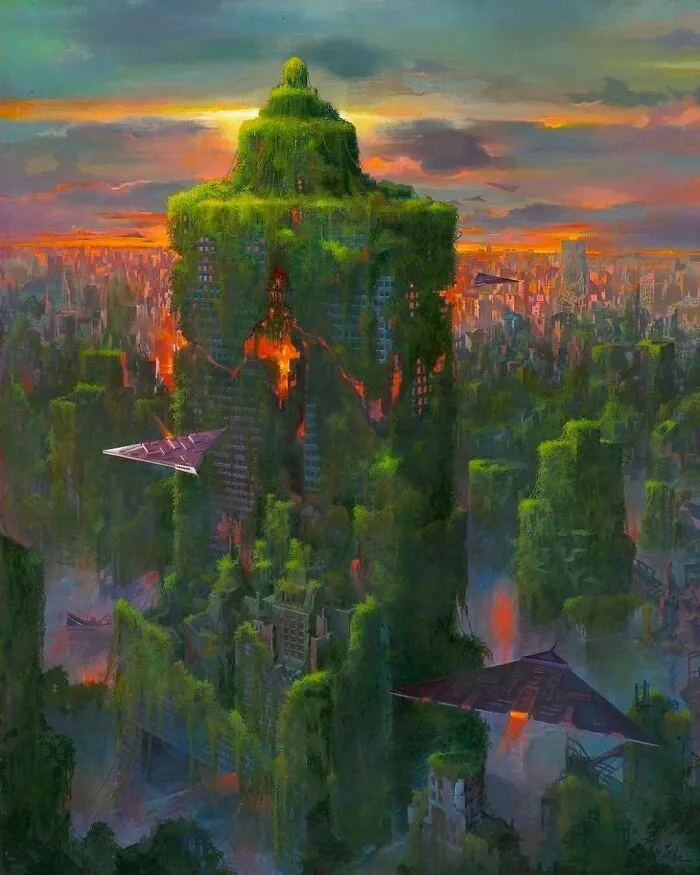
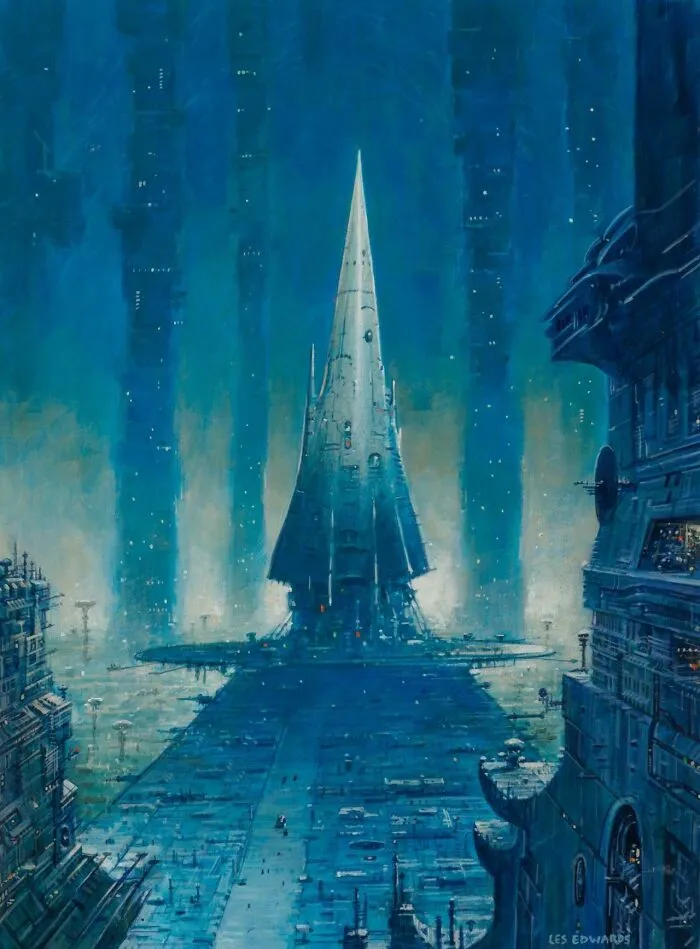
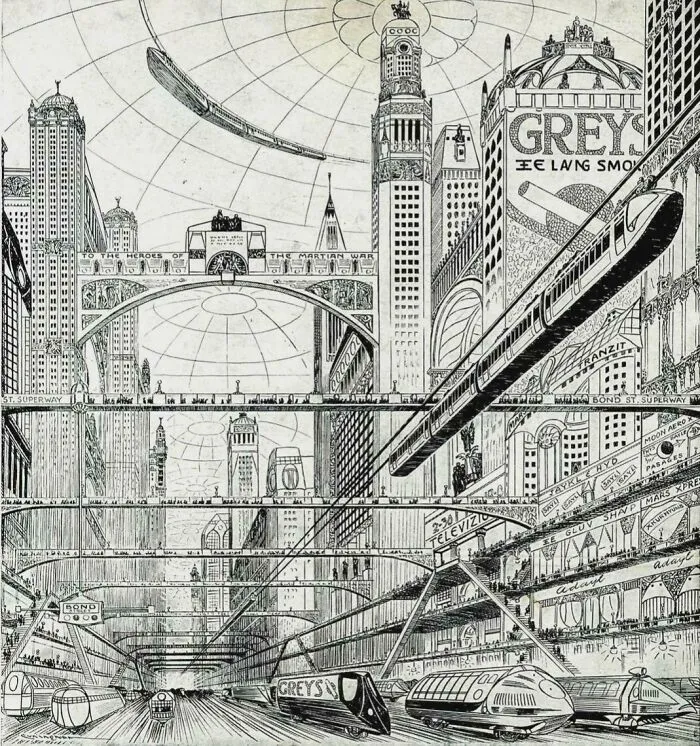
The technology depicted—like robot housekeepers and personal jet packs—is only part of what makes these visions so distinctive, though. Just as the ideas were shaped by their era, so too was the way they were presented. Futuristic buildings, vehicles, gadgets, clothing, and even aesthetic elements like typography and color often borrowed from the trends of the time, creating that unmistakable blend of the familiar and the fantastical that we now associate with retrofuturism. In that sense, it could be described as a meeting of nostalgia and imagination: we recognize the visual language, even when the world it depicts is one that never quite came to pass.
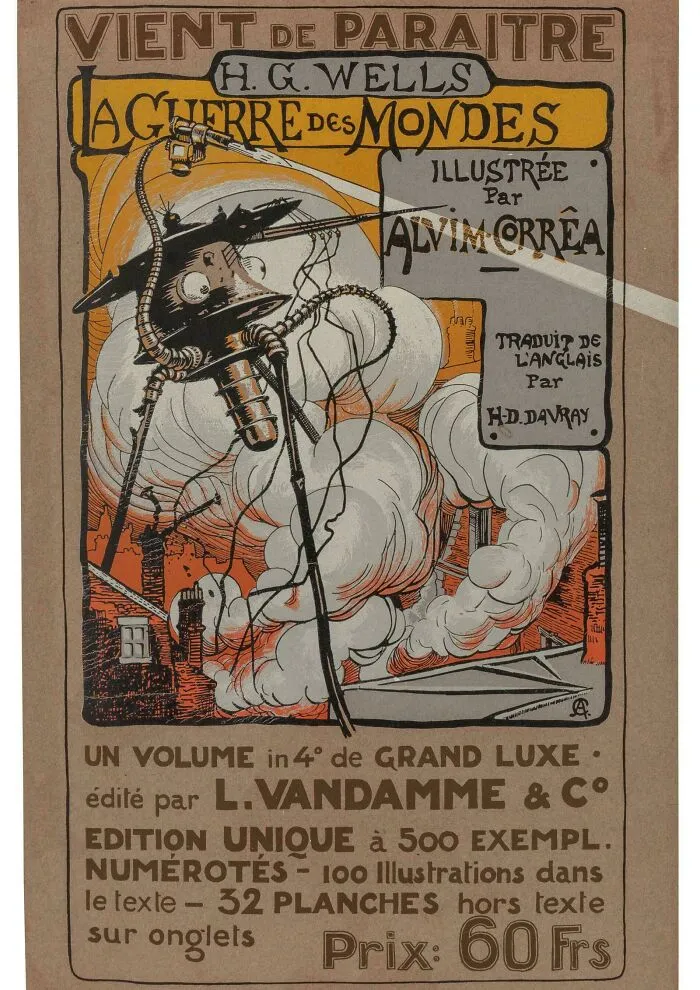
#13 The War Of The Worlds Ad Poster From Brazil, 1906. Art By Henrique Alvim Corrêa
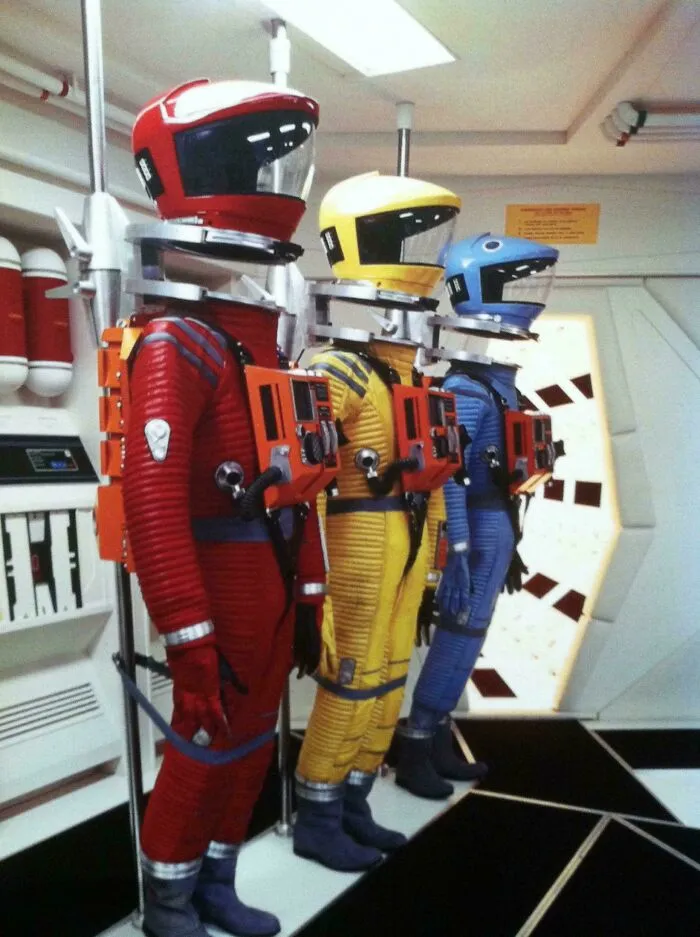
#14 Odyssey Spacesuits. 1968. For '2001: A Space Odyssey', A Stanley Kubrick Masterpiece. Designed By Harry Lange Who Had Worked With NASA & Wernher Von Braun As An Illustrator
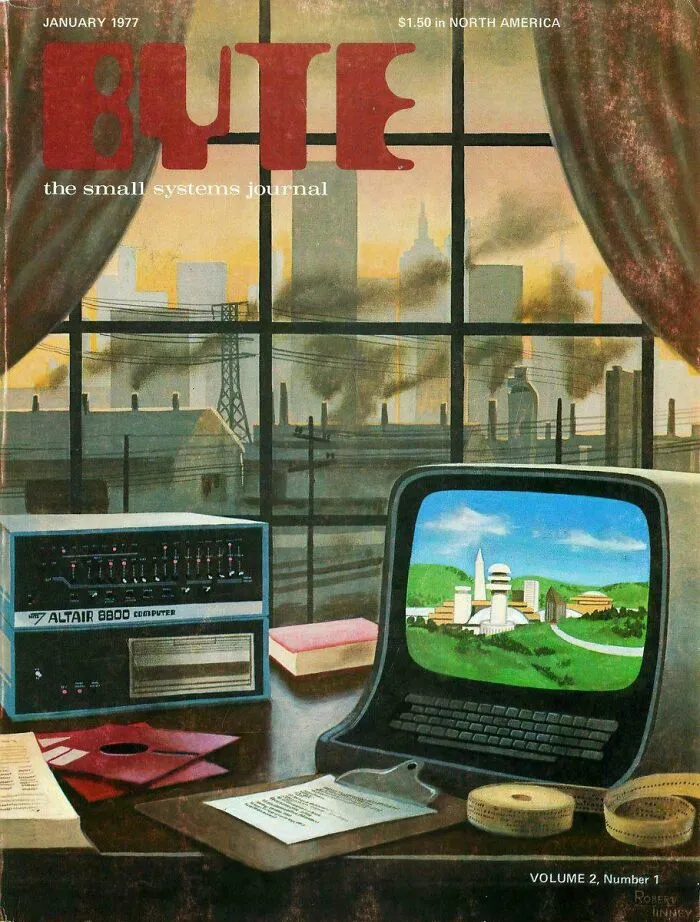
And that brings us to yet another reason why these images are so much fun to look at from the present. As one source puts it, retrofuturism “places yesterday’s rockets, streamlined cities, glowing consoles, synthetic clothes, and machine optimism beside the knowledge of what actually happened.” We have the benefit of hindsight. We know how the story turned out. Some visions came surprisingly close—think video calls, personal computers, spacecraft traveling to other planets, and increasingly automated homes. But others remain out of reach. We’re yet to build cities on the Moon or fill the skies with flying cars.
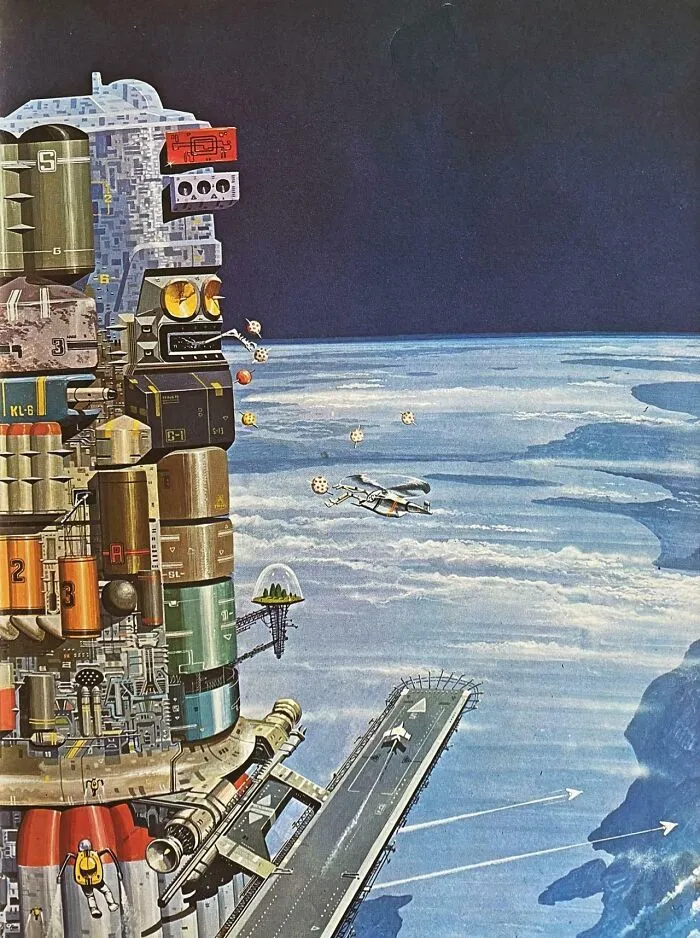
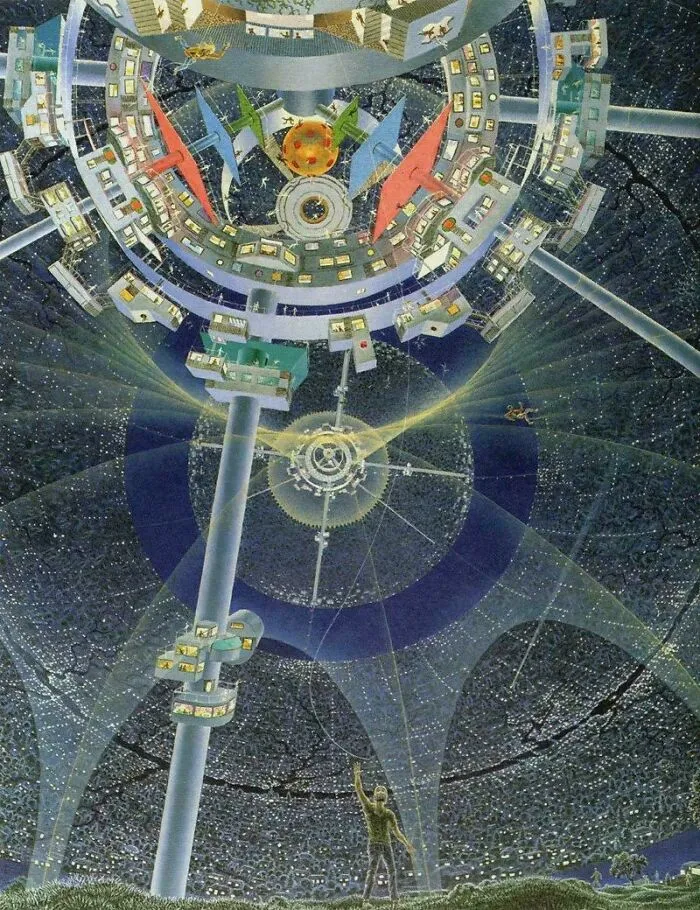
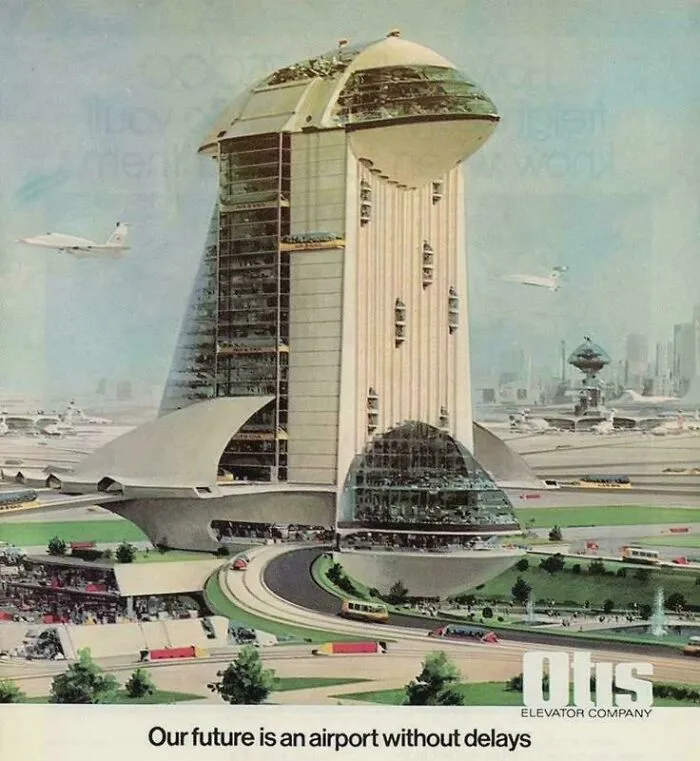
But, as the BBC puts it, “It’s in the gap between these grand visions and reality that retrofuturism playfully exists.” And it’s where some of that ambivalence that Guffey and Lemay referred to comes in—what’s been described elsewhere as the “emotional and visual friction between a promised tomorrow and the present that inherited it.” We can admire the confidence and optimism of these visions while also knowing what actually happened, including the assumptions, blind spots, and unintended consequences that may have accompanied them.