


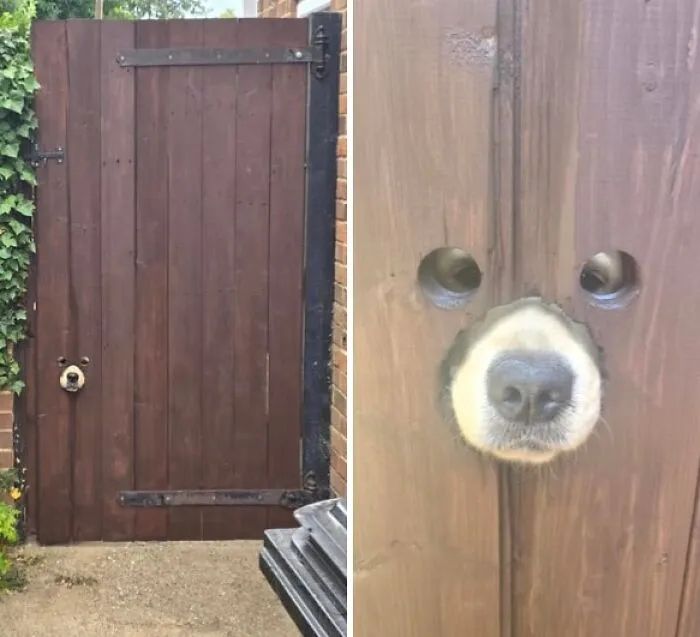
#1 I Built A New Garden Gate Out Of Old Floor Boards And Added An Additional Security Feature

“DIY culture is having a major moment,” at least according to Elle India’s Unnati Sheth, and in recent years, we’ve seen “maker culture” on the rise. If your algorithm is anything like mine, you probably only need to take a short scroll through your Instagram Reels to see what I mean.
But as London’s Science Museum explains, the idea of “doing it yourself” is nothing new. People have been making, mending and tinkering for hundreds of years, taking part in “productive leisure” either for luxury or, more often, out of necessity.
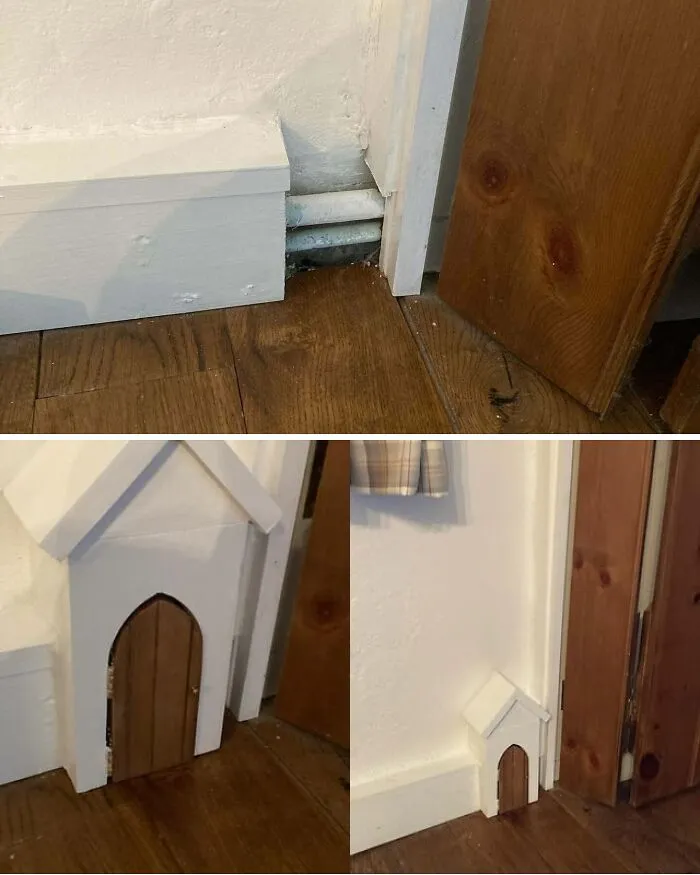
#4 My Dad Went With A Creative Approach To Covering A Gap In His Skirting Board Where A Radiator Was Removed

The postwar period of the 1950s and ’60s, the Science Museum explains, saw an explosion in DIY, helped by rising homeownership, better pay, more leisure time, and a shortage of skilled labor. This surge, they explain, was fuelled by new media: TV programs and magazines began to bring practical advice into people’s homes.
At first, the Science Museum notes, the magazines focused on “the basics like bricklaying or wallpaper hanging” (pretty ambitious “basics,” if you ask me), broadening out over time to reflect “the widening skills and interests of the nation’s DIY enthusiasts” by covering things like furniture or interior design.

The movement soon developed its own stores and products, too. B&Q, for example, was founded in Southampton in 1969. Today it describes itself as “the UK’s leading home improvement and garden living retailer with over 311 stores throughout the UK and Ireland.”
And while DIY has changed considerably since those early days—gradually expanding beyond home improvement to encompass everything from arts and crafts to making and repairing all kinds of things—the business built around helping people do it themselves has only continued to grow around the world.
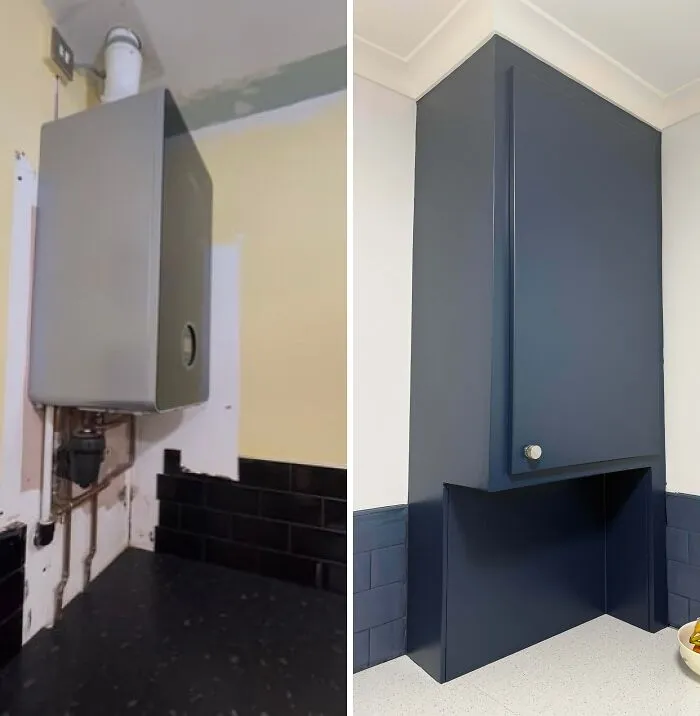
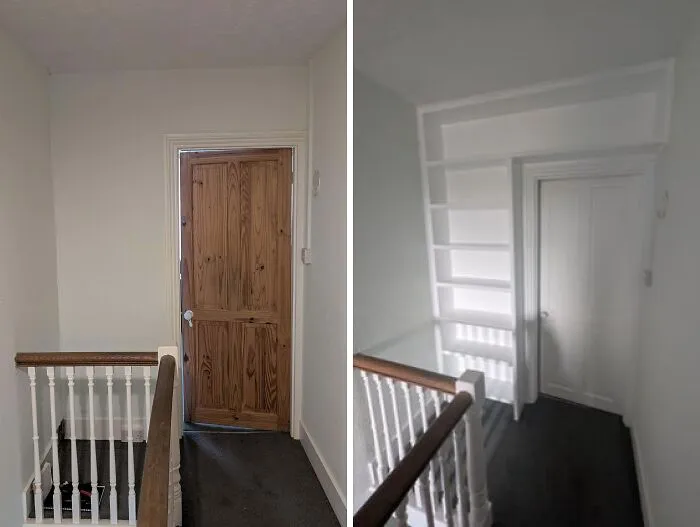
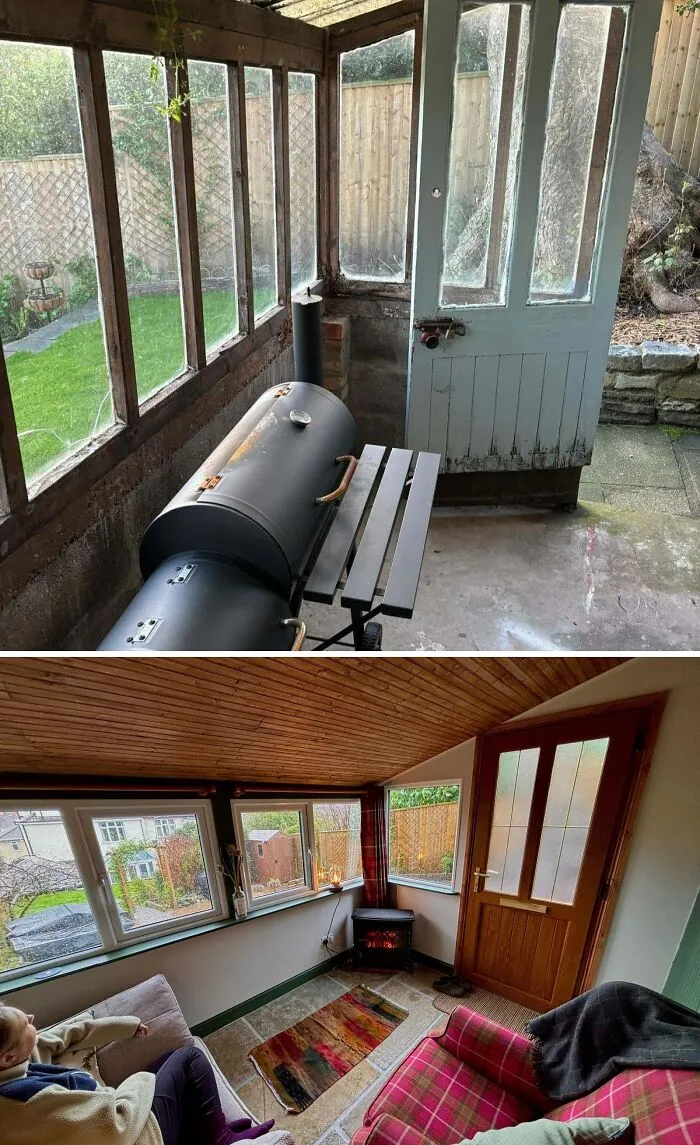
Statista estimates that revenue in the global DIY and hardware store market reached $3.09 trillion in 2026, with the market expected to grow at an annual rate of 2.4% through 2030. The category covers everything from tools, building materials, and paint to bathroom fixtures and floor coverings, giving some sense of just how broad the DIY and home-improvement market has become.
The UK market is expected to grow, too, with Statista forecasting continued increases in DIY and hardware revenue between 2026 and 2030. But while the numbers give us a sense of the industry’s scale, they don’t tell us much about what’s motivating homeowners to spend that money in the first place.
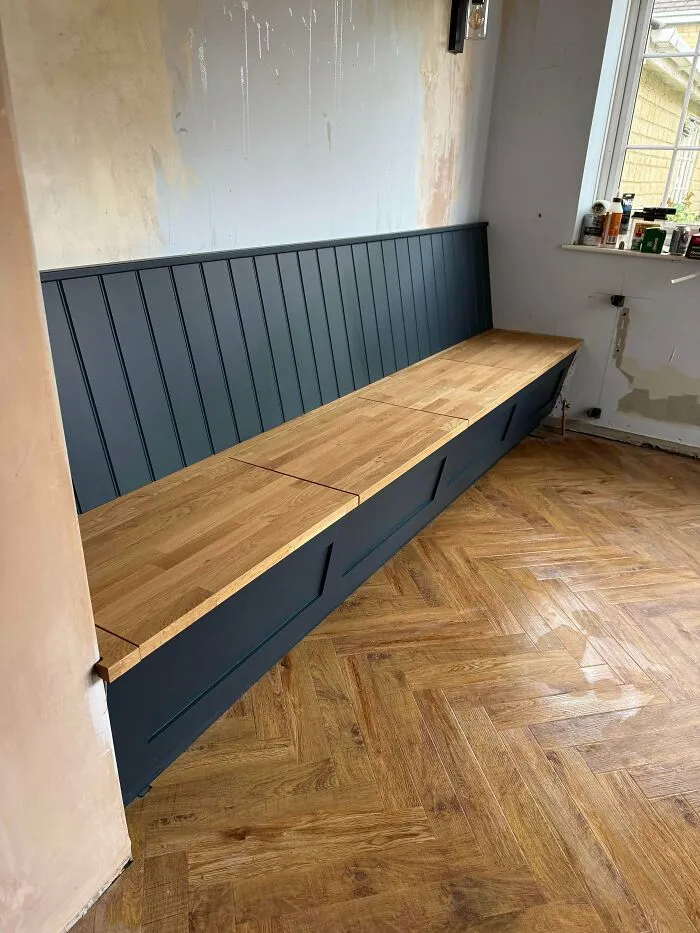
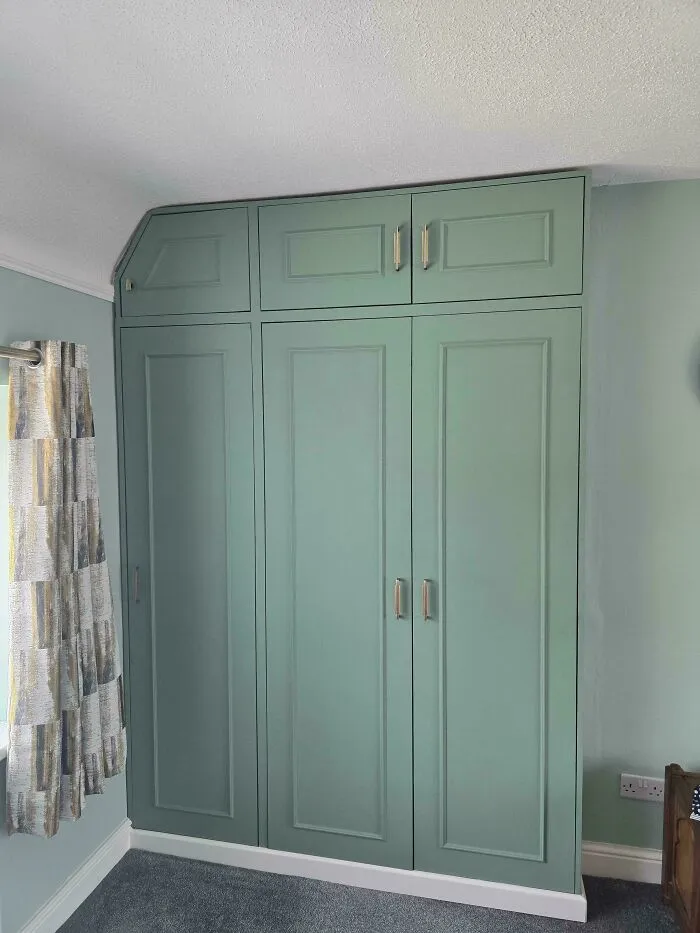
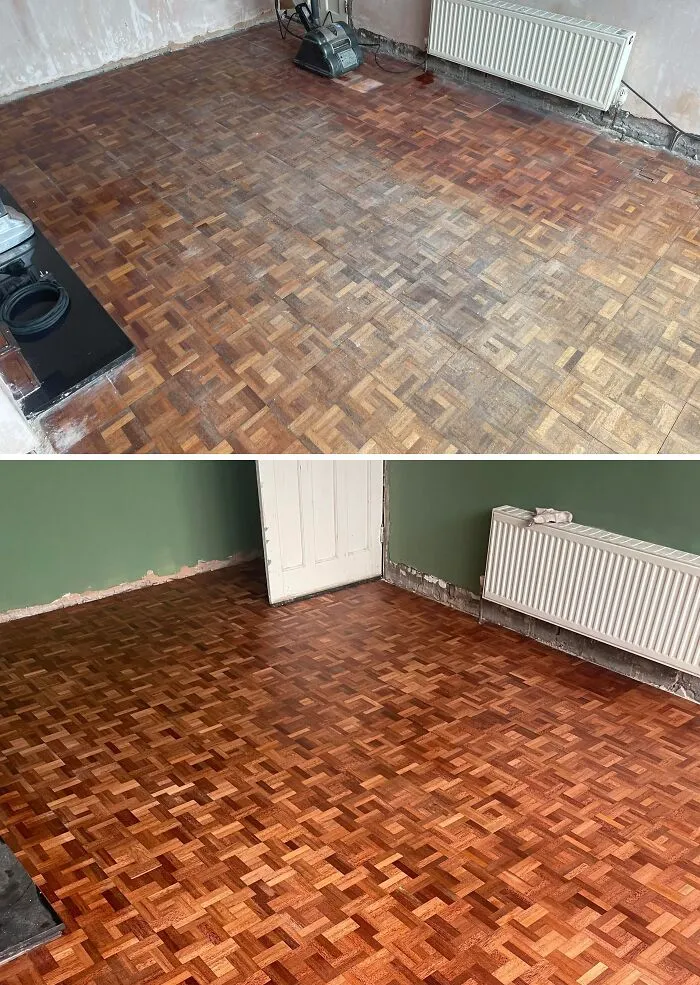
There may be a practical reason for the growing attention people are paying to their living spaces. As Statista explains, there has been a shift in recent years, with rising house prices prompting British homeowners to invest in their homes and improve them according to their needs, lifestyles, and locations. The site also identifies durability and maintenance as two key reasons British homeowners take on home improvements, particularly when they plan to stay in their property for the long term.
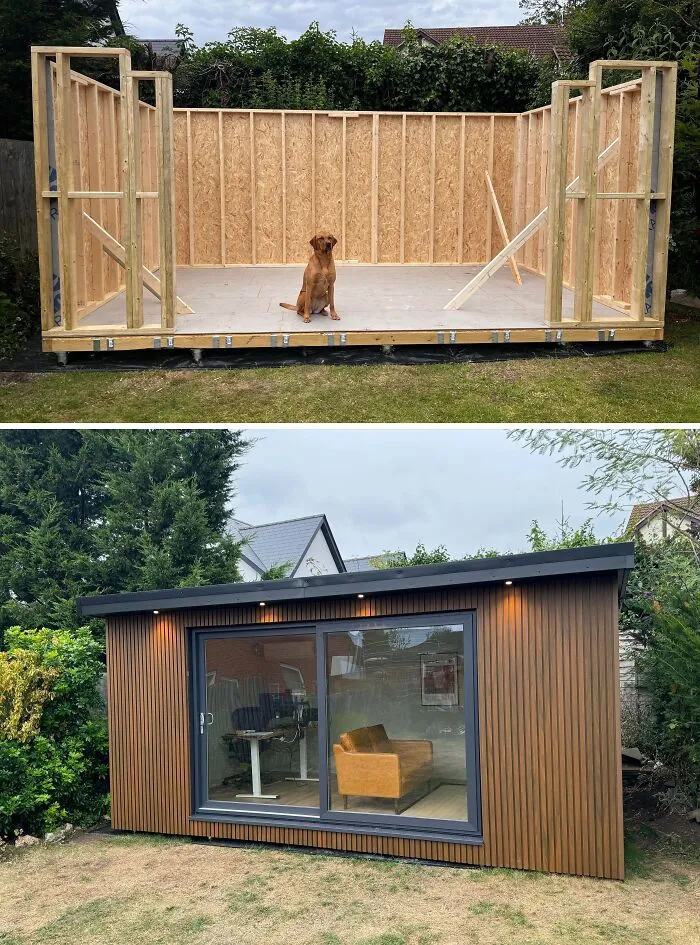
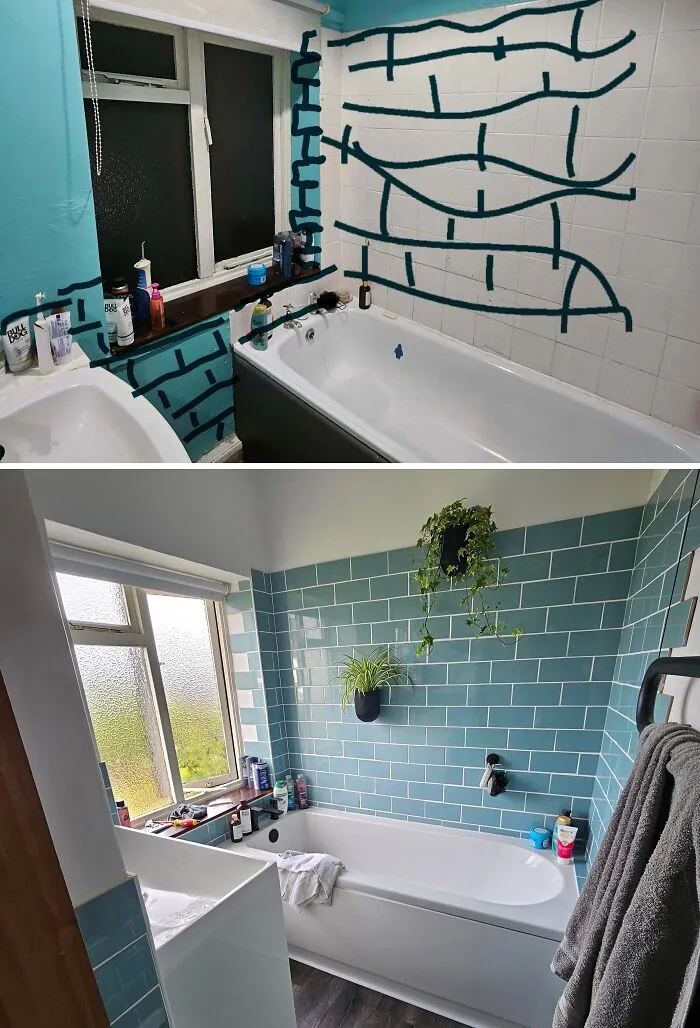
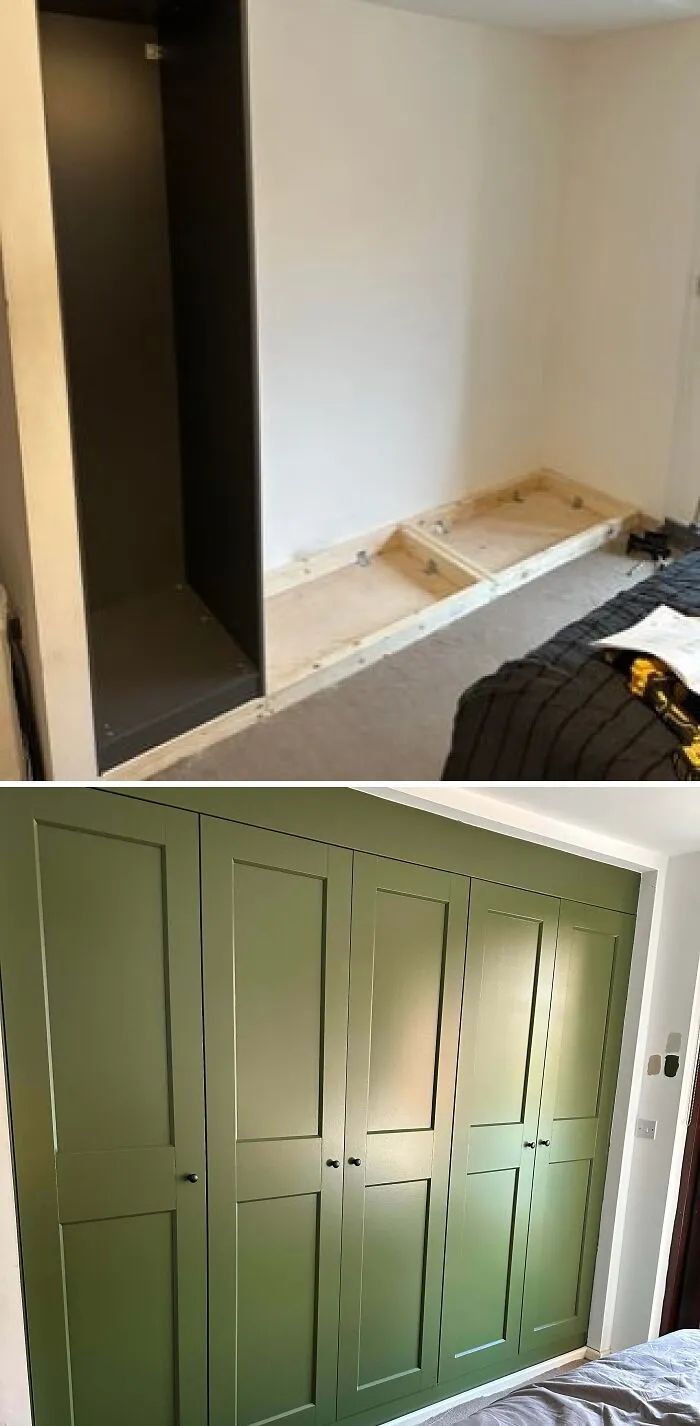
But deciding to improve your home is one thing; deciding to tackle the work yourself is another. The stats don’t exactly explain why anyone would choose to spend their precious weekends with paint chips in their hair or wrestling with flat-pack instruction manuals.
Obviously, there will always be the crafty enthusiasts who wouldn’t picture a weekend any other way, but for many, there’s also a practical incentive: taking on some jobs yourself can save on professional labor costs, while the skills you pick up along the way might come in handy for future projects.