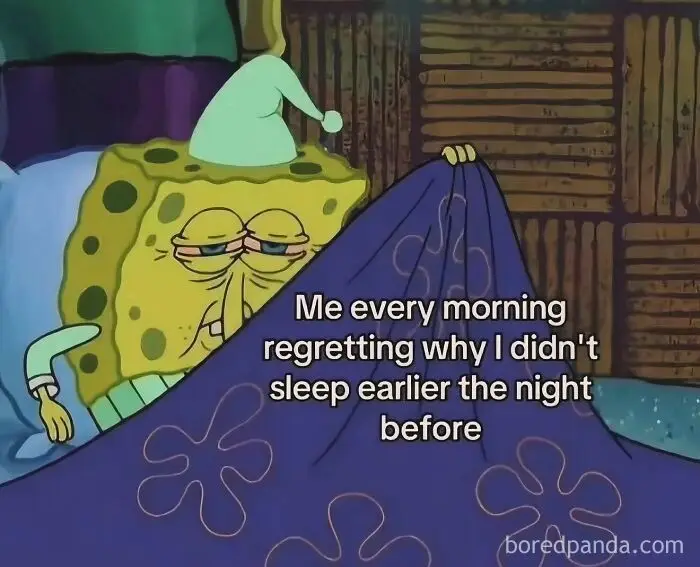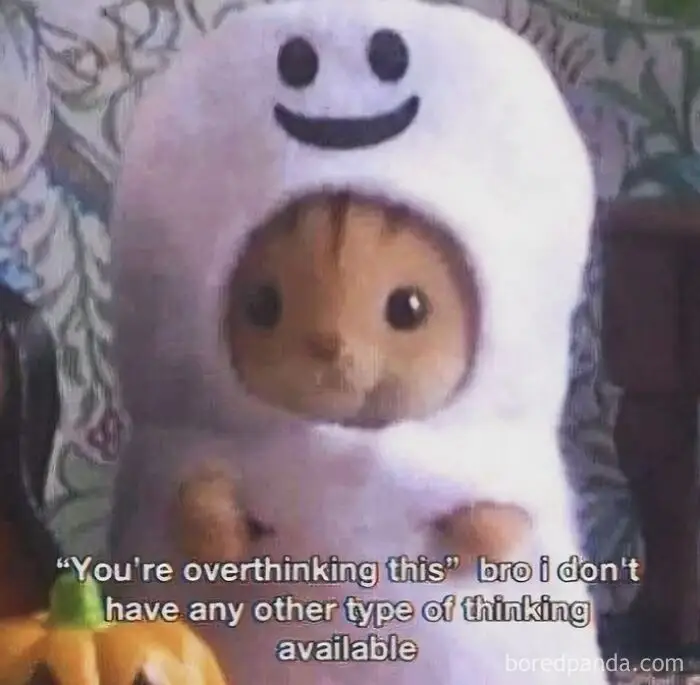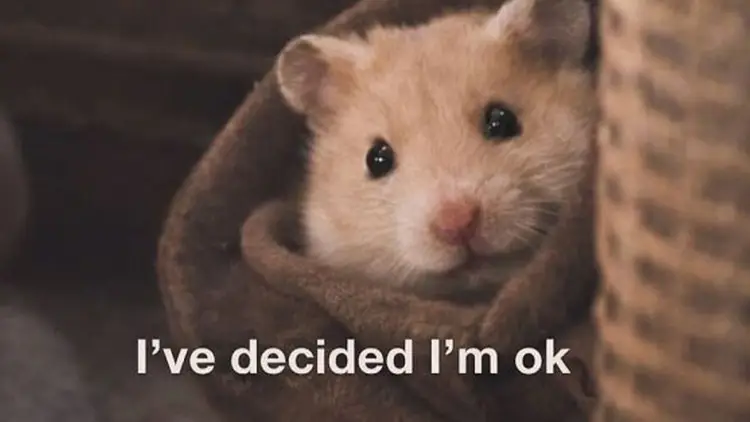


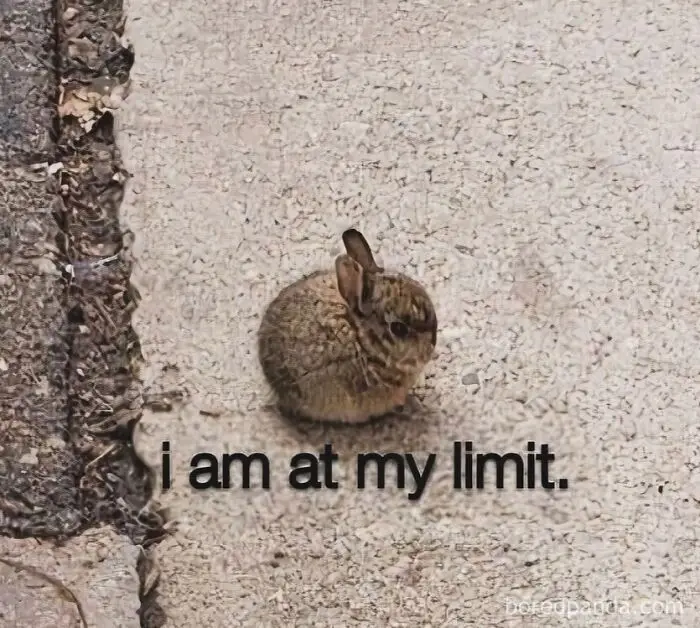
Let's be honest about what a good anxiety meme actually does. It takes a feeling that has been swirling around your head all day, attaches a goofy picture and a caption, and suddenly the whole thing looks smaller. Your brain has been treating a minor worry like a five alarm fire, and the meme gently points out that it might just be a candle. That tiny shift is a big reason these jokes land so well.
Science has a few ideas about why. In a widely cited UCLA study, researchers used brain scans to show that simply putting a name to an emotion quieted activity in the amygdala, the part of the brain that sounds the alarm.
The lead researcher compared it to tapping the brakes at a yellow light. A meme does that naming for you. Somebody has already found the perfect words, or the perfect cartoon raccoon, for the feeling you could not describe at 2 a.m., and all you have to do is nod. The format helps too. A meme is quick, visual, and needs zero explanation, which is exactly what you want when your brain has run out of energy for long paragraphs. You can take it in during a single thumb flick, smile, and move on, or save it and come back whenever the feeling returns.
Relatability is the next ingredient, and researchers have actually measured it. When people were shown pandemic memes, those who were more anxious rated them as funnier, more relatable, and more likely to be shared. The study's authors suggest reappraisal might be part of the magic, which is a fancy way of saying you get to look at a scary thing from a slightly sillier angle. The deadline is still real, but now it also comes with a dramatic piano soundtrack and a cat wearing sunglasses.
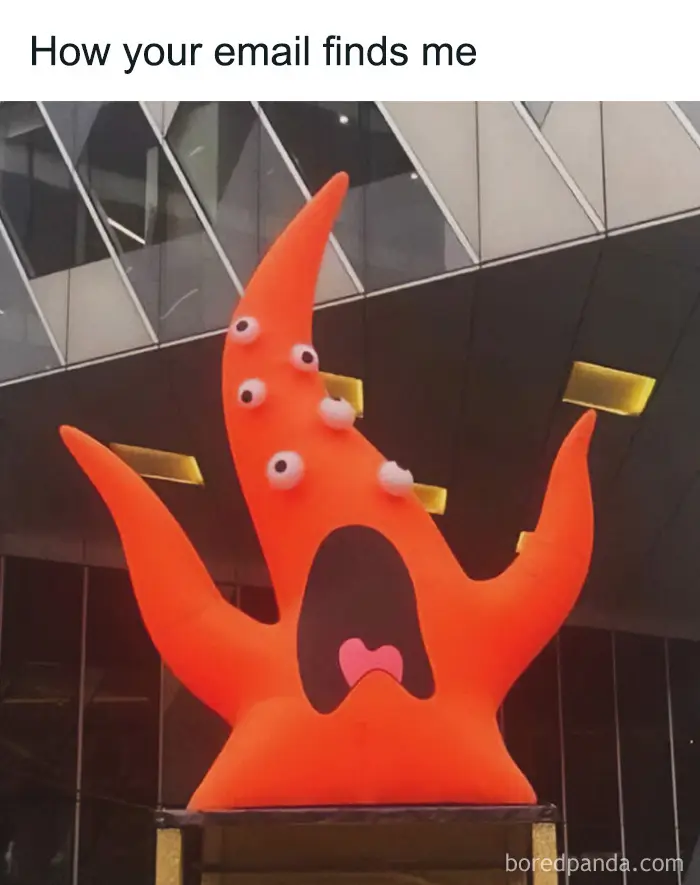
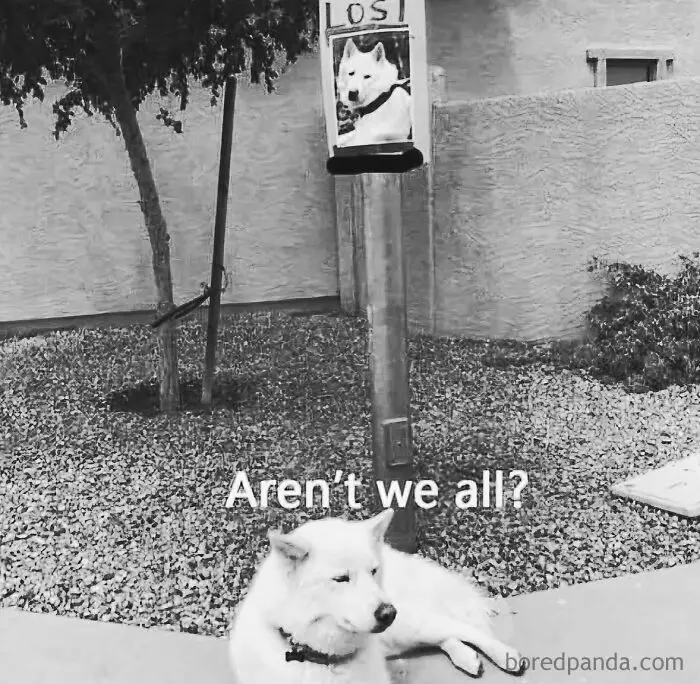
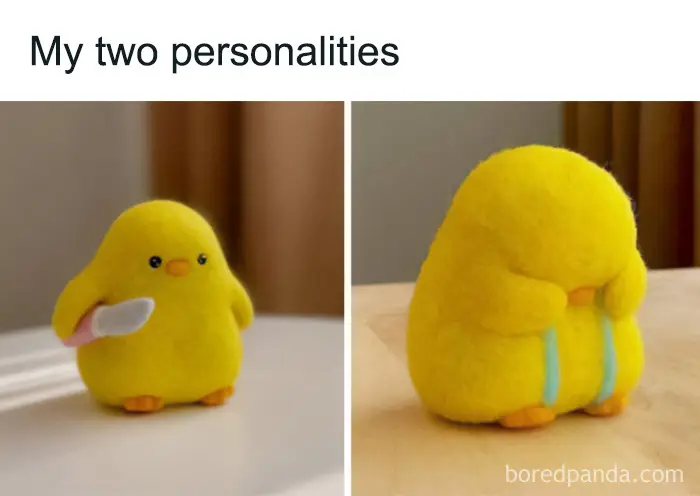
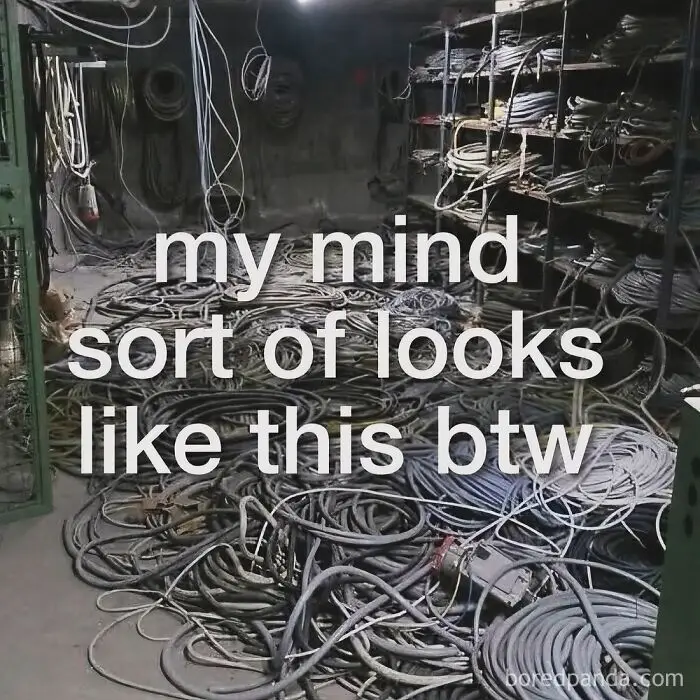
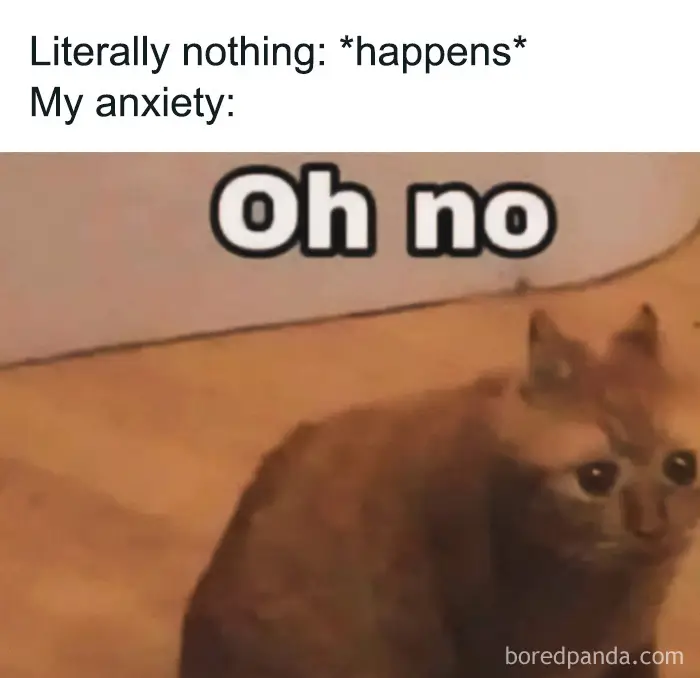
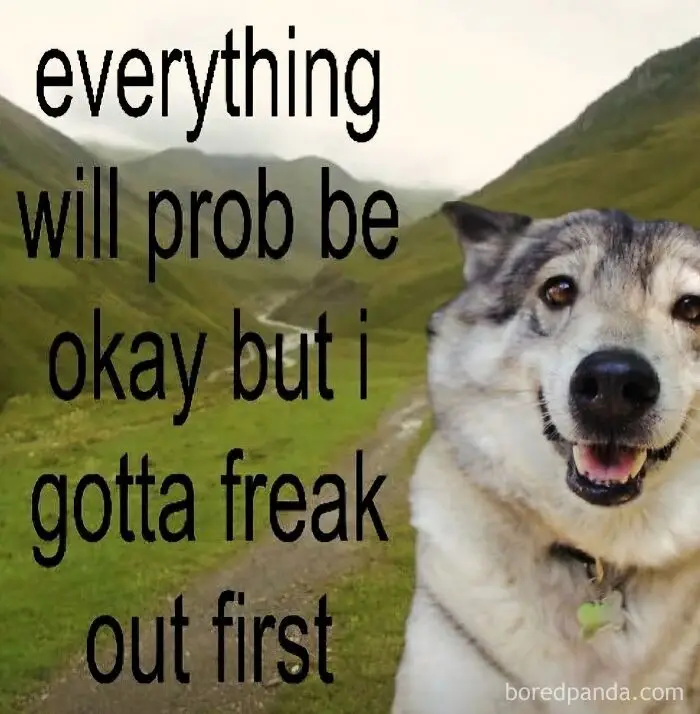
Laughing at stress is not a new trick either. Psychologists have long linked humor with better wellbeing, and a playful attitude toward life's rough patches is one of the styles that seems to help people cope. Anxiety memes are that attitude in picture form. They say yes, this is a lot, and also, look at this ridiculous little goblin of a thought.
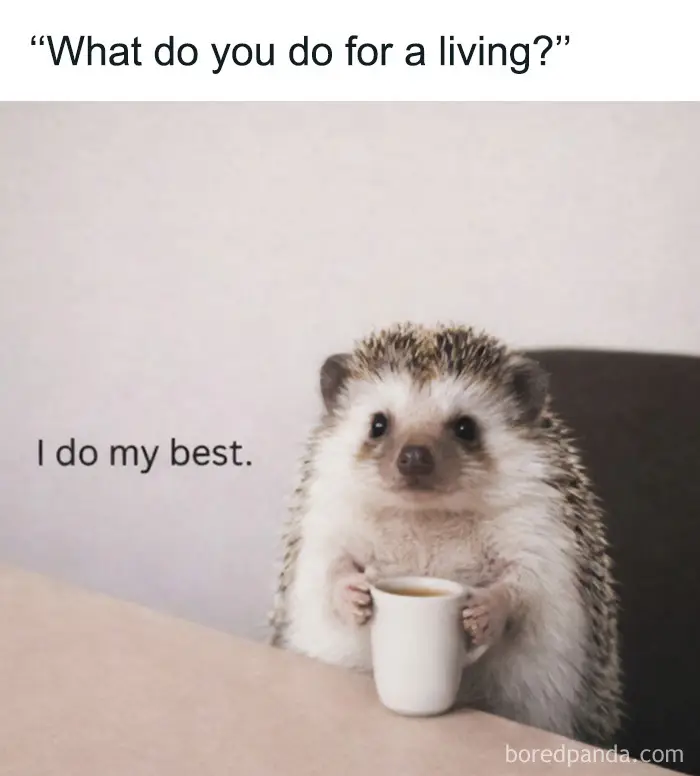
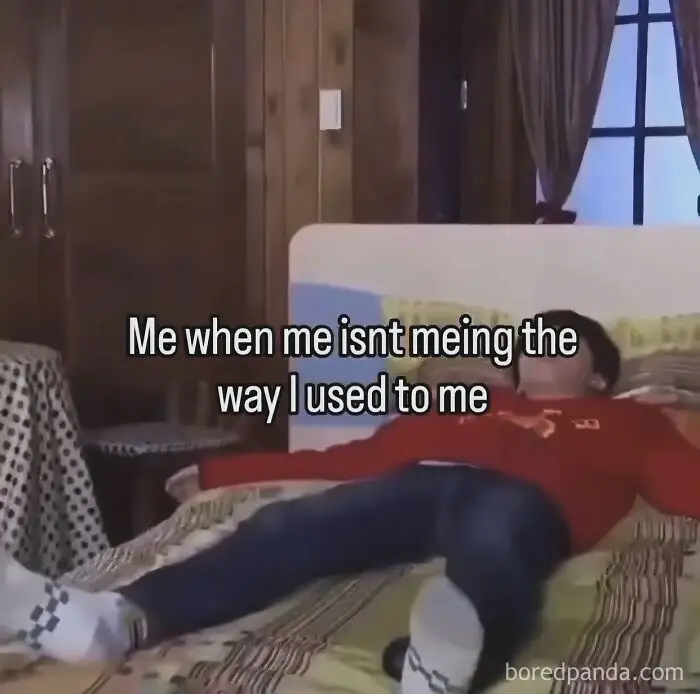
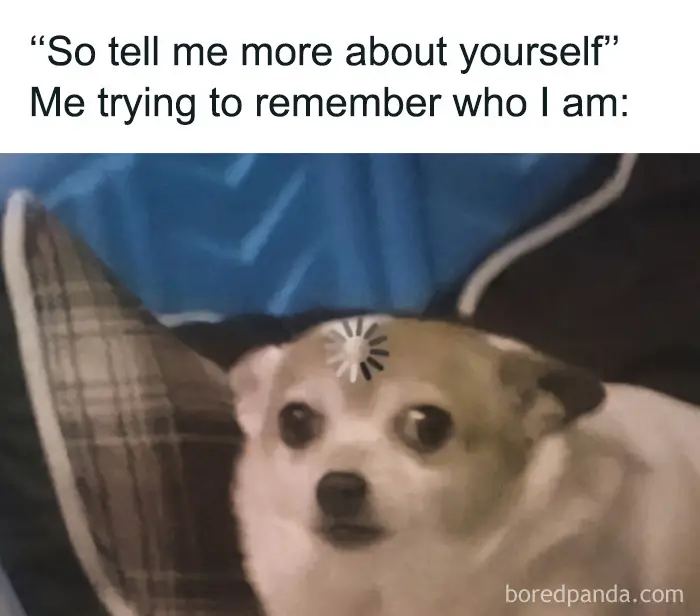
Then there is the feeling of company. In a survey of 200 people, those struggling with low mood were more likely to pass memes along to others going through similar things, and they believed those memes could lift someone else's spirits. Researchers at Sheffield Hallam University, who have studied this topic closely, say mental health memes can help people express hard emotions in fresh ways and build stronger emotional bonds with each other.