



Now, I have to admit that I’ve been vegan for a decade. So I have a lot more experience eating plant-based and educating myself on veganism than the average person. But if you’re not familiar with this lifestyle, don’t worry. We’ll break it down for you.
Simply put, the Vegan Society defines veganism as “a philosophy and way of living which seeks to exclude—as far as is possible and practicable—all forms of exploitation of, and cruelty to, animals for food, clothing or any other purpose.” This means removing animal products completely from your diet and refusing to purchase any products that come from or were tested on animals.


While people often tend to focus on the dietary aspects of veganism (which is understandable, considering we all have to eat multiple times a day), it also extends to leather products, cosmetics that are tested on animals, wool, and more.
There are gray areas, of course. Some vegans might not see anything wrong with purchasing second-hand leather shoes from a thrift store. But in general, that’s the goal: avoid purchasing or promoting anything that exploits or harms animals. Essentially, it’s all about animal welfare. And it takes things a step further than vegetarianism, because the dairy and egg industries are absolutely horrific towards animals as well.

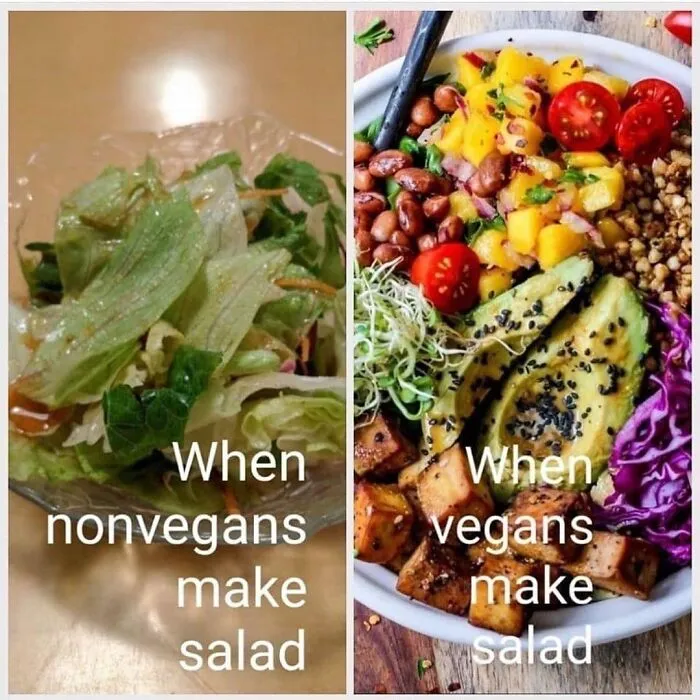
Many vegans choose this lifestyle due to their love and/or respect for animals. They believe that we as humans don’t have the right to exploit or use animals for our own purposes, especially in this day and age, where the vast majority of us are getting our food from grocery stores. When beans, lentils, tofu, oat milk, and vegan cheese are right there on the shelf, you don’t have to purchase meat and dairy. You’re not out hunting for it! But there are countless other benefits that many vegans experience after making the switch.
One of the biggest misconceptions about being vegan is that it’s unhealthy, unsustainable, or even dangerous. But that’s simply not true. Time and time again, doctors agree that a well-planned vegan diet can be just as, or even healthier, than an omnivore diet. In fact, many people report experiencing healthy weight loss, lower blood sugar levels, a lower risk of diabetes, a lower risk of certain cancers, a lower risk of heart disease, and an overall increase in wellbeing.
Meanwhile, heart disease is the most fatal health issue impacting Americans. So clearly, a diet full of animal products won’t necessarily make you healthy. (And if you're not concerned about eating healthy, there are plenty of recipes out there for vegan chocolate cake or vegan mac and cheese too!)
But if you don’t care about the animals or your own health, perhaps you care about the future of the planet? If you have children or grandchildren, you probably want them to live in a world that has reasonable temperatures, clean water, and fresh air. But the animal agriculture industry is one of the leading causes of greenhouse gases, responsible for between 12% and 20% of the world’s greenhouse gas emissions.
At the same time, it takes 1,800 gallons of water to create one pound of beef, compared to only about 300 gallons to create one pound of tofu. Oh yeah, and 300 calories of tofu has the same amount of protein as 300 calories of beef. So you won’t have a problem getting those gains.

Another common misconception about eating a plant-based diet is that it is expensive. People often associate it with wealthy celebrities or Angelinos who exclusively shop at Erewhon. But the reality is that a plant-based diet can be extremely accessible and affordable. We all know that egg prices have gotten crazy in recent years, but meat and dairy products certainly aren’t cheap either.
If you avoid specialty and luxury vegan products, you can make so many budget-friendly meals. Living off beans, lentils, chickpeas, grains, tofu, and frozen fruits and vegetables might actually save your household a substantial amount of money.