

This post may include affiliate links.
We all have that one friend we can communicate with almost entirely through memes. Sometimes, a funny picture sums up your Monday morning far better than a paragraph-long text ever could. Right, pandas?
Well, what's particularly interesting is that the same picture, with a slightly different caption, could perfectly describe someone else's experience too.
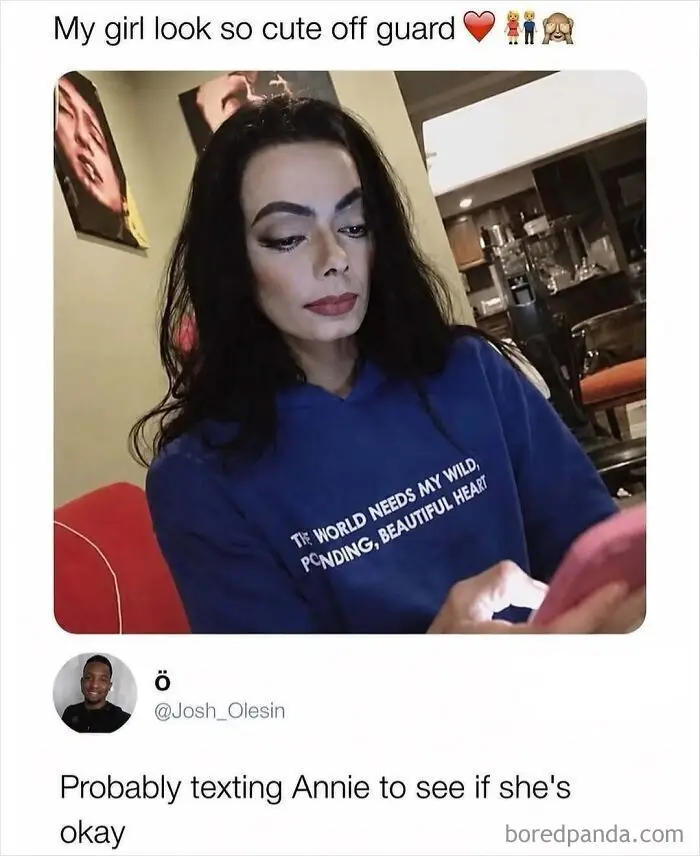
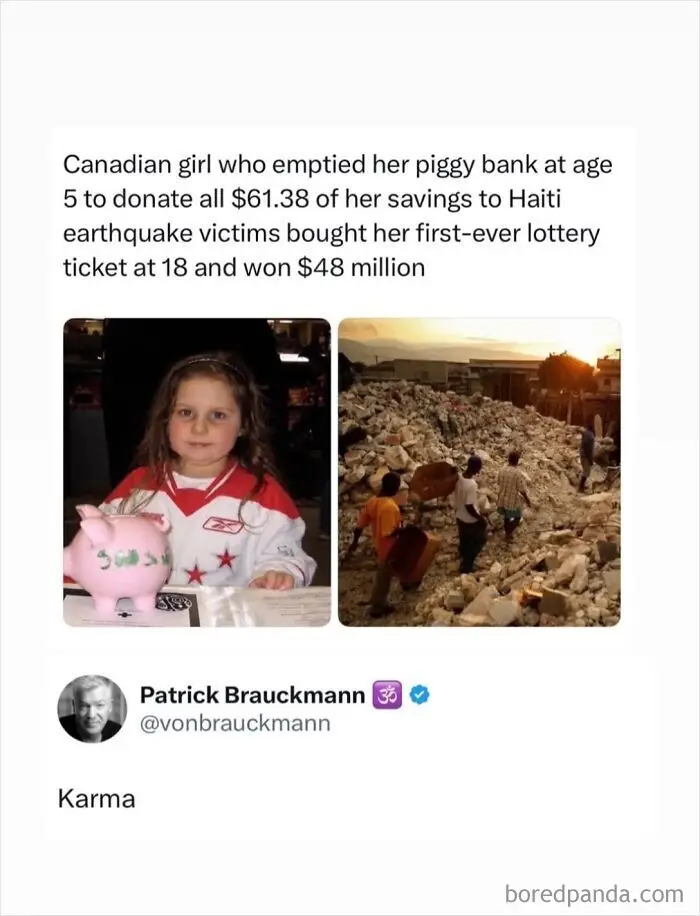

It's this ability to adapt and reinterpret content that makes memes so interesting. In her book Memes in Digital Culture, media scholar Limor Shifman explains how memes differ from viral content.
While a viral video might be shared thousands of times in its original form, memes invite people to participate. Someone might use a popular meme template to joke about parenting, while another uses it to describe their frustrations at work.
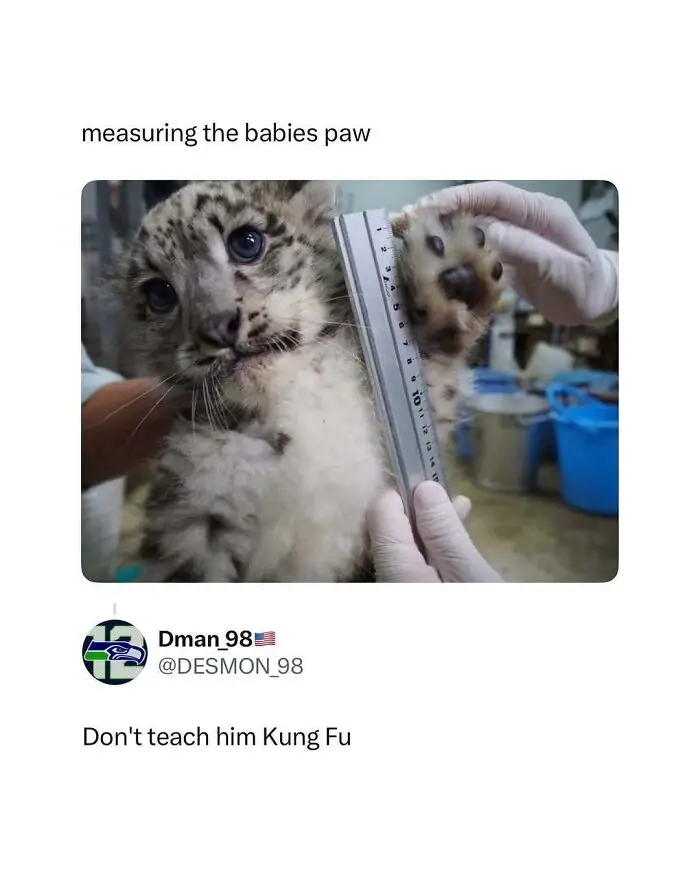
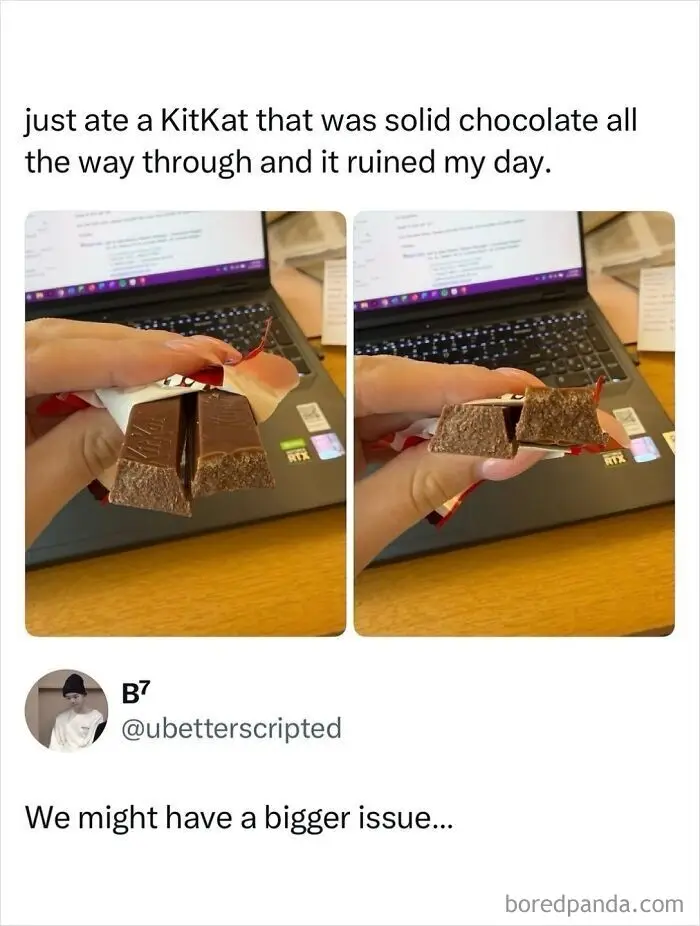
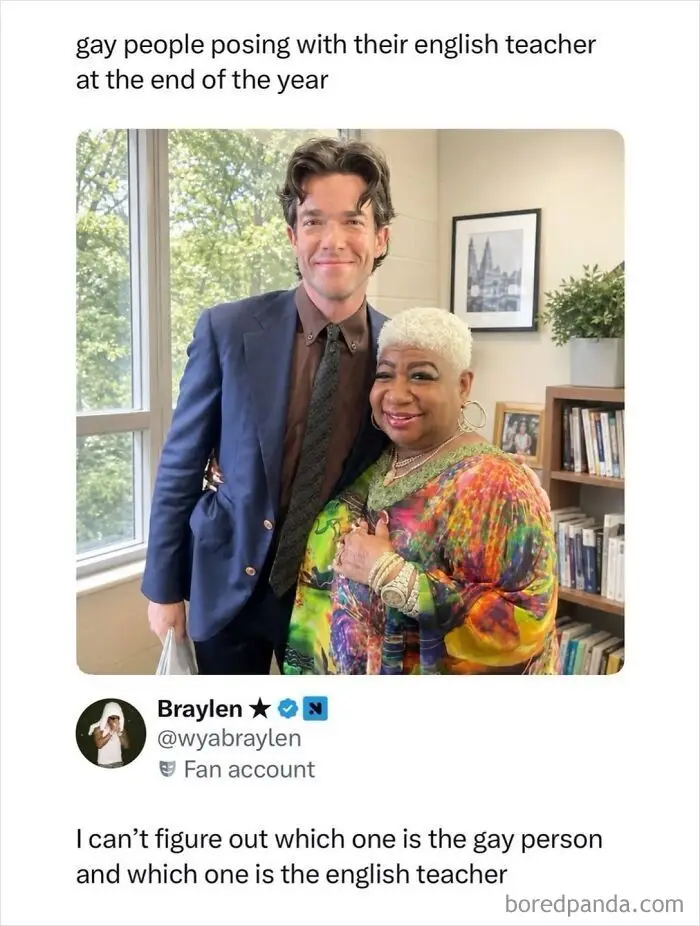
Shifman describes the modern internet as increasingly “hypermemetic,” with memes becoming an important part of how people communicate and make sense of the world around them. Sharing a meme can be a surprisingly simple way of saying, “This is so me,” or “You get it, right?”
In that sense, memes can help people express their identity and feel connected to others. Writing for Verywell Mind, Associate Marriage and Family Therapist Theodora Blanchfield similarly notes that memes can function as an important form of social currency and communication online.
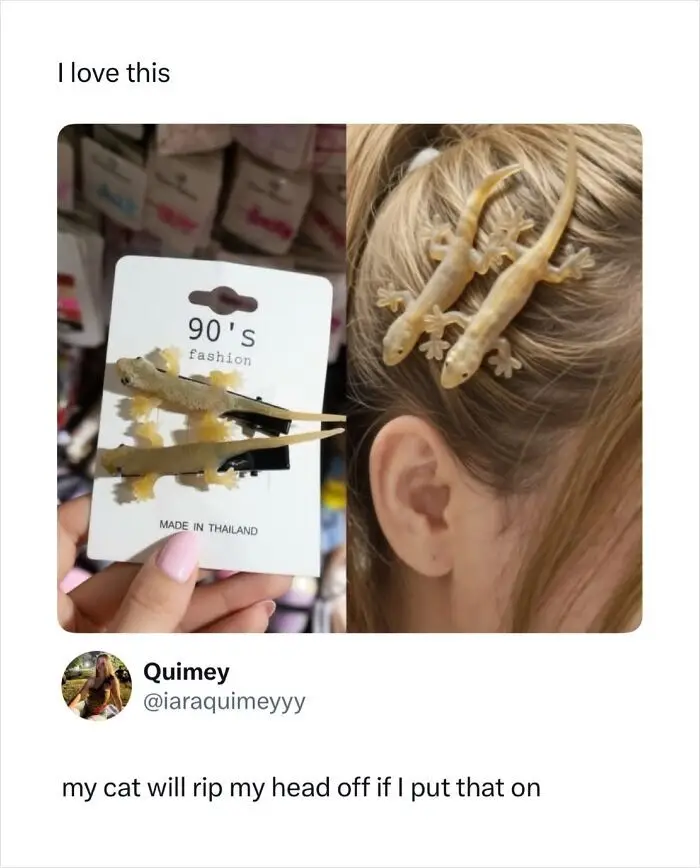
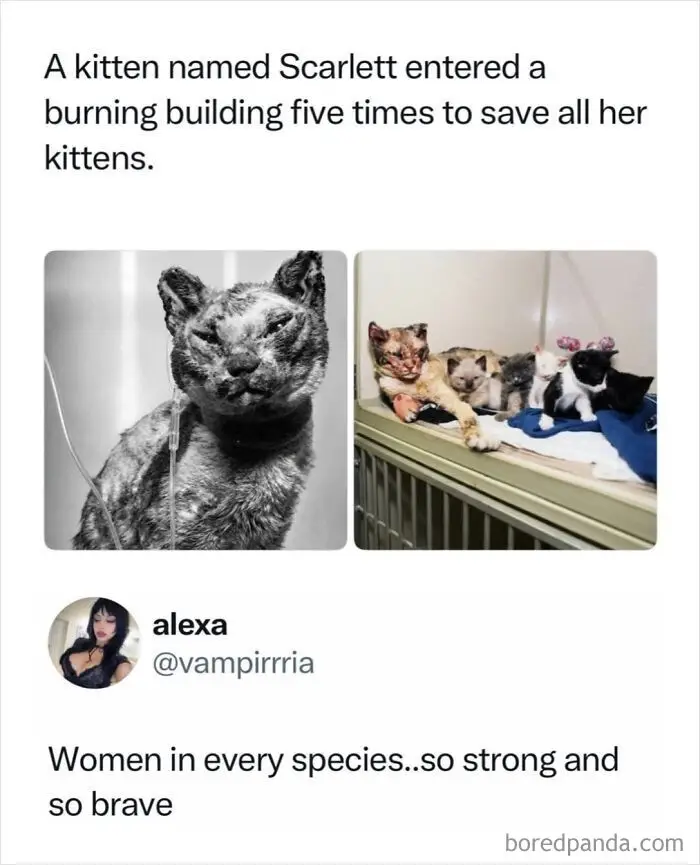

And we're not just using memes to communicate our everyday frustrations. They've also become a popular way to discuss considerably more serious topics, including politics.
Research suggests that political memes can introduce different perspectives, reach new audiences, and encourage conversations about current events. Someone who might ordinarily scroll past a lengthy political article could easily find themselves discussing the same issue after encountering a meme.
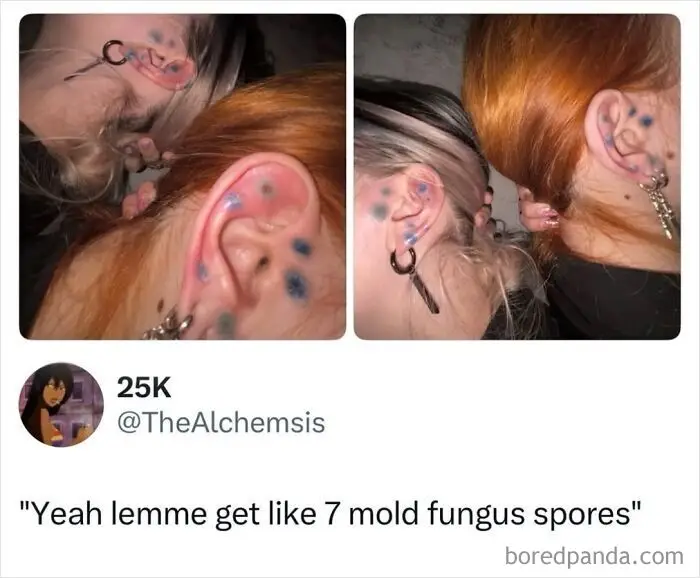
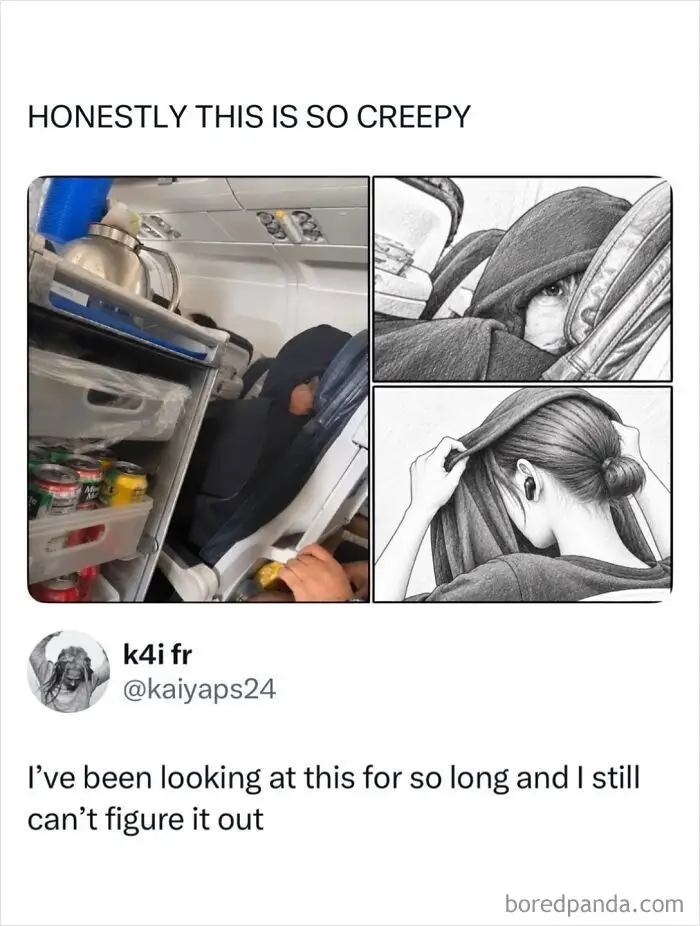
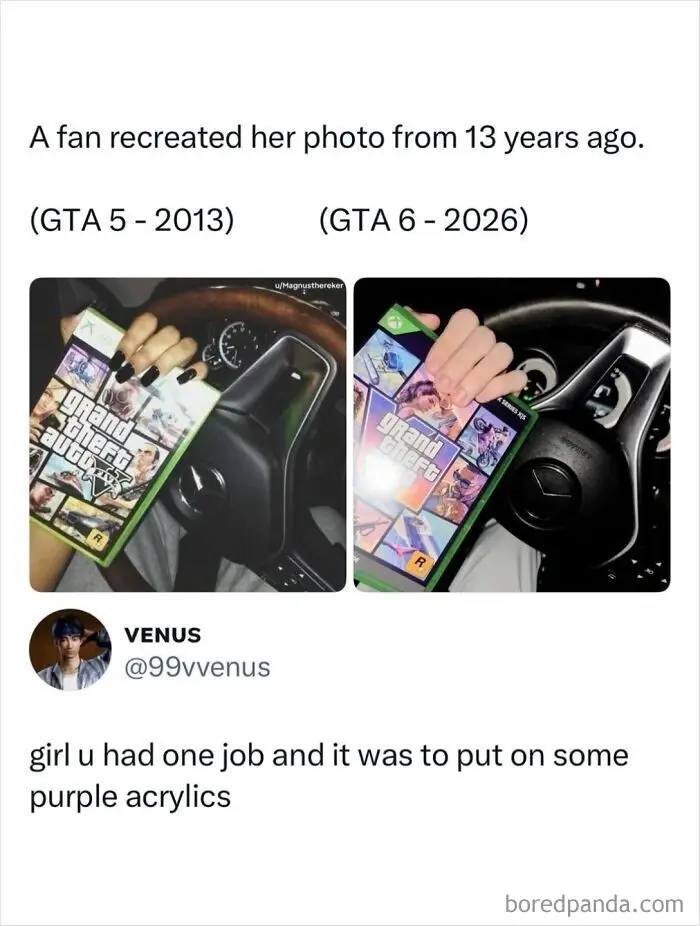
Of course, making information entertaining has its drawbacks. A cleverly worded caption can make an argument sound convincing, even when there's little evidence to support it.
And because memes are so easy to share, misleading information can quickly reach a much wider audience.
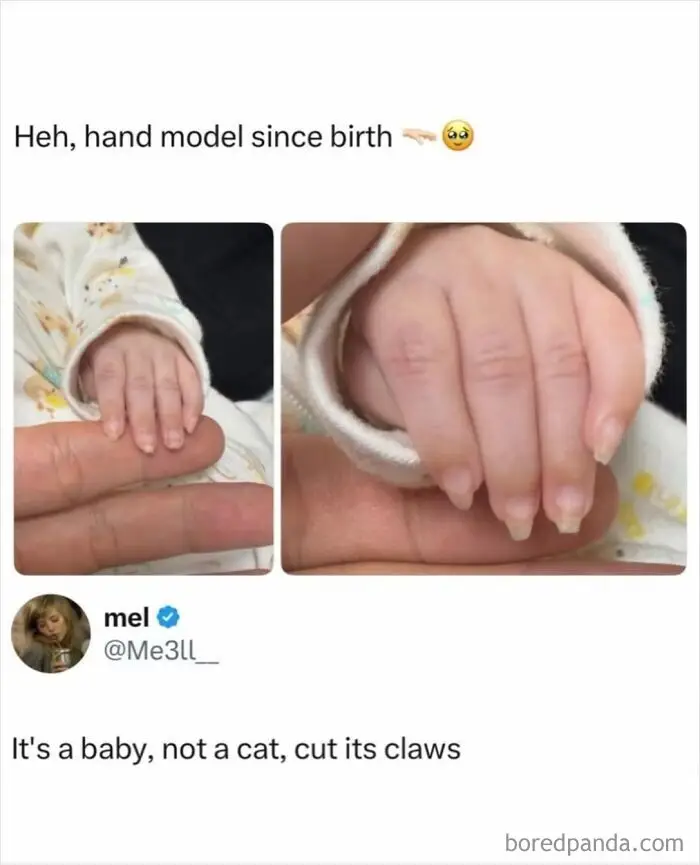
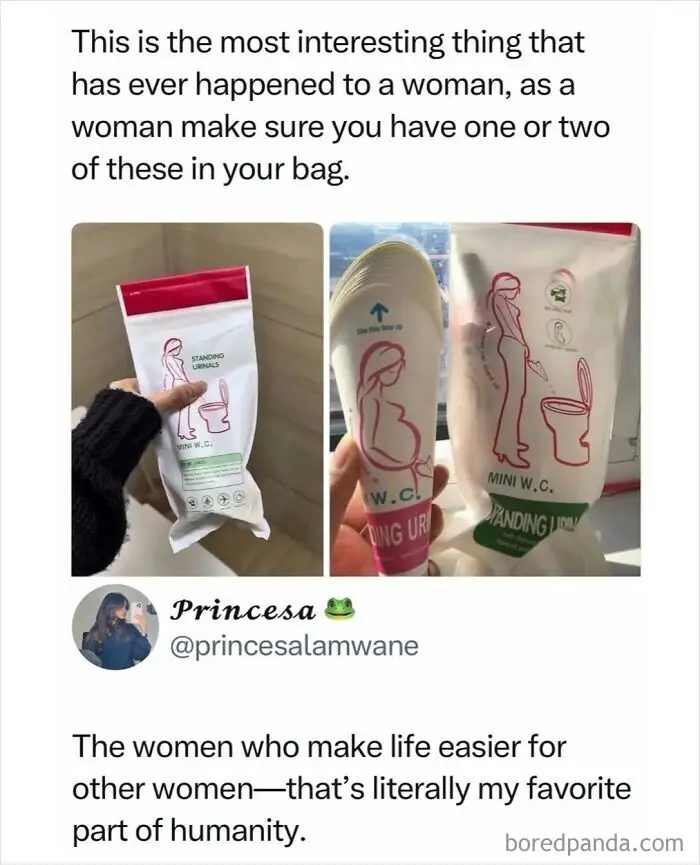

This became particularly apparent during the COVID-19 pandemic. Researchers examining memes as tools of health communication found that they helped people bond over shared experiences and cope with uncertainty.
Unfortunately, they also contributed to the spread of health misinformation, becoming part of what researchers describe as an “infodemic.”