

The "little treat" meme culture has had a measurable impact on fashion consumption patterns. The joke about deserving "a little treat" for basic life accomplishments like attending a meeting or not crying at work today has been weaponized by fashion retailers into a shopping justification engine. Market research from McKinsey shows that younger consumers increasingly make fashion purchases as emotional self-care, often framing these purchases through meme language about treating themselves. It's behavioral economics wrapped in self-deprecating humor, and it's extraordinarily effective at separating people from their money.
Celebrity fashion memes have become their own ecosystem, with moments like Rihanna's pregnancy fashion or Harry Styles' bold outfit choices generating immediate meme responses that then influence actual purchasing behavior. When Harry Styles wore a pearl necklace, meme accounts exploded with content, and pearl jewelry sales for men increased by over 50 percent according to retail analytics. The memes didn't just comment on the trend, they actively created and spread it, turning a single red carpet moment into a broader cultural shift.
Perhaps most fascinating is how fashion brands have started creating meme-friendly moments intentionally. Balenciaga's destroyed sneakers that cost hundreds of dollars were essentially designed to be memed, generating outrage content that functioned as free advertising. The brand understood that people mockingly sharing images of ridiculous expensive items still spreads brand awareness and, paradoxically, often increases desire among those who want to be in on the joke. According to research in the Journal of Fashion Marketing and Management, controversial fashion pieces that inspire meme creation can generate up to three times the social media engagement of traditional advertising campaigns.
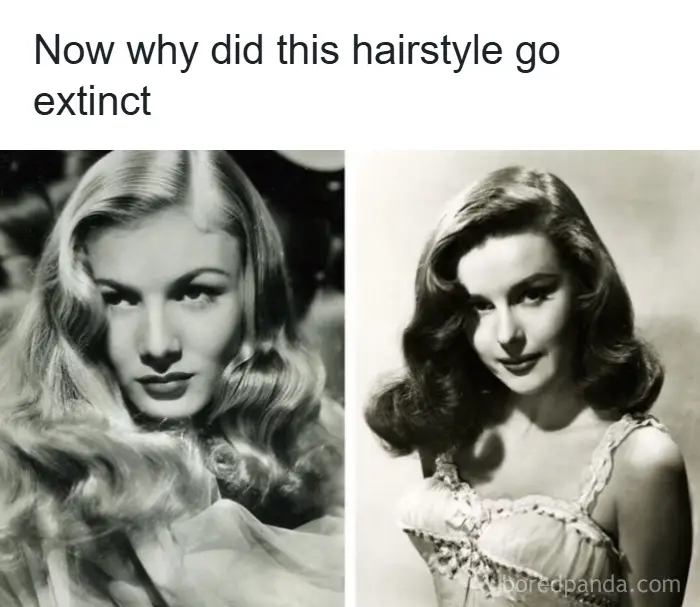
The "micro trend" phenomenon, where specific items like strawberry dresses or bucket hats surge in popularity for brief windows, is almost entirely meme-driven now. These items become visual shorthand in meme formats, which drives recognition and demand, creating a feedback loop where the meme popularity and fashion popularity reinforce each other until everyone suddenly owns the same thing and immediately regrets it.