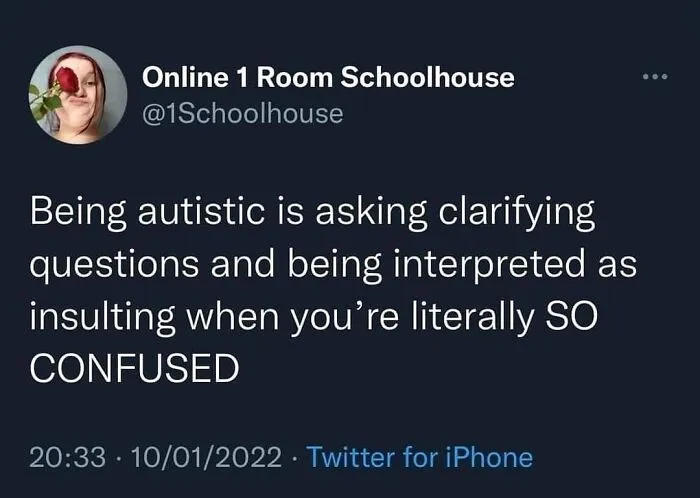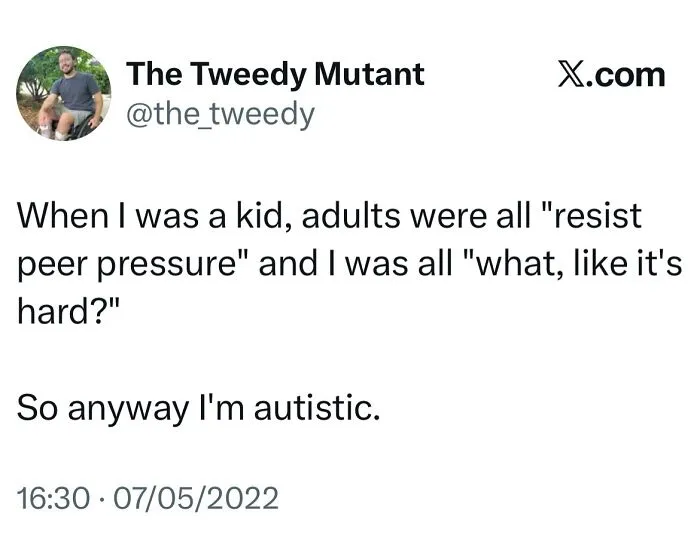




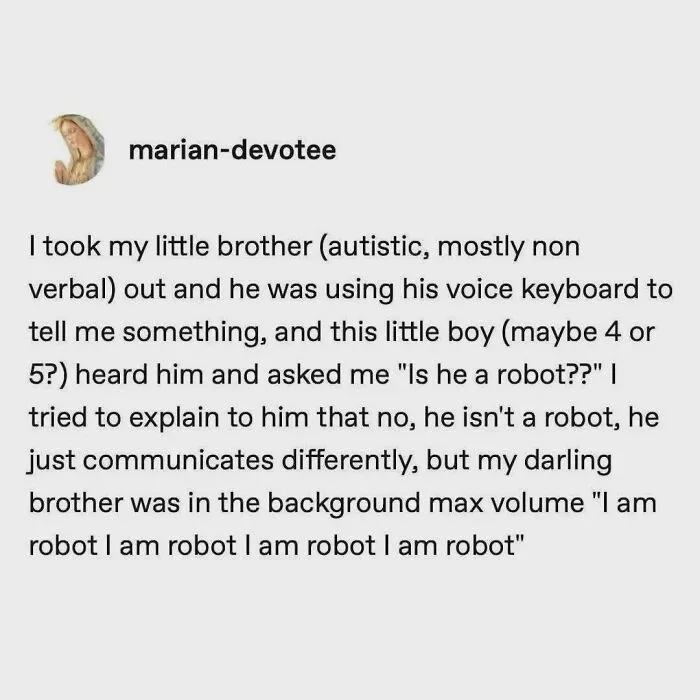
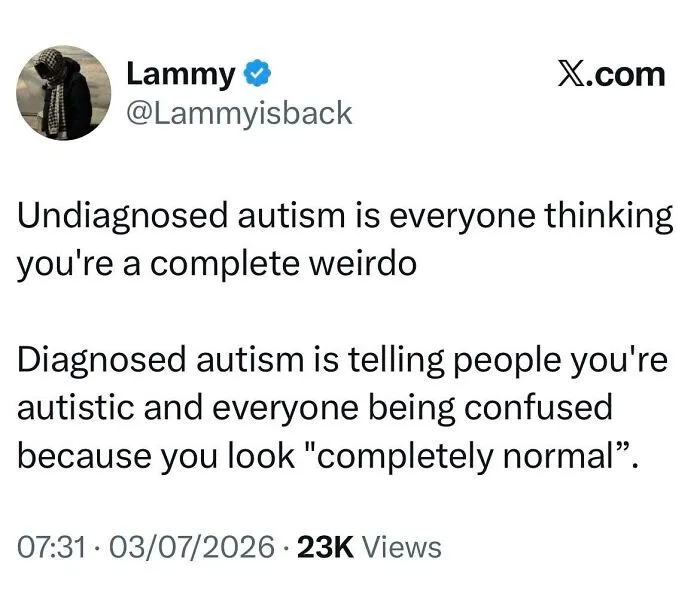
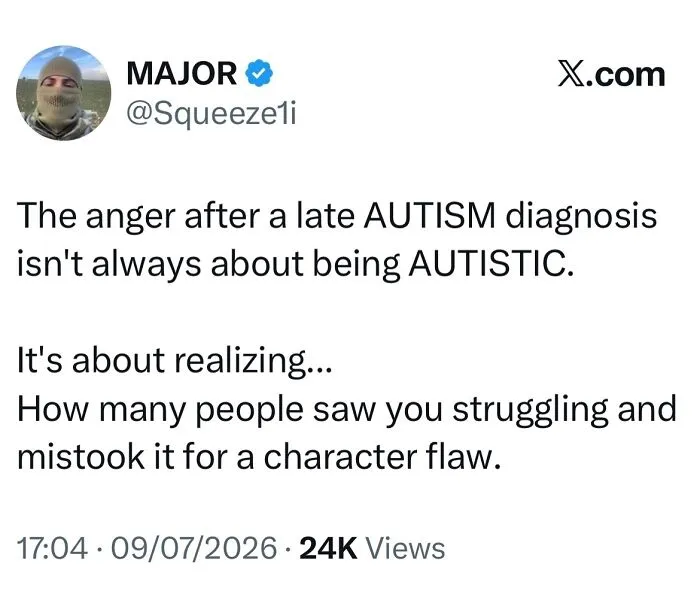
Before the days of autism awareness, many people assumed that having autism meant you didn't have a sense of humor. Today, many know that's a pretty inappropriate and inaccurate thing to say—not only because it's false, but because it's factually untrue.
A sense of humor is a funny thing; there's no one definition that would fit any given person. People find different things funny: some like toilet humor, some want their jokes dark and twisted, some enjoy observational comedy, and others may think that dad, "Yo Mama," and "Knock knock" jokes are the epitome of comedy.
Essentially, it's different strokes for different folks, so, how can we really tell if a certain person (or a group) has or doesn't have a sense of humor?
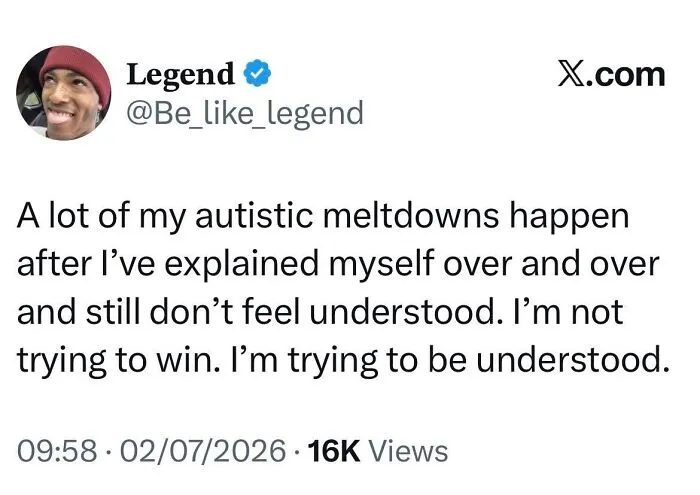

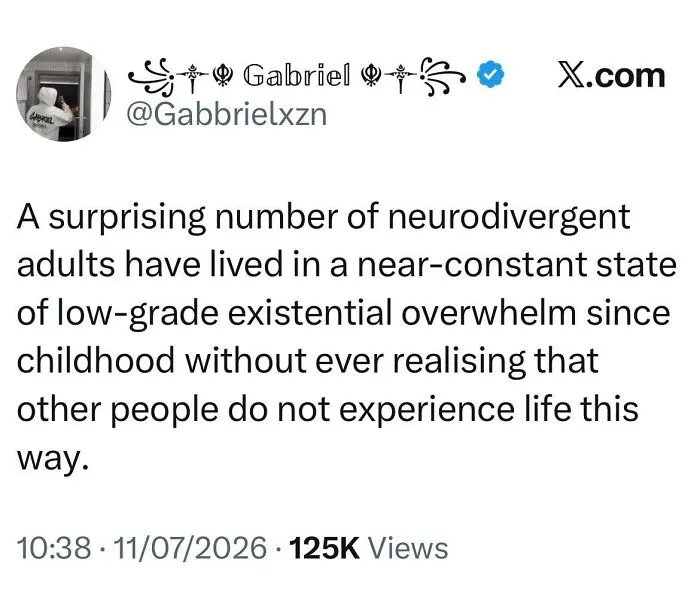
Why would someone think that autistic people have no sense of humor? We need only to look at how people have speculated about Albert Einstein having autism as an example. Some people believe his genius was a mark of his neurodivergence. But because he had a sociable personality and a warm sense of humor, that apparently meant it was impossible for him to have been on the spectrum.
While autistic individuals may struggle with social awareness, the notion that they lack a sense of humor is just nonsense. Claire Jack, Ph.D., a researcher who specializes in working with women with ASD, writes for Psychology Today that autistic people may express laughter in different ways than neurotypicals or not understand "traditional" jokes, leading to such misconceptions.
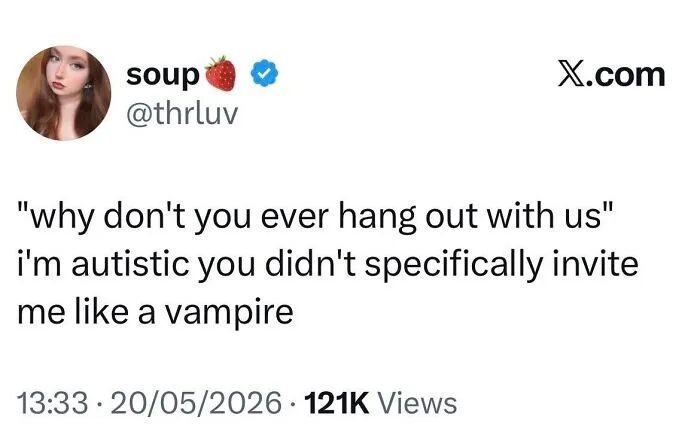
We use laughter for more than just the expression of finding something funny. For neurotypical people, it's also a social interaction: when other people laugh in a movie theater, we're more inclined to at least let out a chuckle as well. Autistic people don't have that inclination: they only laugh when they find something truly funny.

On the other hand, people on the spectrum may also laugh at times when there's nothing to laugh about. Some individuals simply punctuate their speech with laughter; others let out a laugh at inappropriate or inopportune times at work, school, or in public when they're too nervous, stressed, struggle to express certain emotions, or are overwhelmed by their senses. This may give other people the impression that for people with ASD, laughter is a tic and they don't really find "regular things" funny.

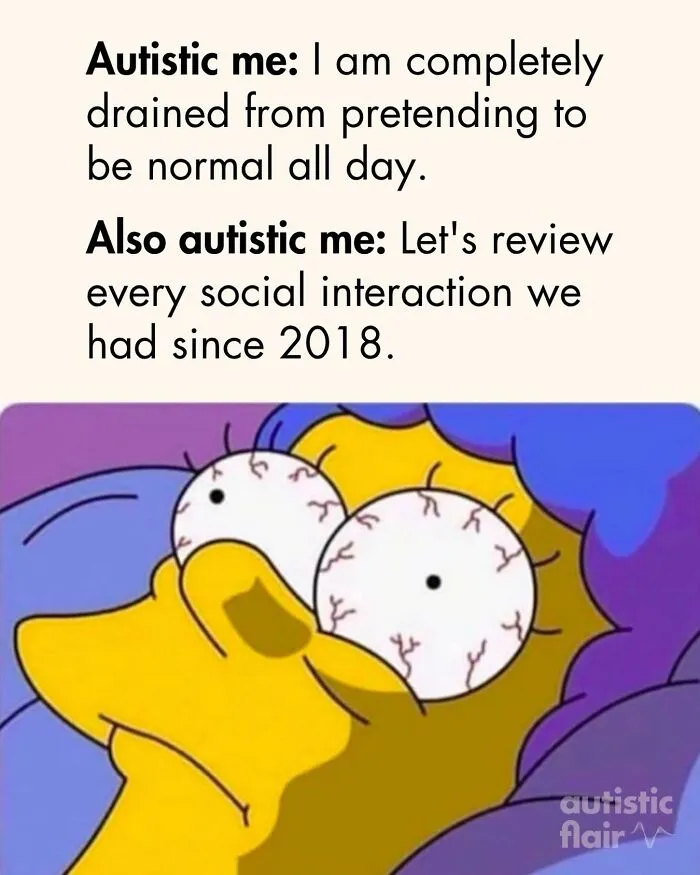

The claim that autistic people don't find "traditional" jokes funny has some truth to it. Some people on the spectrum may struggle to understand humor that uses figurative language and abstract concepts. Instead, they prefer jokes that are more straightforward, include repetition and sameness, and are more literal.
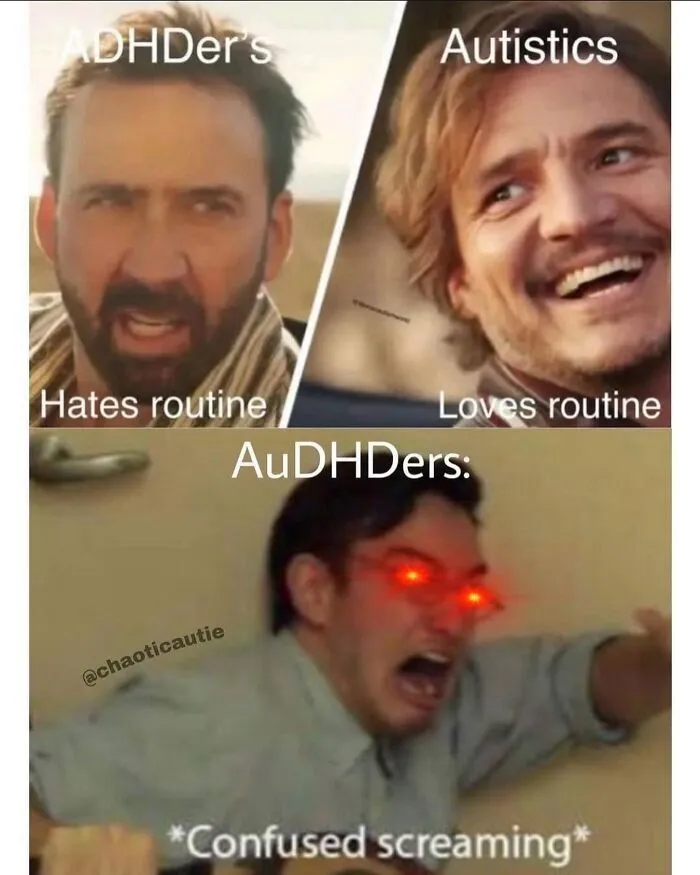
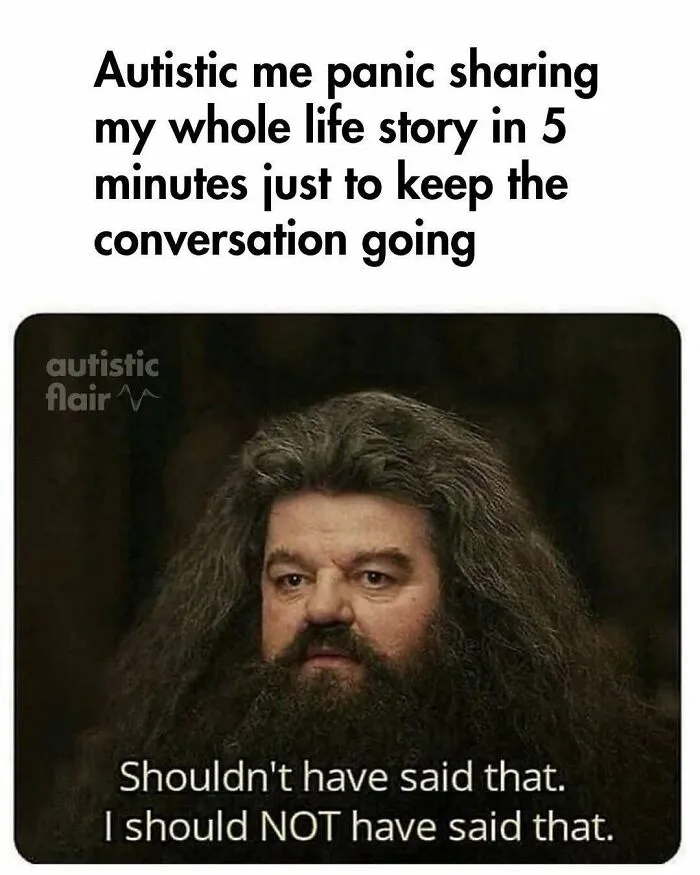
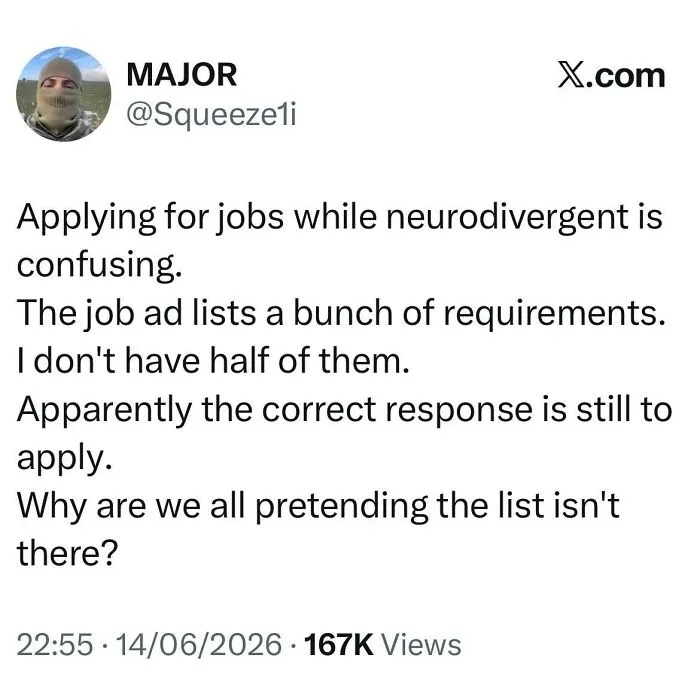
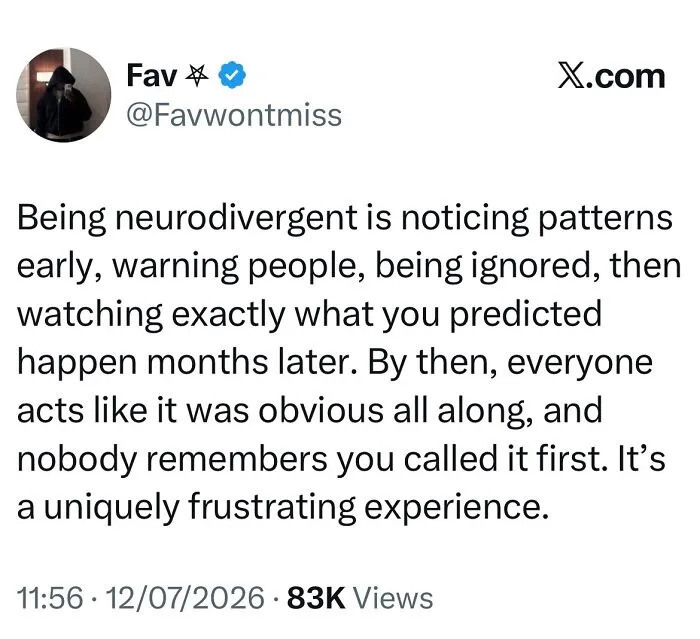
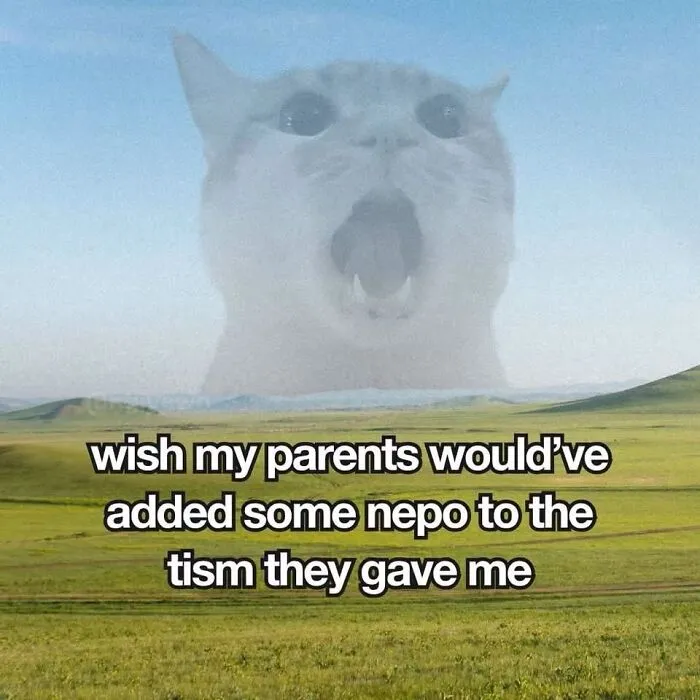
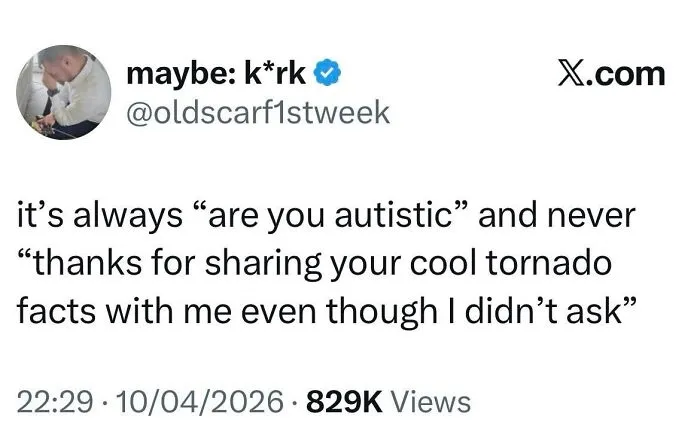
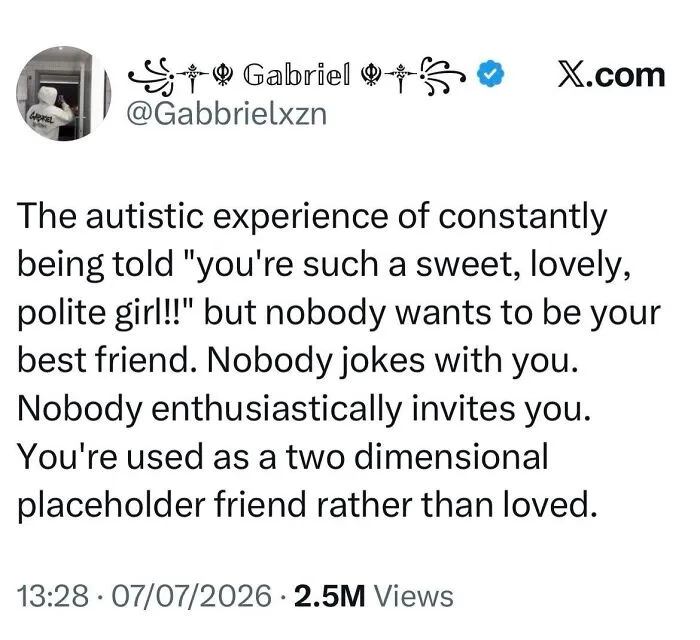
Neurodivergent and neurotypical people often fail to understand each other because of their differing communication styles. That's why neurotypicals probably wouldn't find many of the memes on this list funny, and, in turn, many autistic people don't really relate to "regular" funny memes. In 2012, researcher Dr. Damian Milton proposed that it's not that autistic people are in any way deficient — they simply communicate in different ways.