





Stop, drop and roll. Always wear your seatbelt. Always wear a helmet. And when in doubt, just call 911.
Many of us like to think that we’re prepared to handle emergencies, but when tragedy strikes, it’s easy to forget everything you’ve ever been told. So if you need a reminder of what to do in stressful, life-threatening situations, we’ve got you covered, pandas.
First responders on Reddit have been sharing safety advice to help others avoid the most common, fatal mistakes they see people (and fellow emergency workers) make. From removing trip hazards from your home to simply staying out of the way in a dangerous situation, be sure to take note of any advice that’s news to you. And keep reading to find conversations with the Reddit user who started this thread and retired Fire Lieutenant and host of Responder Resilience, David Dachinger!
#22
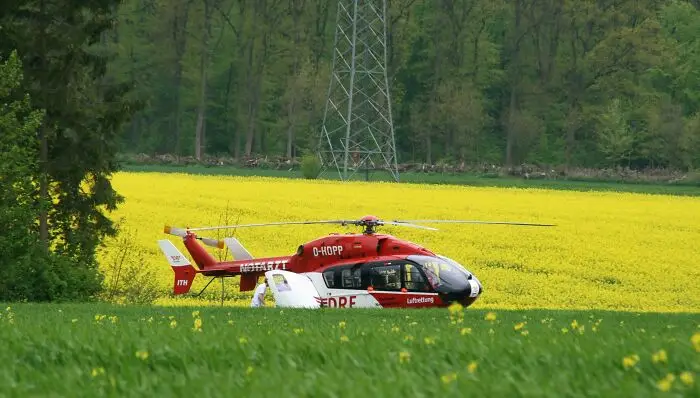
I've spent eight years in rural rescue. Keep an eye on your kids when you’re out in nature. Look away for a second or two, and the next time you see them may be in a coffin.
Report
44points
Finally, David says, "If you have a monitored alarm system, submit an updated alarm registration form to your local fire department, police department, and/or alarm company. This form contains important information such as key holders, emergency contacts, alarm and door codes, and the locations of the alarm panel and utilities. This readily available information can significantly improve our ability to access your home during an emergency if you are out of town or unable to answer the door."
And if you'd like to hear even more from experienced first responders, be sure to check out the Responder Resilience podcast!
#23

My dad is an EMT, and he says people will call, give him an address, but then move somewhere else. He says it's as if purple think he will just sense that they move.
Report
43points
#24

Many drownings could be avoided: if you are going out in a boat wear your life jackets. Drinking alcohol and water element isn’t a good mix. Keep close eye on your kids there and make them wear some sort of float equipment (best would be life jacket if they can’t swim, even if they are not swimming but are hanging out close to deep water) and put them into swimming lessons early. If you are an adult and can’t swim, take swimming lessons. And keep in mind that it can get deep quickly. Don’t go to frozen lake/sea if you don’t know how good the ice is.
In my country most people celebrate midsummer day near lake or sea and drunk as f**k. And every year we have this game at work where we quess how many will drown this year during the midsummer weekend.
In my country most people celebrate midsummer day near lake or sea and drunk as f**k. And every year we have this game at work where we quess how many will drown this year during the midsummer weekend.
Report
42points
#25
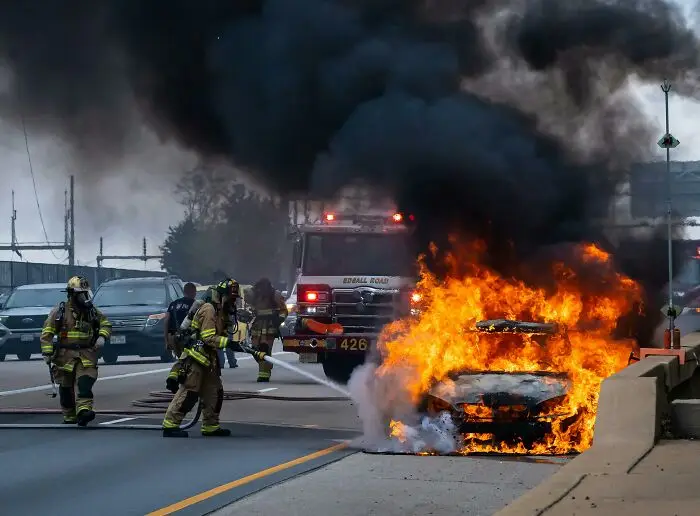
Running to pull someone out of burning vehicle is a great way to risk losing your life or causing serious injury to yourself. It is so unbelievably important to let the proper personnel deal with each situation and NOT risk causing more casualties.
Report
41points
#26
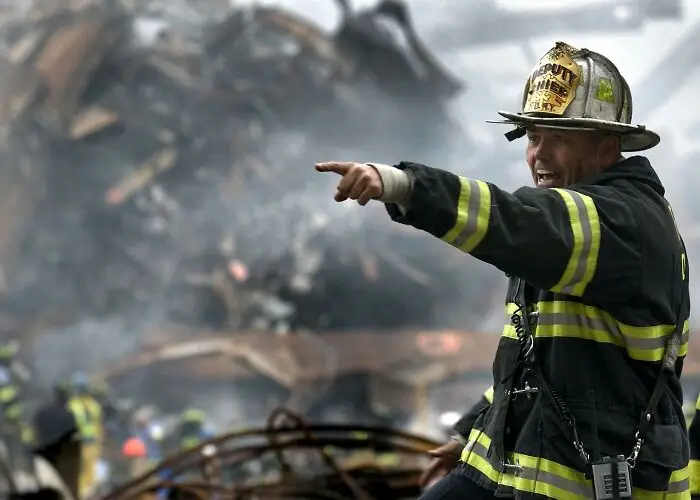
Firefighter here:
For the love of god, wear your seatbelt, don't text and drive, and don't drive after drinking or while high.
It's never a good outcome for anyone involved.
Flashback to when I first started in the fire service. 3 teenage girls driving along 2 lane country road at night. Speeding, intoxicated.
They take a turn too fast. This SUV flipped over and goes down into a gully, on it's roof. Passerby sees the wreckage and calls us.
We get there and 1 of the girls is sitting on the side of the road, crying. Telling us her 2 friends are still down there.
We find 1 in the wreckage. Extricate her and she gets flown out. 1st girl is transported via ambulance.
For the life of us, we cannot find the 3rd. Search the woods in all directions, inside the vehicle, other side of road, even.
We're combing through every part of this entire area, and one of the guys spots the tip of a shoe underneath the vehicle.
Wear your seatbelts. Don't drive while intoxicated/ high.
Car accidents are by far, my least favorite call to run on.
Report
41points
#27
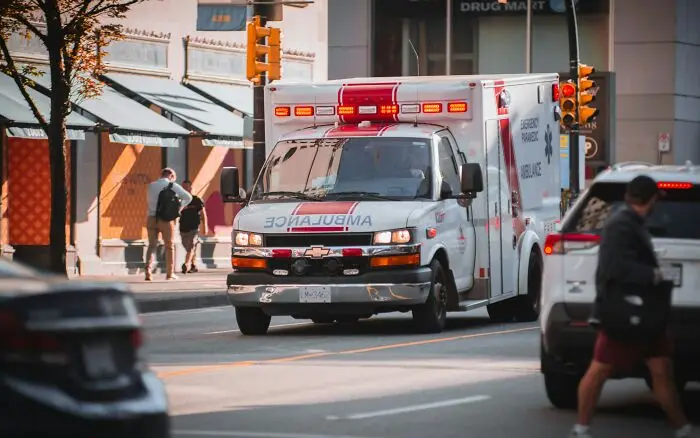
If someone is having a seizure, do NOT put anything in their mouth. Ever. There is no such thing as "swallowing your tongue." Also, do not hold them down to try to stop their limbs from moving. Move dangerous objects away from them and roll them on their side when the seizure is over.
If you need to call an ambulance/go to the ER/go to urgent care, bring a list of your (or the patient's) medications. I don't care if "they should have them in the computer."
If you take medications for something, it's something you should report when asked if you have any medical problems (aka medical history). I can't tell you how many times I've asked someone that questions and they've said they have no medical problems, only to find out they take 10 medications every day. If you take medications for high blood pressure (hypertension), that is a condition that you have, regardless of how well your blood pressure is currently controlled. Conversely, just because you *don't* take medications for a condition doesn't mean you shouldn't still report that condition. Yes, it can make a difference. Sometimes a very life-altering difference.
Allergies ≠ medication preference
Allergies ≠ experiencing a medication side effect
Most penicillin (or penicillin class antibiotic) allergies are not actually true allergies. If you think you're penicillin allergic because your mom or dad told you that long ago you got a rash, it might be a good idea to checked to see if you really are allergic. A penicillin allergy means that you can't/won't be given not just penicillin, but many other related antibiotics. For certain infections, this can seriously limit the number of effective antibiotics that can be given to you.
Iodine allergy ≠ shellfish allergy ≠ iodinated contrast (CT dye) allergy. These are all distinct allergies and having one doesn't automatically mean that you have the others. Also, while some people have reactions to povidone iodine (reddish brown skin disinfectant) and describe this as an iodine allergy, it's not really iodine that you're allergic to. Iodine is an element and as such, is much too small to be a true allergen. Not to mention the fact that our bodies *require* iodine to function (via our thyroid gland), so if you were truly allergic to iodine, you wouldn't be alive.
Report
32points
#28
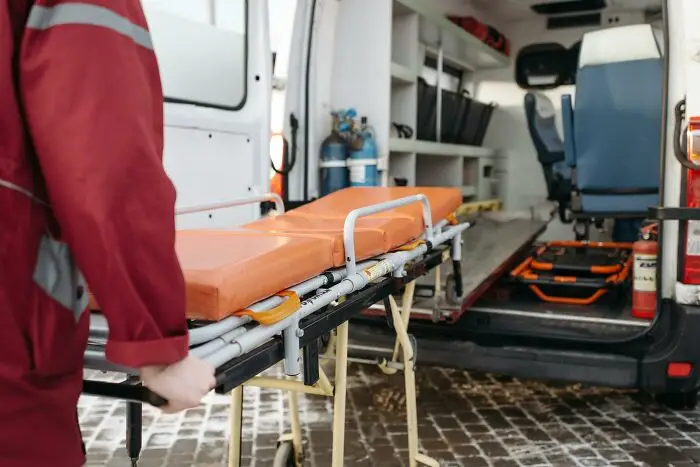
Lying.
If you don't know, you don't know. And you should say so.
Don't know what the BP is? Don't lie.
Don't know where something on the truck is? Don't lie.
Not familiar with a patient's condition? Don't lie.
If you don't know, you don't know. And you should say so.
Don't know what the BP is? Don't lie.
Don't know where something on the truck is? Don't lie.
Not familiar with a patient's condition? Don't lie.
Report
30points
#29

Old cars are death traps. Burnouts are fun and all, but if it catches unexpectedly, you may be the crumple zone.
Report
28points
#30
Not an “on the road” mistake but still something I think is important: Taking criticism from senior medics as personal attacks. 9.5 times out of 10 we’re not saying you’re s**t, we’re trying to help you learn and grow. A lot of new medics take things too personally. And actually listen to the criticism and implement it going forwards, we genuinely don’t want you making the same mistake over and over because that’s when it will start to get personal.
Report
25points
#31
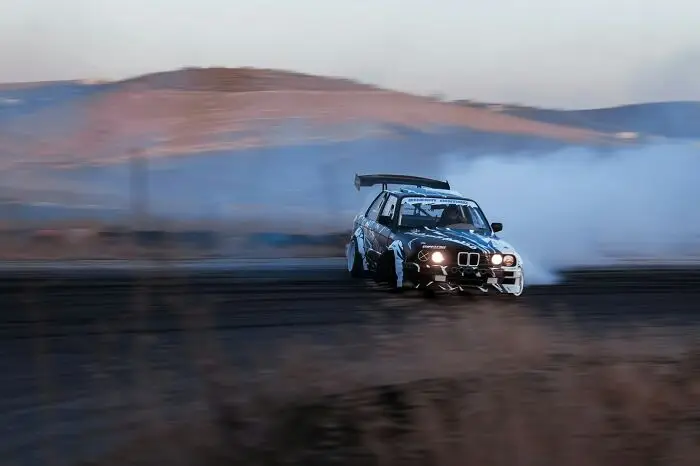
Drifting onto the soft shoulder of the road and overcorrecting.
Because the tires don't grip well on loose dirt, the driver turns the wheel farther than normal to get back to the pavement. When the wheels do contact the pavement, they grab and immediately turn the car toward the opposite side of the road. The car usually spins as it does so. If they're lucky, they just go off the side and stop. Sometimes there's a cliff or an oncoming vehicle.
The thing to do is, once the car is correcting course, turn the wheel back toward straight *before* getting back on the pavement. Be prepared to correct the steering very quickly in either direction when returning to pavement.
Report
24points
#32
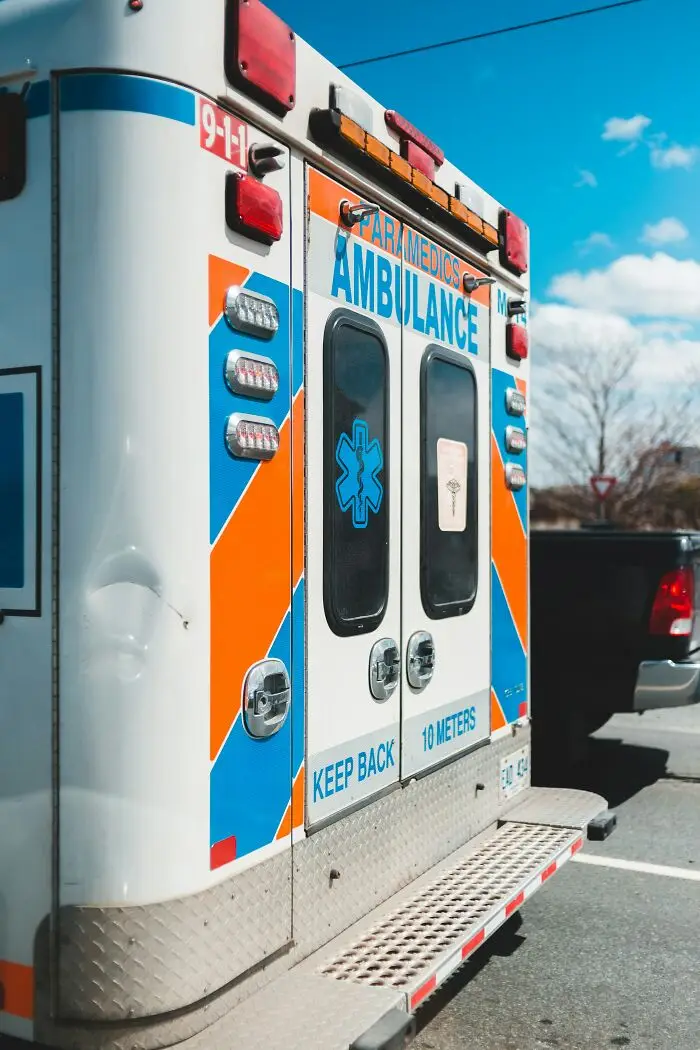
Check every single intox bgl. Saw tons of bls just assume people are drunk and sloppy. Sometimes it's diabetes.
Report
23points
#33
As a relatively new paramedic myself, the biggest mistake I made was not asking experienced medics enough questions, I thought I'd be looked down on if I didn't know everything. As others have said early burnout is super common, we have students saying they only want to work in the county because they don't wanna do calls. 6 months I was working with someone I got hired with and they refused to do a call because we "only" had an hour and a half left in our shift and made a crew that had been getting screwed all day with no lunch breaks go. When I started I always tried to work at the busiest stations so I could expose myself to the most calls and become more comfortable which really helped me develop my own routine on calls. One of the best things you can do as a student/new paramedic is realize you don't know everything, accept worry feedback and use it to improve.
Report
23points
#34
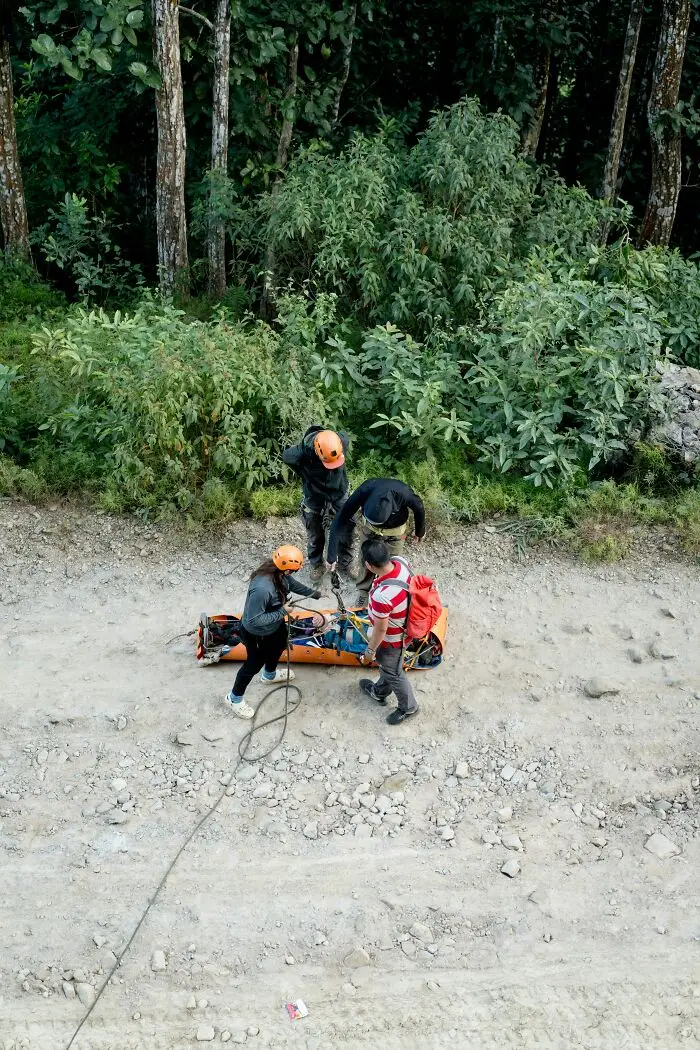
8 years in rural rescue. Not quite the same, but comes with its own incidents:
Keep an eye on your kids when you’re out in nature, look away for a second or two and the next time you see them may be in a coffin.
Old cars are death traps. Burnouts are fun and all, but if it catches unexpectedly, you may be the crumple zone.
Motorcycles are, and always will be, dangerous. Leathers will help keep you in one piece.
Seatbelts and helmets will keep off-roading toys fun. You roll one and you aren’t in safety gear, you may die, you may spend a year in physical therapy.
Your standard vehicle will go 110 mph. If you wreck it at 110 mph, odds are you will be crippled or k****d.
Every one of those was a maiming or death. Those don’t include the “wrong place, wrong time” incidents. Those get into the dozens. The most memorable to me, we were able to save, but f**k was he lucky. Old pick up truck, ran off the road, hit a tree, turned into razor sharp sheet metal. It severed the guy’s femoral artery. Entire floorboard of the cab was filled with blood. My captain shoved gauze into this guy’s leg and ball sack until he stopped spurting, we cut the door off, lifted what was left of the dash, and got the guy out. From the time we got to the scene to the time he was out was 8 minutes, from then until medical was another 4. He probably should have died before we got there, we were 20 mins out.
Lots and lots of compound fractures. Again, that’s just bad luck, most of the time.
Report
22points
#35
Not taking responsibility for their own wellbeing. Don’t work stupid hours. Sleep. Eat. Exercise. Have a non-paramedic social life. Have a hobby. Avoid gossip. Avoid toxic attitudes and behaviours — try some gratitude, compassion, and levity.
Trying to diagnose things. Diagnosing things and feeling confident about it. Hint: it’s not always a UTI.
Actively trying to sign people off (see above).
Rushing. We’re not in school trying to beat a sheet on a timer. Drive slower. Handle patients gently. Do procedures properly. Actually pay attention when you’re assessing and listen when you’re asking questions.
Report
22points
#36
Trying to form a diagnosis. Don’t do that, it’s not the job. You can speculate about what caused something but trying to form an actual diagnosis leads to tunnel vision when you don’t have the practice or education behind it.
I am guilty of this. Early in my career I was so stuck on finding the problem, I didn’t manage symptoms or outliers as well as I could have. I was sure it was a stroke - but it wasn’t. I was sure it was an OD- but it wasn’t. And I missed critical interventions because of that.
Dont fall into the trap of being a smarty pants - treat signs and symptoms, check the basics, and make sure you get that into a cohesive report so the MD can make the actual diagnosis.
Report
21points
#37
Driving skills (EASY on the brake). Taking feedback without assuming it’s a personal attack. Being able to admit you don’t know.
Outside of work: get your d**n self in the gym and lift a weight or two a few times a week. This is a physical job. Most of our services are a disgrace to the uniform. Eat properly. Even better, go to a jiujitsu, wrestling, or mma gym and learn some self defense so you have some idea of what to do if and when someone picks a fight with you. Go to therapy, sooner rather than later. Figure out your coping skills so you don’t take stuff out on your partners and patients.
Outside of work: get your d**n self in the gym and lift a weight or two a few times a week. This is a physical job. Most of our services are a disgrace to the uniform. Eat properly. Even better, go to a jiujitsu, wrestling, or mma gym and learn some self defense so you have some idea of what to do if and when someone picks a fight with you. Go to therapy, sooner rather than later. Figure out your coping skills so you don’t take stuff out on your partners and patients.
Report
21points
#38
Learn to take a mental step back from the call.
If you get tunnel vision or too into your own head, you'll miss some of the bigger picture and may make less than ideal decisions.
If you catch yourself working up, take a second and take a deep breath, ground yourself, and get back into it.
If you get tunnel vision or too into your own head, you'll miss some of the bigger picture and may make less than ideal decisions.
If you catch yourself working up, take a second and take a deep breath, ground yourself, and get back into it.
Report
21points
#39
Letting PD walk all over you. I don't care if they called us just to CYA themselves, if they call somebody a patient, I am going to treat them like a patient until I clear. Not sure if it is just a local problem too, but oftentimes they are fairly lazy here when is comes to checking the psych patients of weapons. Once went to a call for a Pt completing of homicidal ideation wearing cargo pants where PD arrived first and said the scene was safe. They were ready to clear up when we arrived until I asked them to check his pockets, which contained 2 knives and a lighter.
Edit: Forgot the to include the issues of them telling us to draw up katamine before we even made contact. Never did, because usually it turns out the patient cooperates with us just fine, but was pissed off at PD for their usual antics.
OR when they give 8mg of narcan to a alert and breathing patient. I don't care if he is high, as long as he is breathing. Since I am riding with him, I rather he be chill for the duration of transport.
Report
19points
#40
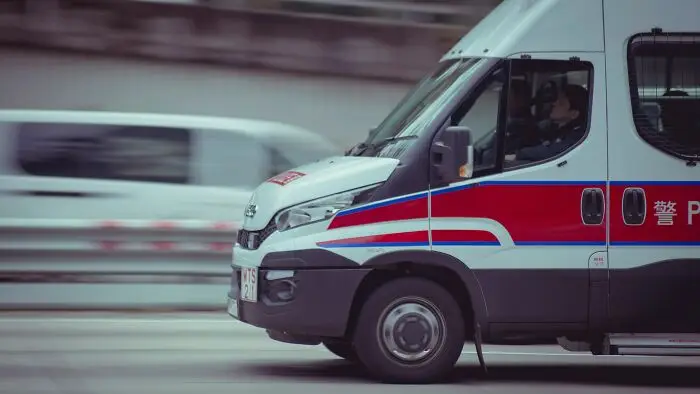
Thinking they [new first responders] have to adopt the jaded a*****e’s attitude and demeanor to be taken seriously.
Report
13points


