



When nail polish became widely available in the 1920s, manicures became something similar to what they are today: a means to improve one's mood and to express oneself. Interestingly, there's also some stigma about nail polish that persists even today. Shapiro says that in the 1990s, women wanted to appear more serious and compete in the job market.
"They found themselves in the double bind of having to appear attractive in mainstream terms but not too attractive," she explained, "which would downgrade their intellectual merits and seem to invite their objectification."



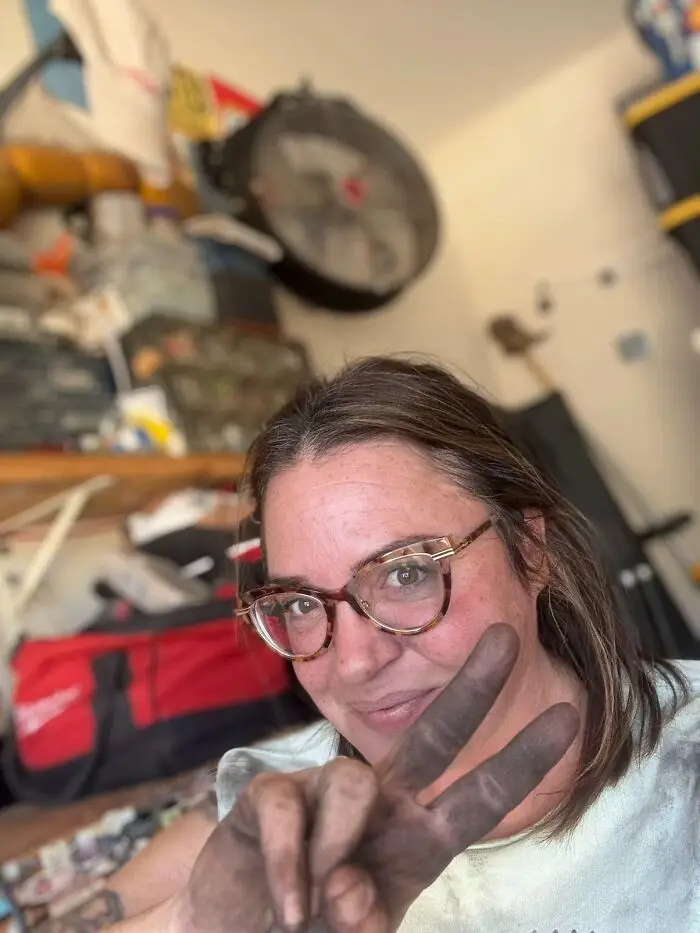
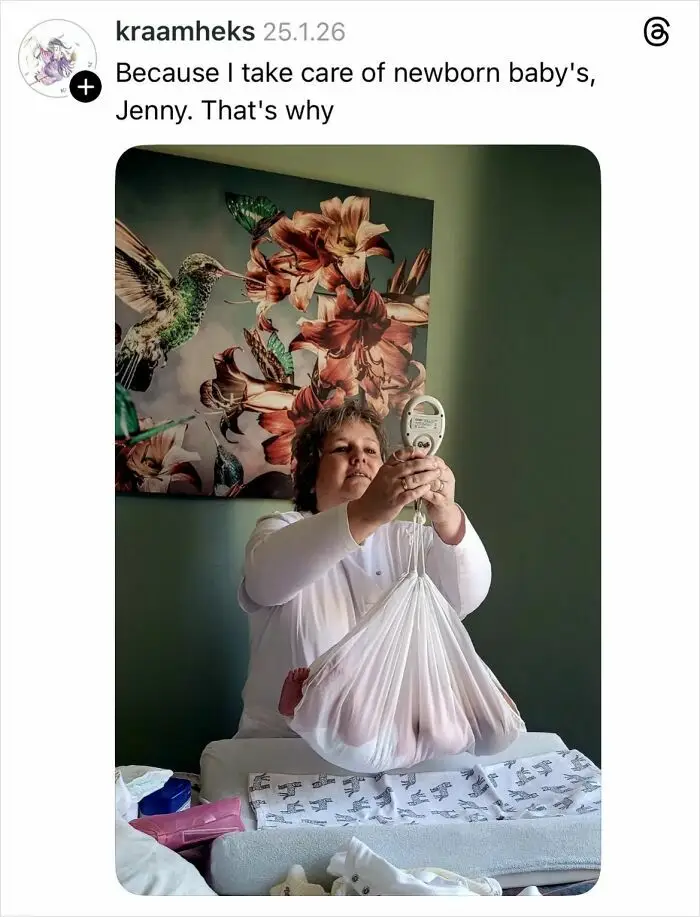
Nowadays, polished nails can be a luxury or a privilege for some women. "If you worked with your hands, it would be harder to maintain perfect nails," Shapiro told Refinery29. Those who don't do manual labor or work somewhere with strict sanitary rules have the privilege of getting their nails done whenever they want.



There's also something to be said about the beauty routines women are supposed to adhere to. Manicures and pedicures, waxing, lash, eyebrow, and hair appointments are expected to be done regularly to affirm one's worth as a woman. However, I'm here to tell you that it's just not true. Polishing or not polishing your nails is simply a preference. It's a great way to express yourself and boost your confidence, but unmanicured nails don't make someone less of a woman.



What are your stances on regular manicures, Pandas? For me personally, my nails reflect my mental state: if I'm in a cheerful mood that week or month, I'll be walking around with colorful nails. If I'm stressed or just feeling melancholy, my nails will probably be bare.
But do you like manicured nails, whether on yourself or on somebody else? Let us know if you do your nails regularly and the reasons why. On the other hand, if you prefer not to, tell us your reasoning as well!