

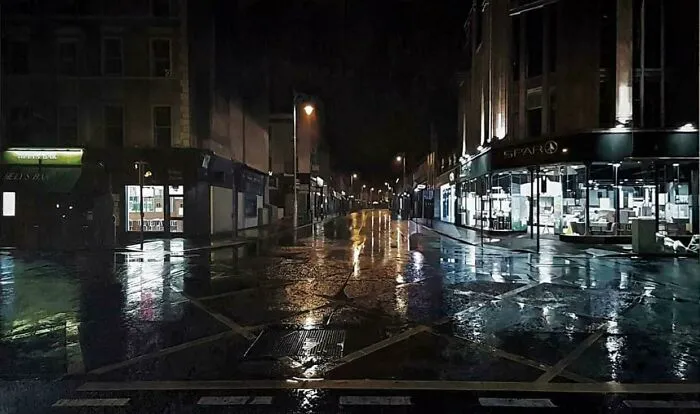
These days, when we see a picture that looks too perfect, we get suspicious right away. I remember when Midjourney used to make pretty bad images, but now generative AI can create photos that look incredibly real. When DALL·E 2 came out in 2022, people already liked its realistic images more than the earlier version.
This shift changes how we see unusual photos. What once made us say, “Wow, someone caught an amazing moment,” now makes us ask, “Hold on, was this made by AI?” The interesting thing is that photography has been creating unbelievable images long before generative AI came along.
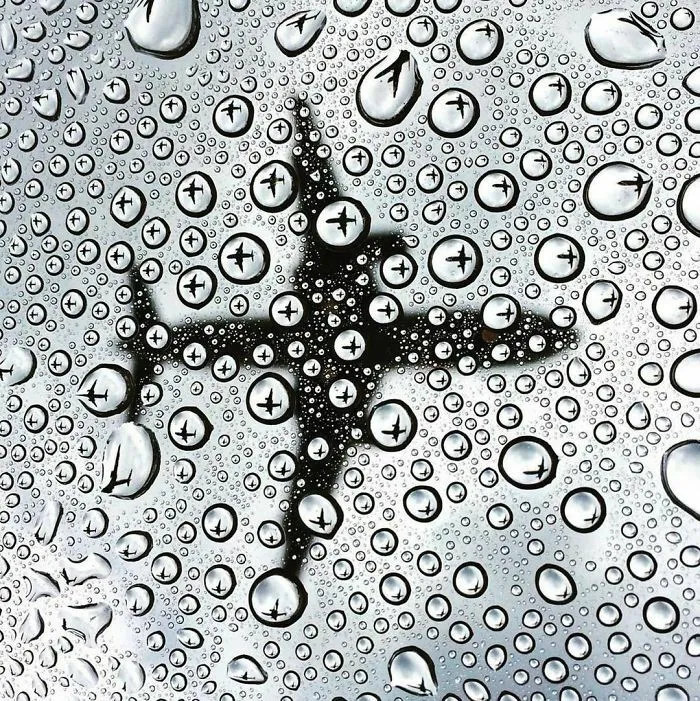
#3 Believe It Or Not, This Is Not Photoshopped.... Amazing Photograph Of A Plane
This reminds us of a time when making a photo took a lot more patience. Early photographers couldn’t just snap a picture, check it, and try again. They had to use chemicals, glass or metal plates, and wait for long exposures while the scene stayed still in front of the camera.
Some of the first ways to take photos needed exposures that lasted for hours. Back then, people weren’t worried about whether a strange photo was made by AI. Their main challenge was just getting any image to show up at all.
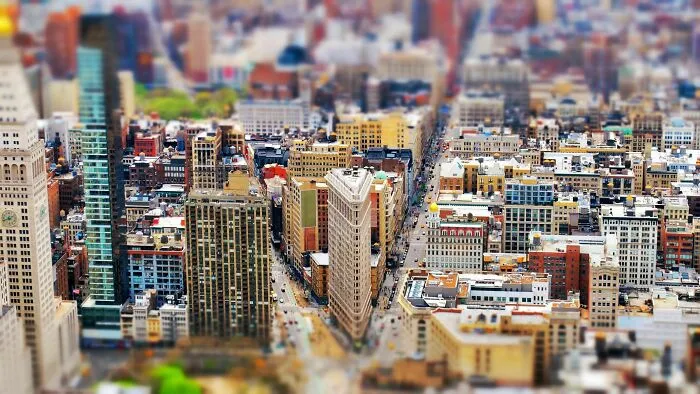
#5 This Is A Real Photo. It Uses A Technique Called A Tilt Shift To Make The Image Appear To Be A Miniature World
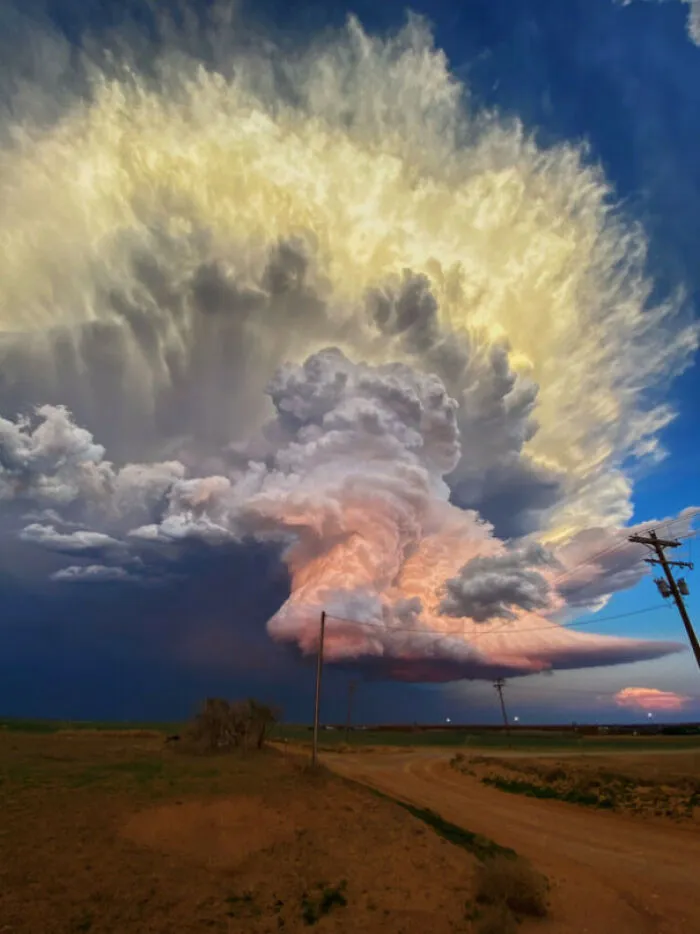
#6 The Actual, Non-Photoshopped Image Captured By Laura Rowe On March 17, 2021
In the 1820s, Joseph Nicéphore Niépce worked with heliography, using light to make a lasting image on a metal plate. This was a big change because, rather than having an artist trace a scene with a camera obscura, light now formed the image. However, exposures could last for hours, so photography was far from quick or spontaneous.
Louis Daguerre later made the process better and introduced the daguerreotype in 1839, which made photography practical. His method still needed some exposure time, but it could create an image in minutes instead of the hours Niépce needed. Now, photography could capture people and places much faster than before.
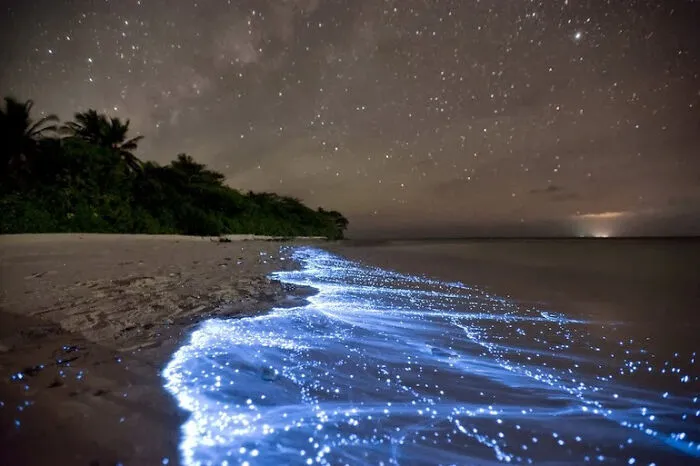
#7 This Midnight Light Show On The Shores Of Vaadhoo, Maldives However Unbelievable Is Not The Result Of An Elaborate Photoshop. It Is However The Result Of Tiny Marine Microbes Called Phytoplankton Washing Up On The Sand
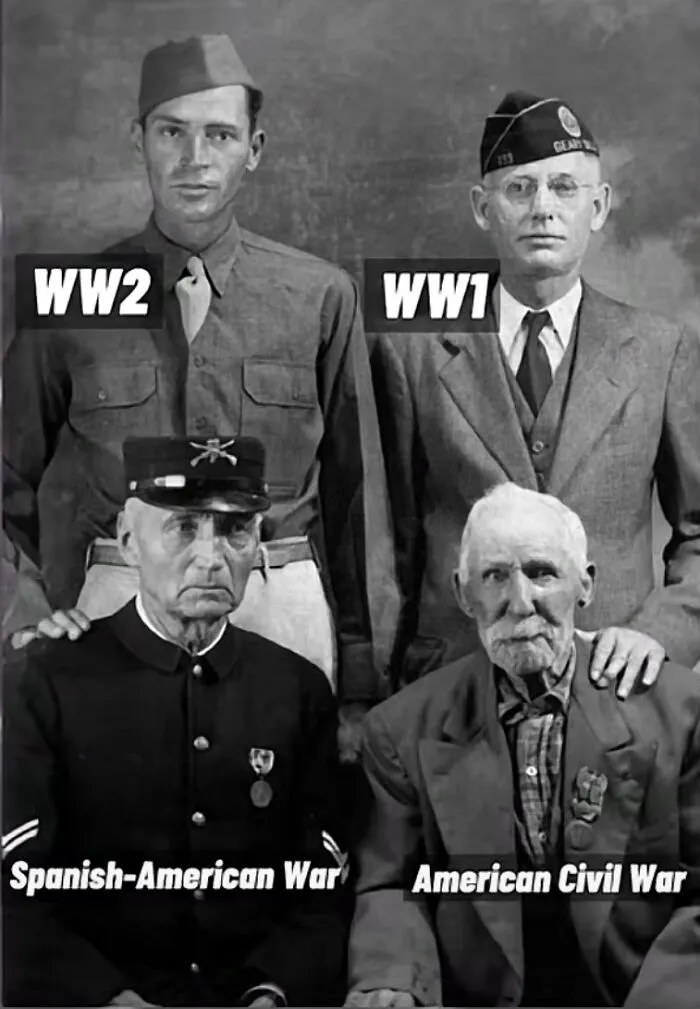
#9 4 Generations Of Soldiers All In One Picture. This Picture Is Not Photoshopped
Making an image appear was just one challenge. Early photography could show shapes and details clearly, but it struggled to capture real-life colors. Sometimes, photographers added color by hand, but this relied on the artist, not the camera. It took decades to find a practical way to photograph in color.
The Lumière brothers introduced Autochrome, the first practical color photography process, and started selling it in 1907. Their glass plates used millions of tiny red, green, and violet starch grains to filter light and create color images. However, taking a picture still took about 30 times longer than with black-and-white plates, so quick snapshots were not possible yet.
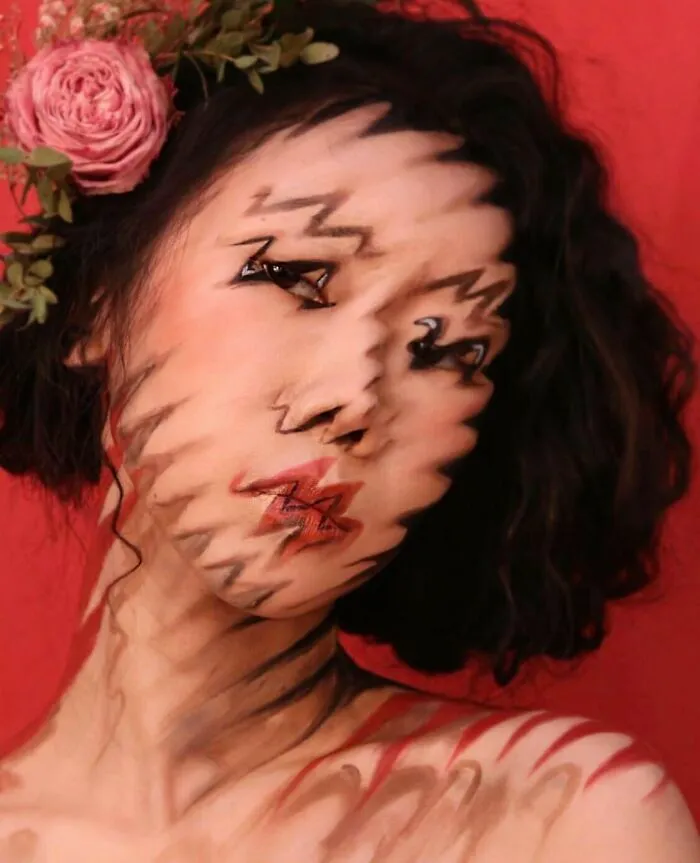
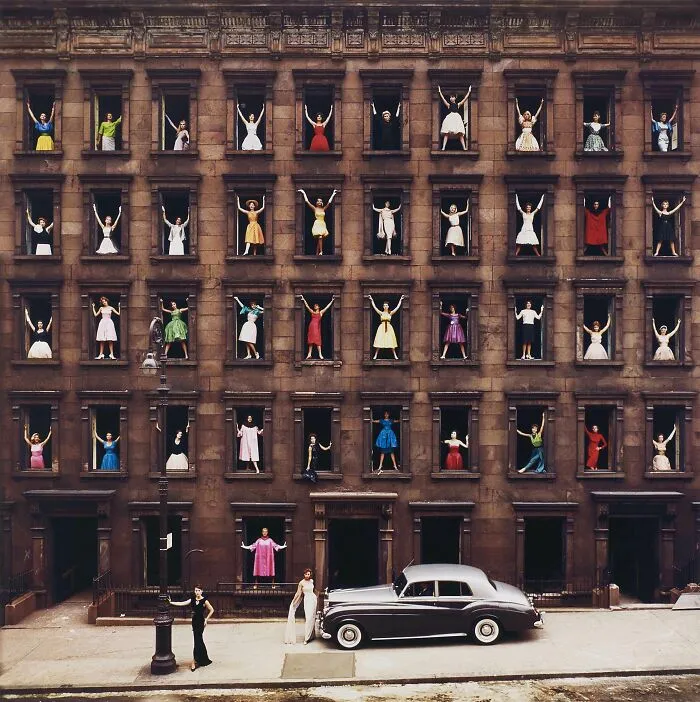
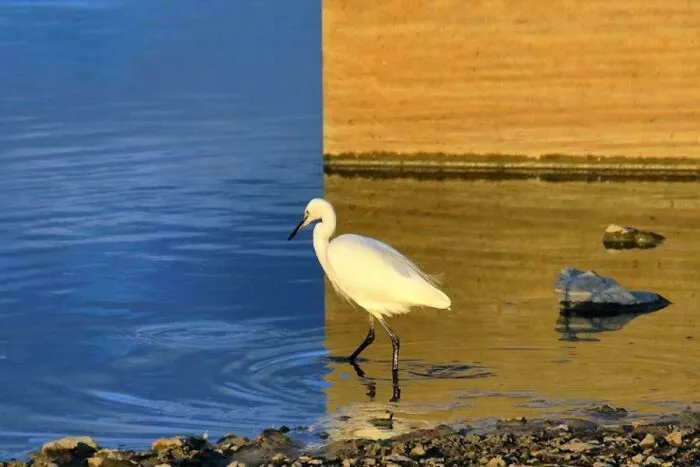
Over time, photography moved away from relying only on chemical plates and film. In 1987, Thomas Knoll developed Display, a program for editing images with pixels. Adobe bought the software and, in 1990, released it as Photoshop, a name now closely linked to digital image editing.
Photoshop was not the first tool for changing photos, but it made digital editing much easier and more powerful. Now, people could edit images without using darkroom chemicals or special printing methods. As digital editing became common, more people realized how easily a photo could show something that did not happen exactly as pictured.

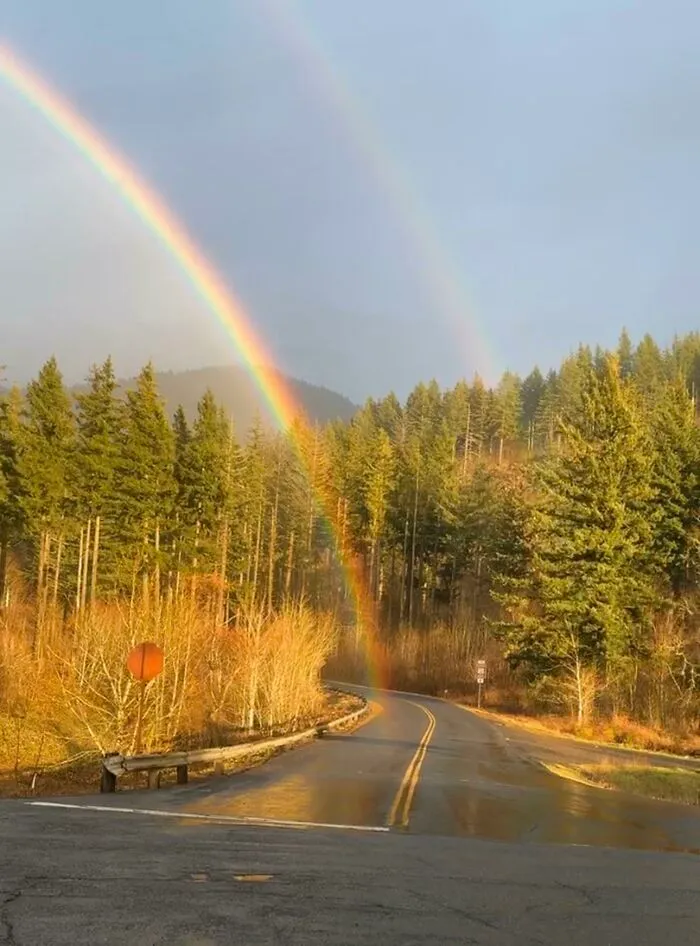
But why do we care so much if a photo is real or not? One reason is simple: we rely on our senses to understand the world around us. But our eyes are not perfect recorders. We miss things, pay attention to certain details, and our brains interpret what we see instead of just copying reality.
What we expect can shape what we notice. The American Psychological Association found that people can see the same unclear image in different ways, depending on what they expect or want to see. In one study, motivation changed which parts of the image people focused on. This shows that perception is more than just taking in visual information.
This is why it feels so satisfying to find out a strange photo is real. The picture surprises us at first, then lets us solve the mystery. We want to know what really happened because photos seem to show reality directly, even though every photo is shaped by choices about when and how it was taken.

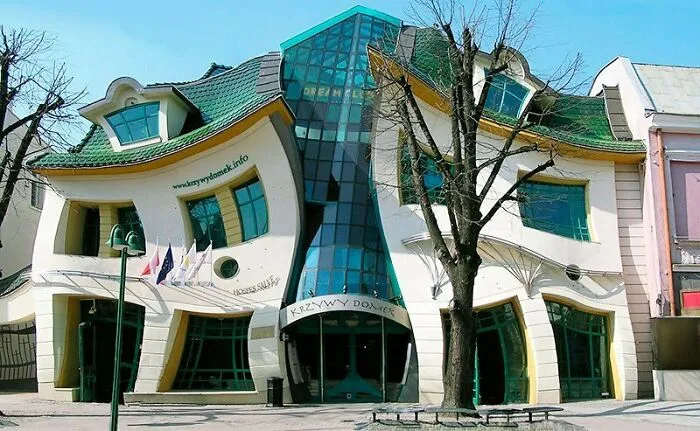
#18 This Is Not Photoshop Or A Mirror Reflection: There's Really A House Like This In Poland, Krzywy Domek
Maybe that’s why photography is so important, beyond just asking if a picture is “real.” We care about photos because we give them meaning and notice the decisions that go into making them. Alfred Stieglitz spent much of his career showing that photography could express ideas and emotions just like painting or sculpture.
Stieglitz came to see photographs not just as records of what was in front of the camera, but as ways to show the photographer’s own experience. The way a photo is composed, the timing, the light, and the subject can make an ordinary moment feel special. When a real photo looks impossible, maybe we’re drawn to it because we see both reality and the artist’s choices at the same time.
Can you see the artistic hand behind these photos? Which one is your favorite? Share your thoughts in the comments!