


#21
#22
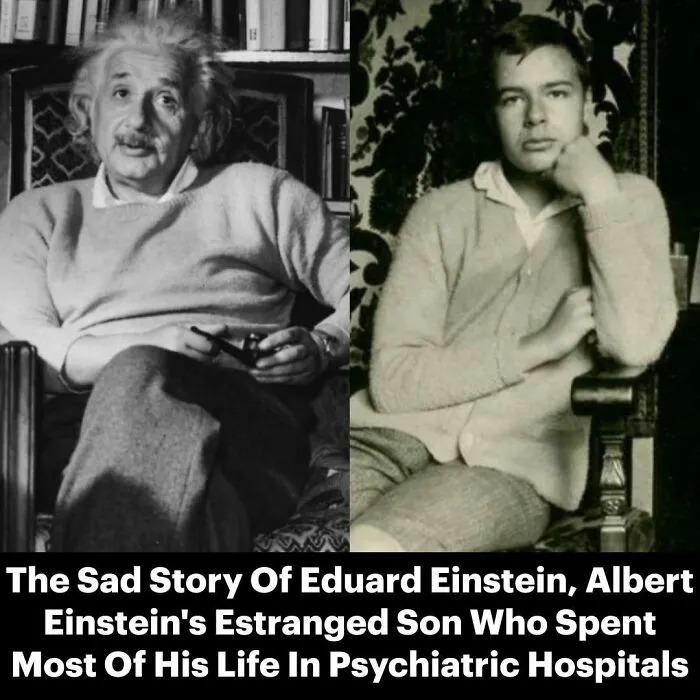
Eduard, however, purportedly never forgave his father for abandoning the family. Interested in psychiatry, he also mused about the impact of having a famous father, once writing to a friend, "People who fill their time with intellectual work bring into the world sickly, nervous at times even completely idiotic children (for example...me)." Meanwhile, Eduard's behavior became increasingly erratic, and he was diagnosed with schizophrenia in the early 1930s. Shortly thereafter, Albert left Europe for the U.S.
Though father and son initially stayed in touch, they would never see each other again. Albert became more distant as Eduard's mental health problems deepened, and by the end of Albert's life, he was estranged from his son, who remained in psychiatric hospitals until his death in the 1960s.
Clearly, the news we consume has a significant impact on our thoughts, emotions, and overall mental health. While staying informed is an important part of being an engaged citizen, it's equally important to pay attention to how that information affects us personally. Taking breaks from the news, setting boundaries around media consumption, and intentionally seeking out positive or inspiring stories can help create a healthier balance. The goal isn't to ignore difficult realities but to ensure that they don't completely overshadow the good that exists in the world.
#23
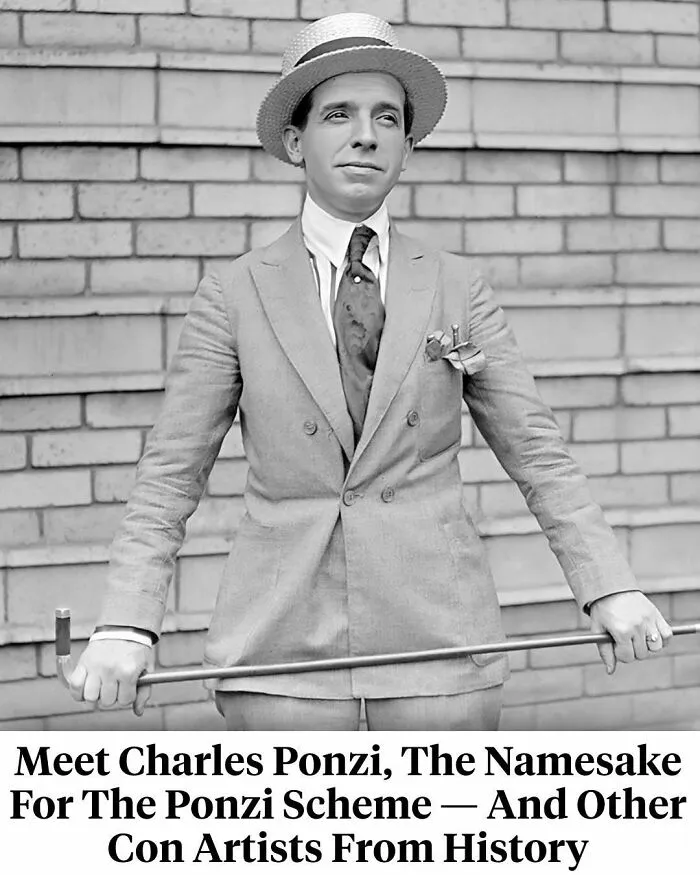
A fraudster from the early 20th century, Charles Ponzi has since become the most notorious con man in United States history. In fact, the term "Ponzi scheme" for an illegitimate operation was coined for him. The international postal coupon system caught his eye when he realized he could buy massive quantities of postal coupons from countries with weak economies and redeem them in countries with stronger ones. With the promise of a return on investment, Ponzi used trained sales agents to pitch to potential investors. However, Ponzi just pocketed the money.
In just six months, he had over 40,000 investors, making him a millionaire who could afford a mansion, multiple cars, and a gold-handled cane. While he was eventually caught and deported back to Italy, Charles Ponzi's name lives on in infamy.
#24

In December 1972, three farmers in Chile came upon two skeletal men shouting for help. They said they'd been in a plane crash two months earlier and 14 other passengers were still stranded up in the Andes Mountains. The men had spent the last 10 days hiking nearly 40 miles through the steep slopes in search of rescue, and their bravery had paid off. When the 16 survivors returned to Uruguay, everyone wanted to know how they'd managed to live in the extreme conditions for 72 days, and the disturbing truth soon came out: They had eaten the dead bodies of their fellow passengers to avoid starvation.
#25
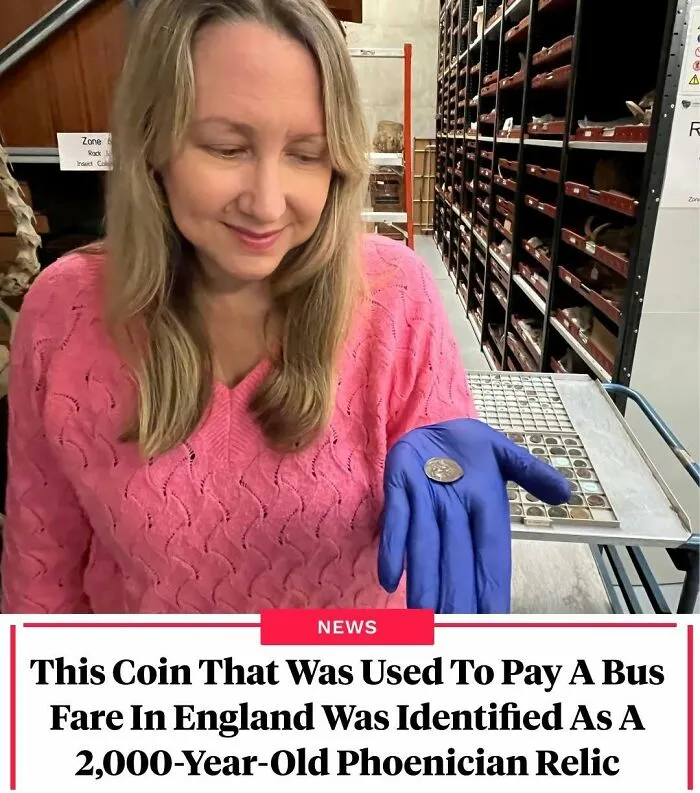
A coin that someone used for bus fare in Leeds, England in the 1950s has been identified as a 2,000-year-old Phoenician relic. When the city's chief cashier, James Edwards, later plucked it out from the pile, he took it home to his young son, Peter. For 70 years, Peter kept his "treasure" in a small wooden chest — before investigating and eventually discovering its origins. Experts have now confirmed that the coin, featuring the god Melqart on one side and a pair of tuna on the other, was minted by Phoenicians in the Spanish city of Cadiz in the first century B.C.E.
#26

Being aware of what's happening around us helps us make informed decisions, participate in our communities, and better understand the world. The key is consuming news mindfully rather than endlessly scrolling through alarming headlines. The world contains both challenges and acts of kindness, both setbacks and progress. By making room for both perspectives, we can stay informed without becoming overwhelmed, and remain hopeful without becoming uninformed.
#27
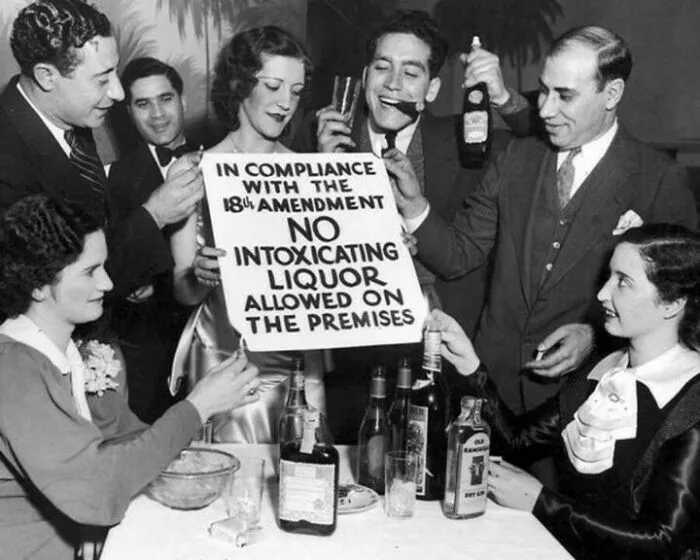
Since these new bars weren't regulated by law, women could enter and drink right alongside men. They soon began smoking and dancing, and the "flapper" was born. And with the rise of speakeasies, drinking became more of a social pastime, and venues started bringing in jazz musicians to entertain the crowds, helping to bring about the Jazz Age. Prohibition was ultimately repealed in 1933, but the drinking culture it inspired is still popular today.
#28
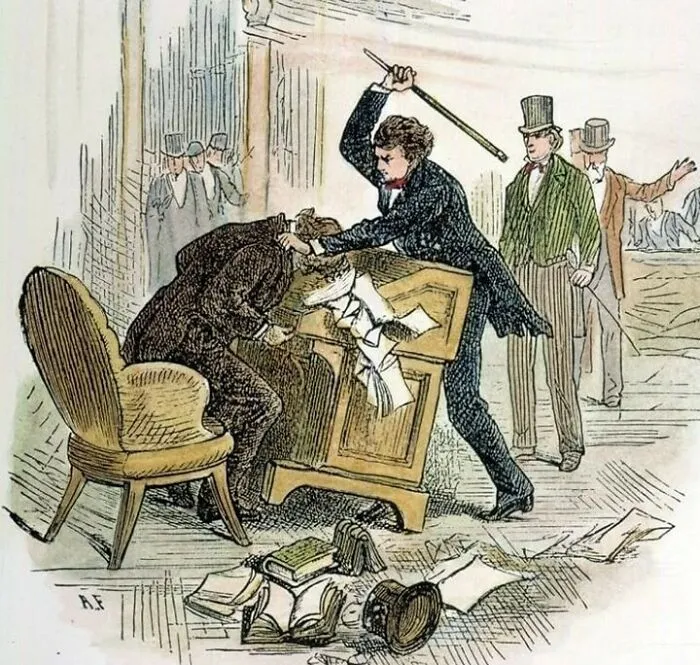
Eventually, other senators were able to intervene and restrain Brooks, who never apologized for the attack and never faced any charges. As for Sumner, it would be more than three years before he could return to the Senate, but the state of Massachusetts insisted on not replacing him, instead leaving his chair empty as a reminder of the attack — while an increasingly divided nation inched ever closer to civil war.
#29
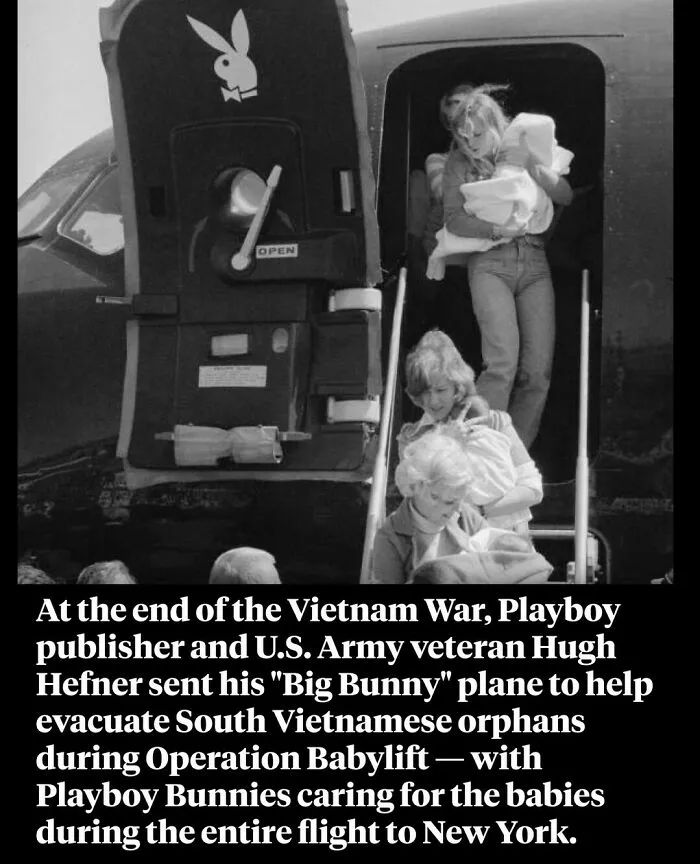
On April 9, 1975, Hefner sent his private plane "Big Bunny" to Saigon to help carry dozens of Vietnamese orphans to New York City, with Playboy Bunnies caring for the babies during the entire flight until they reached LaGuardia. Follow the link in our profile to see more of the astonishing rescue mission that helped save over 3,300 South Vietnamese babies before the fall of Saigon.
#30
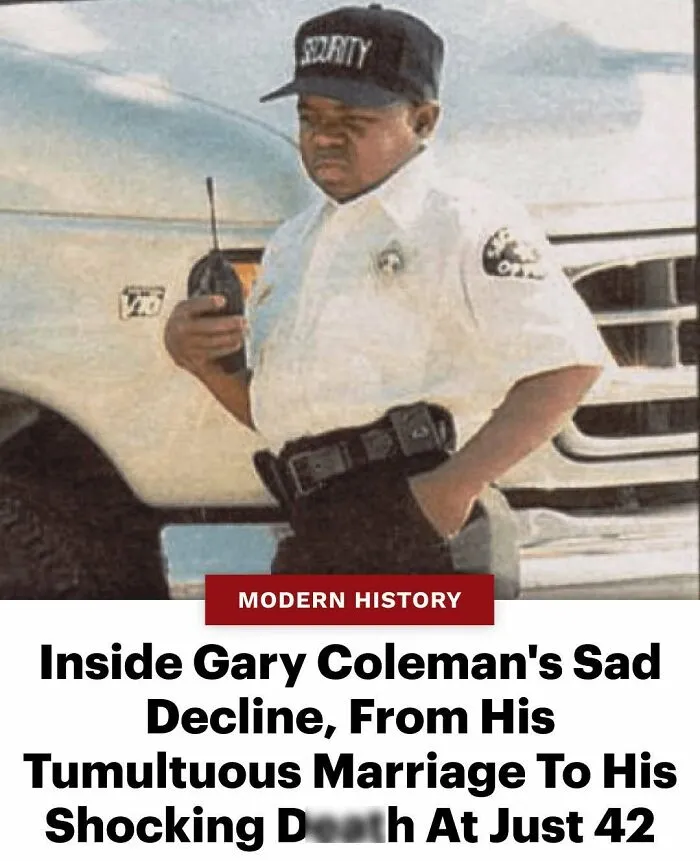
In his later years, legendary "Diff'rent Strokes' actor Gary Coleman had grown so disillusioned with people using him for his money and fame that he wrote in his will that he didn't want anyone who had a financial stake in him present at his funeral. Indeed, people had been taking advantage of the former child star from the moment he started acting. When he was 20, Coleman successfully sued his parents for $1 million of the roughly $3 million they misappropriated from him.
Later, his marriage to actress Shannon Price proved to be even more fraught. Coleman accused her of using him for his money, abusing him, and carrying on affairs behind his back. And even though the couple divorced less than a year after they were married, they lived together right up until Coleman's sudden death in 2010 — after which a bitter battle over Coleman's assets ensued. Learn more about the tragic life of Gary Coleman by following the link in our profile.
#31
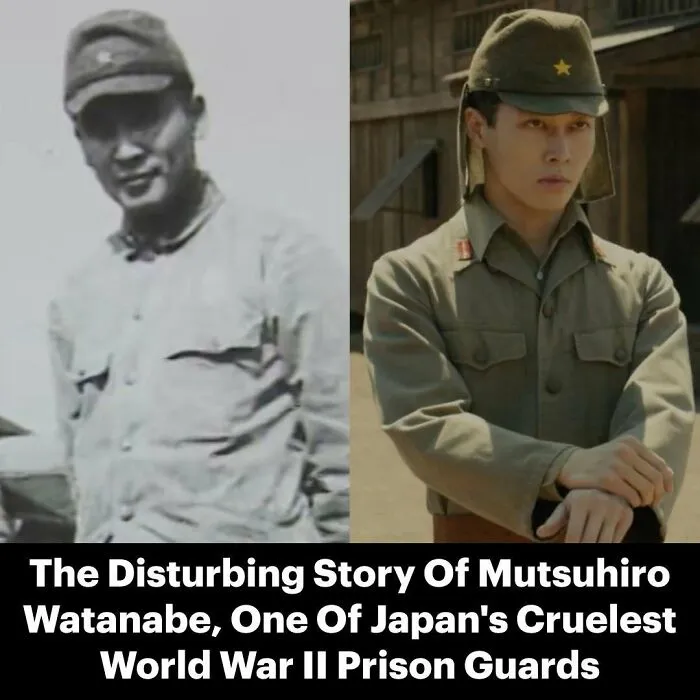
After the conflict ended, Watanabe was declared one of the most wanted war criminals in Japan. But he went into hiding — even his mother thought he had died — and the charges against him were dropped in 1952. Afterward, Watanabe had a lucrative career as a life insurance salesman and exhibited no remorse for his actions during the war. In a rare interview, he stated: "Beating and kicking in Caucasian society are considered cruel behavior. However, there were some occasions in the prison camp in which beating and kicking were unavoidable… I treated them strictly as enemies of Japan."
#32
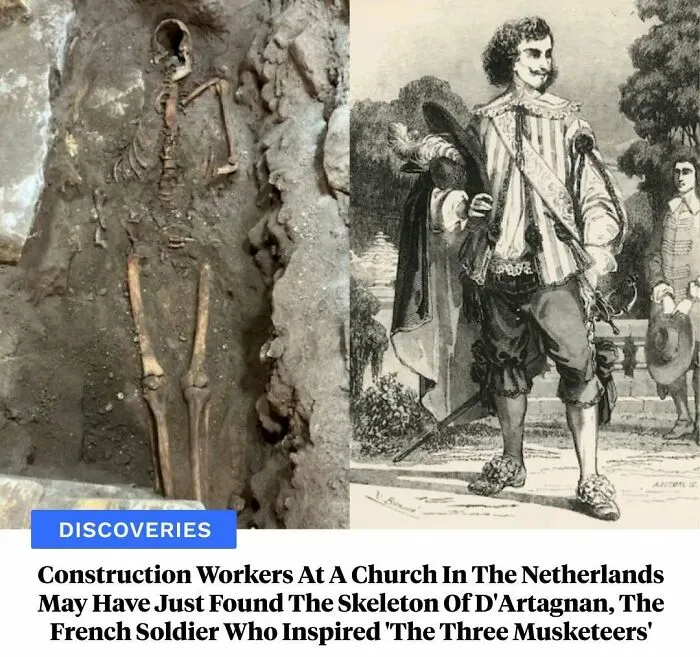
Experts believe that these remains belong to D'Artagnan, also known as Charles de Batz de Castelmore, a 17th-century French soldier who was captain of the Musketeers of the Guard, elite soldiers who served the royal household for 200 years starting in the early 1600s. D'Artagnan himself died while fighting the Dutch at Maastricht on June 25, 1673. Nearly two centuries later, his exploits inspired Alexandre Dumas to write his famous novel "The Three Musketeers."
#33
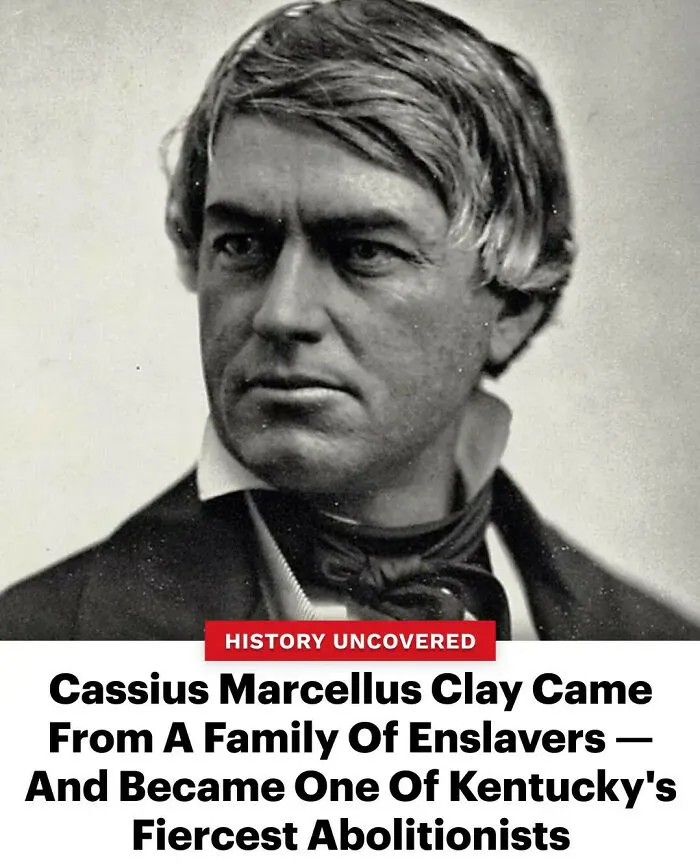
In fact, Ali's distant relative, Cassius Marcellus Clay, had been a slaveholder — before emancipating his family's slaves and becoming one of the country's most prominent abolitionists.
#34

However, new research just disproved this astonishing claim. Scientists analyzed DNA from four corpses interred in mausoleums in Kazakhstan that are believed to belong to Genghis Khan's relatives, with one of them perhaps belonging to his eldest son, Jochi. Researchers found that their DNA contains a specific signature that's different from the supposed Genghis Khan signature identified in the 2003 study. It's thus likely that far fewer men today are related to Genghis Khan than previously thought
#35

#36
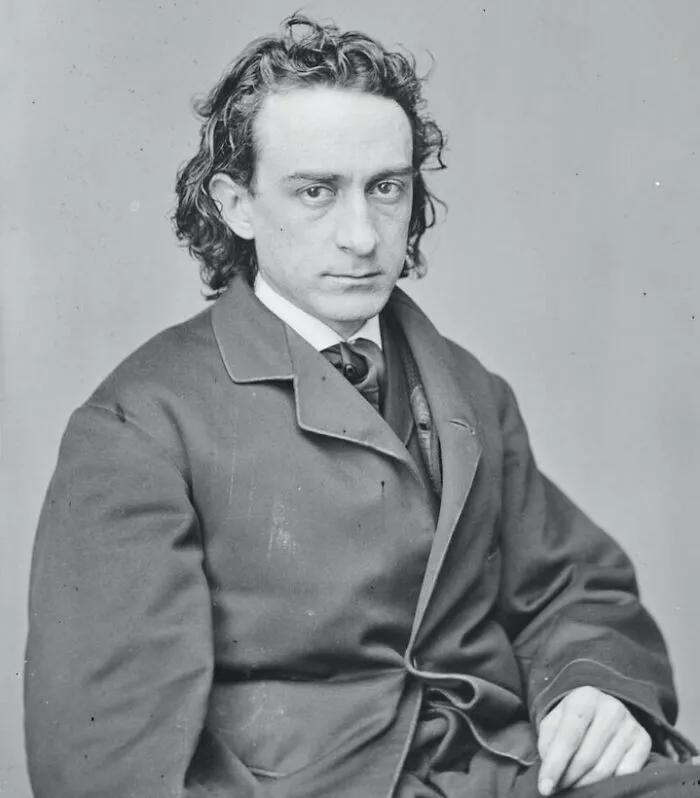
In an eerie twist of fate, it was Edwin's brother, John Wilkes Booth, who would go on to a***ssinate Robert's father just a few months later. And while Edwin was devastated over the president's death, he found comfort in the knowledge that he had once saved the life of Lincoln's son.
Click the link in our profile to learn more about the life of Edwin Booth, the famous actor who became a footnote in history after his brother k**led the president.
#37

Jordan Graham grew up in Kalispell, Montana, a small city just outside Glacier National Park. Her family was deeply religious, attending weekly worship and other events at Faith Baptist Church. Graham likewise met most of her friends through church, and she often told them about her dreams of getting married and starting a family.
When she met Cody Johnson, it seemed like that dream was coming true. The couple began dating in 2011 and on June 29, 2013, they were married. It was then, however, that Graham was overwhelmed with terror at the prospect of having s*x with her new husband. The very day after the wedding, she texted her friends saying she had "totally had a meltdown" and didn't know why she'd decided to marry Johnson.
All these emotions came to a head when Graham and Johnson were having an argument while hiking along a cliff in Glacier National Park eight days after the wedding. Graham said that Johnson grabbed her arm — then she, not thinking about where they were, "just pushed," sending her husband to his death.
#38
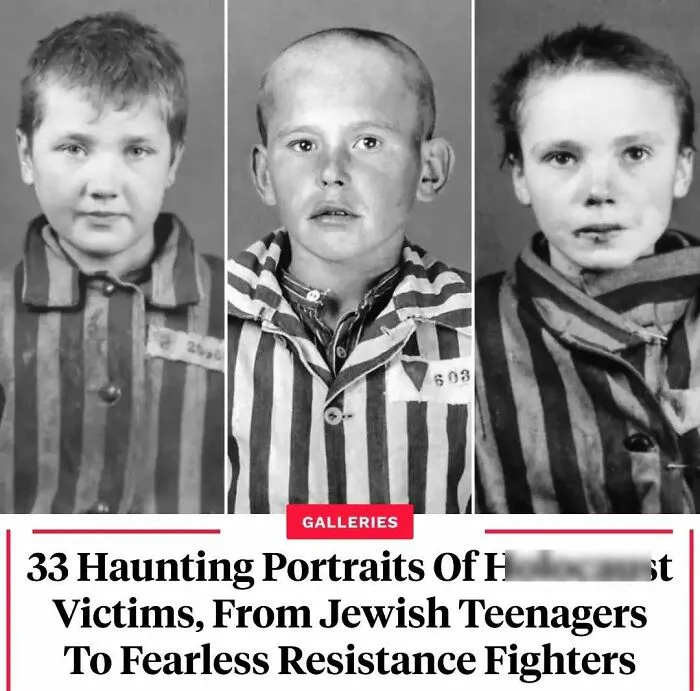
Czesława Kwoka, another girl from Poland, was sent to Auschwitz when she was 14. Upon her arrival, she was photographed by Wilhelm Brasse, a fellow inmate who was ordered to take portraits for each prisoner's file. Czesława couldn't understand the instructions from the German guards, so they brutally beat her just before her turn in front of the camera. Brasse later recalled, "She was so young and terrified... To tell you the truth, I felt as if I was being hit myself." Czesława was m**dered just a few months later, likely from a phenol injection to the heart.
#39
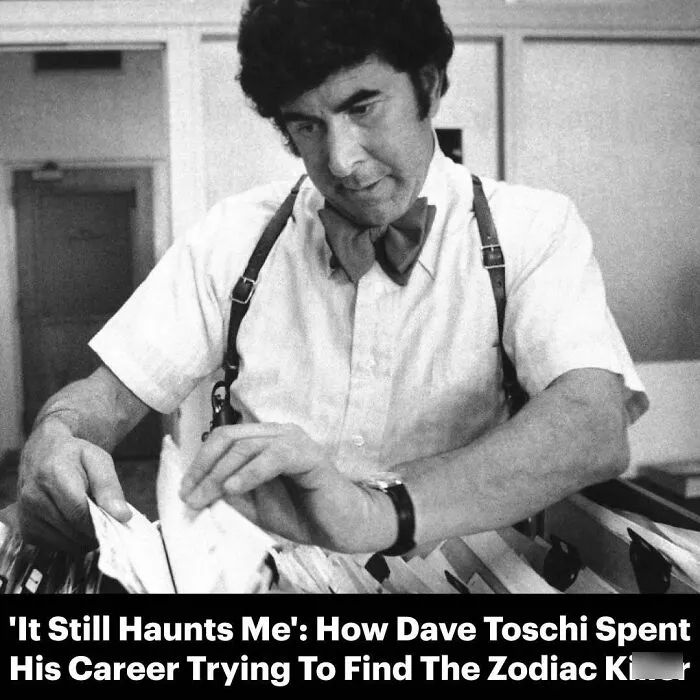
In October 1969, a cab driver named Paul Stine was m*rdered in San Francisco. The Zodiac k**ler, an anonymous m**derer who'd k**led several young couples in the Bay Area already, claimed credit for Stine's m**der and even sent a bloody piece of Stine's shirt to the San Francisco Chronicle. Stine was the first of the Zodiac victims to be k**led within San Francisco, and so the case landed on the desk of a San Francisco Police Department detective named Dave Toschi.
For the next decade, Toschi doggedly investigated the case, interviewing up to 5,000 people in his quest to unmask the Zodiac k**ler. He personally came to believe that the most likely suspect was Arthur Leigh Allen, a man who was reportedly writing a "novel" about a k**ler called "Zodiac" who k**led couples. But Toschi was never able to find enough evidence to connect Allen to any of the crimes.
Even after he left the case in the 1970s, Toschi continued to wonder about the identity of the Zodiac K**ler. But the perpetrator remains unknown to this day.
#40