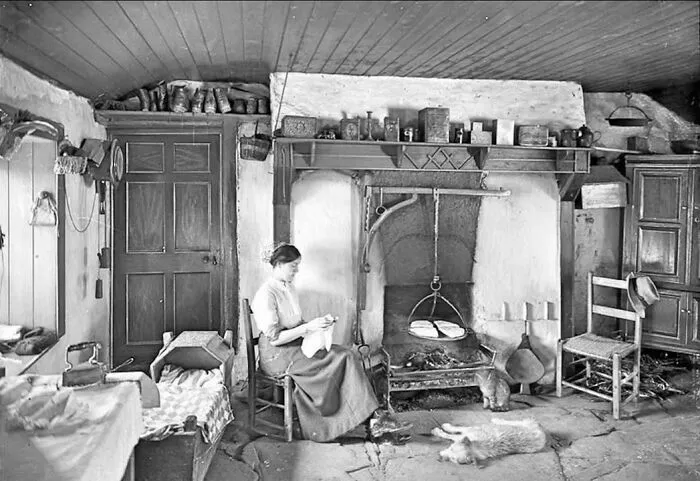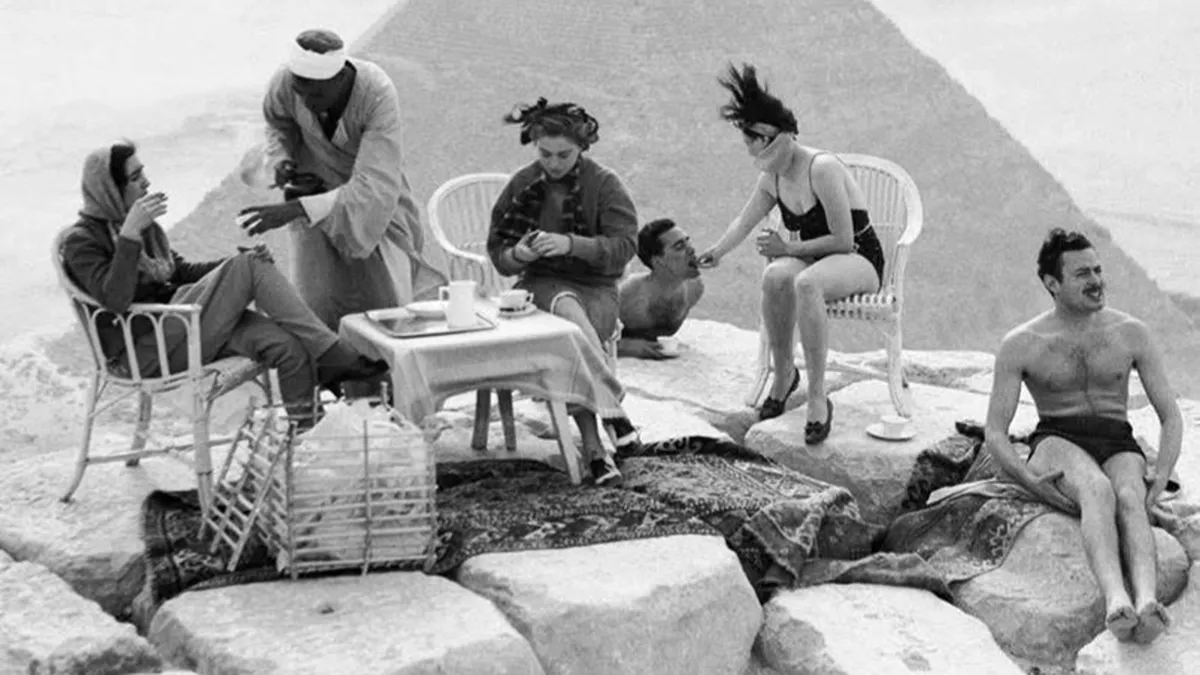


#1 This Reading Room At The Royal Portuguese Cabinet Of Reading - Rio De Janeiro, Brazil

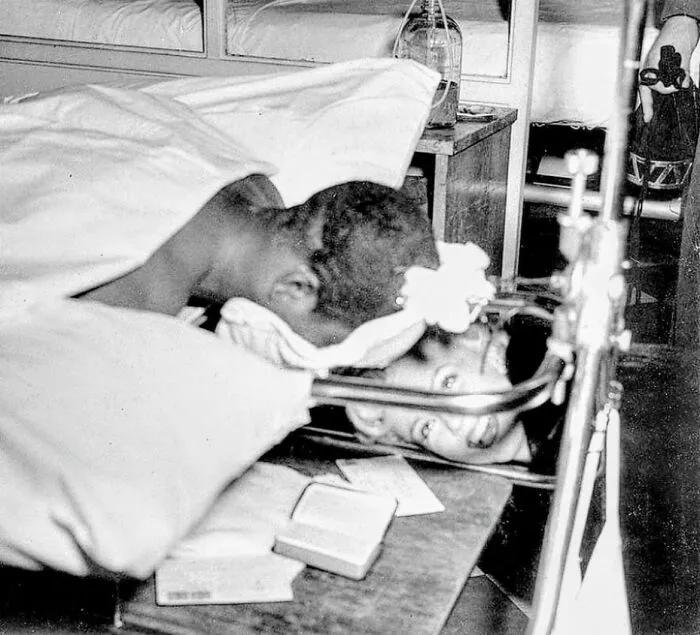
#2 Marilyn Monroe Visiting Injured Troops In Japan. This Soldier Had A Broken Back But It Didn't Stop Marilyn
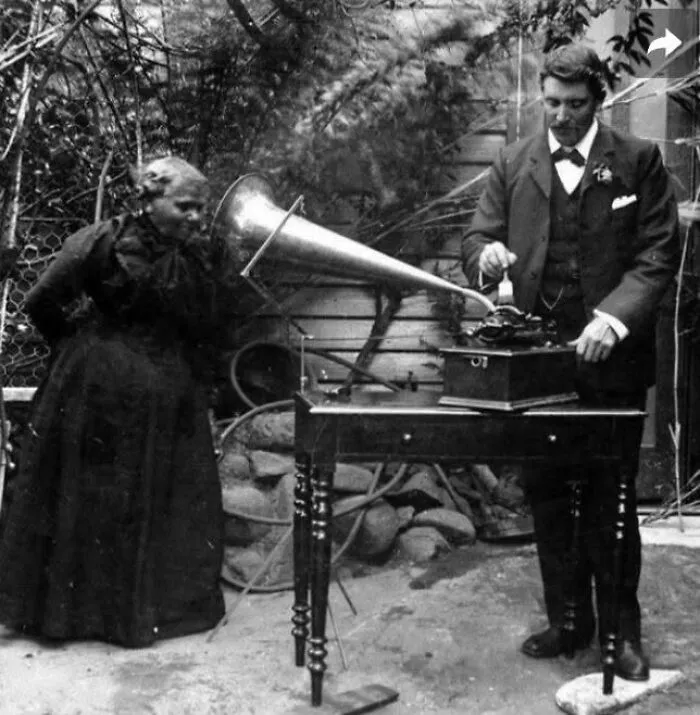
#3 Aboriginal Tasmanian Fanny Cochrane Smith Singing Into Her Phonograph In 1903. Without Her Efforts To Preserve Her Culture, We Would Have No Audio Traces Of The Tasmanian Language
It might be hard to imagine life without the internet, social media, mobile phones, laptops, and all the other things that take up all our time nowadays. But before all that, the days were slower, the work weeks longer, and many tasks were a lot more tedious.
If you think you work hard now, spare a thought for those who came before us. There was once no such thing as a weekend.
"The weekend was invented in Greater Manchester in 1843 when Salford Lyceum Director and workers’ rights activist Robert Lowes (also Sir Ian McKellen’s Great Grandfather) campaigned to win workers the right to leisure time on Saturday afternoons," reports We Invented The Weekend, the official site of a British festival that celebrates the joy of free time.
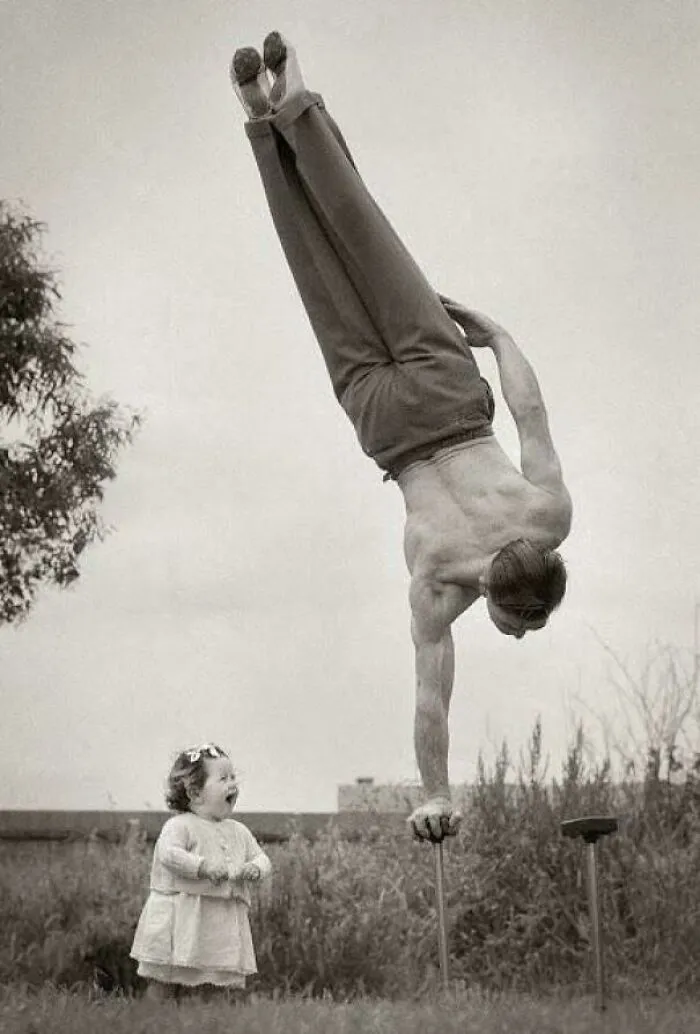
#4 Dad Showing Off His Skill To The Surprise Of His Little Daughter In Melbourne, Australia, CA. 1940s
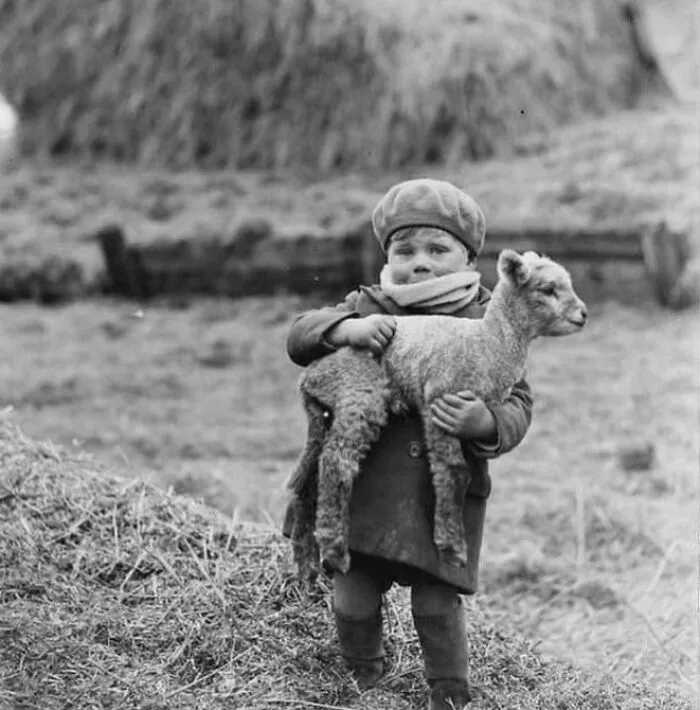
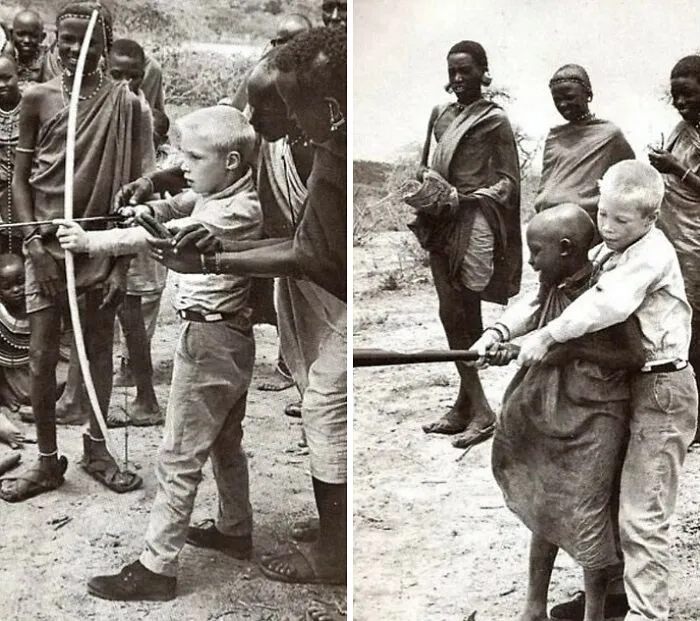
#6 Two Boys Show Each Other Different Skills, Kenya, 1962
But back then, a weekend wasn't as we know it now. The first taste of free time for British workers came in the form of Saturday afternoons off. Then, in 1908, a cotton mill in America introduced the first five-day workweek to allow Jewish staff to observe their Sabbath from sundown Friday to sundown Saturday.
Henry Ford followed suit in 1926, giving his staff Saturdays and Sundays off.
"He was also keen to set down a 40-hour working week," reports the BBC. "An altruistic move in part, it also gave his workers the opportunity to spend their down time buying consumer products, keeping cash circulating through the economy."
It was only in 1932 that the United States officially adopted the five-day work system.

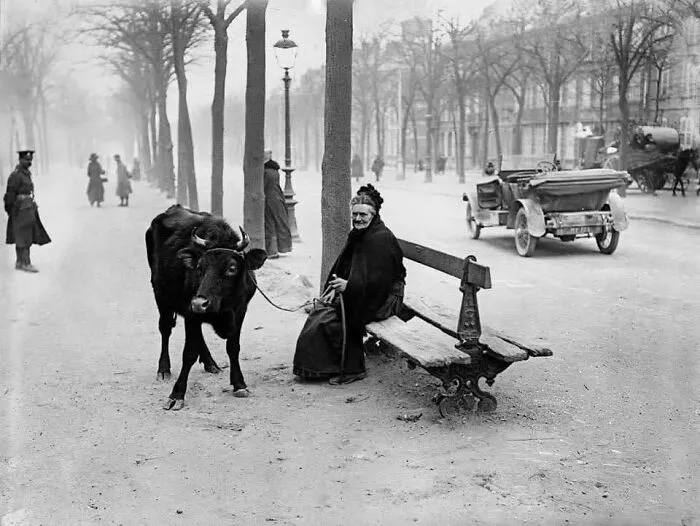
#8 An Old Woman Who Fled The Warzone With Her Cow, Sits On A Bench In Amiens, France, 28th March 1918

Nowadays, child labor is considered illegal in many places around the world. But that wasn't always the case. Not only did rural American children work on their family’s farms, but kids in cities were also toiling away. Some worked in mines and factories. Others sold newspapers and food, and a few spent their days shining shoes to help put food on the table
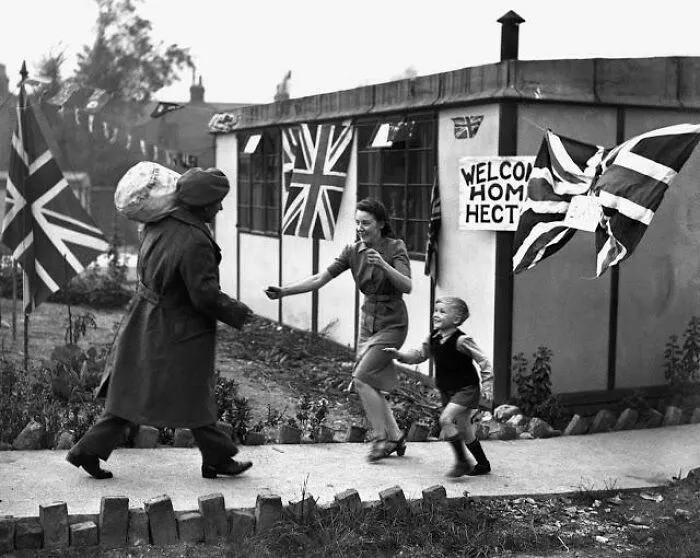
#10 1945: The Day Daddy Came Home
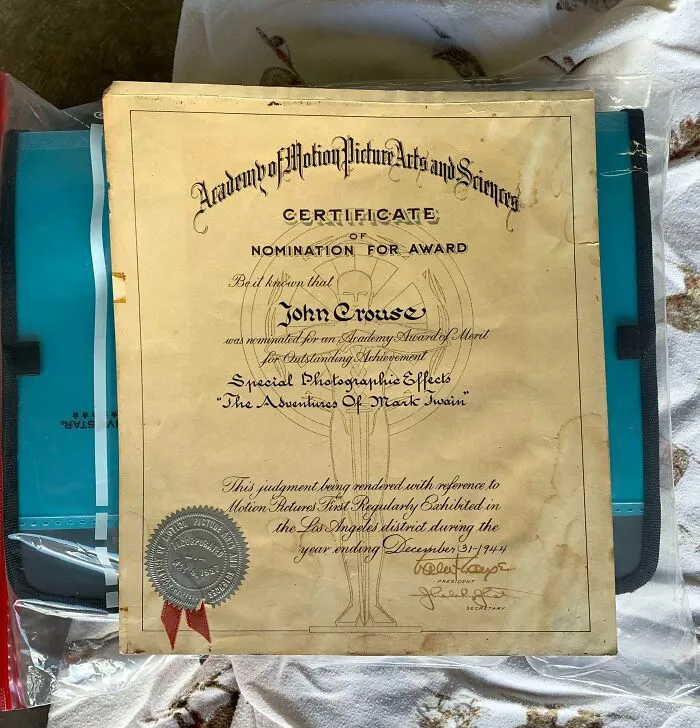
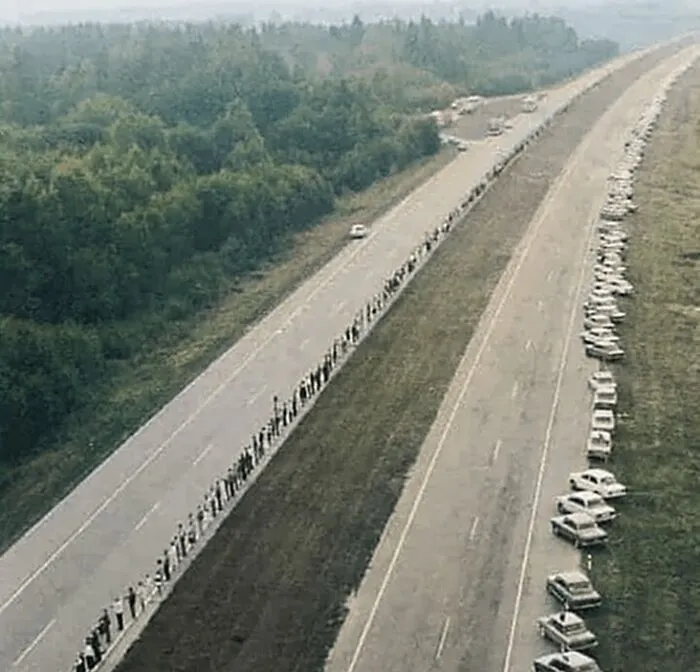
#12 In 1989, 2 Million People From Estonia, Latvia, And Lithuania Formed A Human Chain That Stretched 420 Miles
"Concerns over child labor found support among the Progressives—the growing number of people who believed government should take an active role in solving social and economic problems of society," reports the Library of Congress (LOC) site. "In 1904 the National Child Labor Committee was formed to advocate for children in the work force."
But it took a while before things finally changed.

"In the next few years, the federal government passed several laws to try to regulate child labor, but the Supreme Court declared them unconstitutional," explains the site. "Not until 1938 did the federal government successfully regulate the minimum age of employment and hours of work for children."
School life also looked different in the early 20th century. In fact, it wasn't until 1920 when all American states required students aged 8 to 14 to attend school. But only for part of the year.


#18 Oldest Door In Rome Dated 115 Ad. It's Also One Of The Only Two Doors In The World With A 2000 Years Old Lock That Is Still Working. It Was Cast In Bronze For Emperor Hadrian's Rebuilding

"In rural areas, the school year was somewhat shorter because young people were still needed to work on the farm," explains the LOC site. "Rural areas made the one room schoolhouse famous—in many of these, the grades studied together in a single room, and were taught by one teacher."
It adds that in urban areas, schools were larger and students worked in separate classrooms according to their grade level.