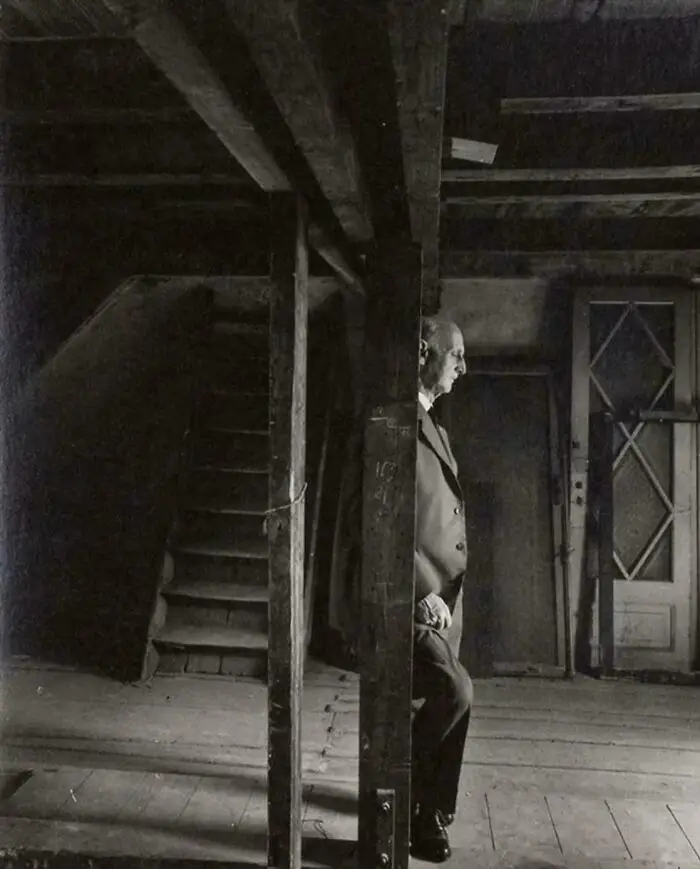
#3 Anne Frank’s Father Otto, Revisiting The Attic Where They Hid From The Nazis
The speed at which the world is changing is astounding. No sooner is some state-of-the-art machinery or technology developed, there’s a new generation of advancements that can make it outdated. If you are using the iPhone 14, chances are kids might tell you it's an old model since the iPhone 15 is available on the market.
These rapid changes are happening in almost every discipline—engineering, science, medicine, and architecture, amongst others. But here’s the thing: while we must change with the times, it’s also important to preserve our history.
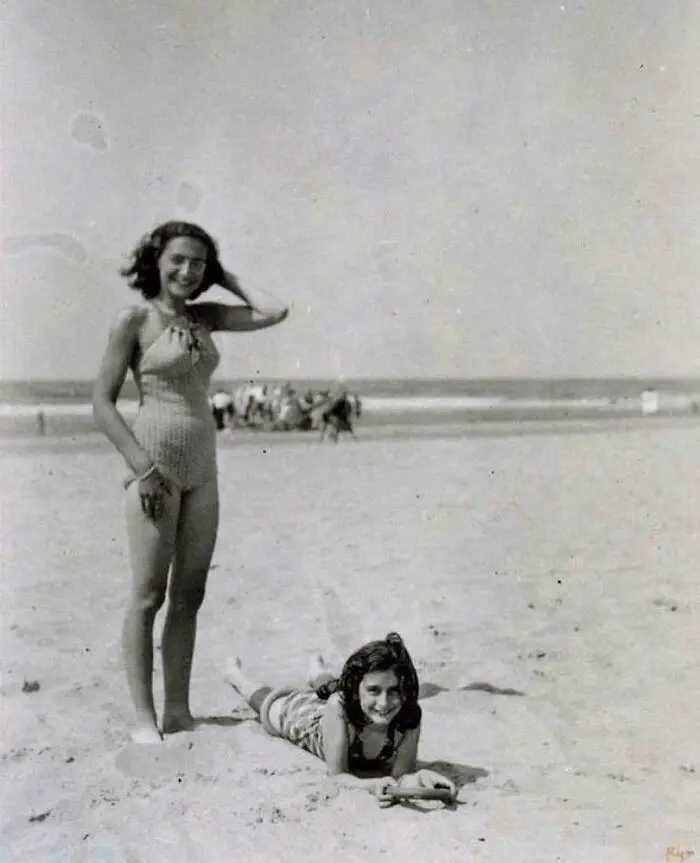
#4 Anne Frank Photographed With Her Sister Margot On The Beach, Zandvoort, 1940
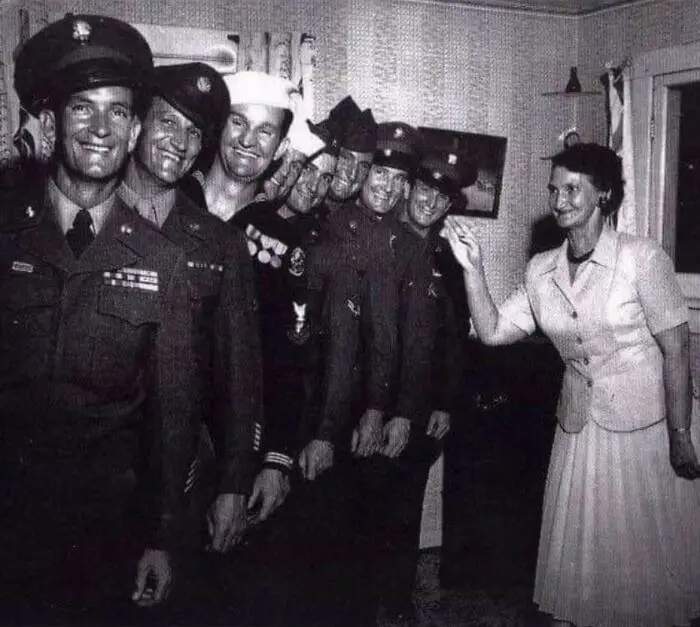
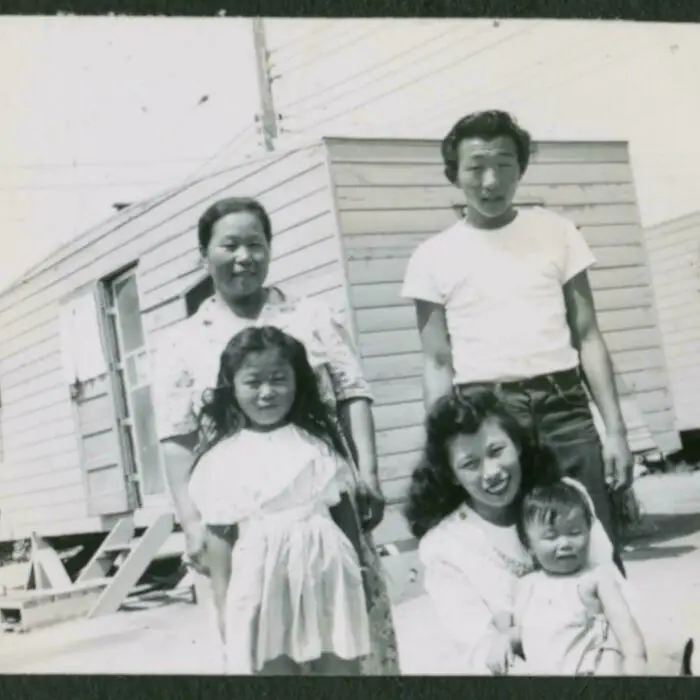
#5 A Photo Of My Family After The Japanese Concentration Camps In Los Angeles
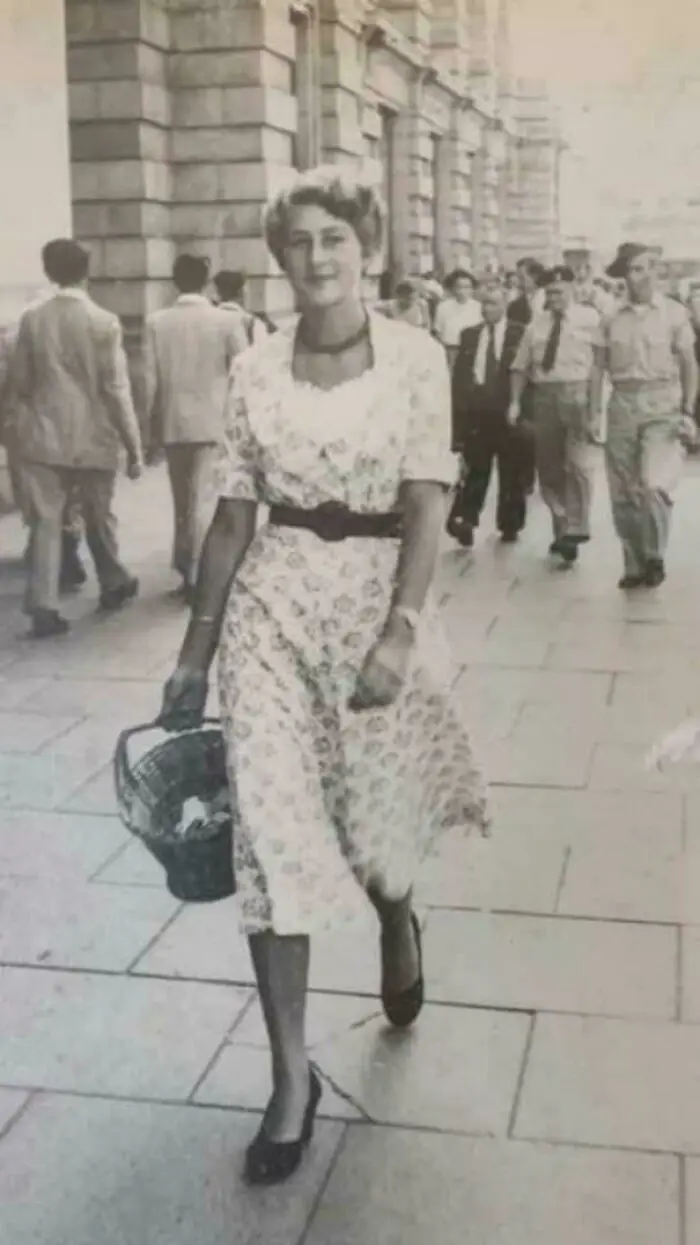
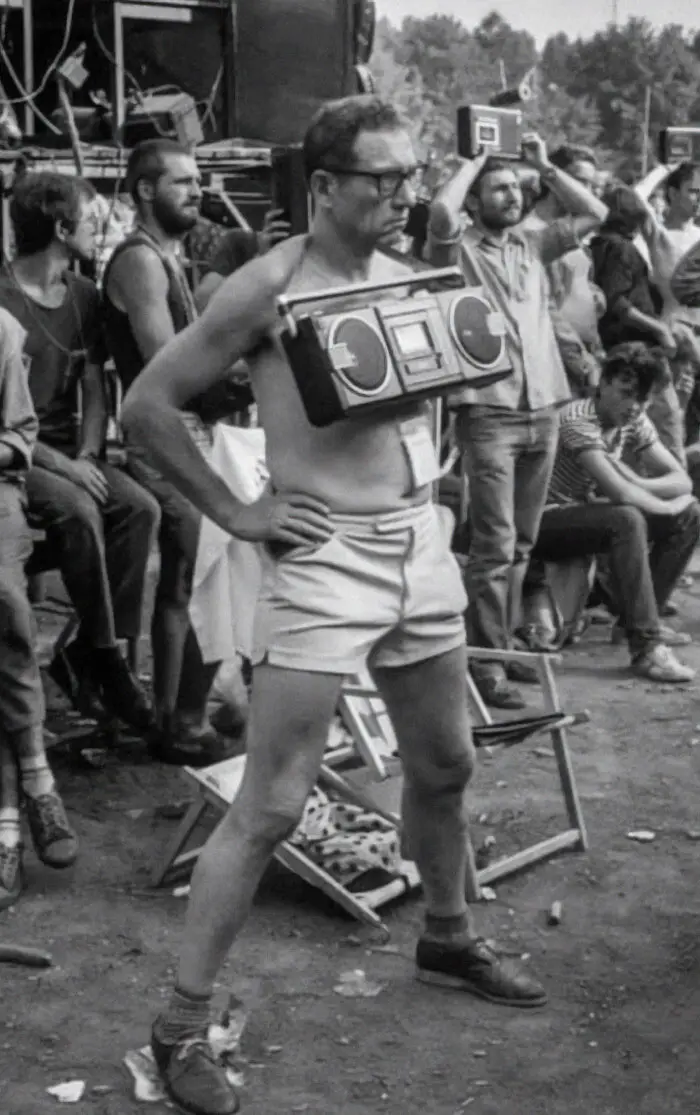
#6 Love This Photo Of My Nan Taken Some Time In The 60's By A Street Photographer
Studying history provides us with valuable insights, which help us make informed decisions and shape a more progressive future. And photos like these offer a glimpse into how things were back in the day.
In order to preserve a tangible physical connection to the past, several historical monuments have been protected and maintained over the years using historic preservation. By doing so we are able to gain understanding about the people and events that shaped our communities. Many cultural heritage sites, buildings, and structures link us to particular moments, locations, and occasions that marked important turning points in our shared past.
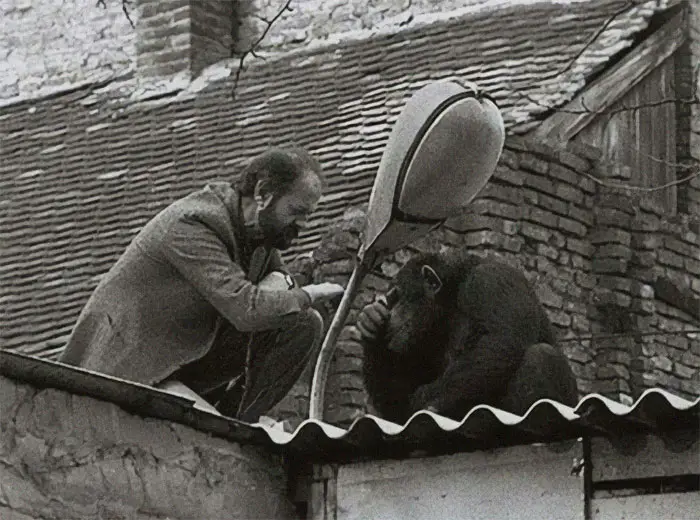
#7 The Director Of The Belgrade Zoo Urges Sami The Chimpanzee To Return Home After He Escaped, 1988
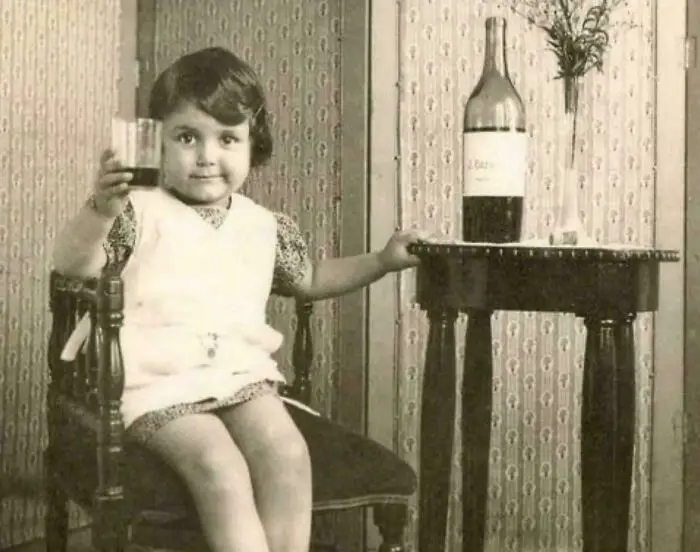
#8 Until 1956, French Children Attending School Were Served Wine On Their Lunch Breaks
Additionally, safeguarding also helps us to promote sustainability as we are reusing existing structures, and preserving natural resources. When monuments are cared for properly, they can be open for public viewing, allowing for the continued appreciation of our past. Sometimes it also helps to generate economic benefits as it creates jobs.
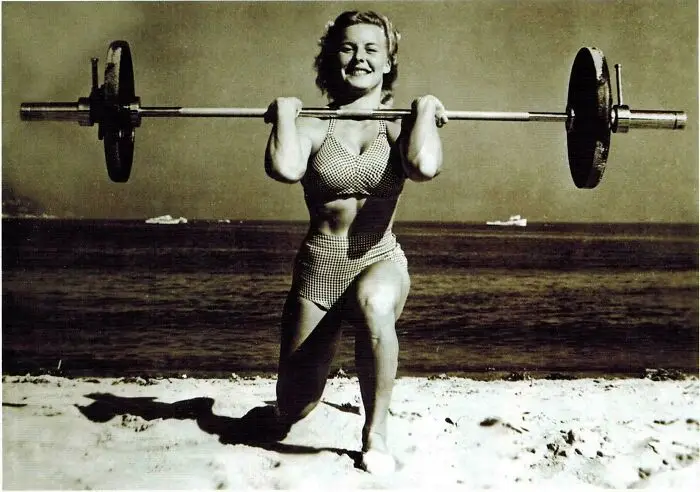
#11 Abbye Stockton Mid Liftting 135 Lbs In The 1940s, She Makes It Look So Easy For Her
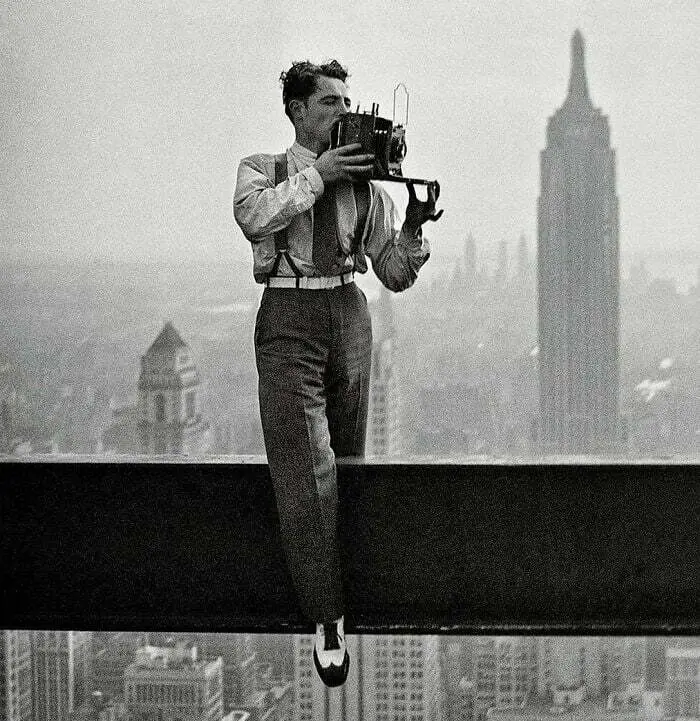
#12 Charles Ebbets, The Man Who Took The Famous Photo Called 'Lunch Atop A Skyscraper'(9/20/1932)
A place has to go through a comprehensive evaluation process in order to be approved for historical preservation. Firstly, the site should represent a notable period, event, or figure in history. For instance, it could have a unique architectural style or technique that represents a specific era or culture.
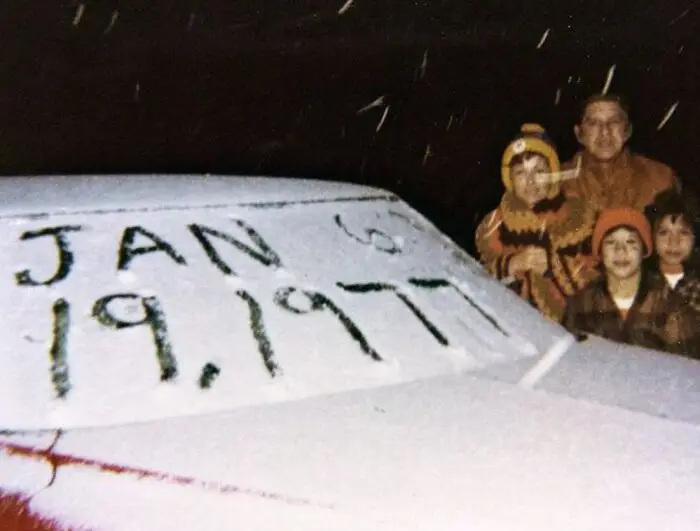
#14 On January 19, 1977, For The First And Last Time It Snowed In Miami, Florida
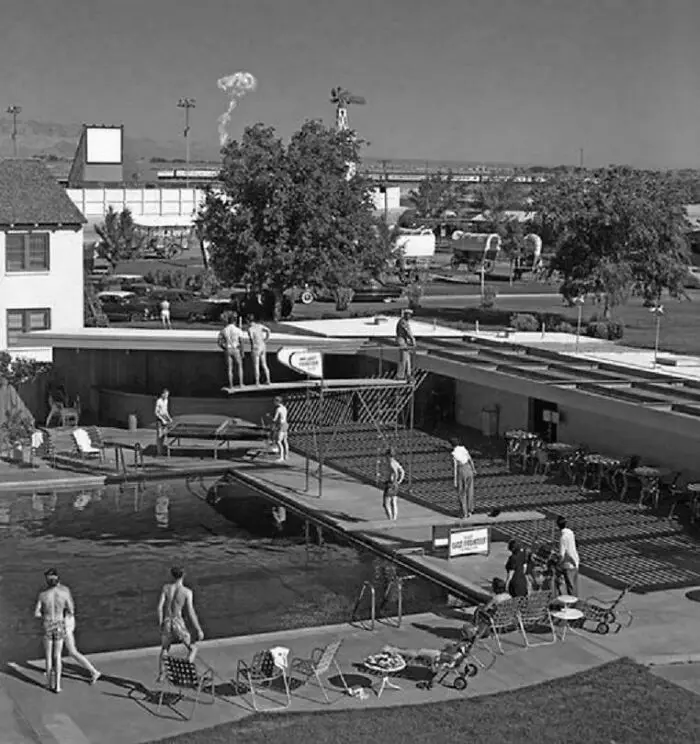
#15 Morning Bathers In Las Vegas Watch A Mushroom Cloud From An Atomic Test 75 Miles Away, 1953
After that, the physical condition of the site is evaluated. This is done to determine the extent of preservation needed. Historians, archaeologists, and other experts also usually review the site.
They then provide their fair recommendations to the authorities. In some cases, even public opinion is sought to ensure that the site’s preservation is valued by the community.
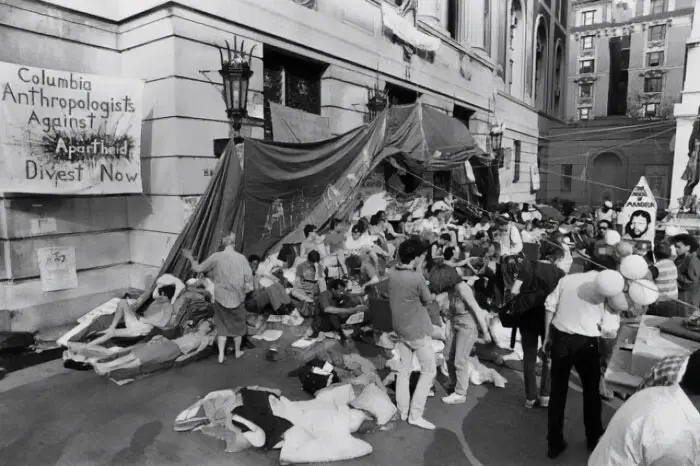
#16 Students At Columbia University Calling For Divestment From South Africa (1984)
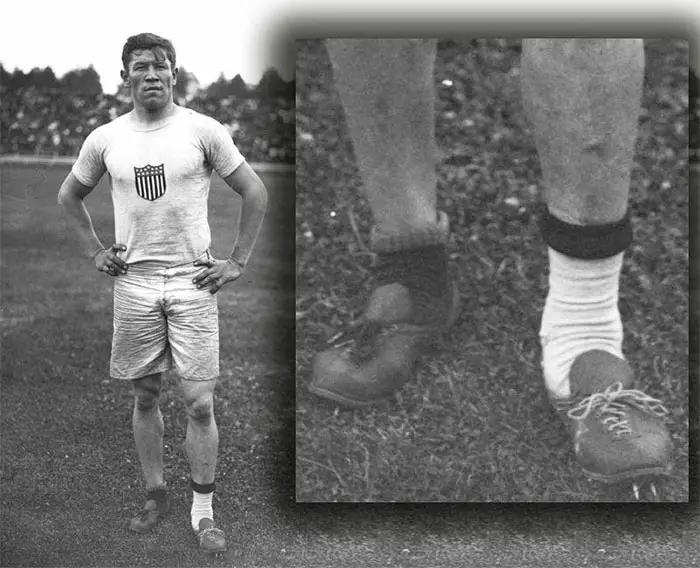
#17 Jim Thorpe. He's Wearing Different Socks And Shoes. 1912 Olympic. From U.S. Track And Field
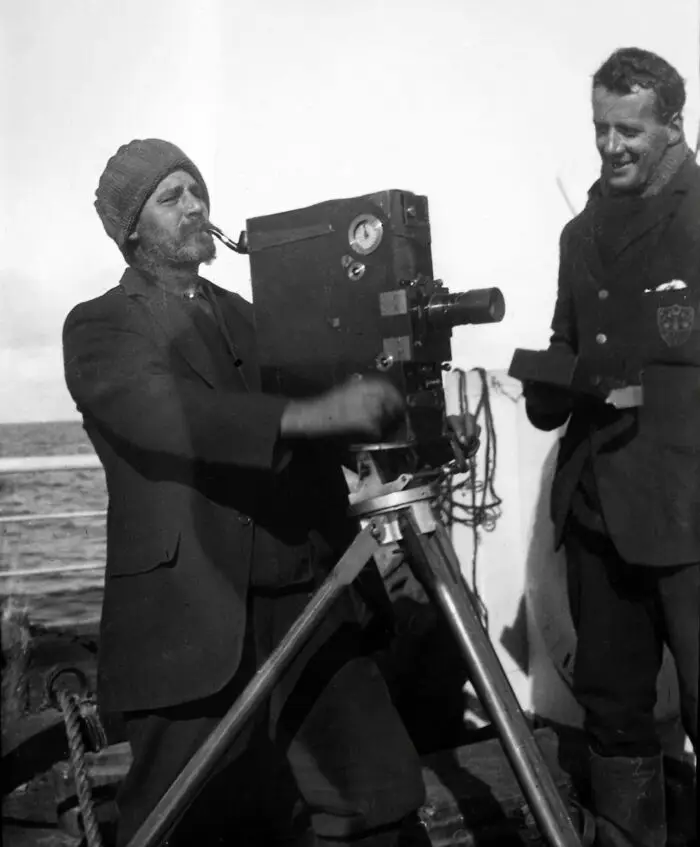
#18 Cleaned Up Image From Shackleton's British Antarctic Expedition, (1907-1908)
Many countries even have national and local laws that protect historic places. After much research and evaluation, an official nomination is prepared. There is a set of criteria for the selection to be accepted.
The final nomination is reviewed by relevant authorities or committees. In the case of international designations, it could be UNESCO.
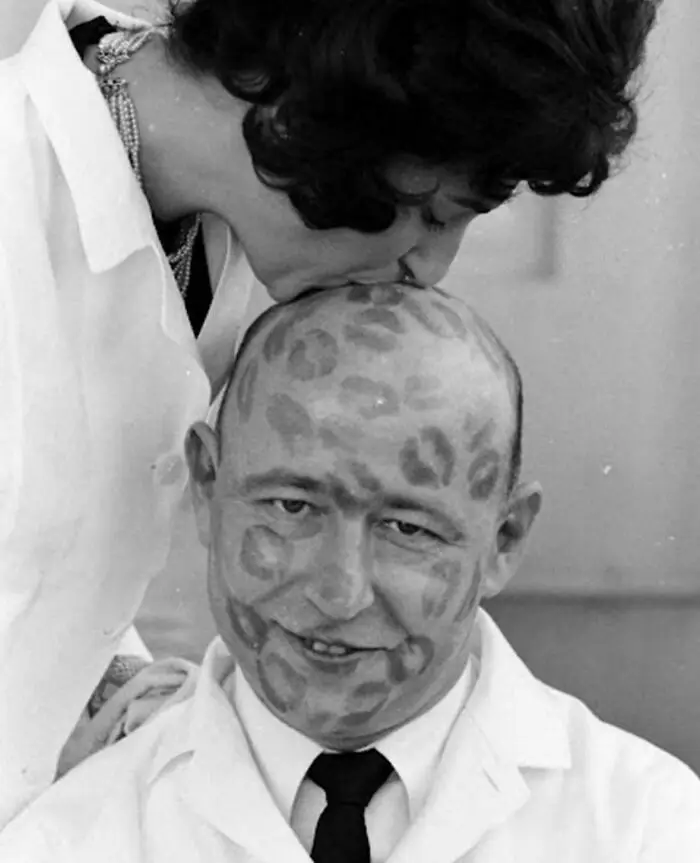
#19 A Lipstick Tester From The 1950s. Hired To Test Durability And Color Of Lipstick
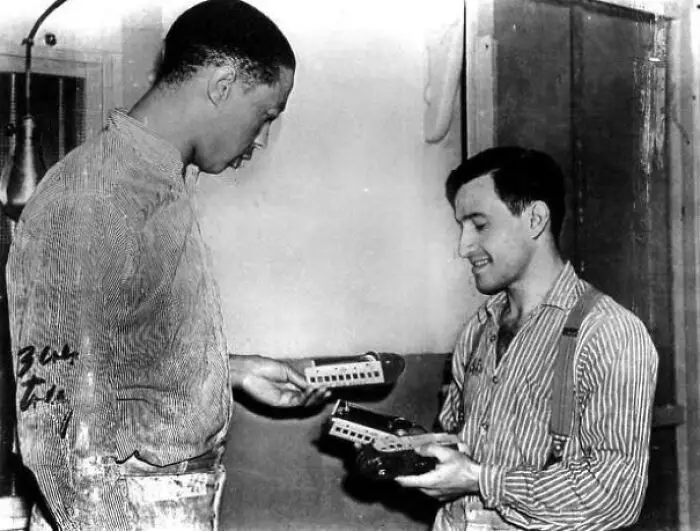
#20 Joe Arridy, The "Happiest Prisoner On Death Row", Gives Away His Train Before Being Executed, 1939