

Bored Panda
65 Rare And Extraordinary Photos Of Animals That Prove Nature Still Has Its Secrets
AnimalsMAR 22, 2026

65 Rare And Extraordinary Photos Of Animals That Prove Nature Still Has Its Secrets

92
11
Every time it feels like nature has run out of surprises, it pulls something completely unexpected out of nowhere.
Did you know that there’s a tiny hummingbird with a neon pink throat, or a frog that looks like it’s covered with stardust?
This is the kind of stuff that will make you believe that the world we live in is truly incredible.
And Instagram page @rawrszn, which has over 3.4 million followers, makes sure to show you just that with the rarest of rare pics — you can see some of the best ones here.

#21

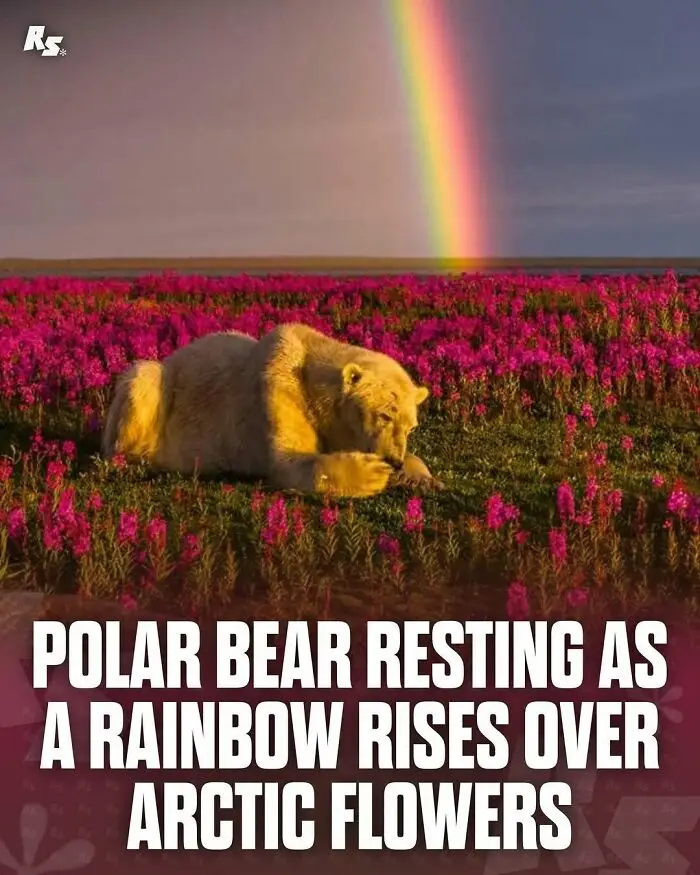
Polar bear resting in a vibrant field of Arctic flowers with a rainbow rising, showcasing rare animal photos in nature.
A polar bear rests in the Canadian Arctic as a rainbow stretches across the horizon behind it. During the brief summer season, parts of the landscape bloom with fireweed. Polar bears are closely tied to sea ice, where they hunt seals. When the ice retreats in warmer months, some individuals stay ashore, conserving energy while waiting for freeze-up to return. Captured by @mywildlive
Report
46points

#22

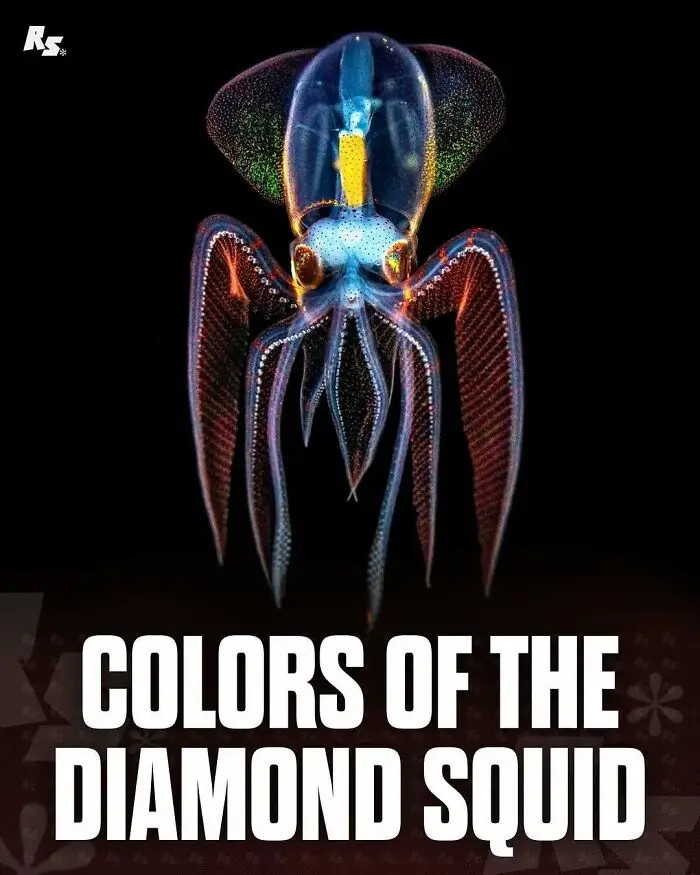
Transparent diamond squid with vibrant colors on a black background showcasing rare animal photos in nature’s hidden gems.
This diamond squid was photographed during a blackwater dive in Anilao, Philippines. The vivid colors visible across its body come from chromatophores, pigment-containing cells that squid can expand or contract to change their appearance.​​​​​​​​​​​​​​​​📸 @tobias_friedrich_photography
Report
45points

There’s a lot more to the ongoing discovery and understanding of rare animals beyond just cataloging life.

Ocean life, for example, quietly keeps the whole system running. Tiny organisms clean the water, while some species help keep nutrients moving so everything else can survive.

Some sea creatures have led to real-world breakthroughs, like cone snails that helped create powerful painkillers and sea sponges that inspired cancer treatments.

Studying horseshoe bats has helped scientists understand how viruses spread and how our immune systems can handle them without getting sick.

#23
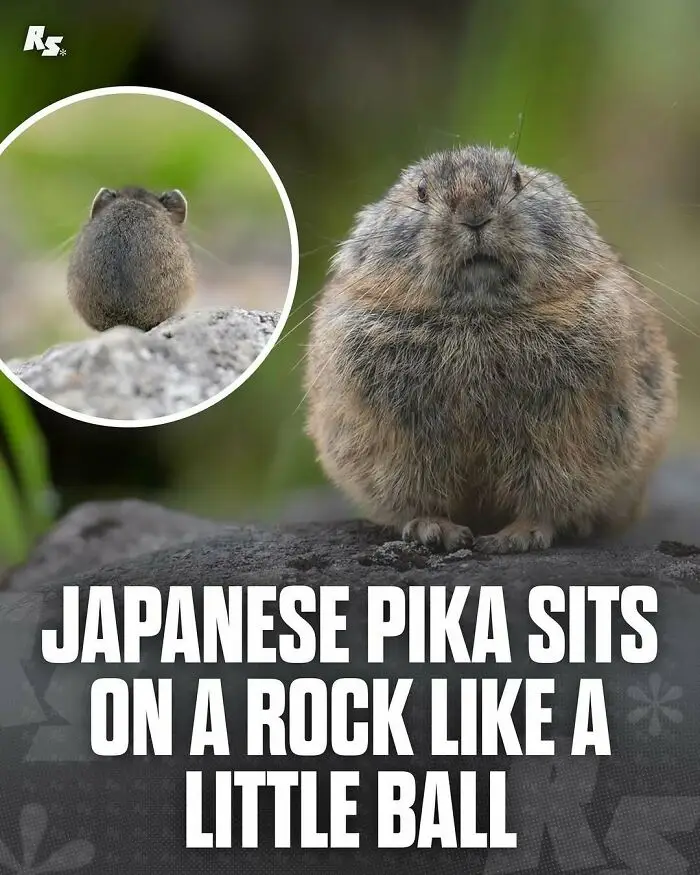
Japanese pika sitting on a rock, showcasing an incredible and rare animal in nature’s hidden gems collection.
The thick fur and rounded shape of a Japanese pika help it stay warm in cold alpine conditions. This small relative of rabbits lives among rocky slopes in Japan’s high mountains, including the alpine fields of Hokkaido. Japanese pikas do not hibernate. During the warmer months they collect grasses and other plants and store them between rocks to last through the winter. 📸 @takashi_okashi
Report
45points

#24

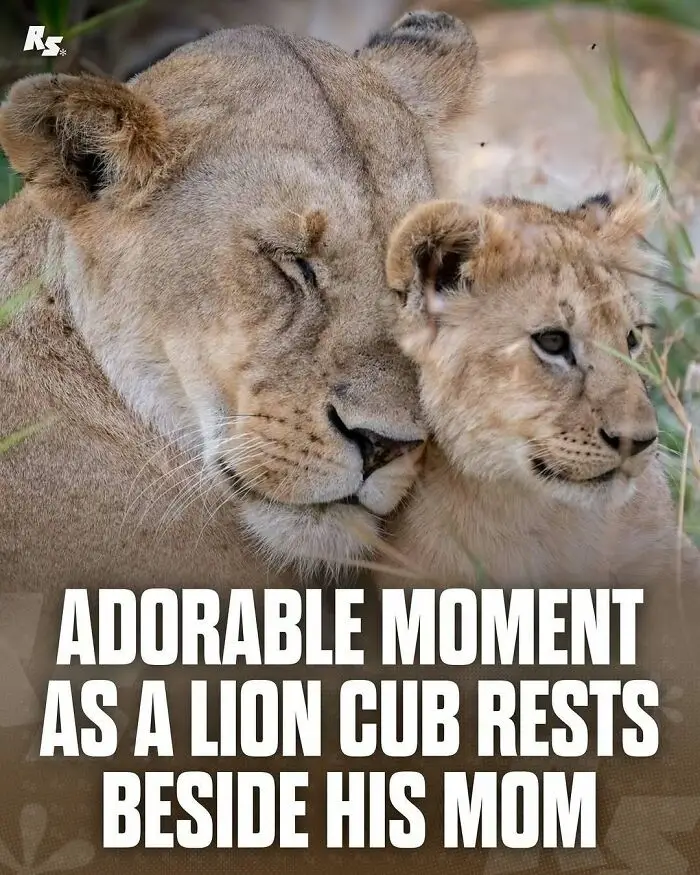
Lioness and cub sharing a tender moment in nature, showcasing rare animal photos of incredible wildlife encounters.
Lion cubs spend much of their early months close to their mother while she remains alert to her surroundings. These images were captured in Masai Mara, Kenya. 📸 @yswildlifephotography
Report
45points

So what does all this mean for us, beyond being wowed by amazing photos?

It’s a reminder that we’re not just spectators in nature’s story. We’re active participants; we’re part of nature itself. Our choices have real consequences for the survival of these incredible creatures.

The next time you see a hummingbird flash its neon gorget or a star-dusted frog, let it do more than amaze you… let it remind you that nature is worth fighting for.

#25
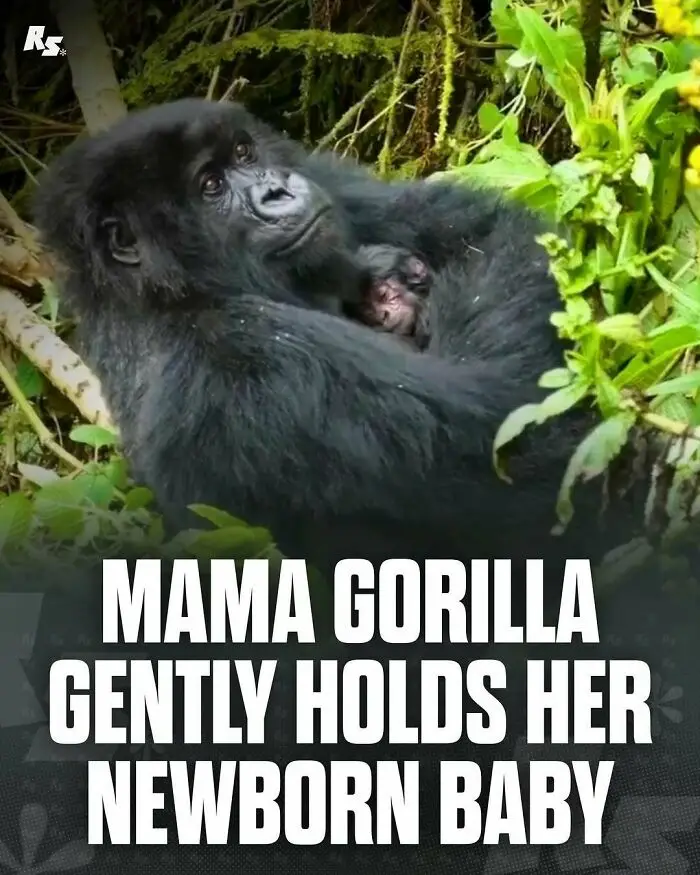
Mama gorilla gently holding her newborn baby surrounded by lush green foliage in rare animal photos of nature's hidden gems.
A mother gorilla keeps her newborn close, helping the infant stay warm and protected. During the first few months, gorilla mothers carry their babies constantly, keeping them in contact as they grow stronger. 🎥 Olivier Dusenge / @savinggorillas
Report
45points

#26

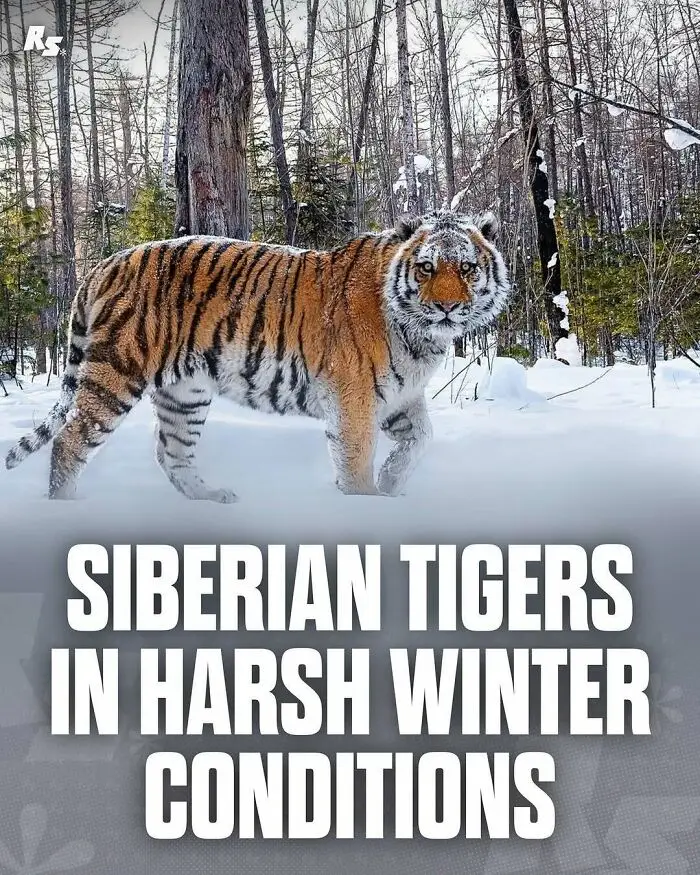
Siberian tiger standing in snowy forest showcasing rare animal photos of nature’s hidden gems in harsh winter conditions.
Siberian tigers are well adapted to cold climates. Compared to Bengal tigers, they grow thicker winter coats with dense underfur and longer guard hairs that help retain body heat. Their wide, furred paws spread weight across snow to reduce sinking, while seasonal fat along the belly and flanks adds insulation and serves as an energy reserve during the coldest months. 📸 @thomasvijayan
Report
44points

#27

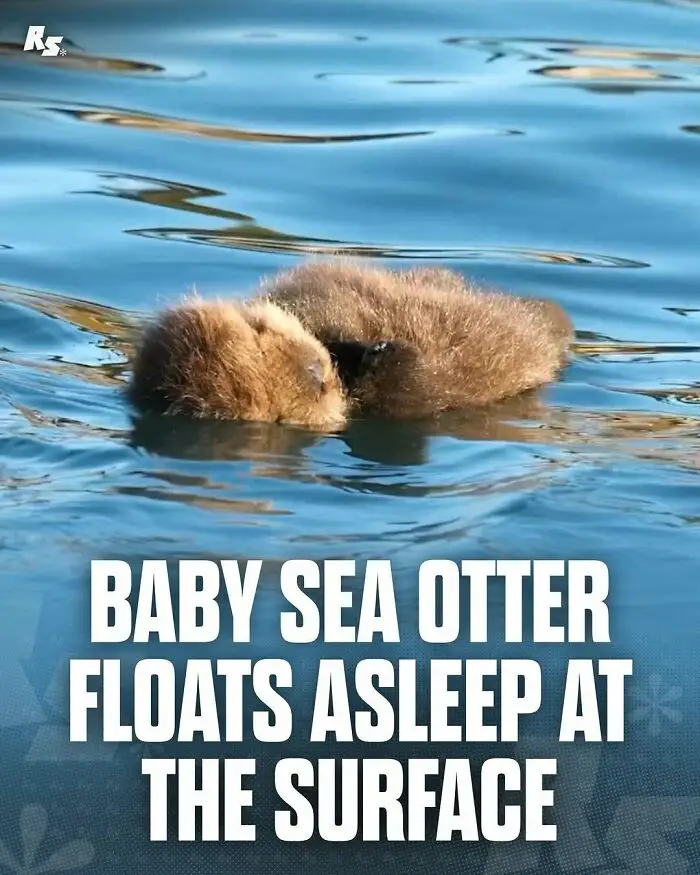
Baby sea otter floats asleep on water surface showcasing rare animal photos in nature's hidden gems.
Sea otters have the densest fur of any animal, with roughly 600,000 to 1,000,000 hairs per square inch. Instead of blubber, this dense coat traps tiny air bubbles that provide insulation and help keep them warm in cold ocean water. Young sea otter pups are born with extremely fluffy fur that keeps them buoyant, preventing them from diving underwater. This allows them to safely float while their mother grooms her fur or searches for food nearby. As the pup grows and its adult coat develops, it gradually learns to dive and forage on its own. 🎥 @tammy_ascher
Report
43points

#28

Culpeo fox pollinating rare chagual flowers in nature, showcasing incredible and rare animal behavior in Chile.
A culpeo fox was documented pollinating chagual (Puya alpestris) in the mountains near Santiago, Chile. After learning about this interaction, photographer Bernardo Segura spent several months placing and relocating camera traps as the plants bloomed at higher elevations. Foxes were seen visiting the inflorescences frequently, sometimes climbing to the tip to reach the flowers. The observations show that culpeo foxes help pollinate chagual and visit the flowers both during the day and at night. Captured by @bernardosegurafoto
Report
42points

#29

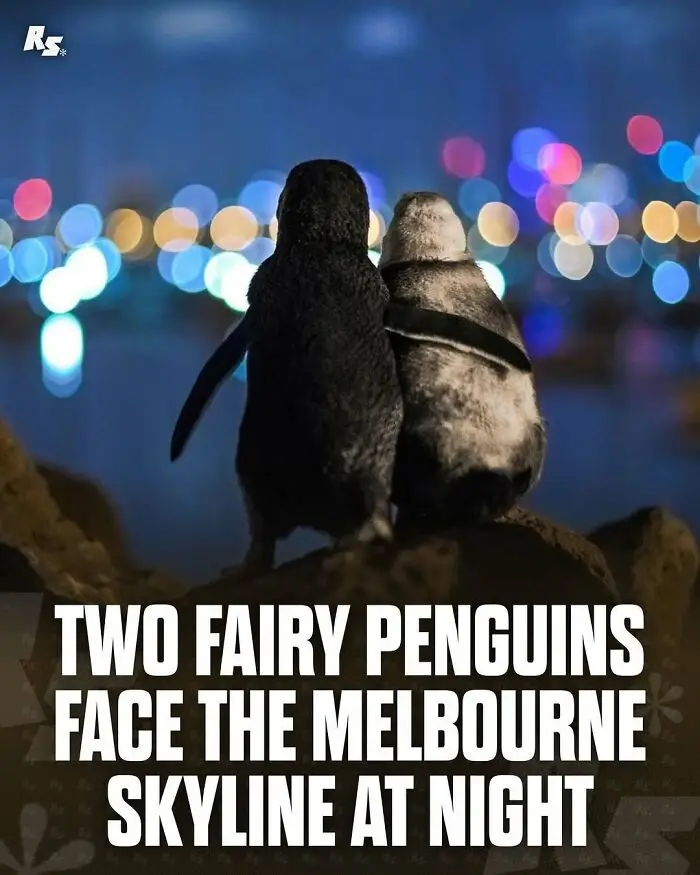
Two rare penguins sitting together facing the vibrant Melbourne skyline at night, showcasing nature’s hidden gems.
Two fairy penguins stand on coastal rocks with the lights of Melbourne glowing in the distance. Also known as little penguins, this species is the smallest penguin in the world, typically reaching about 33 to 43 cm in height (13 to 17 inches) and weighing around 1 to 1.5 kg (2.2 to 3.3 pounds). Large colonies live along southern Australia, including the well known population at St Kilda in Melbourne. These penguins spend most of their time at sea and usually return to shore after dark to avoid predators, often gathering along the coastline before moving inland to their nesting burrows. Captured by @tobiasvisuals
Report
41points

#30

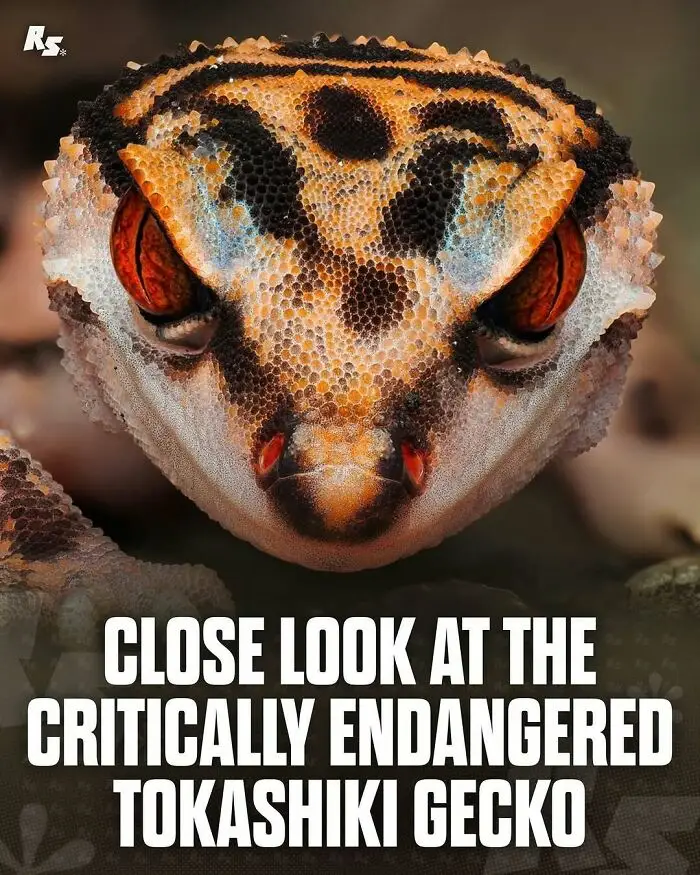
Close-up of a critically endangered Tokashiki Gecko showcasing unique patterns in rare animal photos from nature’s hidden gems.
A Tokashiki gecko (Goniurosaurus sengokui) rests on a road at night on Tokashiki Island, Japan. This small ground gecko is endemic to Tokashiki, an island of only 19 km² (7.3 mi²), and is listed as critically endangered. Very few observations have been recorded since the species was formally described in 2017. 📸 @twins_wild_lens
Report
41points

#31

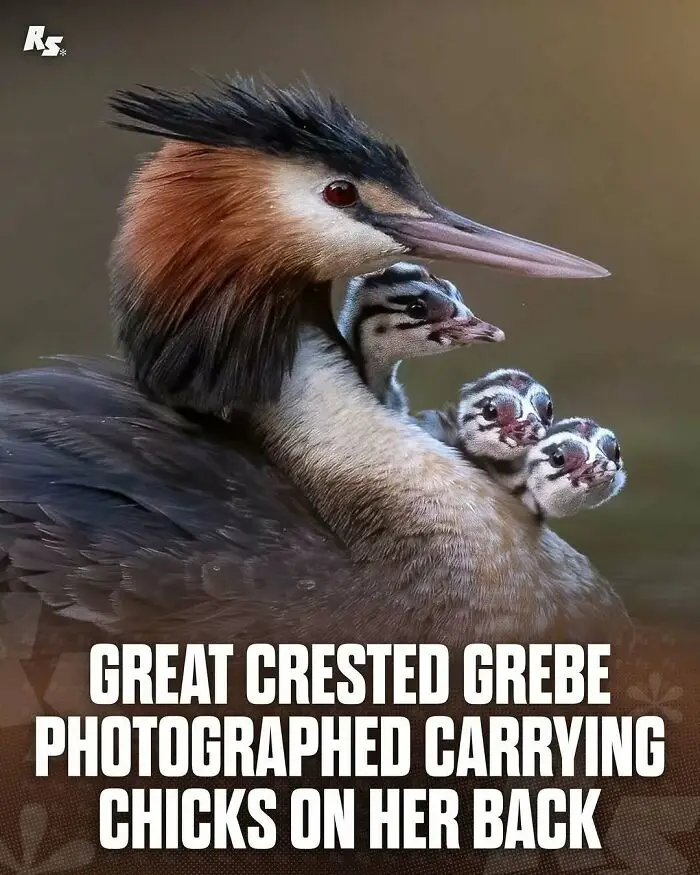
Great crested grebe carrying chicks on her back in a rare and incredible animal photo showcasing nature’s hidden gems
A great crested grebe carries her chicks on her back in Perth, Western Australia. Newly hatched chicks often climb onto a parent’s back and rest between the feathers. This helps keep them warm, protects them from predators, and allows the adult to swim while they conserve energy. Both parents take part in raising the chicks, frequently carrying them and bringing food while they ride along. 📸 @naidu_kumpatla
Report
41points

#32

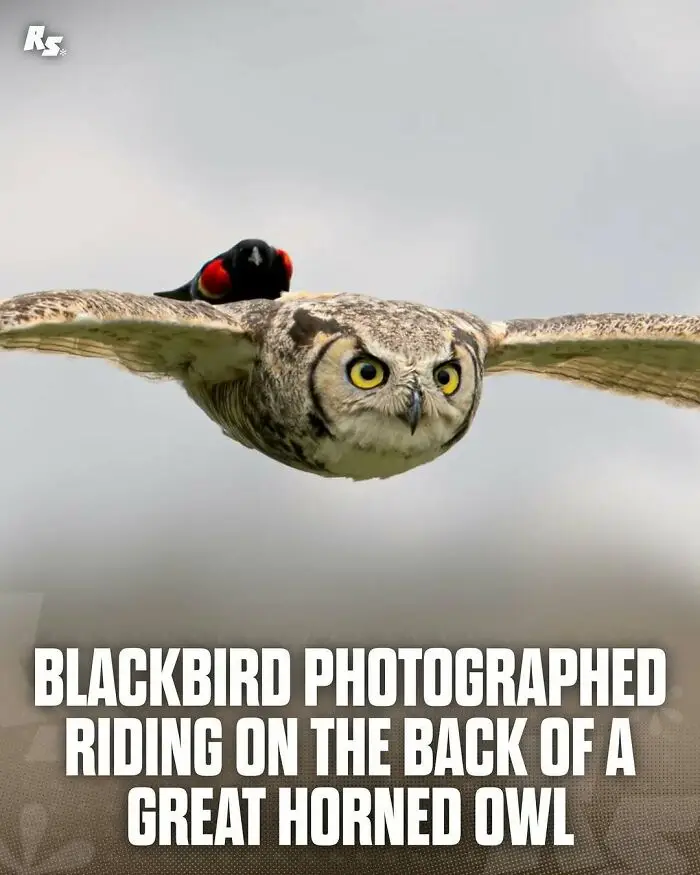
Great horned owl in flight with a blackbird on its back, showcasing rare animal behavior in nature’s hidden gems.
A male red-winged blackbird briefly perched on the back of a flying great horned owl as the two passed overhead in Boulder, Colorado, USA. This happened during mobbing, a behavior in which smaller birds harass larger predators like owls to drive them away from nesting areas or breeding territories. They may swoop at and strike larger birds mid-air. 📸
Report
41points

#33

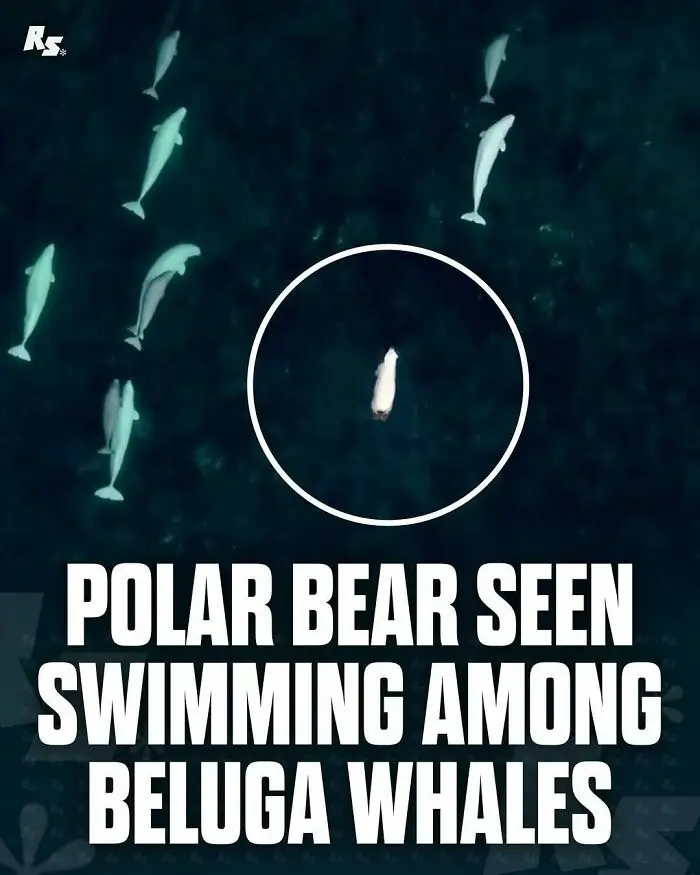
Polar bear swimming among beluga whales in rare animal photos capturing nature’s hidden gems.
Polar bears are apex predators, but their hunting success depends heavily on sea ice. They rely on surprise, waiting at ice edges or breathing holes where prey has limited escape options. Away from the ice, that advantage largely disappears. Beluga whales are built for open water. Fast and agile, they can reach about 22 km/h (14 mph) and use echolocation to stay aware of their surroundings. Polar bears can swim capably over long distances at around 10 km/h (6 mph), but they lack the speed and maneuverability for effective open-water pursuit. Here, the bear is simply swimming through the water, and the belugas are doing the same, each aware of the other and keeping their space. 🎥 @mywildlive
Report
40points

#34

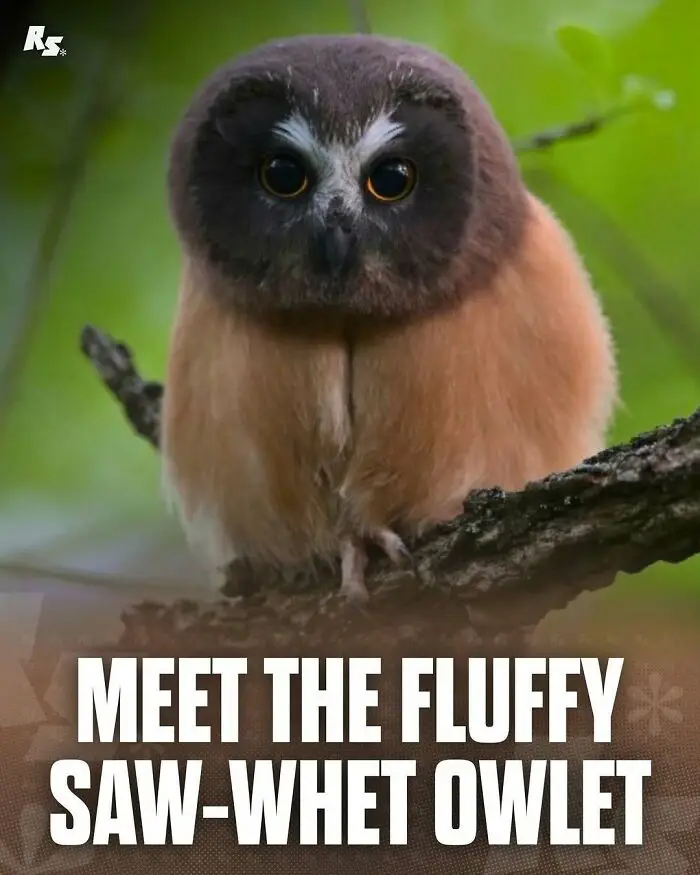
Fluffy saw-whet owlet perched on a branch, showcasing rare animal photo highlighting nature’s hidden gems.
Young northern saw-whet owls have a cinnamon-colored belly and a largely unspotted brown back and crown. They begin their first molt in late summer, only a few months after hatching, and by autumn most body plumage resembles the adult pattern. However, the juvenile wing and tail feathers are retained through the first winter and replaced during later molts. Captured by @sriram.udhayab
Report
40points

#35

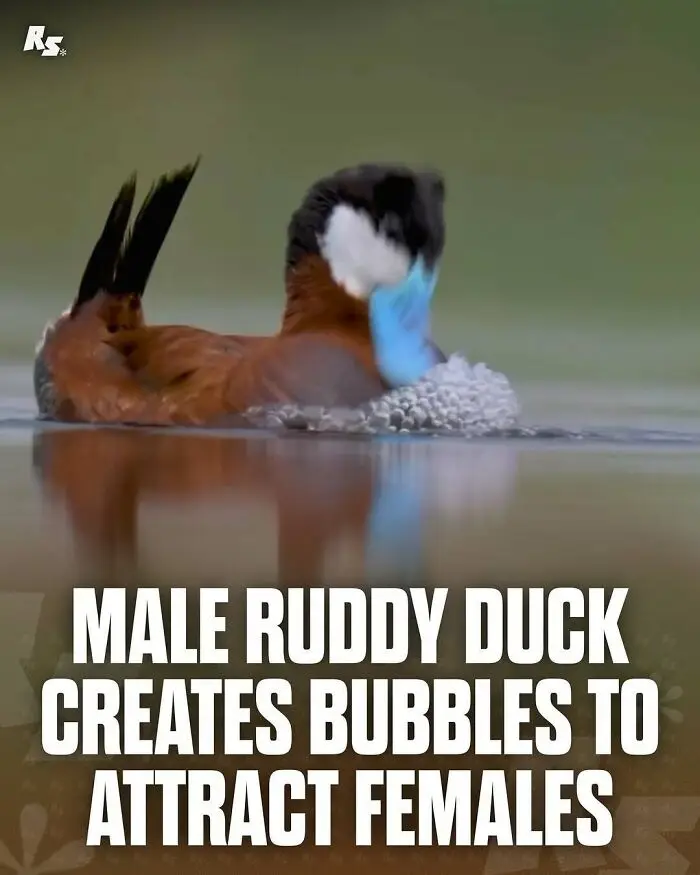
Male ruddy duck creating bubbles in water, showcasing rare animal behavior in nature’s hidden gems photo collection.
During courtship, male ruddy ducks perform a distinctive bubbling display to attract females. The males puff out their chests and rapidly strike them with their bills while paddling, creating bubbles and a popping sound on the water’s surface. 🎥 @rayhennessy_wildlife
Report
39points

#36

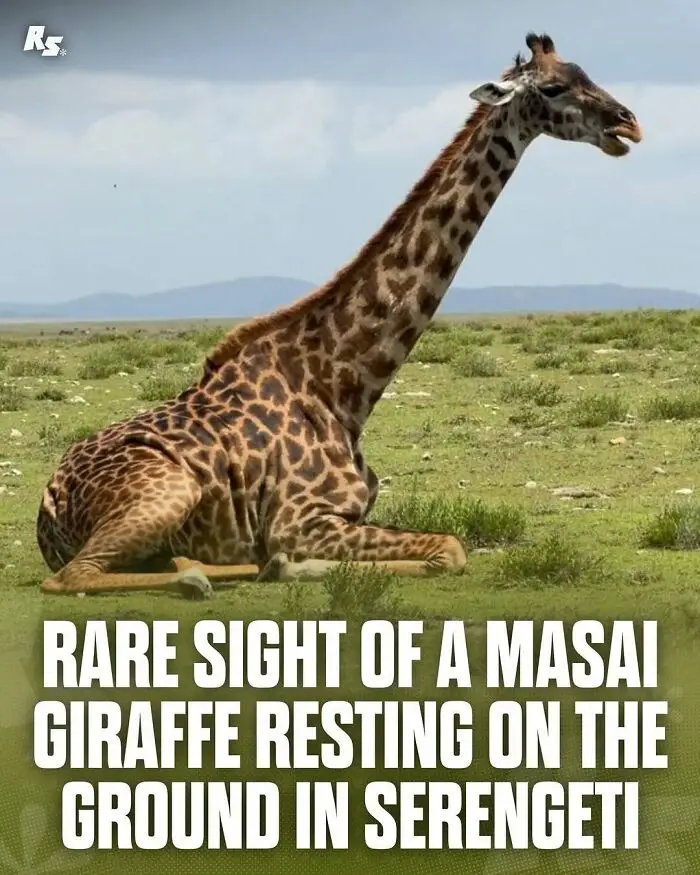
Masai giraffe resting on the ground in Serengeti, showcasing rare animal photo of nature’s hidden gems.
Giraffes spend most of their time standing, even while resting. Lying down requires them to fold their long legs beneath their body, a position that can leave them more vulnerable to predators. They usually lie down only when they feel safe, so moments like this are less common to see on the open plains of the Serengeti in Tanzania. 🎥 @scotthymanphoto
Report
39points

#37

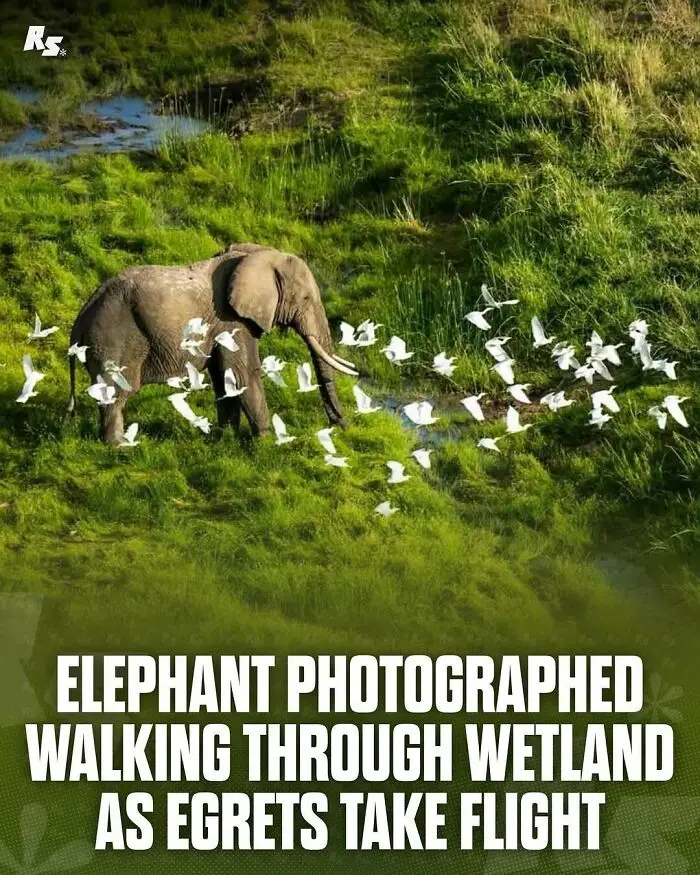
Elephant walking through wetland with egrets flying nearby in a rare animal photo showcasing nature’s hidden gems.
An African elephant moves through a wetland as egrets lift into the air in Tarangire National Park. Egrets often follow large mammals, feeding on insects and small prey stirred up as the animal walks. 📸 @brenden_simonson
Report
37points

#38

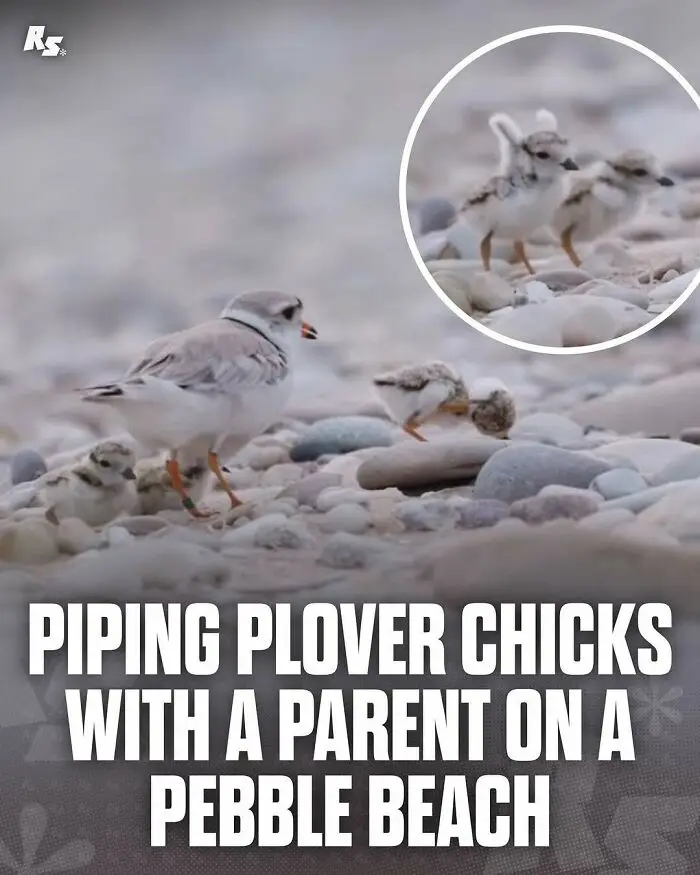
Piping plover chicks with a parent on a pebble beach, showcasing rare animal photos in nature’s hidden gems.
Piping plover chicks leave the nest within hours of hatching and move along the beach with their parents. Their mottled down blends with pebbles and sand, helping them remain hard to spot while they forage for small insects and other invertebrates along the shore. 🎥 @ncbirdwatch
Report
36points

#39

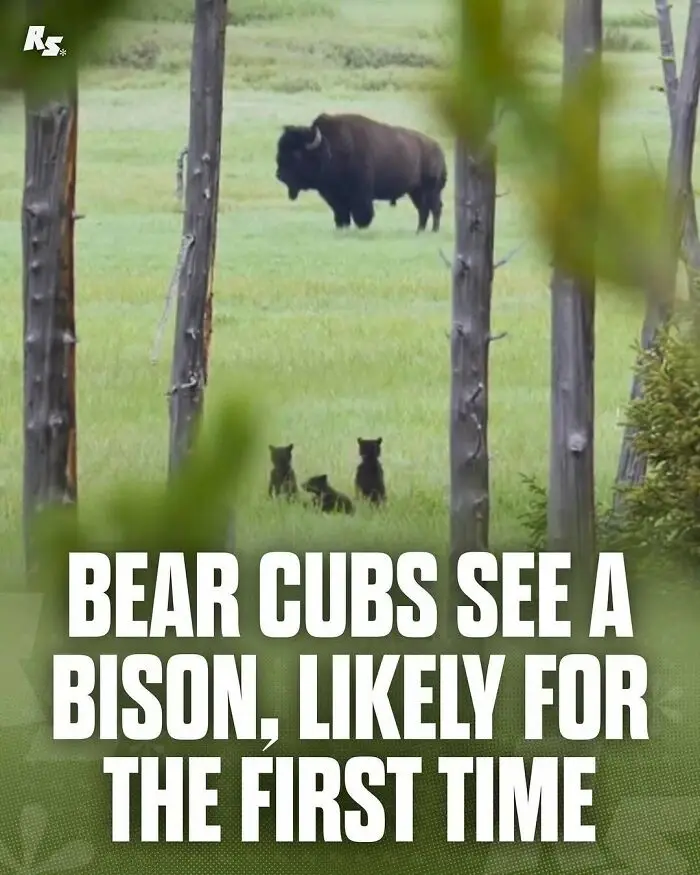
Bear cubs observing a bison in a grassy field surrounded by trees, showcasing rare animal photos in nature.
Three bear cubs encounter a bison in an open meadow, likely the first or one of the first times they had seen one. Their curiosity even caught the bison’s attention. Brown bears and bison share parts of the same range across North America. Bison are powerful animals that can weigh up to about 900 kilograms or 2,000 pounds and are not typical prey for bears. 🎥 @tannerjhaver
Report
36points

#40

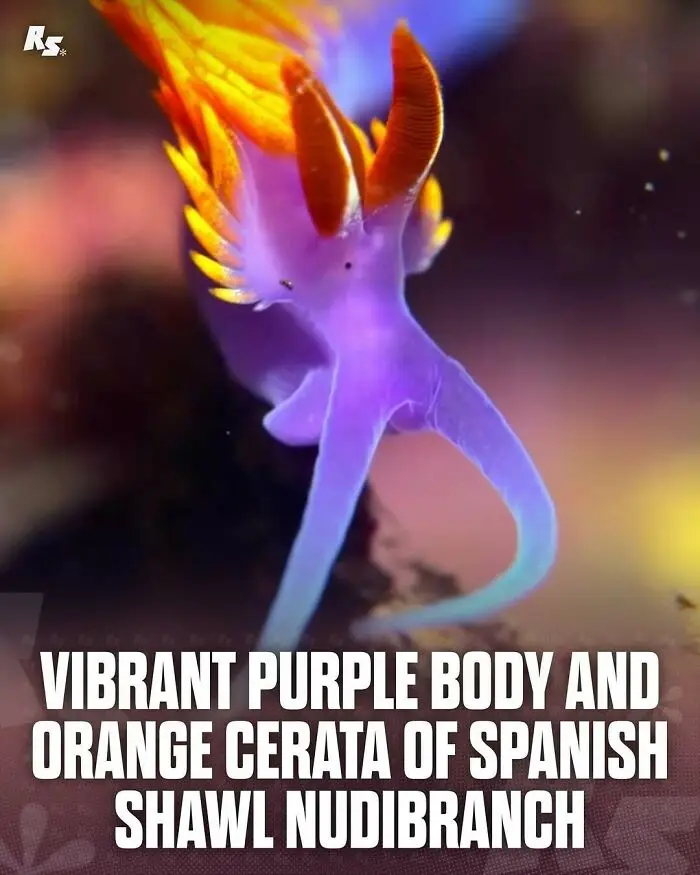
Colorful Spanish Shawl nudibranch with vibrant purple body and orange cerata in rare animal photos exploring nature’s hidden gems.
The Spanish shawl nudibranch (Flabellina iodinea) is a sea slug known for its purple body and bright orange cerata, which contain extensions of the digestive system. The species occurs along the Pacific coast of North America, from British Columbia to Baja California. It is commonly found on rocky reefs and in kelp forest habitats, where it feeds primarily on hydroids. Like other nudibranchs, it lacks a shell and relies on chemical defenses obtained from its prey for protection. 🎥 @somewheresomehowalex
Report
36points
92
11